The Ultimate 1928 Gold Locket Necklace Gift Guide (2026)
Discover the perfect 1928 gold locket necklace for every occasion. Our 2026 gift guide covers styles, photo sizing, and chain pairings for timeless gifting.

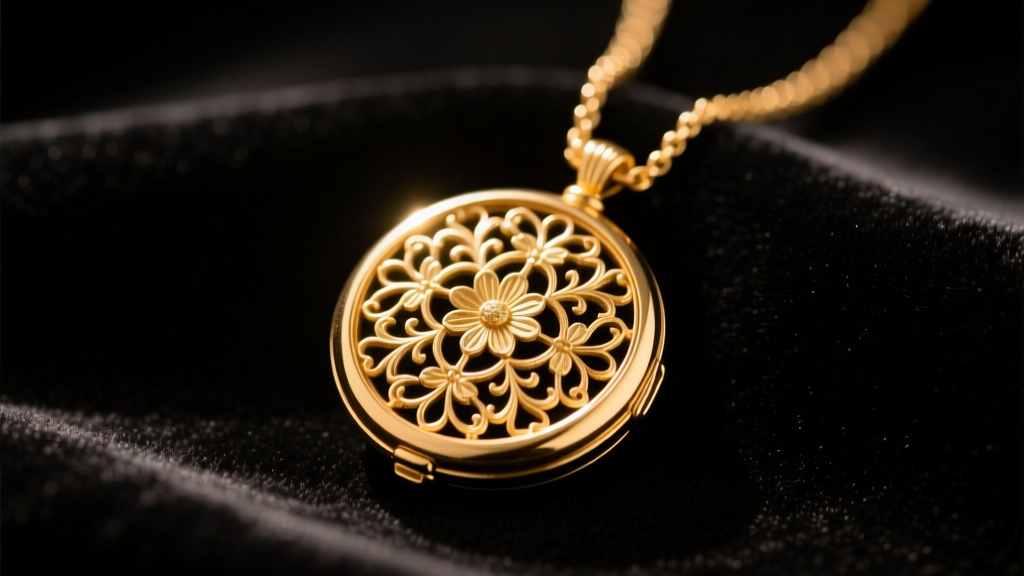
Why a 1928 Gold Locket Necklace Remains a Timeless Gift
In an era dominated by fast fashion and digital photo frames, the tactile romance of a physical keepsake continues to resonate deeply. When curating a meaningful gift in 2026, a 1928 gold locket necklace stands out as a masterclass in vintage-inspired sentimentality. Founded in 1968 by Mel Bernie, the 1928 Jewelry brand derives its name from a single, exquisite antique piece from the year 1928. Today, their lockets capture the essence of Art Deco geometry and Victorian floral revivalism, offering an accessible yet deeply personal gifting option.
Unlike solid 14k or 18k gold heirloom pieces that can cost thousands, 1928 lockets are crafted from lead-free pewter and brass alloys, finished with a gold-tone or gold-plated overlay. This specific material profile makes them an exceptional choice for milestone gifting where aesthetic impact and emotional weight outweigh the need for intrinsic metal value. This guide will break down exactly how to select, size, and present a 1928 locket for any occasion.
Decoding the Materials: Gold-Toned vs. Gold-Plated
To gift a 1928 locket with confidence, you must understand its metallurgy. The brand typically utilizes a base of cast pewter or stamped brass. The gold finish you see is generally a "flash plating" or a high-quality gold-tone lacquer, usually measuring between 0.1 and 0.3 microns in thickness.
- Gold-Plated Brass: Offers a warmer, more authentic yellow-gold hue. Best for recipients who prefer traditional vintage aesthetics.
- Gold-Toned Pewter: Slightly heavier with a softer, more muted gold color. Pewter is highly malleable, allowing for the deep, intricate filigree work that 1928 is famous for.
Pro-Tip for Gifting: Because these are fashion-grade finishes, they are not designed for 24/7 wear in the shower or pool. Including a small care card with your gift elevates the presentation and ensures the gold finish remains vibrant for years.
Occasion Matching: Which Locket for Which Milestone?
The shape and engraving of a locket carry distinct historical meanings. According to jewelry historians at Lang Antiques University, the shape of a locket often dictates its emotional purpose. Below is a decision matrix to help you match the right 1928 style to your recipient's milestone.
| Occasion | Recommended 1928 Style | Standard Photo Insert Size | Estimated Price Range |
|---|---|---|---|
| Weddings & Anniversaries | Oval with Floral Repoussé | 3/4" x 1" (Single or Double) | $35 - $55 |
| Graduations & Coming-of-Age | Art Deco Geometric Heart | 5/8" x 5/8" (Double) | $28 - $45 |
| Sympathy & Remembrance | Book-Style or Urn Locket | 1/2" x 3/4" (Single) | $40 - $65 |
| Mother's Day | Expandable Photo Locket | 1" x 1" (Multiple panels) | $45 - $70 |
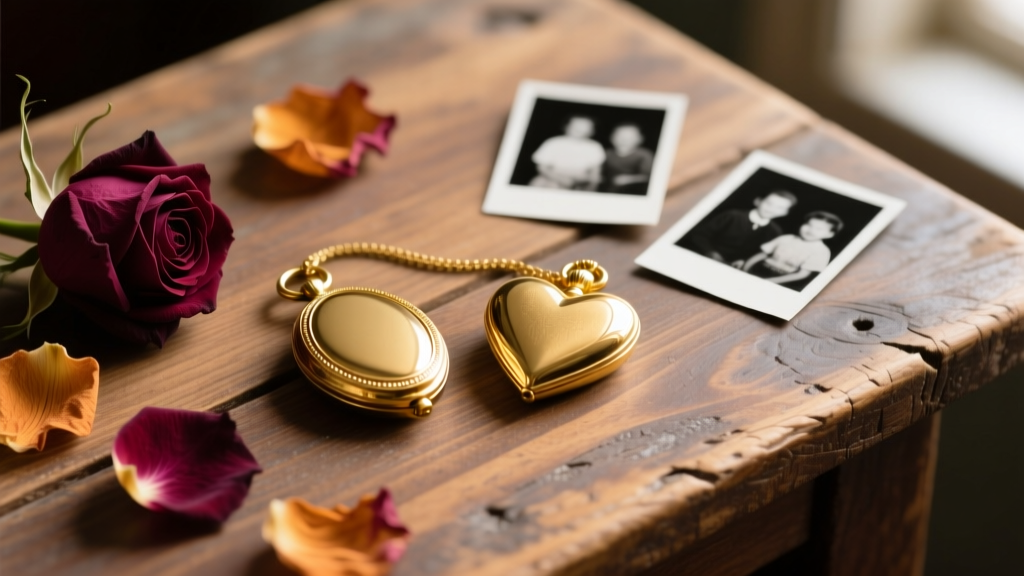
The Anniversary Oval
For a 10th or 25th anniversary, the oval locket is the undisputed champion. Its continuous curve symbolizes eternity. Look for 1928's oval styles featuring deep floral repoussé (embossed metalwork). These catch the light beautifully and hide minor surface scratches that naturally occur over time.
The Graduation Heart
Hearts are inherently youthful and romantic, making them perfect for high school or college graduations. A 1928 Art Deco heart locket, characterized by sharp lines and symmetrical milgrain detailing, bridges the gap between youthful trendiness and vintage sophistication.
Pro Tips for Inserting and Securing Photos
The most common point of failure when gifting a locket is damaging the internal tension tabs while trying to insert a photograph. Pewter and brass alloys can suffer from metal fatigue; bending the tiny internal prongs back and forth more than twice will cause them to snap off entirely.
"Never force a photograph into a vintage-style locket by bending the brass tabs repeatedly. Instead, use a micro-dot of double-sided archival scrapbooking tape on the back of the photo to adhere it directly to the locket's interior plate. This preserves the structural integrity of the hinges and tabs."
Actionable Sizing Steps:
- Remove the plastic insert from the locket and trace it onto the back of your printed photograph.
- Cut the photo using a precision craft knife (like an X-Acto) rather than scissors to ensure perfectly flush edges.
- If the locket uses tension tabs, gently lift them with a flathead jeweler's screwdriver just enough to slide the photo and plastic cover back in.
- Press down gently with your thumb—never use metal tools to press the photo in, as this will scratch the interior gold plating.
Sizing the Perfect Chain: Lengths and Clasp Mechanics
A 1928 gold locket necklace is only as good as the chain that suspends it. The brand typically pairs their lockets with standard cable or rope chains, but understanding the mechanics of the clasp and the drop length is crucial for the recipient's comfort.
Chain Length Guide for Necklines
- 18-Inch (Princess): The most universal length. It rests perfectly on the collarbone, making it ideal for V-necks, scoop necks, and open-collared blouses. This is the safest bet for a surprise gift.
- 24-Inch (Opera): Drops to the sternum. Best suited for high-neck sweaters, turtlenecks, or wearing over a button-down shirt. Ideal for fall and winter gifting.
Clasp Durability
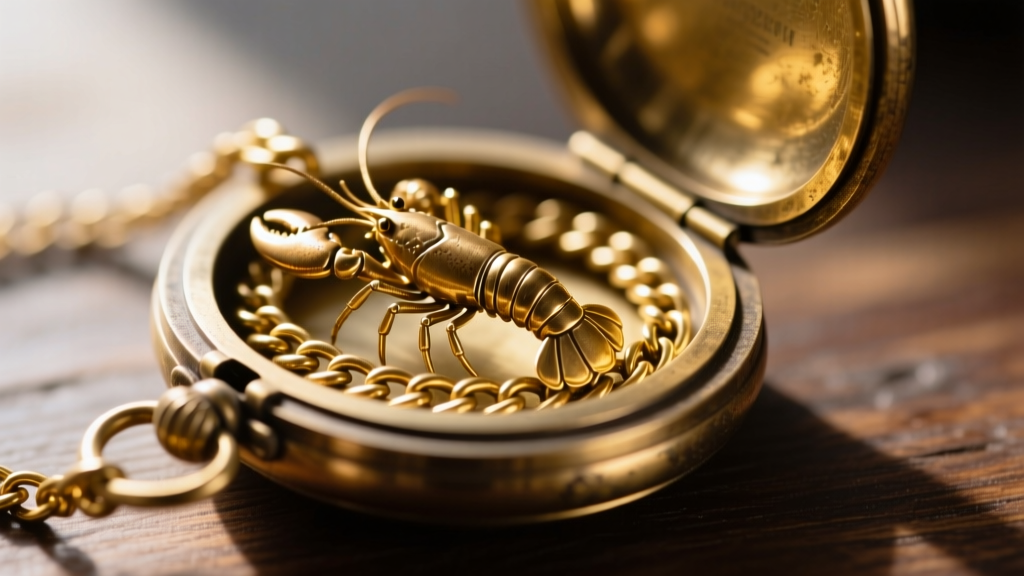
Most 1928 lockets come equipped with a small lobster claw clasp. While secure, the gold-plating on the tiny spring mechanism can wear down with heavy daily use. If you are gifting this to someone who struggles with fine motor skills (such as an elderly relative), consider purchasing a separate 5mm gold-toned ring clasp extender, which makes fastening the necklace significantly easier.
Caring for Vintage-Inspired Gold Lockets
To ensure your 1928 gold locket necklace remains a cherished keepsake rather than a tarnished memory, include these specific care instructions with your gift:
- Avoid Ultrasonic Cleaners: The high-frequency vibrations can strip the flash gold plating right off the brass or pewter base metal.
- The Soap and Water Method: Use a drop of mild, phosphate-free dish soap (like Dawn) and lukewarm water. Gently brush the filigree crevices with an extra-soft baby toothbrush.
- Perfume Protocol: Always apply perfumes, hairsprays, and lotions at least 10 minutes before putting the locket on. The alcohol and essential oils in cosmetics will rapidly degrade the gold-tone finish.
- Storage: Store the necklace in an anti-tarnish flannel pouch. Never store it loose in a jewelry box where the chain can scratch the soft pewter face of the locket.
By understanding the material realities, historical significance, and proper maintenance of a 1928 locket, you transform a simple piece of costume jewelry into a profoundly thoughtful, expertly curated gift that will be treasured for a lifetime.


