Pink Sapphire Diamond Necklace Buying Guide (2026)
Discover what to look for in a pink sapphire diamond necklace. Our 2026 buying guide covers gem grading, metal choices, and pricing tiers.

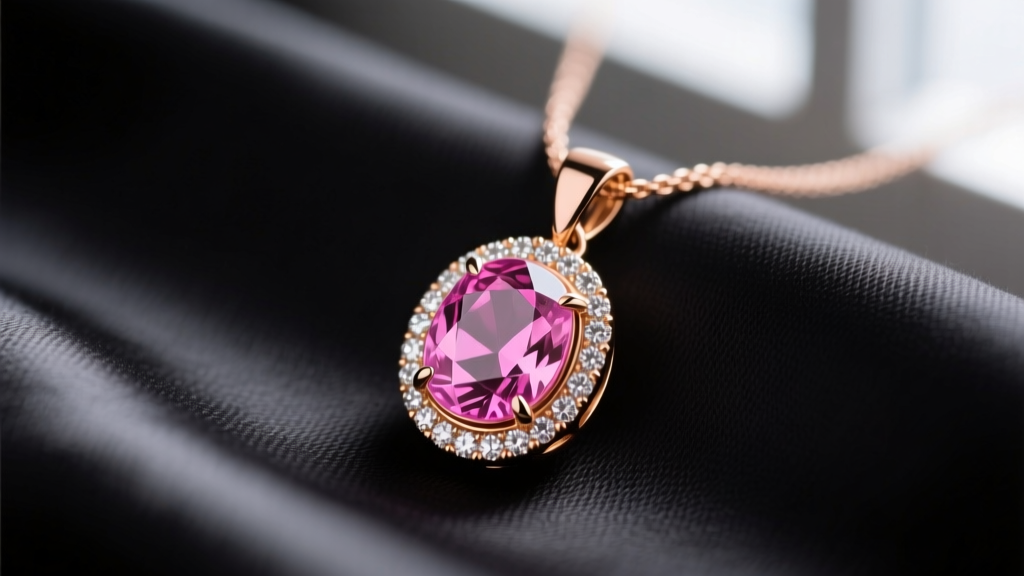
The Allure of the Pink Sapphire Diamond Necklace
In the landscape of fine jewelry, the pink sapphire diamond necklace has emerged as a definitive symbol of modern romance and sophisticated individuality. While traditional white diamonds and deep blue sapphires have long dominated the market, 2026 has seen a massive surge in collectors and everyday buyers seeking the vibrant, playful, yet deeply luxurious appeal of pink sapphires. When paired with the icy brilliance of diamond accents, the result is a piece that balances warmth and light perfectly.
However, buying a pink sapphire diamond necklace is not as straightforward as purchasing a standard solitaire diamond pendant. The colored gemstone market is fraught with complex treatments, varying color grades, and significant price disparities based on origin and enhancement. This comprehensive buying guide will walk you through the exact gemological criteria, metal choices, and structural details you need to evaluate before making an investment.
Decoding Pink Sapphire Color and Clarity
The value of a pink sapphire is overwhelmingly dictated by its color. Unlike blue sapphires, which derive their hue from iron and titanium, pink sapphores owe their color to trace amounts of chromium. The more chromium present, the deeper and more saturated the pink.
The Spectrum: From Baby Pink to Padparadscha
Gemologists evaluate pink sapphires on three axes: hue, tone, and saturation. The most desirable stones exhibit a pure pink hue without secondary modifiers like purple or brown.
- Baby Pink: Light tone, low-to-medium saturation. Highly affordable and popular for delicate, everyday stackable necklaces.
- Bubblegum Pink: Medium tone, high saturation. This is the sweet spot for most luxury buyers, offering a vibrant, punchy color that stands out against both white and rose gold.
- Hot Pink: Deep tone, very high saturation. Rare and commands premium pricing, often rivaling pink diamonds in cost per carat.
- Padparadscha: The holy grail of the corundum family. A delicate blend of pink and orange (resembling a lotus blossom). True padparadscha sapphires are exceptionally rare and will drastically increase the price of your necklace.
Clarity Expectations: The Role of Rutile Silk
Pink sapphires are classified as Type II gemstones by the Gemological Institute of America (GIA), meaning they typically contain visible inclusions. Do not expect a pink sapphire to be as flawless as a high-grade diamond. In fact, the presence of fine rutile needles (known as "silk") is highly desirable. Silk proves the stone is natural and can actually scatter light, giving the sapphire a velvety, glowing appearance. Avoid stones with large, dark fractures or inclusions located directly under the table facet, as these compromise both brilliance and structural integrity.
Crucial Treatments: Heat vs. Lattice Diffusion
This is the most critical factor in determining the true value of your pink sapphire diamond necklace. According to Lotus Gemology, the treatment status of a colored gemstone can alter its value by hundreds of percent.
Standard Heat Treatment: Over 90% of sapphires on the market are heat-treated to improve clarity and color. This is a stable, universally accepted practice in the jewelry industry. A heated pink sapphire necklace is a beautiful, durable, and relatively accessible choice.
Unheated (No Heat): Sapphires that possess excellent color and clarity straight out of the earth are exceptionally rare. An unheated pink sapphire with a reputable lab certificate will command a 50% to 150% premium over an identical heated stone. For investment-grade necklaces, always seek unheated stones.
Beryllium Diffusion (Lattice Diffusion): Buyer beware. This controversial treatment involves heating the stone with beryllium to artificially force pink or orange hues into pale, low-value corundum. Diffused sapphires are worth a fraction of naturally colored stones. Always ensure your certificate explicitly states "No evidence of lattice diffusion" or "No beryllium."
Diamond Accents: What Quality Do You Need?
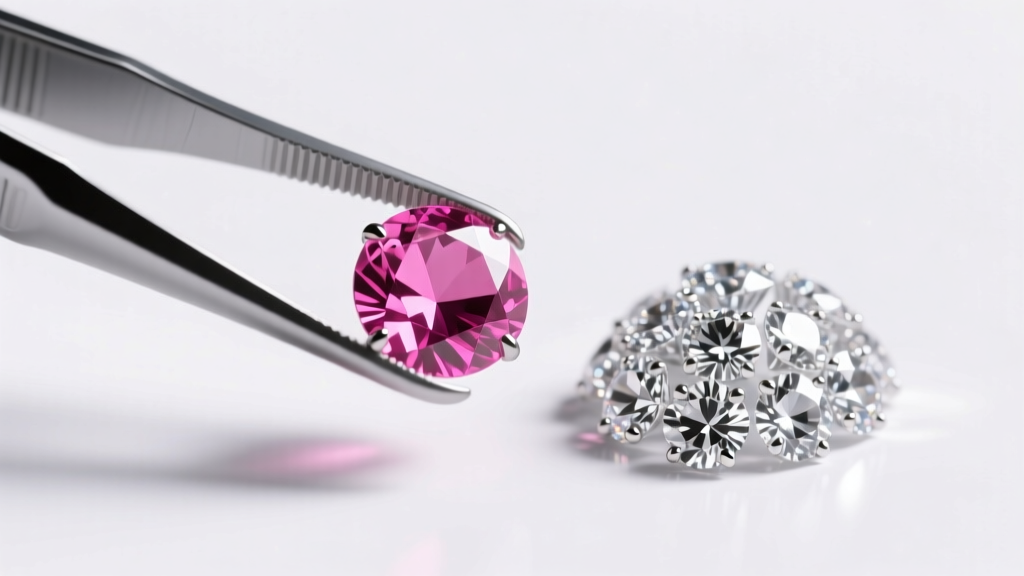
In a pink sapphire diamond necklace, the diamonds usually serve as accent stones—either in a halo setting, as melee along a halo, or as stationary bezel-set links on the chain. Because these are typically "melee" diamonds (weighing under 0.15 carats each), you do not need to pay for flawless clarity.
However, color matching is vital. If your necklace is set in white gold or platinum, ensure the melee diamonds are in the G-H color range. If the jeweler uses I-J color melee to cut costs, the diamonds will look noticeably yellow or brownish when placed next to the bright pink sapphire and white metal. For clarity, VS2 to SI1 is perfectly adequate for melee, as inclusions will be invisible to the naked eye at that scale. Ensure the diamonds are "full cut" (57-58 facets) rather than "single cut" (17-18 facets) to maximize light return and sparkle.
Chain Styles and Metal Settings
The metal and chain style you choose will dictate how the pink sapphire is perceived and how the necklace wears over time.
Metal Alloys
- 18k Rose Gold: The copper alloy in rose gold naturally amplifies the pink hues of the sapphire, creating a seamless, monochromatic warmth. This is the most popular choice for romantic, vintage-inspired pendants.
- 14k or 18k White Gold / Platinum: Creates a high-contrast, modern look. The white metal makes the pink sapphire pop aggressively. Platinum is highly recommended for bezel settings due to its tensile strength and hypoallergenic properties.
- Yellow Gold: Offers a classic, regal aesthetic, though it can sometimes mute the cooler tones of a bubblegum pink sapphire.
Chain Profiles and Lengths
For a pendant necklace, an 18-inch princess length is the industry standard, allowing the sapphire to rest perfectly on the collarbone. If you prefer a choker style, opt for 16 inches with a 2-inch extender chain. Regarding chain profiles, a delicate cable chain (0.9mm to 1.2mm) keeps the focus entirely on the gemstone. For a more contemporary, textured look, a paperclip chain or a bezel-set diamond station chain adds significant brilliance and structural durability.
2026 Pricing Tiers and Value Matrix
Pricing for a pink sapphire diamond necklace varies wildly based on the carat weight of the center stone, its treatment status, and the total diamond carat weight (TDW) of the accents. Below is a realistic market matrix for 2026, assuming an 18k gold setting with 0.25ctw of G/VS melee diamond accents.
| Center Stone (Oval/Cushion) | Treatment Status | Color Grade | Estimated Retail Price Range |
|---|---|---|---|
| 0.75 - 1.00 Carat | Heated | Light/Baby Pink | $800 - $1,500 |
| 1.00 - 1.50 Carat | Heated | Bubblegum Pink | $2,200 - $4,500 |
| 1.50 - 2.00 Carat | Unheated | Vivid/Hot Pink | $6,000 - $12,000+ |
| 2.00+ Carat | Unheated | Padparadscha | $15,000 - $40,000+ |
Note: Prices fluctuate based on the origin of the sapphire. Stones from Sri Lanka (Ceylon) and Madagascar currently command the highest premiums in the luxury market.
Certification and Provenance
Never purchase a premium pink sapphire diamond necklace without an independent, third-party laboratory report. The GIA (Gemological Institute of America) is the gold standard for identifying treatments and natural origin. For colored gemstones, the AGL (American Gemological Laboratories) and Lotus Gemology are equally revered, often providing more nuanced color descriptions and origin determinations than standard diamond labs. If a jeweler offers only an "in-house appraisal" or a certificate from an unrecognized, pay-to-play lab, walk away. The risk of purchasing a beryllium-diffused or synthetic stone is simply too high.
Final Verdict: How to Buy with Confidence
A pink sapphire diamond necklace is a breathtaking, highly personal piece of jewelry that breaks away from traditional norms. To ensure you are getting exactly what you pay for, prioritize color saturation and treatment transparency above sheer carat weight. A 1-carat, unheated, vivid bubblegum pink sapphire will always be a better investment and a more visually striking centerpiece than a murky, 3-carat heavily included stone. Insist on full-cut melee diamonds, choose a metal that complements your skin tone and the stone's specific hue, and always demand a reputable lab certificate. By following these gemological guardrails, you will secure a necklace that is as enduring as it is beautiful.


