The Ultimate 2000s Necklace Material Guide: Y2K Metals & Plastics
Discover the material properties of vintage and modern 2000s necklace designs. Compare Y2K metals, acrylics, and cords for durability and style.

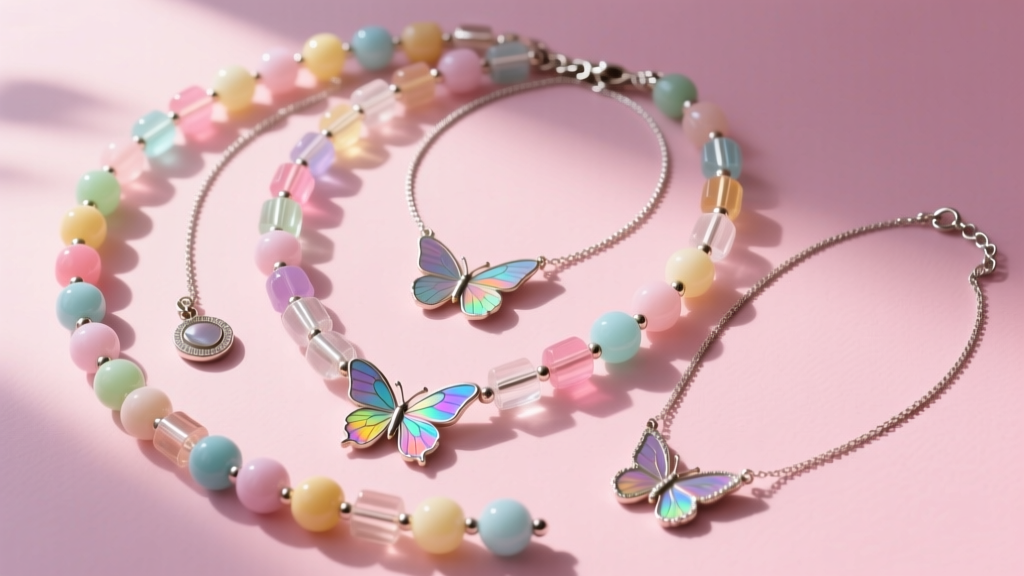
The Y2K aesthetic has undeniably conquered modern fashion, but the original 2000s necklace trends were built on a foundation of highly reactive, fast-fashion materials. Between 1998 and 2005, mall kiosk jewelry prioritized hyper-trendy aesthetics—think chunky resin chokers, butterfly motifs, and layered silver chains—over metallurgical stability. Today, as collectors restore vintage pieces and modern jewelers engineer Y2K-inspired replicas, understanding the exact material properties of this era is critical. Whether you are sourcing authentic vintage or investing in modern upgrades, this guide breaks down the chemical and physical realities of Y2K jewelry materials.
The Core Metals of the Y2K Era (and Modern Upgrades)
The most iconic 2000s necklace pendants were rarely solid precious metals. Instead, they relied on cast base metals coated in ultra-thin flash plating. Understanding the failure modes of these alloys is essential for anyone wearing or restoring vintage Y2K pieces.
Zamak and Pot Metal: The Mall Kiosk Standard
The vast majority of mass-market Y2K pendants were cast from Zamak, a zinc-based alloy containing aluminum, magnesium, and copper (specifically Zamak 3 or Zamak 5). Zamak has a low melting point, making it incredibly cheap to cast into intricate 3D shapes like stars, crosses, and butterflies. However, it is highly porous. To make it look like silver or gold, manufacturers applied "flash plating"—a layer of silver or gold typically less than 0.5 microns thick.
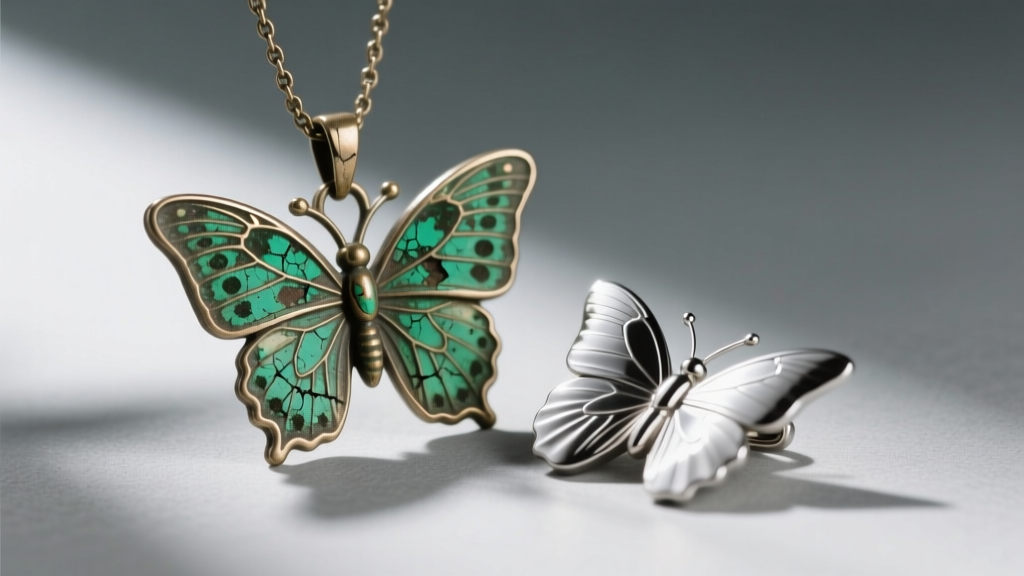
The Failure Mode: Within weeks of wear, friction and skin acids (which typically sit at a pH of 4.5 to 5.5) wear through the flash plating. This exposes the underlying nickel strike layer used to help the plating adhere. According to the National Center for Biotechnology Information (NCBI), nickel is the most common contact allergen, affecting roughly 15% of the population and resulting in severe contact dermatitis. Furthermore, exposed Zamak oxidizes rapidly, creating a chalky white or greenish crust that ruins the pendant.
Sterling Silver & Vermeil: The Premium 2000s Alternative
For higher-end 2000s necklace designs, sterling silver (92.5% silver, 7.5% copper) was the standard. The copper content, however, makes sterling silver highly susceptible to tarnishing when exposed to sulfur compounds in the air and hydrogen sulfide in sweat. Modern Y2K replicas often use rhodium-plated sterling silver to prevent this, but vintage pieces will require regular polishing with a treated jeweler's cloth to remove silver sulfide buildup.
Expert Tip: If you are buying a modern 2000s-style necklace, look for 316L surgical stainless steel finished with PVD (Physical Vapor Deposition) titanium nitride. PVD bonding is measured in microns (usually 1.0 to 3.0μm) and is exponentially more durable than the electroplated flash finishes of the early 2000s, completely eliminating the "green skin" effect.
Synthetics & Organics: Acrylic, Resin, and Leather
Beyond metals, the 2000s necklace silhouette was defined by synthetics. Chunky bead chokers and colorful pendants relied heavily on early-2000s plastics and organic cords, which degrade very differently than their modern counterparts.
Injection-Molded Acrylic (PMMA) vs. Modern Epoxy
The translucent, brightly colored beads popular in Y2K chokers were typically made from Polymethyl Methacrylate (PMMA), commonly known as acrylic or Lucite. While PMMA is highly transparent and holds dye exceptionally well, it ranks only a 3 on the Mohs hardness scale. This means vintage acrylic beads are almost always covered in micro-scratches from years of friction against glass and metal. Furthermore, early 2000s acrylics lacked modern UV stabilizers, causing clear or white beads to yellow significantly when exposed to sunlight.
Modern Y2K-inspired jewelry often swaps PMMA for cast epoxy resin or UV-stabilized polycarbonate, which offers higher impact resistance and superior scratch tolerance, though it lacks the distinct "clack" sound of vintage acrylic beads.
Suede, Waxed Cotton, and Elastic Cords
The structural integrity of a vintage 2000s necklace often comes down to its stringing material.
- Elastic Nylon (e.g., Stretch Magic): Used heavily in beaded chokers. Over time, the polyurethane elastomers break down due to UV exposure and contact with sebum, leading to catastrophic snapping. Never trust the original elastic in a vintage Y2K piece.
- Waxed Cotton & Suede: Popular for surf-style and boho-Y2K pendants. Suede is highly porous and acts as a sponge for sweat and cosmetics, eventually becoming brittle and emitting a sour odor. Waxed cotton fares better but will fray at the clasp connection point if the gauge exceeds 1.5mm.
Chain Gauges and Clasp Hardware
The chains used in the 2000s were distinctly delicate, designed to layer three or four at a time. The most common styles were the 1.2mm to 1.5mm box chain and the 1.5mm snake chain (omega chain).
While snake chains offered a sleek, futuristic look that perfectly matched the Y2K aesthetic, their interlocking cup-and-link structure is a mechanical nightmare. They easily kink if bent at an angle greater than 45 degrees, and the tight gaps trap dead skin cells and lotions, leading to irreversible darkening. Box chains, with their open cubic links, remain the superior choice for durability and ease of cleaning. Additionally, the standard 5mm spring ring clasps of the 2000s were notorious for failing due to weak internal tension springs; upgrading vintage pieces to modern 10mm lobster clasps is highly recommended for security.
Material Comparison Matrix
Use the table below to evaluate the properties of common 2000s necklace materials and identify the best modern alternatives for everyday wear.
| Material | Era Authenticity | Hardness / Tensile Strength | Common Failure Mode | Modern 2026 Upgrade |
|---|---|---|---|---|
| Zamak (Zinc Alloy) | High (Mall Kiosks) | Mohs 2.5 / Low Tensile | Pitting, nickel leaching, flash plating wear | 316L Steel with PVD Coating |
| Sterling Silver (925) | High (Premium Brands) | Mohs 2.5-3 / High Malleability | Sulfur tarnish, scratching, clasp stretching | Rhodium-Plated 925 or Argentium |
| PMMA (Acrylic) | High (Beaded Chokers) | Mohs 3 / Moderate Impact | Micro-scratches, UV yellowing, cracking | UV-Stabilized Polycarbonate |
| Elastic Nylon Cord | High (Stretch Chokers) | High Elasticity / Low UV Resist | Elastomer degradation, sudden snapping | 0.8mm Braided Stainless Wire |
| Snake Chain (Omega) | High (Layering Sets) | Low Flexibility / High Kink Risk | Permanent kinking, sebum trapping | 1.5mm Micro-Box Chain |
Sourcing, Restoring, and Sealing Vintage Pieces
If you are curating a collection of authentic vintage 2000s necklace designs, restoration requires specific chemical approaches. You cannot simply polish Zamak or pot metal; traditional silver polishes contain mild abrasives that will strip the remaining flash plating and expose the raw zinc, accelerating decay.
For base metal pendants that have lost their plating but retain their structural shape, the best preservation method is isolation. Clean the piece gently with isopropyl alcohol to remove oils, then apply a micro-crystalline wax (such as Renaissance Wax) or a specialized jewelry shield spray. This creates an invisible, inert barrier that prevents the zinc from oxidizing and stops nickel ions from migrating into the skin, adhering to the safety principles outlined by the Federal Trade Commission's Jewelry Guides regarding skin contact with reactive alloys.
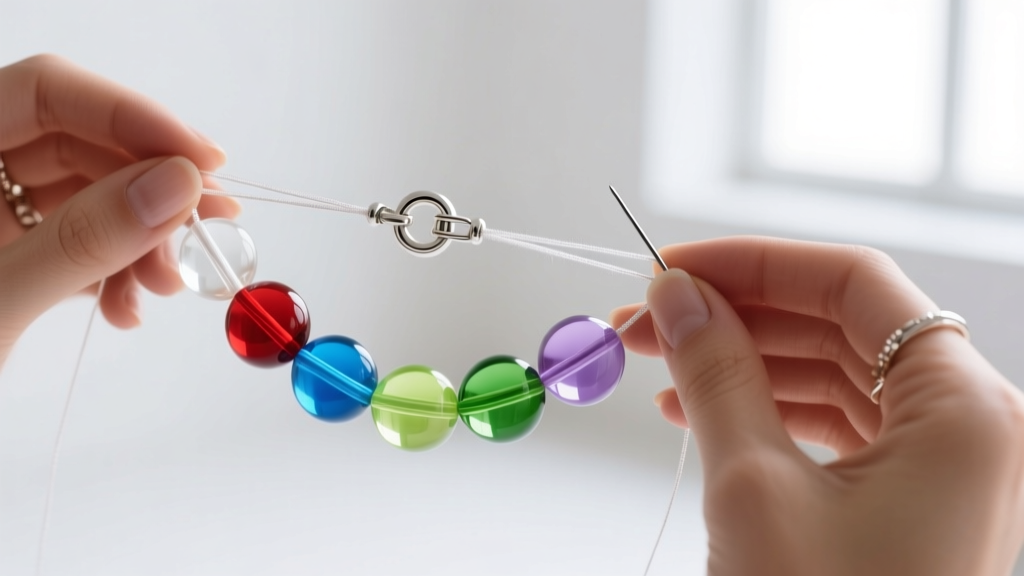
For beaded chokers, always cut the original elastic. Restring the beads using a 0.8mm clear nylon thread or a flexible beading wire with a sterling silver or stainless steel barrel clasp. This preserves the exact visual aesthetic of the early 2000s while ensuring the necklace can withstand the tensile stress of modern daily wear without catastrophic failure.


