How to Layer and Care for a Bryan Anthony Necklace
Master the art of layering your Bryan Anthony necklace with our step-by-step styling guide, plus expert tips on cleaning and storing plated jewelry.

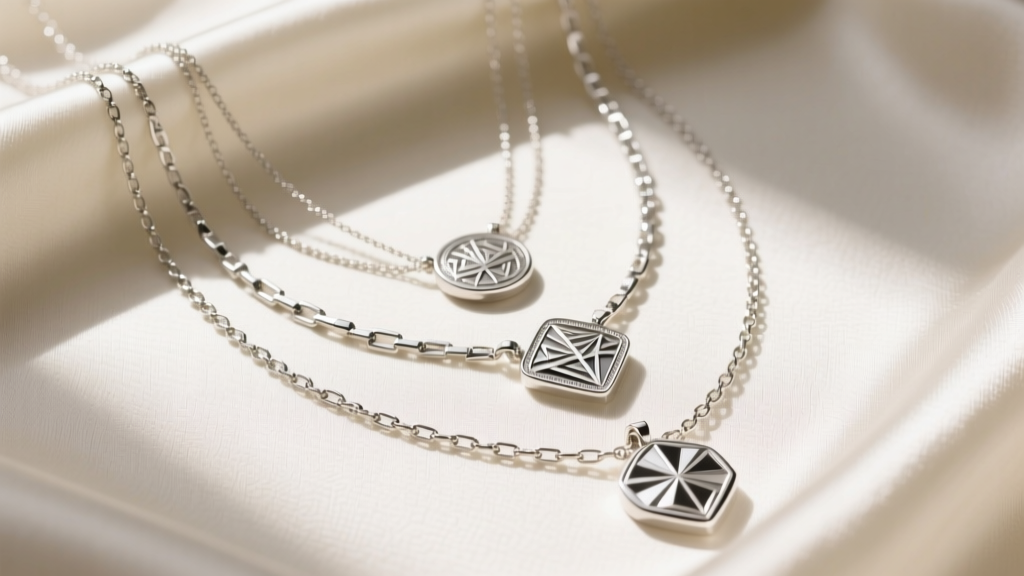
Bryan Anthony jewelry has carved out a unique space in the market by blending emotional resonance with accessible luxury. Known for their meaningful message cards, intricate engravings, and delicate chains, these pieces are often gifted to mark significant life milestones. However, because many of these necklaces feature gold plating over base metals or sterling silver, they require specific styling techniques and meticulous care to maintain their brilliance. As we navigate the layered jewelry trends of 2026, understanding how to properly stack, clean, and store your pieces is essential for longevity.
Understanding the Metallurgy of Your Bryan Anthony Pieces
Before applying any cleaning solutions or layering techniques, you must identify the exact material composition of your jewelry. Bryan Anthony typically produces necklaces in two primary categories: 925 sterling silver and gold-plated brass or silver. According to the Federal Trade Commission Jewelry Guides, gold plating must meet specific thickness standards to be accurately labeled, but everyday friction and skin pH can still degrade thin layers over time.
If your piece is gold-plated, the underlying metal is often brass or a silver alloy. When the plating wears thin, the base metal can react with sulfur and moisture in the air, leading to a greenish or blackish tarnish. Sterling silver pieces, while more durable, are still prone to oxidation. Recognizing whether you are holding a vermeil piece, a standard plated piece, or solid silver will dictate your maintenance routine and prevent accidental stripping of the gold finish.
Step-by-Step Framework for Layering Necklaces
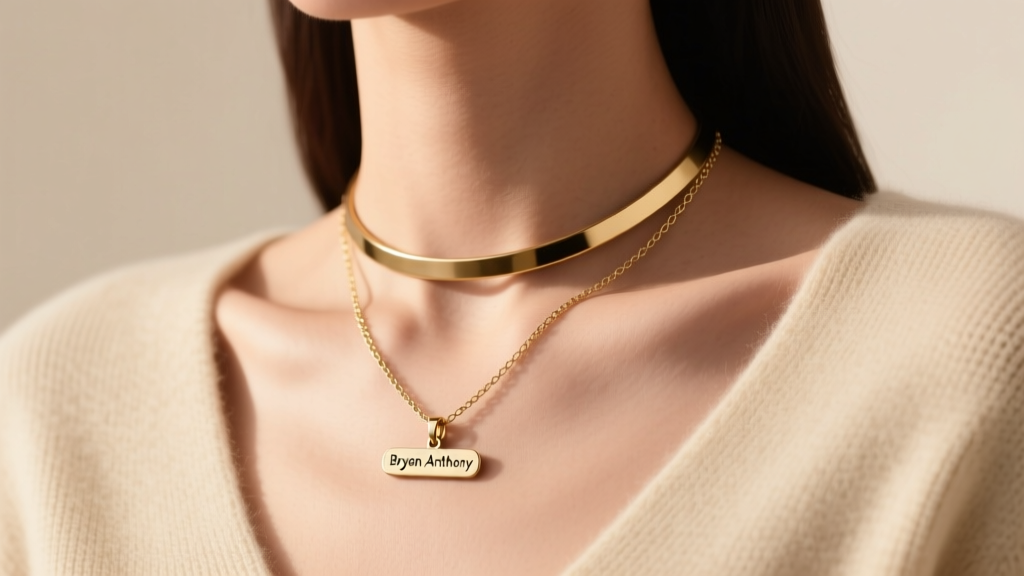
Layering a Bryan Anthony necklace requires a strategic approach to prevent the delicate box and cable chains from tangling. The golden rule of layering is the 'two-inch drop,' ensuring each subsequent chain rests at least two inches below the previous one to minimize metal-on-metal friction.
Step 1: Establish the Base Layer (14-16 Inches)
Start with a lightweight, minimalist chain. A simple 14-inch or 16-inch sterling silver cable chain sits perfectly at the collarbone. This layer acts as an anchor and should not feature a heavy pendant, which could pull the chain and cause it to snap under the weight of additional layers.
Step 2: The Focal Point (18 Inches)
This is where your primary Bryan Anthony necklace belongs. An 18-inch chain allows the meaningful pendant or engraved disc to rest just below the collarbone, drawing the eye without competing with the base layer. Ensure the clasp is securely fastened and tucked behind the neck to avoid visual clutter.
Step 3: Add Texture and Length (20-24 Inches)
For the final layer, opt for a different chain texture—such as a rope or Figaro chain—to create visual depth. A 22-inch chain with a small geometric charm or a solitary cubic zirconia stone provides a balanced, elongated silhouette.
Layering Guide by Neckline
| Garment Neckline | Ideal Base Length | Focal Pendant Length | Styling Note |
|---|---|---|---|
| Crew Neck | 16 inches | 18-20 inches | Keep pendants above the fabric hemline to avoid snagging. |
| V-Neck | 14-16 inches | 18 inches | Follow the V-shape; avoid chains longer than the V plunge. |
| Button-Down | 15 inches | 18 inches | Leave the top two buttons undone to frame the collarbone stack. |
| Off-the-Shoulder | 14 inches (Choker) | 20-24 inches | Use a wide gap between layers to accentuate bare skin. |
The Correct Cleaning Protocol for Plated and Silver Jewelry
Many consumers ruin their jewelry by using harsh chemical dips or ultrasonic cleaners. Ultrasonic waves can easily loosen the prongs holding cubic zirconia stones in place, while chemical silver dips will instantly strip gold plating. The Jewelers of America recommends gentle, manual cleaning for all plated and porous gemstone jewelry.
Step-by-Step Cleaning Method
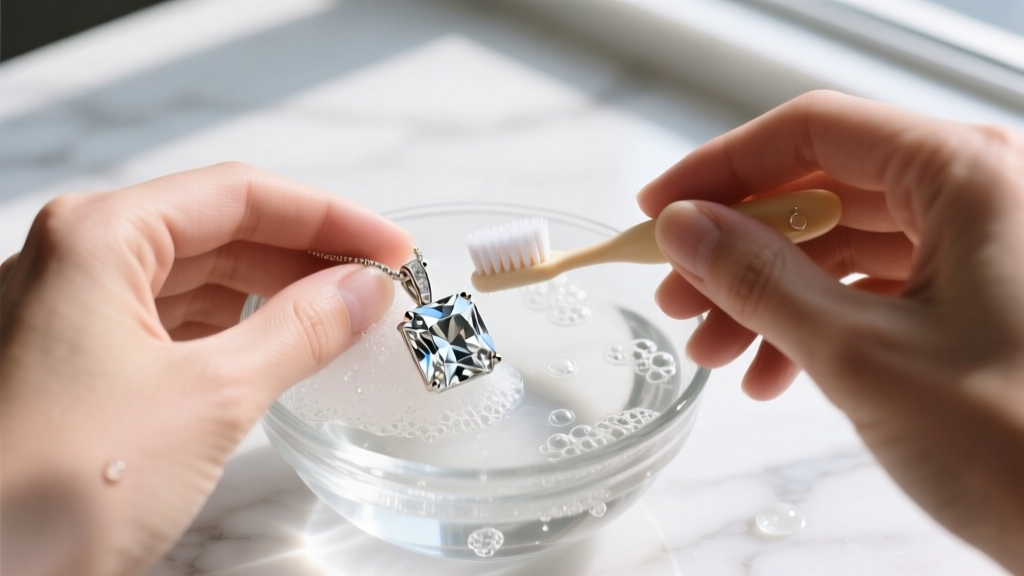
- Prepare the Solution: Mix lukewarm water with a single drop of mild, phosphate-free dish soap (such as Dawn) in a glass bowl. Avoid hot water, which can weaken the adhesives used in some costume jewelry settings.
- Soak Briefly: Submerge the necklace for no more than 3 to 5 minutes. Prolonged soaking can cause moisture to become trapped in the clasp mechanisms, leading to internal rust.
- Gently Agitate: Use a soft-bristled baby toothbrush to lightly sweep away dirt and body oils from the back of the pendant and the chain links. Do not scrub the surface of plated metals aggressively.
- Rinse and Dry: Rinse under a gentle stream of cool water. Immediately pat dry with a lint-free microfiber cloth. Never let the piece air dry, as water spots will permanently etch into the plating over time.
Untangling Fine Box and Cable Chains
Bryan Anthony necklaces frequently utilize fine box chains, which are notorious for knotting when stored improperly. Pulling at a knot will only tighten it and risk snapping the delicate links. Instead, use the lubrication method. Lay the tangled necklace flat on a hard, well-lit surface. Apply a single drop of baby oil or olive oil directly to the center of the knot. Using two sewing needles, gently work the links apart from the center outward. The oil reduces friction, allowing the microscopic links to slide past one another without bending. Once untangled, clean the oiled section using the soap protocol outlined above.
Long-Term Storage to Prevent Oxidation and Tarnish
Proper storage is the most critical factor in extending the life of your jewelry. Exposure to ambient humidity and airborne sulfur compounds accelerates tarnishing, particularly on sterling silver pieces. To combat this, abandon open jewelry boxes and velvet-lined trays.
Instead, store each Bryan Anthony necklace individually in an airtight, zip-top plastic bag. Before sealing the bag, include a small strip of 3M anti-tarnish paper or a piece of Pacific Silvercloth. These materials actively absorb sulfur and moisture from the trapped air, creating a micro-climate that preserves the metal's finish. Additionally, always fasten the lobster clasp before storage; an open clasp is the primary culprit behind severe chain tangling and accidental snags on other jewelry pieces. By following these meticulous care and styling protocols, your meaningful jewelry will remain a pristine, wearable reminder of your most cherished moments for years to come.


