How to Style a Cloud and Raindrop Necklace: Step-by-Step Guide
Learn how to style, layer, and care for a cloud and raindrop necklace. Our step-by-step guide covers chain gauges, neckline pairing, and pearl grading.

Introduction to the Whimsical Trend
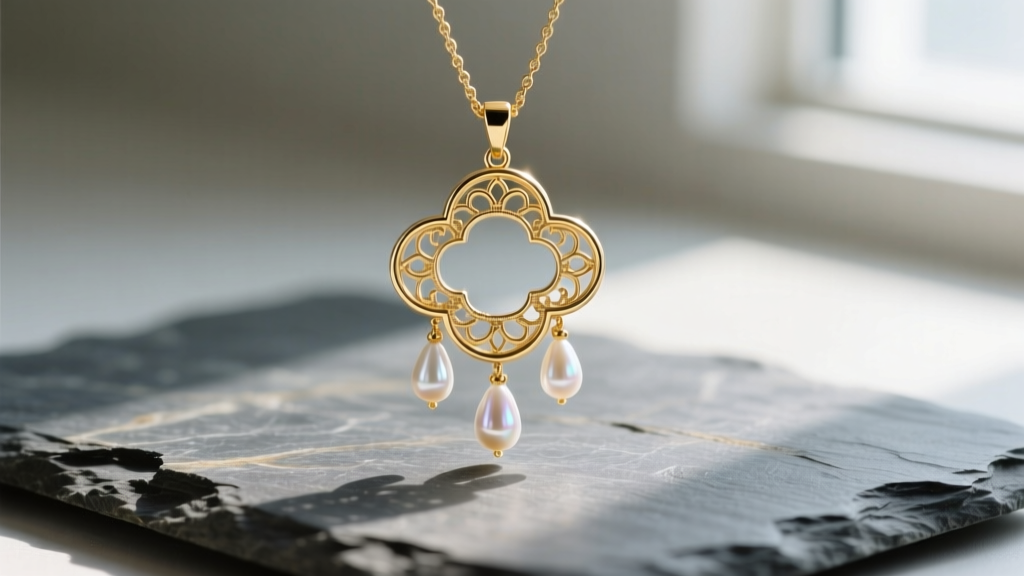
The cloud and raindrop necklace has evolved from a fleeting seasonal trend into a staple of whimsical, nature-inspired fine jewelry. Characterized by a horizontal cloud motif—often crafted from mother-of-pearl, white enamel, or diamond pavé—suspended above dangling teardrop elements, this piece captures a sense of ethereal movement. However, styling a necklace with kinetic, dangling components requires more effort than slipping on a standard solitaire pendant. The raindrops, typically made from 3mm to 5mm freshwater pearls or cubic zirconia, swing and catch the light, but they also introduce unique challenges regarding tangling, chain tension, and neckline compatibility.
In this comprehensive step-by-step guide, we will break down the exact mechanics of styling, layering, and maintaining a cloud and raindrop necklace. Whether you are working with a delicate 14k gold vermeil piece or a sterling silver statement design, mastering these technical details will ensure your jewelry remains pristine and perfectly balanced.
Step 1: Selecting the Right Chain Gauge and Material
The most common point of failure for any cloud and raindrop necklace is an inadequate chain. A standard cloud pendant measuring 15mm by 10mm, complete with three pearl raindrops, weighs approximately 3.5 to 5.5 grams. While this may seem light, the kinetic energy generated by the swinging raindrops places disproportionate stress on the chain links and the pendant bail.
Gauge and Link Structure
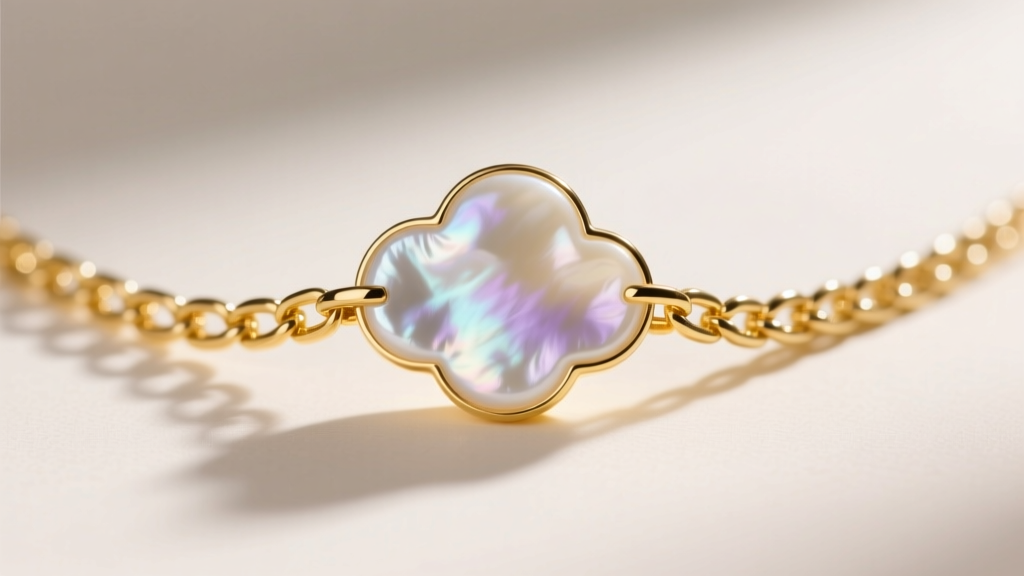
Avoid chains thinner than 0.8mm. For optimal support without visually overpowering the delicate cloud motif, select a 1.0mm to 1.2mm box chain or a 1.2mm cable chain. Box chains, constructed from interlocking square links, are highly resistant to twisting and kinking—a crucial feature when supporting dangling elements that move unpredictably. Cable chains offer a more traditional look but must be inspected regularly for link distortion.
Material Grades and Vermeil Standards
If you are purchasing gold-toned jewelry, understanding the plating thickness is vital for longevity. According to the Federal Trade Commission (FTC) Jewelry Guides, a piece can only be legally marketed as 'gold vermeil' if it consists of a sterling silver (925) base coated with a minimum of 2.5 microns of 10k or higher gold. Standard gold-plated chains often feature a mere 0.5 microns of gold, which will quickly wear away at the friction points near the clasp and bail, leading to tarnishing that can transfer to your porous pearl raindrops.
Step 2: Mastering the Layering Technique
Layering a cloud and raindrop necklace requires strict adherence to what jewelers call the 'Clearance Rule.' Because the raindrops extend 10mm to 15mm below the main cloud body, any secondary necklace layered too closely will become hopelessly entangled in the dangling pearls.
The Clearance Rule Framework
To prevent friction and tangling, the next closest necklace layer must be at least 2.5 to 3 inches shorter or longer than the lowest point of your raindrops. If your cloud pendant sits at 16 inches and the pearls drop to 17 inches, your accompanying chains should sit at 14 inches (a choker) or 20 inches (a matinee length).
| Layer Position | Recommended Length | Chain Style | Companion Piece Example |
|---|---|---|---|
| Layer 1 (Top) | 14 inches | 0.8mm Snake Chain | Simple gold signet or bezel-set diamond |
| Layer 2 (Focal) | 17 inches | 1.0mm Box Chain | Cloud and Raindrop Necklace |
| Layer 3 (Bottom) | 21 inches | 1.5mm Rolo Chain | Minimalist gold bar or lariat drop |
Step 3: Matching Necklines to Dangling Pendants
The architectural shape of the cloud and the vertical drop of the raindrops interact differently with various garment necklines. Choosing the right pairing prevents the pearls from snagging on fabric and ensures the pendant sits flush against the sternum.

- V-Necklines: The ideal canvas. The downward angle of a V-neck mimics the vertical trajectory of the raindrops, drawing the eye down and elongating the neck. Ensure the V-drop is slightly deeper than the necklace length so the pearls rest on bare skin rather than fabric.
- Sweetheart Necklines: Highly complementary. The curved horizon of the cloud motif echoes the rounded edges of a sweetheart bodice, creating a cohesive, romantic silhouette.
- Crewnecks and Turtlenecks: Proceed with caution. The tight, high fabric of a crewneck will catch on the dangling pearl raindrops, causing them to tangle and potentially scratching the pearls' delicate nacre against heavy cotton or wool fibers. If you must wear a crewneck, opt for a cloud pendant without dangling drops, or wear the necklace over a smooth, tightly woven silk blouse.
- Collared Shirts: For a modern, eclectic look, wear a 16-inch cloud and raindrop necklace unbuttoned beneath a crisp poplin shirt. The structured collar frames the whimsical pendant, creating a striking contrast between menswear tailoring and ethereal jewelry.
Step 4: Caring for Pearl and Enamel Raindrops
Maintenance is where most owners of nature-inspired jewelry fail. The materials commonly used for the cloud and raindrop elements require highly specific care protocols to avoid irreversible damage.
Understanding Material Vulnerabilities
According to the Gemological Institute of America (GIA), freshwater pearls rank at a mere 2.5 to 3.0 on the Mohs hardness scale. This makes them exceptionally soft and prone to scratching. Furthermore, pearls are organic and porous; they will absorb perfumes, lotions, and acidic sweat, which can degrade their luster and cause the nacre to yellow over time.
If your cloud motif is crafted from cold enamel, treat it like glass. While enamel is harder than pearl, it is brittle. A sharp impact against a marble countertop or a mirror can cause microscopic chipping along the edges of the cloud shape.
The Step-by-Step Cleaning Protocol
- Never use ultrasonic cleaners. The high-frequency vibrations will shatter the enamel cloud and strip the nacre from the pearl raindrops.
- Wipe after every wear. Use a dry, untreated microfiber cloth to gently buff the pearls and remove skin oils.
- Spot clean with distilled water. If the chain or pearls become visibly soiled, dampen a soft cloth with distilled water (never tap water, as the chlorine and minerals can damage the pearls) and wipe gently. Allow to air dry completely before storage.
- Store flat or on a bust. Never toss a cloud and raindrop necklace into a jewelry pouch. The metal chain will inevitably wrap around the delicate pearl drops, and pulling them apart can snap the chain or scratch the pearls. Store the piece flat in a lined drawer or draped over a velvet necklace bust.
Troubleshooting Common Wear Issues
Even with the perfect chain and neckline, kinetic pendants present a few daily annoyances. Here is how to solve the most frequent issues:
Clasp Migration
Because the front of the necklace is weighted by the cloud and the pearl raindrops, the clasp at the back of the neck will constantly slide forward, ending up under your chin. The Fix: Purchase a silicone necklace stay or a small, decorative counterweight charm to attach to the back of the chain, directly next to the clasp. This balances the center of gravity and keeps the clasp hidden at the nape of your neck.
Raindrop Tangling
If your necklace features multiple raindrops on separate jump rings, they may cross over one another and tangle. The Fix: Take the necklace to a professional jeweler and ask them to apply a microscopic drop of clear, jewelry-safe jeweler's epoxy to the jump rings where the raindrops attach to the cloud. This will lock the drops into a parallel alignment, allowing them to swing freely side-by-side without crossing over each other.
Expert Insight: When purchasing a cloud and raindrop necklace, always inspect the jump rings holding the raindrops. They should be soldered closed or feature a heavy-gauge split ring. Open, unsoldered jump rings will eventually pull apart under the swinging weight of the pearls, resulting in lost stones.
By understanding the structural demands of dangling elements, respecting the fragility of organic gemstones, and applying strategic layering mathematics, you can elevate the cloud and raindrop necklace from a simple accessory to a masterclass in personal styling.


