Mother of Pearl Heart Necklace: Material Properties & Care Guide
Discover the material properties of a mother of pearl heart necklace. Compare nacre durability, luster grades, and care tips against abalone and enamel.

The Anatomy of Nacre: What Makes Mother of Pearl Unique?
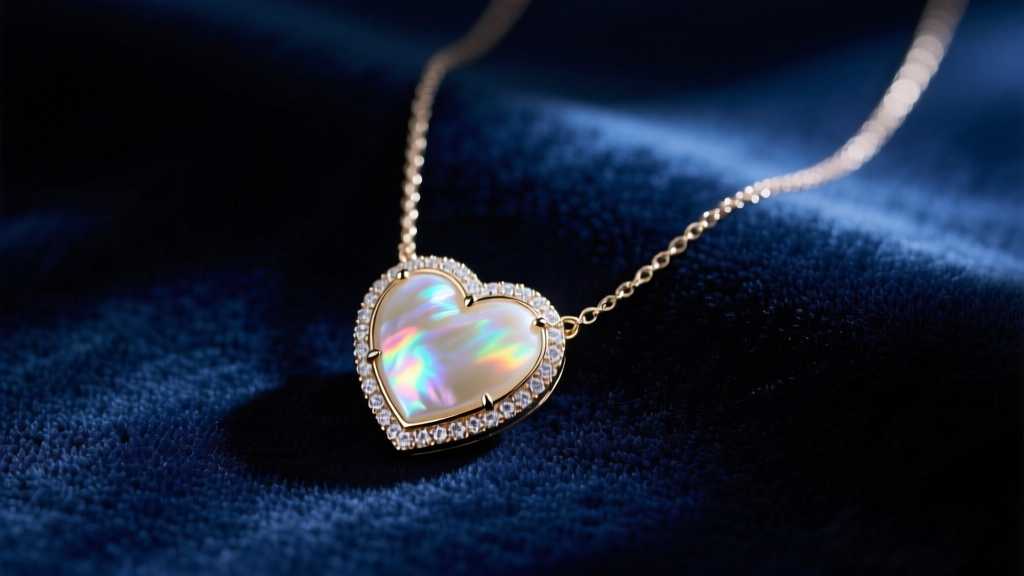
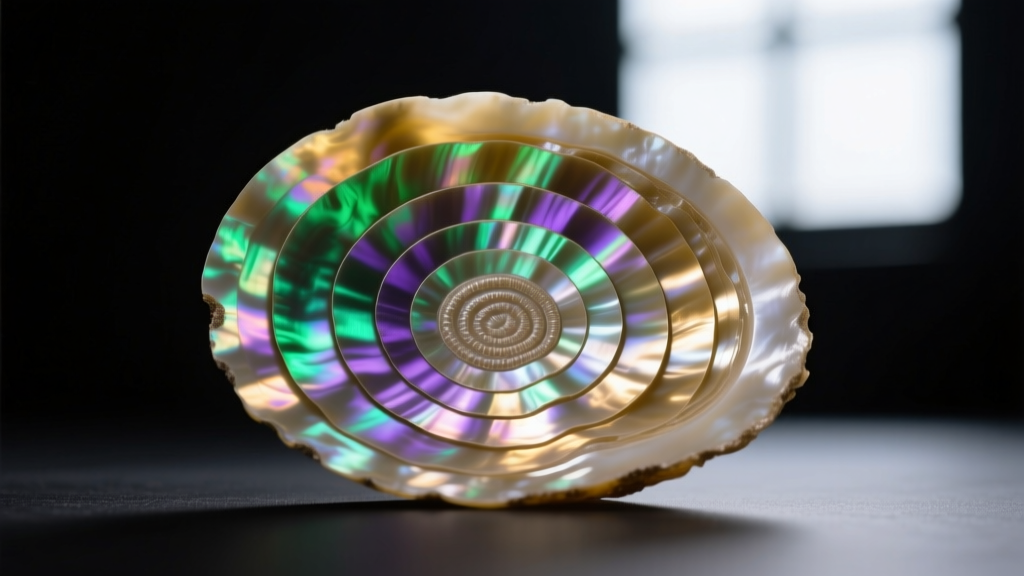
The enduring appeal of a mother of pearl heart necklace lies in its organic origins and mesmerizing iridescence. Unlike mined gemstones, mother of pearl (MOP) is a biological material. It is the iridescent inner layer of the shells of certain mollusks, primarily pearl oysters and abalone. Scientifically known as nacre, this material is a composite of microscopic hexagonal platelets of aragonite (a crystalline form of calcium carbonate) held together by an organic polymer called conchiolin. According to the Encyclopedia Britannica, it is this precise alternating layered structure that causes the diffraction of light, resulting in the signature milky, rainbow-like play-of-color that makes MOP heart pendants so highly sought after in 2026 jewelry markets.
From a structural standpoint, nacre is remarkably resilient against the ocean's pressure, yet it possesses distinct vulnerabilities when worn as jewelry. On the Mohs scale of mineral hardness, mother of pearl ranks between 2.5 and 4.5. This means it is significantly softer than diamonds (10), sapphires (9), or even quartz (7), making it highly susceptible to scratching from everyday dust and contact with harder metals.
Material Showdown: Mother of Pearl vs. Alternatives
When shopping for a heart-shaped pendant, consumers often encounter materials that mimic or compete with MOP. Understanding the physical properties of these alternatives is crucial for making an informed investment. Below is a comprehensive comparison matrix detailing how genuine mother of pearl stacks up against abalone, cold enamel, and synthetic resin.
| Property | Mother of Pearl (Nacre) | Abalone Shell | Cold Enamel / Resin | Freshwater Pearl (Solid) |
|---|---|---|---|---|
| Mohs Hardness | 2.5 - 4.5 | 2.5 - 4.0 | 2.0 - 3.0 (Resin) | 2.5 - 4.5 |
| Luster Type | Milky, soft iridescence | Vivid, high-contrast flashes | Static, glass-like shine | Deep, orient-rich glow |
| Vulnerability | Acids, heat, ultrasonic | Acids, extreme dryness | UV yellowing, scratching | Acids, dehydration |
| Avg. Price (14k Gold) | $350 - $800 | $400 - $900 | $150 - $300 | $600 - $1,500+ |
| Best Setting | Bezel or semi-bezel | Bezel (hides rough edges) | Prong or flush | Drilled / Pegged |
While abalone offers a more vibrant, almost neon-like color palette, mother of pearl provides a softer, more elegant pastel iridescence that pairs exceptionally well with romantic motifs like the heart shape. Enamel and resin, while durable against chipping, completely lack the microscopic light-diffraction properties of natural aragonite, rendering them flat in comparison.
Grading and Sourcing: Identifying Premium MOP
Not all mother of pearl heart necklaces are created equal. The quality of the nacre depends heavily on the mollusk species and the harvesting environment. The Gemological Institute of America (GIA) notes that the finest nacre is typically sourced from the Pinctada maxima (Silver and Gold-lipped oysters) and Pinctada margaritifera (Black-lipped oysters). When evaluating a MOP heart pendant, look for the following grading indicators:
- Thickness and Depth: High-quality MOP inlays or carvings should be at least 1.5mm to 2.0mm thick. Thin veneers (under 1mm) are prone to cracking, peeling, or revealing the dull shell base beneath.
- Surface Blemishes: Premium MOP should be free of visible chalky spots, deep pits, or 'sand holes.' Minor growth lines are acceptable and prove natural origin, but structural pitting compromises the stone.
- Color Consistency: White MOP should exhibit a clean, bright base with subtle pink or green overtones. Black MOP (often called Tahitian MOP) should display deep charcoal or peacock-green hues without muddy brown patches.
Setting Styles: Protecting the Nacre
The physical shape of a heart pendant presents unique challenges for gemstone setters. The 'cleft' (the top indentation) and the 'point' (the bottom tip) of a heart are structural weak points. When these points are carved from a relatively soft material like MOP, they are highly prone to chipping upon impact.
Why Bezel Settings Are Mandatory
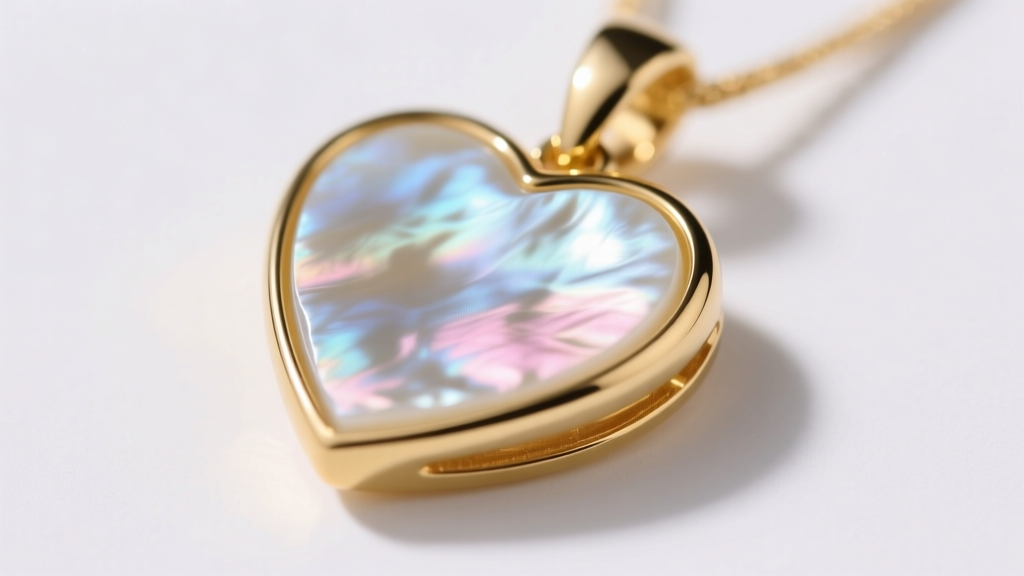
For a mother of pearl heart necklace, a full or semi-bezel setting is strongly recommended over traditional prong settings. A bezel setting involves a continuous rim of metal (such as 14k or 18k gold) that wraps around the entire perimeter of the MOP heart. This metal border acts as a shock absorber, protecting the fragile edges of the nacre from accidental bumps against desks, doorframes, or other jewelry. Prong settings leave the edges entirely exposed, drastically increasing the risk of edge-chipping and eventual material failure.
Longevity and Care: Preventing Nacre Degradation
Because nacre is an organic, calcium-based material, it is highly reactive to its environment. The most common failure mode for MOP jewelry is not physical breakage, but chemical degradation. Everyday cosmetics, perfumes, and even human sweat contain mild acids that can slowly dissolve the calcium carbonate in the aragonite platelets, leaving the MOP looking dull, chalky, and stripped of its iridescence.
Expert Care Protocol: Always follow the 'Last On, First Off' rule. Apply your perfumes, hairsprays, and lotions at least 15 minutes before putting on your mother of pearl heart necklace. Upon removal, gently wipe the nacre with a slightly damp, lint-free microfiber cloth to remove acidic skin oils before storing it in a soft pouch.
Furthermore, never subject a MOP necklace to ultrasonic cleaners or steam cleaners. The high-frequency vibrations of an ultrasonic bath can cause microscopic fractures within the conchiolin layers, leading to catastrophic delamination where the nacre literally flakes off in sheets. Similarly, avoid storing MOP in extremely dry environments (like a safety deposit box without a humidity source), as the organic conchiolin can dry out, causing the material to craze or crack.
Final Verdict: Is It Right for Everyday Wear?
A mother of pearl heart necklace is a masterclass in organic elegance, offering a unique play-of-color that synthetic materials simply cannot replicate. However, its Mohs hardness of 2.5-4.5 and sensitivity to acids mean it requires a mindful wearer. It is best suited for office environments, evening wear, and occasions where it won't be subjected to heavy physical labor or harsh chemicals. By prioritizing a thick cut of nacre, insisting on a protective bezel setting, and adhering to strict chemical avoidance, your MOP heart pendant will retain its luminous, milky iridescence for generations.


