Toggle Necklaces 2026: The T-Bar Clasp Trend Redefined
Discover the 2026 toggle necklaces trend. Learn how T-bar clasps evolved into statement pieces, plus expert styling, weight distribution, and material tips.

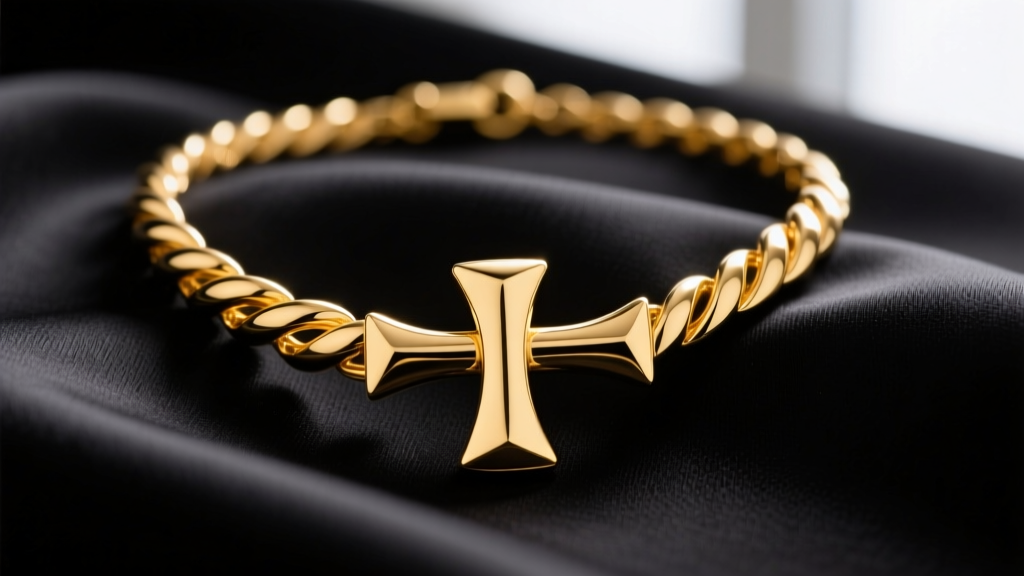
The Renaissance of the T-Bar: From Hardware to Centerpiece
For decades, the toggle clasp was relegated to the nape of the neck—a purely functional afterthought designed to keep a chain secured out of sight. However, as we navigate the jewelry landscape of 2026, toggle necklaces have completely inverted this traditional paradigm. Today, the T-bar and O-ring mechanism is no longer just a fastener; it is the focal point of avant-garde and minimalist designs alike. This shift represents a broader movement in jewelry design where mechanical components are celebrated rather than concealed.
The modern toggle necklace leverages negative space, asymmetrical draping, and exaggerated hardware proportions to create a striking visual anchor. Whether crafted from heavy 14k gold or matte-finished titanium, these pieces require a deep understanding of weight distribution and material science to function correctly. In this comprehensive style and trend analysis, we will deconstruct the anatomy of the modern toggle, explore the material grades defining this year's collections, and provide a rigorous framework for styling and troubleshooting these statement pieces.
The Physics of Drape: Anatomy and Weight Ratios
Unlike lobster clasps or spring rings that rely on internal tension springs, the toggle clasp operates on a simple principle of gravity and geometry. The T-bar passes through the O-ring (or D-ring) and rests horizontally, secured by the downward pull of the chain's weight. When analyzing high-end toggle necklaces, the ratio between the T-bar length and the inner diameter (ID) of the O-ring is the single most critical factor in preventing accidental unfastening.
The 1.5x Minimum Rule
Master jewelers adhere to a strict geometric rule: the T-bar must be at least 1.5 times the length of the O-ring's inner diameter. If a necklace features a 12mm ID O-ring, the T-bar must measure a minimum of 18mm. In 2026, designers are intentionally exaggerating this ratio for aesthetic tension, frequently pairing 8mm rings with elongated 25mm cylindrical bars. This not only guarantees security but also creates a striking, elongated silhouette when the clasp is worn at the front of the neck.
Furthermore, the thickness (gauge) of the wire used for the O-ring must withstand the shear force of the chain's weight. For chains exceeding 25 grams, the O-ring wire should be at least 2.0mm thick (approximately 12-gauge) to prevent the ring from warping into an oval shape, which would allow the T-bar to slip through.
2026 Trend Report: Front-and-Center Styling
The defining trend for toggle necklaces this year is the "asymmetrical anchor." Rather than centering the T-bar perfectly at the hollow of the throat, stylists are positioning the clasp slightly off-center, resting on the collarbone. This mimics the effortless, unstructured aesthetic that dominates current high-fashion editorials.
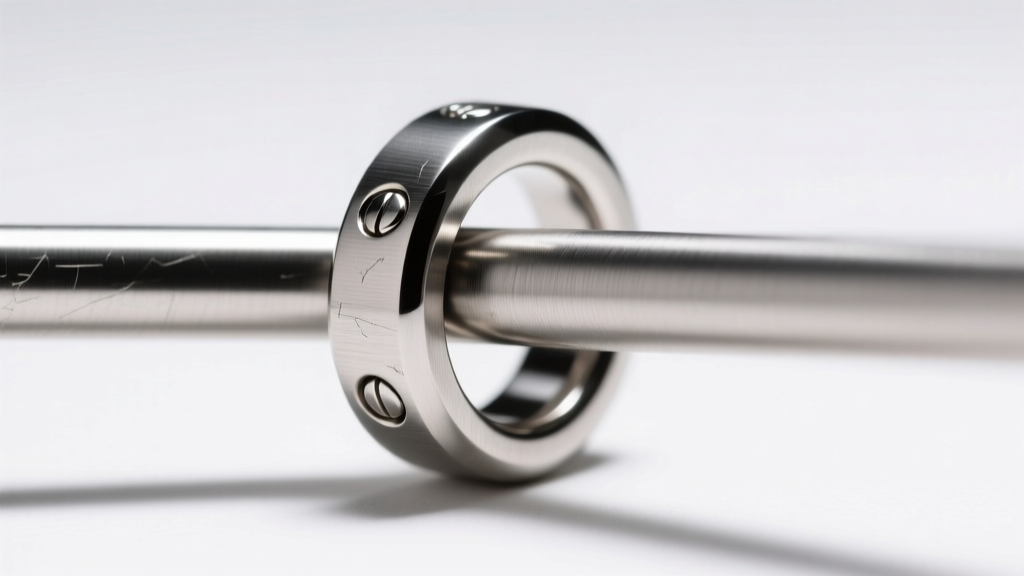
Material Grades: Beyond Standard Brass
Because the toggle mechanism endures repetitive friction at the insertion point, material hardness is paramount. Soft metals like pure 24k gold or high-karat alloys will quickly wear down, causing the T-bar to thin and eventually slip. According to the FTC Jewelry Guides, proper alloy stamping is essential for consumer transparency, and in 2026, we are seeing a distinct pivot toward highly durable alloys for these specific mechanisms:
- 316L Surgical Stainless Steel: Offering a Mohs hardness of around 5.5, this alloy is virtually immune to the friction wear that plagues softer metals. It is the material of choice for heavy, industrial-style toggle chains.
- 14k and 18k Solid Gold: While 18k (75% pure) offers a richer color, 14k (58.5% pure) remains the superior choice for the T-bar component itself due to its higher copper and silver content, which increases tensile strength.
- Grade 2 Titanium: For oversized, chunky toggle designs where weight is a concern, Grade 2 titanium provides an exceptional strength-to-weight ratio, allowing for massive 30mm T-bars that weigh less than 4 grams.
For a deeper understanding of how metal alloys impact jewelry longevity, the Gemological Institute of America (GIA) provides extensive research on metallurgical wear patterns in daily-use accessories.
Comparative Guide: Toggle vs. Lobster vs. Magnetic
To understand why the toggle clasp has surged in popularity, it is helpful to compare its functional and aesthetic metrics against traditional alternatives. Below is a structural comparison based on 2026 jewelry manufacturing standards.
| Clasp Type | Security Level | Aesthetic Versatility | Weight Limit (Max) | Primary Failure Mode |
|---|---|---|---|---|
| Toggle (T-Bar) | High (when weighted) | Exceptional (can be worn front) | 150g+ | Ring warping / Bar thinning |
| Lobster Claw | Very High | Low (hidden at nape) | 80g | Internal spring fatigue |
| Magnetic | Low to Medium | Medium (sleek profile) | 40g | Lateral shear detachment |
| Box with Safety | Very High | Low (hidden at nape) | 120g | Safety latch bending |
Styling Framework: Necklines and Drop Lengths
Styling a toggle necklace requires treating the clasp as a pendant. The drop length of the chain dictates where the T-bar will rest, which must be harmonized with the neckline of the garment.
The Layering Matrix
When layering toggle necklaces, the hardware will inevitably clink together if the lengths are too similar. To prevent metal-on-metal abrasion and visual clutter, apply the "4-Inch Rule." If your base toggle choker sits at 14 inches, the next chain in the stack must be at least 18 inches, preferably featuring a completely different clasp mechanism or a fixed pendant to anchor the weight.

Neckline Pairings
- The Deep V-Neck: Pair with a 20-inch to 24-inch (Matinee length) toggle necklace. The elongated T-bar will mimic the geometry of the V-neck, drawing the eye downward and elongating the torso. Use a heavy, tapered T-bar for maximum impact.
- The Crew Neck / Turtleneck: Opt for an 18-inch (Princess length) chain with an oversized, geometric O-ring. The hardware will rest flat against the fabric, acting as a modern, industrial brooch alternative.
- The Scoop Neck: A 16-inch choker-length toggle works beautifully here, provided the T-bar is positioned slightly off-center to break the symmetry of the rounded neckline.
Troubleshooting Toggle Clasp Failures
Even the most meticulously crafted toggle necklaces can suffer from functional issues if the physics of the drape are ignored. Here are the most common failure modes and their professional solutions:
The Pendulum Effect (Clasp Migration)
The Problem: If you wear a toggle necklace with a heavy pendant at the front, the weight of the pendant will drag the chain downward. This causes the lighter T-bar at the back of the neck to slide forward, eventually resting on your collarbone or, worse, slipping through the ring entirely.
The Solution: You must introduce a counterweight. Jewelers often add a small, dense bead (such as tungsten or solid gold) directly opposite the pendant, near the back of the neck. Alternatively, look for designs that feature a "station" chain, where heavier links are distributed evenly to anchor the back of the necklace.
The Slipping Bar
The Problem: The T-bar pulls through the O-ring when the wearer leans forward. This usually happens with lightweight chains where there isn't enough downward tension to keep the bar seated horizontally.
The Solution: If replacing the chain isn't an option, a jeweler can apply a microscopic bead of clear, jewelry-grade UV resin to the ends of the T-bar, increasing its effective diameter by 1-2mm. For a non-permanent fix, tiny transparent silicone O-ring bumpers can be slipped onto the ends of the T-bar to act as physical stoppers.
Final Verdict on the T-Bar Renaissance
The evolution of toggle necklaces from hidden hardware to avant-garde centerpieces is one of the most exciting functional shifts in modern jewelry design. By understanding the critical ratios of the T-bar and O-ring, selecting appropriate material grades like 316L steel or 14k gold, and applying strategic styling frameworks, you can master this trend with confidence. As 2026 continues to champion mechanical aesthetics and unstructured elegance, the toggle necklace stands out as a perfect synthesis of engineering and art.


