A Beginner's Guide to Buying a Sapphire Station Necklace
Discover everything you need to know before buying a sapphire station necklace. Learn about gemstone quality, chain types, and styling tips.

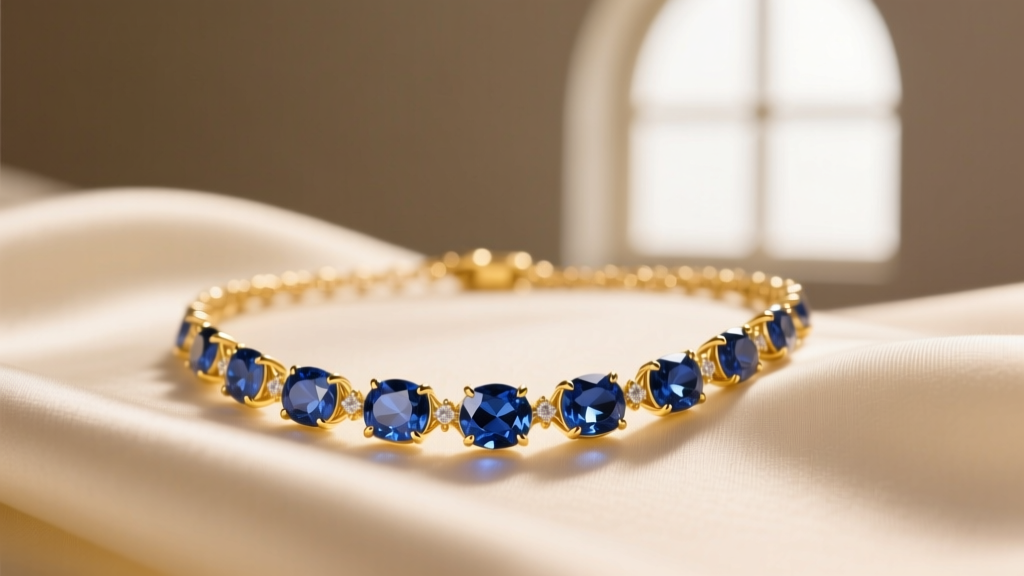
Stepping into the world of fine jewelry can feel overwhelming, especially when navigating the vast array of chain styles and gemstone settings. If you are looking for a piece that bridges the gap between everyday versatility and striking elegance, a sapphire station necklace is an exceptional choice. Unlike traditional pendants that hang from a single point, station necklaces distribute gemstones evenly along the chain, creating a continuous halo of color and light. In this beginner-friendly explainer, we will break down exactly what to look for when purchasing your first sapphire station necklace, from gemstone grading and chain mechanics to real-world pricing and styling frameworks.
What Exactly Is a Sapphire Station Necklace?
A station necklace features small gemstones—referred to as 'stations'—set at regular intervals along a metal chain. While some designs wrap the entire neck with stones, the most popular and practical iteration for beginners places the stations only along the front half of the necklace. This ensures the sapphires remain visible regardless of how the chain shifts during wear, while keeping the back of the neck comfortable and free from bulky settings.
Sapphires are an ideal candidate for this design. Ranking at a 9 on the Mohs hardness scale, they offer exceptional durability for everyday wear, second only to diamonds. Because station necklaces are subject to more movement and friction against clothing than a fixed pendant, the sapphire's natural toughness prevents scratching and chipping over time.
Decoding Sapphire Quality: A Beginner's Cheat Sheet
When shopping for a sapphire station necklace, you will not typically find the exhaustive grading reports associated with large center-stone engagement rings. Instead, jewelers rely on visual matching and overall batch quality. Here is what you need to know to ensure you are getting your money's worth.
Color and Tone
Color is the single most important value factor for sapphires. According to the Gemological Institute of America (GIA), the most prized blue sapphires possess a velvety, medium-to-medium-dark tone. In station necklaces, look for 'cornflower blue' or 'royal blue' designations. Avoid stones that appear blackish (too dark) or washed-out gray (too light), as these will fail to catch the light when laid flat against the collarbone.
Natural vs. Lab-Created Sapphires
As we navigate the 2026 fine jewelry market, lab-created sapphires have become virtually indistinguishable from their mined counterparts to the naked eye. They share the exact same chemical composition (aluminum oxide) and physical properties.
- Natural Sapphires: Mined from the earth, often featuring microscopic inclusions that prove their origin. They carry a higher price premium and appeal to collectors and traditionalists.
- Lab-Created Sapphires: Grown in controlled environments, resulting in flawless clarity and highly saturated, uniform color. They are the superior choice for budget-conscious buyers who want maximum visual impact without compromising on durability.
Chain Mechanics and Setting Styles
The chain is the structural backbone of your necklace. Because the chain must support the weight of multiple gemstones while remaining flexible, the gauge (thickness) and link style are critical. Most high-quality station necklaces utilize chains between 0.9mm and 1.2mm in thickness. Anything thinner risks snapping under the tension of the settings; anything thicker will overpower the delicate nature of the stones.
Bezel vs. Prong Settings
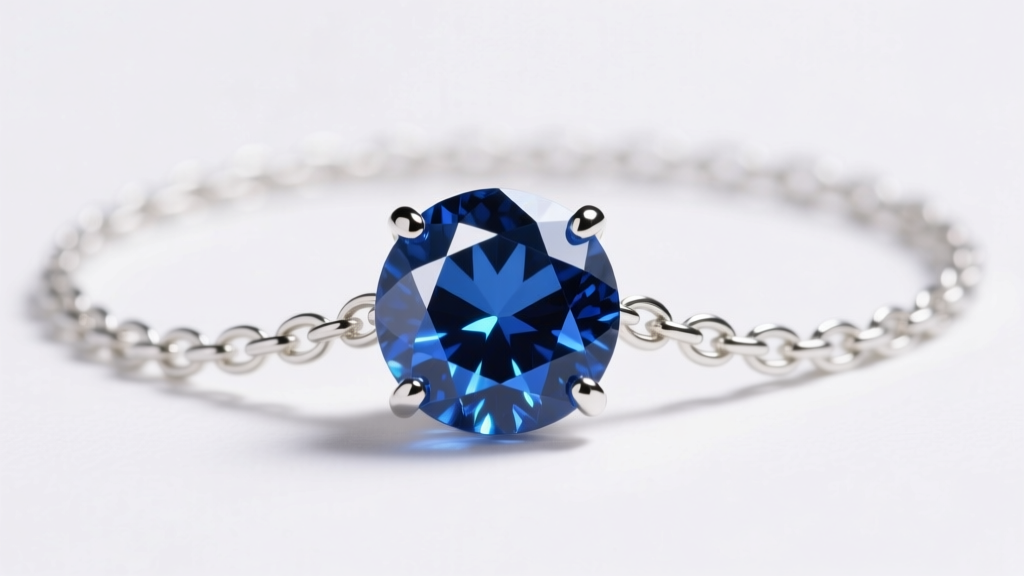
How the sapphire is held in place dictates both the security and the aesthetic of the necklace. Bezel settings, where a thin rim of metal completely encircles the gemstone, are highly recommended for station necklaces. They provide a smooth profile that will not snag on hair or knitwear. Prong settings allow more light to enter the stone, increasing brilliance, but the tiny metal claws can catch on fabrics over time.
| Chain Type | Average Gauge | Durability | Best For |
|---|---|---|---|
| Cable Chain | 0.9mm - 1.1mm | Moderate | Classic, minimalist station designs |
| Box Chain | 1.0mm - 1.2mm | High | Heavier stations, maximum security |
| Rope Chain | 1.2mm - 1.5mm | Very High | Vintage-inspired, textured looks |
Pricing Framework: What Should You Expect to Pay?
Pricing for a sapphire station necklace varies wildly based on the metal purity, the origin of the sapphires, and the total carat weight. A standard 16-inch necklace typically features between 5 and 7 stations, with a total gemstone weight ranging from 0.50 to 1.50 carats. Here is a realistic breakdown of what you can expect to spend in the current market:
Entry-Level ($150 - $400)
At this tier, you will find sterling silver or 10k gold chains paired with lab-created sapphires. The stones will likely be smaller (around 0.05 carats each) and may feature simpler prong settings. This is an excellent entry point for testing the style before committing to fine jewelry metals.
Mid-Tier ($500 - $1,200)
This is the sweet spot for most buyers. You can expect solid 14k yellow, white, or rose gold chains featuring high-quality lab-created or smaller natural sapphires (0.10 to 0.15 carats each). The craftsmanship will be superior, featuring secure bezel settings and sturdy lobster clasps.
Luxury & Fine ($1,500 - $3,500+)
Luxury pieces feature 18k gold or platinum chains adorned with premium, naturally mined sapphires. The color matching will be impeccable, and the total carat weight will often exceed 1.50 carats. These pieces are usually sourced from specialized boutique jewelers and come with certificates of authenticity.
Styling and Layering Your Station Necklace
The beauty of the sapphire station necklace lies in its layering potential. Because the chain is largely bare between the stones, it creates negative space that pairs beautifully with other necklaces. Here is a foolproof framework for building a layered stack:
The 2-Inch Rule: When layering, ensure there is at least a 2-inch difference in length between each necklace to prevent tangling and allow each piece to stand out. Pair a 16-inch sapphire station necklace with a 14-inch solid gold choker and an 18-inch simple pendant chain.
For necklines, station necklaces shine brightest against crew necks, boat necks, and open button-down shirts. The horizontal line of the stations beautifully mirrors and accentuates the collarbone. Avoid wearing them with heavily patterned tops or intricate lace, as the small stations can get visually lost in the noise of the fabric.

Care and Maintenance for Longevity
While sapphires are incredibly hard, the metal settings and the chain itself require mindful maintenance. The Jewelers of America recommends regular, gentle cleaning to maintain the brilliance of your jewelry.
What to Avoid
Never use ultrasonic cleaners on fracture-filled or heavily included natural sapphires, as the high-frequency vibrations can cause the stones to shatter. While lab-created sapphires are generally safe in ultrasonics, it is always safer to stick to manual cleaning to protect the delicate chain links from warping.
The Safe Cleaning Method
- Mix a few drops of mild, phosphate-free dish soap into a bowl of lukewarm water.
- Submerge the necklace for 5 to 10 minutes to loosen body oils and lotion residue.
- Gently brush the sapphire stations with a soft-bristled baby toothbrush, paying attention to the back of the settings where dirt accumulates.
- Rinse thoroughly under lukewarm running water (ensure the drain is closed!).
- Pat dry with a lint-free microfiber cloth before storing it flat or hanging it to prevent chain kinks.
Final Thoughts for the First-Time Buyer
Investing in a sapphire station necklace is a masterclass in versatile styling. By prioritizing a durable chain gauge, opting for secure bezel settings, and understanding the visual differences between natural and lab-grown stones, you can confidently select a piece that will anchor your jewelry collection for decades. Whether you choose a delicate 14k gold chain with subtle cornflower blue accents or a bold platinum piece featuring deep royal blue stations, you are choosing a timeless design that effortlessly adapts to both casual mornings and formal evenings.


