How to Clean and Maintain an Angelic Necklace Pendant
Learn expert cleaning and maintenance tips for your angelic necklace. Discover safe methods for silver filigree, pearls, and delicate gemstones.

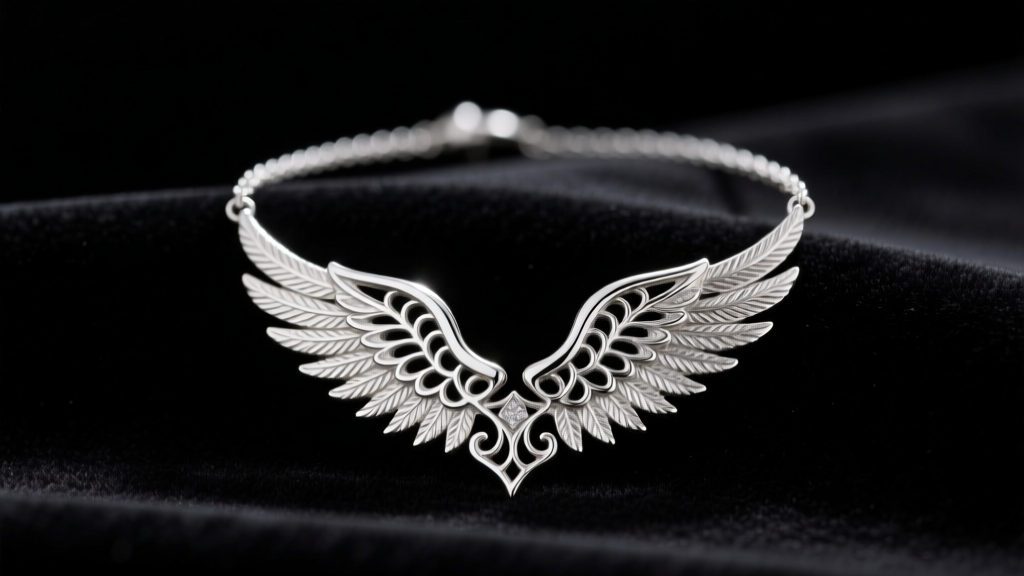
An angelic necklace—characterized by intricate wing motifs, halo designs, cherub pendants, and ethereal gemstones like moonstone, opal, or pearl—is more than just a fashion accessory. These pieces are often sentimental artifacts, gifted to mark milestones, offer protection, or symbolize spiritual connections. However, the very details that make an angelic necklace captivating—the delicate filigree, the milgrain edges, and the soft, porous gemstones—also make them highly susceptible to damage, tarnish, and structural degradation if not cared for properly.
As a jewelry care specialist, I frequently see ethereal and celestial-themed pendants ruined by aggressive commercial cleaners or improper storage. This comprehensive guide will walk you through the exact metallurgical and gemological protocols required to clean, maintain, and preserve your angelic necklace for decades to come.
The Anatomy of Ethereal Jewelry: Materials and Vulnerabilities
Before applying any cleaning solution, you must identify the exact materials of your angelic necklace. The ethereal aesthetic is typically achieved using specific metals and gemstones, each with unique chemical vulnerabilities.
925 Sterling Silver and Oxidized Accents
Sterling silver (92.5% pure silver, 7.5% copper) is the most common metal for angel wing and halo pendants due to its bright, moon-like luster. However, the copper content makes it highly reactive to sulfur compounds in the air and human sweat, resulting in silver sulfide (tarnish). Furthermore, many angelic designs feature intentionally oxidized (blackened) recesses to make the intricate feather or halo details pop. Aggressive polishing will strip this deliberate patina, leaving the piece looking flat and overly bright.
Gold Vermeil and Plated Finishes
For a warmer, heavenly glow, designers often use gold vermeil. By federal standards, vermeil must consist of a sterling silver base plated with at least 2.5 microns of 10k, 14k, or 18k gold. Unlike solid gold, vermeil requires a gentle touch; abrasive polishing cloths will wear through the microscopic gold layer, exposing the silver beneath.
Ethereal Gemstones: Moonstone, Pearl, and Opal
To evoke a celestial or angelic aura, jewelers frequently set cabochon moonstones, freshwater pearls, or opals into the pendant. According to the Gemological Institute of America (GIA), pearls are organic gems with a Mohs hardness of just 2.5 to 4.5, making them incredibly soft. Moonstones (Mohs 6-6.5) possess internal cleavage planes that make them prone to fracturing under sudden temperature changes or ultrasonic vibrations.
Common Failure Modes in Angelic Motifs
Understanding how your necklace fails is the first step in preventing it. Angelic pendants suffer from three primary failure modes:
- Sebum and Cosmetic Trapping: The intricate feather layering of an angel wing or the latticework of a halo acts as a net for skin oils (sebum), lotions, and perfume. This buildup creates a dull, grayish film that blocks light from entering gemstones.
- Prong Snagging and Loosening: Delicate prongs holding a cabochon moonstone or a pearl cup can easily catch on wool, silk, or lace. Over time, this micro-tension bends the prongs outward, risking stone loss.
- Nacre Degradation: Human sweat is mildly acidic (pH 4.5 to 7.0). When an angelic necklace featuring pearls is worn against the skin during high-exertion activities, the acid slowly dissolves the nacre, leading to a chalky, irreversible loss of luster.
Step-by-Step Cleaning Protocols by Material
Discard harsh commercial silver dips and ultrasonic machines. Follow these precise, jeweler-approved cleaning methods based on your necklace's composition.
Protocol A: Sterling Silver with Intricate Filigree (No Gemstones)
- Prepare the Bath: Mix 1 part phosphate-free, mild dish soap (such as Dawn) with 10 parts lukewarm distilled water in a glass bowl. Avoid tap water, as chlorine and fluoride can cause spotting.
- Soak Briefly: Submerge the silver angel pendant for exactly 3 to 5 minutes to loosen sebum and cosmetic buildup.
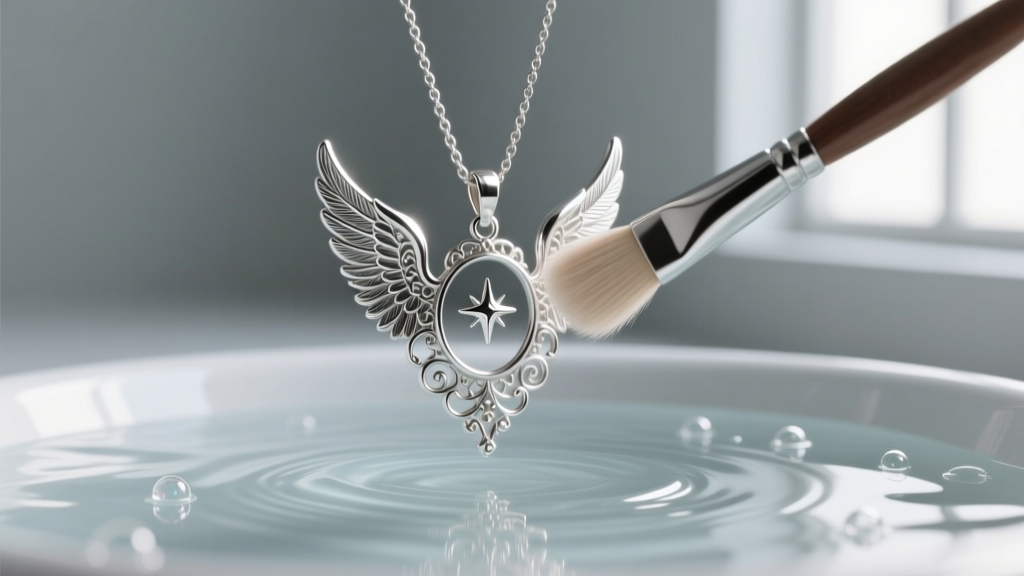
- Agitate Gently: Use a 0.1mm soft-bristle brush (a clean, unused makeup blending brush or a baby toothbrush works perfectly). Brush gently along the grain of the silver feathers or halo ridges. Do not scrub the oxidized recesses.
- Rinse and Dry: Rinse under a gentle stream of distilled water. Pat dry with a lint-free microfiber cloth, then use a hair dryer on the 'cool' setting to blow moisture out of the microscopic crevices.
Protocol B: Gold Vermeil Angelic Pendants
Never soak gold vermeil. Instead, dampen a microfiber cloth in the soapy solution mentioned above, wring it out until it is barely moist, and gently wipe the surface of the pendant. Follow up with a dry cloth. This preserves the 2.5-micron gold layer while removing surface oils.
Protocol C: Pendants Featuring Pearls or Moonstones
The GIA recommends strict avoidance of ultrasonic cleaners for moonstones, as the cavitation bubbles can cause internal fracturing. For pearls and moonstones, use the 'Damp Wipe Only' method. Take a soft, lint-free cloth lightly moistened with pure distilled water and gently wipe the gemstone. Never submerge a pearl in water, as the moisture can degrade the silk thread or the adhesive used in the pearl cup setting.
The Cleaning Matrix: What to Use and What to Avoid
Refer to this quick-reference table to ensure you never accidentally destroy your ethereal jewelry.
| Cleaning Method | Sterling Silver (Plain) | Gold Vermeil | Pearl / Moonstone |
|---|---|---|---|
| Mild Soap & Soft Brush | Safe & Recommended | Use Caution (Wipe Only) | Avoid (Wipe Only) |
| Ultrasonic Cleaner | Safe (Unless Oxidized) | Dangerous (Strips Gold) | Dangerous (Fractures Stone) |
| Steam Cleaner | Safe | Dangerous | Dangerous (Thermal Shock) |
| Chemical Silver Dip | Safe (Ruins Patina) | Dangerous | Dangerous (Dissolves Nacre) |
| Baking Soda Paste | Avoid (Micro-scratches) | Avoid | Avoid |
Strategic Storage for Delicate Pendants
How you store your angelic necklace when it is not adorning your neckline is just as critical as how you clean it. Exposure to ambient humidity and airborne sulfur is the primary catalyst for tarnish.
Never toss an intricate angel wing pendant into a communal jewelry box. The friction from heavier chains and harder gemstones (like diamonds or sapphires) will easily scratch the soft silver feathers or chip a delicate moonstone cabochon.
The Ideal Storage Environment:
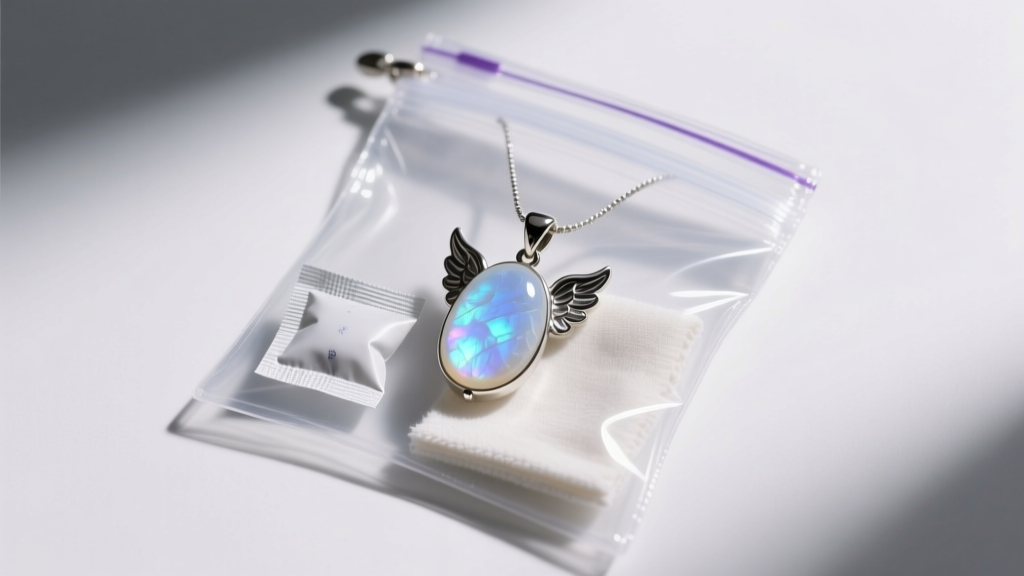
- Anti-Tarnish Pouches: Store the necklace in a treated anti-tarnish ziplock pouch (such as those made by 3M or Connoisseurs). These pouches contain copper particles that neutralize sulfur gases before they reach your silver.
- Humidity Control: Drop a small, jewelry-safe silica gel packet into the pouch or drawer to keep the relative humidity below 50%. High humidity accelerates the electrochemical reaction that causes tarnish.
- Hang or Lay Flat: If the angelic necklace features a delicate chain (like a 0.9mm cable or box chain), hang it from a padded hook or lay it perfectly flat. Coiling it tightly can cause permanent kinking in the metal links.
When to Seek Professional Jeweler Maintenance
While at-home care handles daily grime and light tarnish, certain maintenance tasks require the tools and expertise of a professional bench jeweler. You should schedule a professional inspection for your angelic necklace every 12 to 18 months.
Prong Retipping and Stone Tightening
If your pendant features a bezel or prong-set moonstone, a jeweler will use a microscope to check for metal fatigue. They can gently push the bezel wall back against the stone or add a microscopic bead of gold or silver (retipping) to a worn prong before the stone falls out and is lost forever.
Rhodium Plating for White Gold
If your angelic necklace is crafted from white gold, it is likely plated with rhodium to achieve a brilliant, icy white finish. Over time, friction against the skin and clothing wears this plating away, revealing the slightly yellowish undertone of the white gold alloy. A jeweler can electroplate a fresh layer of rhodium, restoring the pendant's heavenly, bright white luster.
Heavy Tarnish and Patina Restoration
If your silver angel pendant has been neglected and is covered in thick, black silver sulfide, do not attempt to scrub it off at home. A jeweler can use a magnetic tumbler or specialized polishing wheels to remove the heavy tarnish without rounding off the sharp, intricate edges of the wing feathers. If the piece originally featured oxidized details, the jeweler can re-apply a liver of sulfur solution to restore the dramatic contrast between the dark recesses and the polished high points.
By treating your angelic necklace with the respect its delicate craftsmanship demands, you ensure that its ethereal beauty and sentimental value remain intact, ready to be passed down as a cherished heirloom for the next generation.


