The 28 Inch Necklace: 2026 Budget & Value Guide
Discover the true cost of a 28 inch necklace in 2026. We break down metal weights, chain styles, and budget tips for opera-length jewelry value.

The Economics of Length: Why 28 Inches Costs More
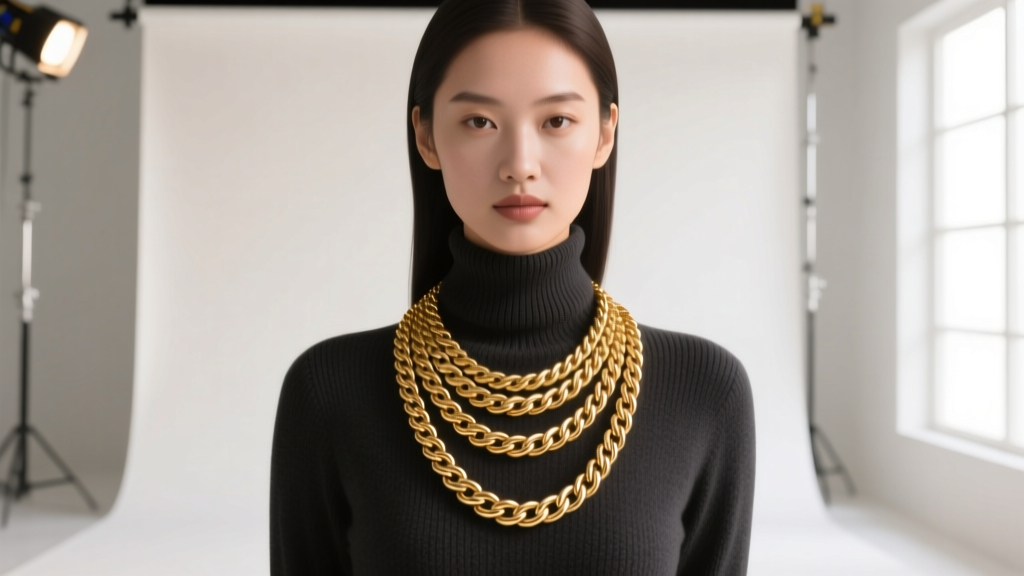
When navigating the jewelry market, the 28 inch necklace occupies a unique tier. Falling squarely into the 'opera' length category, a 28-inch chain typically rests below the bust or at the top of the ribcage. While this length offers unparalleled elegance and layering versatility, it introduces a distinct budgetary challenge: the sheer volume of raw material required. A standard 18-inch princess chain might require 2.5 grams of metal for a delicate 1.5mm cable link. Stretch that same design to 28 inches, and you are suddenly looking at nearly 3.9 grams of metal. When dealing with precious metals like gold or platinum, that 56% increase in material directly inflates the base cost before any craftsmanship premiums are applied.
For budget-conscious buyers in 2026, understanding the economics of length is the first step toward making a sound investment. You are not just paying for a design; you are paying for weight, structural integrity, and the physics of how a long chain behaves on the body. According to the Jewelers of America consumer buying guidelines, evaluating the price-per-gram of longer chains is the most reliable way to spot inflated retail markups versus fair market value.
Material Breakdown: Where Your Budget Actually Goes
Because a 28 inch necklace uses significantly more metal, the choice of material dictates your budget more aggressively than it would for a pair of earrings or a choker. Below is a comparative assessment of common materials used for opera-length chains, factoring in 2026 precious metal markets and manufacturing realities.
| Material | Specific Grade | Est. Weight (2mm Chain) | 2026 Fair Price Range | Value Assessment |
|---|---|---|---|---|
| Brass / Bronze | Base Alloy | ~12.0 grams | $25 - $60 | Poor long-term value; prone to rapid oxidation and skin discoloration at the nape. |
| Sterling Silver | 925 Solid | ~11.5 grams | $120 - $280 | Excellent value; durable, easily polished, and holds intrinsic melt value. |
| Gold Vermeil | 925 Base + 2.5μm 14k Gold | ~11.5 grams | $180 - $350 | Moderate value; the 28-inch swing causes high friction at the neck, wearing off plating faster. |
| Solid Gold | 14k (585) or 18k (750) | ~14.0 grams | $950 - $2,400+ | Highest value; indestructible, hypoallergenic, and tracks with live precious metal spot pricing. |
If your budget is under $150, solid sterling silver is the undisputed champion for a 28 inch necklace. Avoid gold-plated brass at this length; the extended surface area means more plating will inevitably wear off, leaving you with a tarnished chain that cannot be easily restored.
The 'Hollow Chain' Trap: A Budget Buyer's Warning
To make 28 inch gold necklaces affordable, many mass-market jewelers utilize hollow chain manufacturing techniques, such as electroforming. This process creates a thin outer shell of 14k gold over a resin or base-metal core, resulting in a chain that looks thick and heavy but weighs a fraction of a solid piece. While a hollow 4mm figaro chain might cost $400 instead of $2,500, it is a catastrophic failure point for long necklaces.
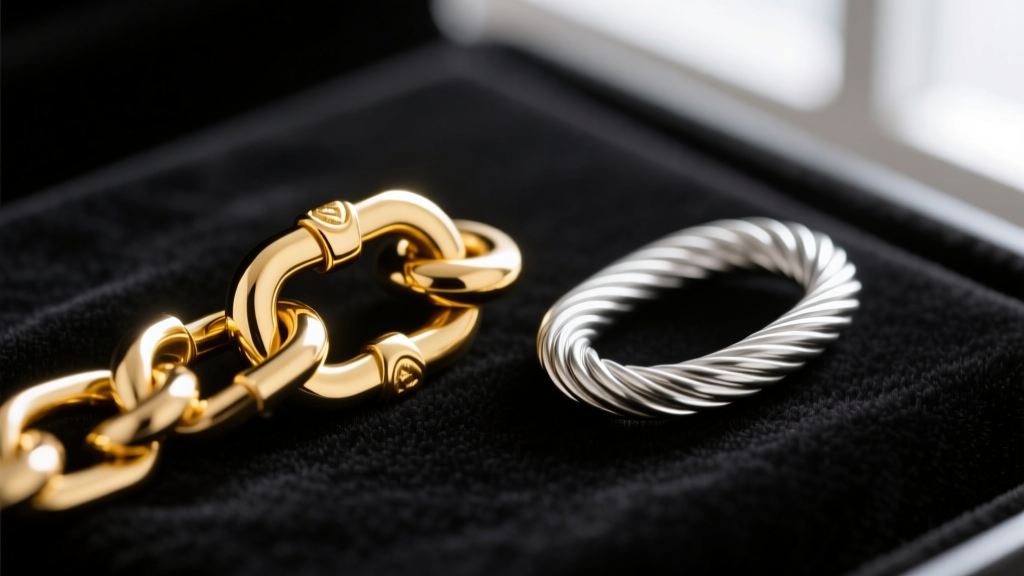
A 28 inch necklace acts as a pendulum. As you move, the chain swings, catches on clothing, and experiences dynamic tension. Hollow links lack the internal structural support to withstand this lateral force. Once a hollow link is crushed or dented, it cannot be repaired by a jeweler; the entire section must be cut out, shortening your expensive opera chain into a standard matinee length. When assessing value, always check the gram weight. If a 28-inch, 3mm gold chain weighs less than 6 grams, it is hollow or heavily alloyed, and you should pass on the purchase.
Clasp Mechanics and Failure Points
The longer the chain, the more stress is placed on the clasp. A 28 inch necklace has a massive 'drop zone' that easily snags on doorknobs, steering wheels, and the edges of desks. When a snag occurs, the sudden deceleration transfers all the kinetic energy directly to the clasp mechanism.
- Spring Ring Clasps: The small, circular clasps with a tiny internal spring are entirely inadequate for 28 inch chains. The dynamic tension of a swinging opera chain can easily exceed the 1-2 lbs of holding force a standard 5mm spring ring provides, leading to sudden drops and lost pendants.
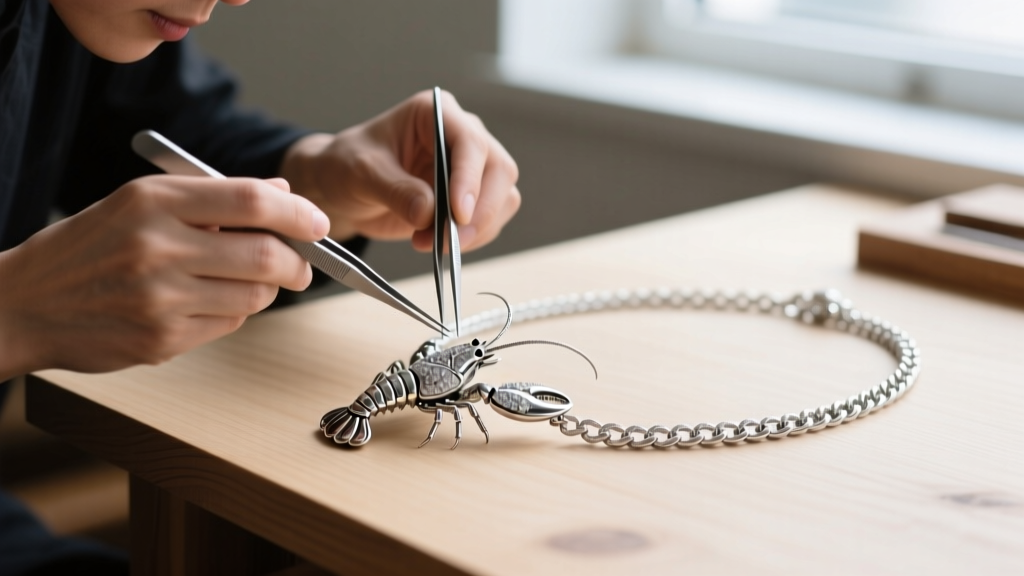
- Lobster Clasps: A heavy-duty lobster clasp (minimum 10mm in length) is the baseline requirement for a 28 inch necklace. The solid lever mechanism provides superior resistance to lateral pulling.
- Magnetic Neodymium Clasps: For heavy 28 inch chains that are difficult to fasten behind the neck, magnetic clasps offer excellent security, provided they feature a secondary silicone safety catch to prevent sliding failures.
For a deeper dive into metal integrity and clasp soldering standards, the GIA's guide to gold alloys and hallmarks provides essential context on how different karat weights respond to the heat required to securely solder heavy lobster clasps without melting the adjacent links.
Layering ROI: Maximizing the 28-Inch Investment
From a pure value perspective, the 28 inch necklace offers a hidden 'Return on Investment' that shorter chains cannot match: the ability to be doubled. By utilizing a simple silicone clasp converter or a specialized metal doubling ring, you can loop the 28 inch chain back onto itself. This instantly transforms your single opera-length piece into a layered look featuring a 14-inch choker and a 14-inch pendant drop, or a chunky 14-inch multi-strand collar. This versatility effectively gives you two distinct jewelry profiles for the price of one, vastly improving the cost-per-wear ratio of your investment.
2026 Pricing Benchmarks: What You Should Actually Pay
To ensure you are not overpaying, use these 2026 benchmark ranges for a standard, solid-link 28 inch necklace (approx. 2mm to 2.5mm width):
- 925 Sterling Silver Cable Chain: $110 - $160 (Retail markup should not exceed 3x the melt value).
- 14k Solid Gold Box Chain: $850 - $1,200 (Dependent on daily spot gold prices; expect a 15-20% premium for the box link complexity).
- 18k Solid Gold Rope Chain: $1,800 - $2,800 (Rope chains require intense labor to twist and solder, justifying a higher craftsmanship premium).
- Premium Designer Markups: Expect to pay an additional 200% to 400% for luxury fashion houses. If you are buying for material value rather than brand prestige, stick to specialized chain manufacturers or local bench jewelers.
Final Verdict: Is the Opera Length Worth the Premium?
Budgeting for a 28 inch necklace requires a shift in mindset. You are purchasing a statement piece that demands high-quality metallurgy and robust hardware to survive daily wear. Avoid the temptation of hollow gold and fragile spring-ring clasps. By focusing on solid 925 silver or carefully weighed 14k gold, and by leveraging the chain's ability to be doubled for layered styling, the 28 inch opera necklace proves to be one of the most versatile and value-dense investments in modern jewelry.


