How to Choose a 3 Heart Necklace Gold Pendant: A Guide
Discover how to choose, style, and care for a 3 heart necklace gold pendant. Learn about gold karats, chain pairings, and interlocking designs.

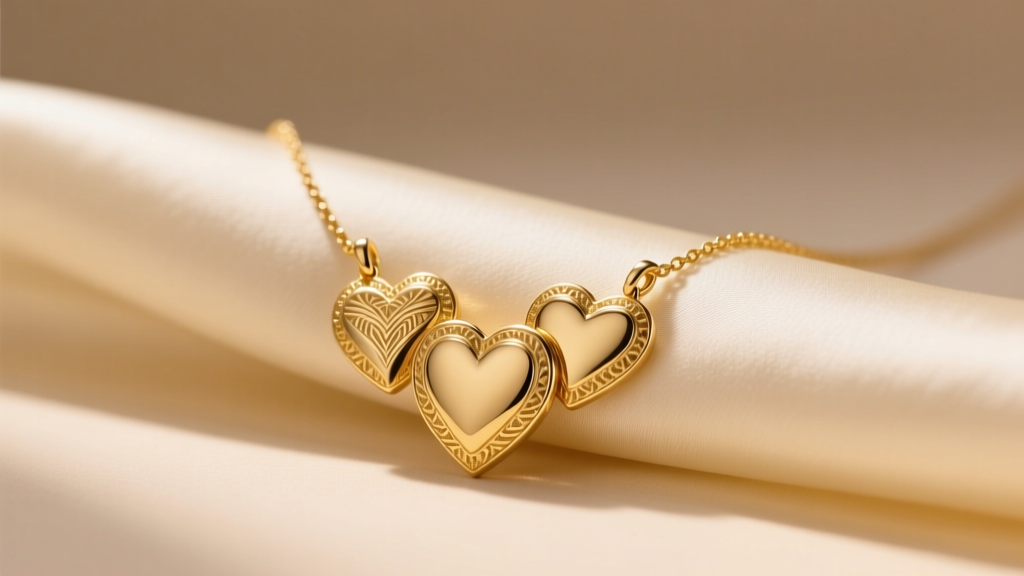
The 3 heart necklace gold pendant is more than just a fleeting jewelry trend; it is a deeply symbolic staple that represents connection, timeline, and unity. Whether the three interlocking hearts symbolize the past, present, and future, or a bond between three family members or friends, this specific design carries immense sentimental weight. However, because the hearts are often interlocking or tightly clustered, they present unique structural and metallurgical challenges that standard single-pendant necklaces do not.
For beginners entering the world of fine jewelry, navigating gold purities, chain widths, and bail sizes can feel overwhelming. A poorly matched chain can cause excessive friction, while the wrong gold alloy might lead to premature wear at the connection points. This comprehensive guide breaks down the exact specifications you need to know to select, style, and maintain a high-quality 3 heart necklace gold piece that will last a lifetime.
The Metallurgy of Interlocking Hearts: Choosing Your Gold Karat
When dealing with a multi-heart pendant where the gold pieces physically rub against one another, the hardness of your chosen alloy is critical. Pure 24k gold is far too soft for jewelry, so it is alloyed with metals like copper, silver, and zinc. The karat system dictates the ratio of pure gold to these strengthening alloys, directly impacting the durability of your interlocking hearts.
| Gold Karat | Purity | Durability & Friction Resistance | Best For |
|---|---|---|---|
| 10k Gold | 41.7% | Highest scratch resistance; very rigid. | Budget-friendly, high-friction daily wear. |
| 14k Gold | 58.3% | Excellent balance of richness and tensile strength. | The ideal standard for interlocking pendants. |
| 18k Gold | 75.0% | Softer; prone to micro-scratches at connection rings. | Occasional wear or heirloom pieces. |
According to the Federal Trade Commission (FTC) Jewelry Guides, any piece stamped as 14k must contain exactly 58.3% pure gold. For a 3 heart necklace gold design, 14k is generally the sweet spot. If you opt for 18k gold, be aware that the tiny soldered rings connecting the hearts will experience friction every time you move. Over a decade of daily wear, 18k gold will show thinning at these joints much faster than 14k gold due to its lower Vickers hardness.
Rose vs. Yellow vs. White Gold Alloys
The color of your gold also dictates its physical properties. 14k rose gold contains a higher copper content (often around 36%), which naturally increases the metal's hardness and durability. This makes rose gold an exceptionally smart choice for interlocking hearts. Conversely, 14k white gold is plated with rhodium to achieve its bright silver color. The friction between interlocking white gold hearts will eventually wear away the rhodium plating at the contact points, revealing the slightly yellowish underlying alloy and requiring professional re-plating.
Chain Selection: The Bail and Link Friction Factor
The most common mistake beginners make when buying a 3 heart necklace gold pendant is pairing it with the wrong chain. The "bail" (the loop at the top of the pendant that the chain passes through) on a multi-heart piece is often wider or heavier to support the horizontal spread of the hearts. You need a chain that glides smoothly through this bail without catching.
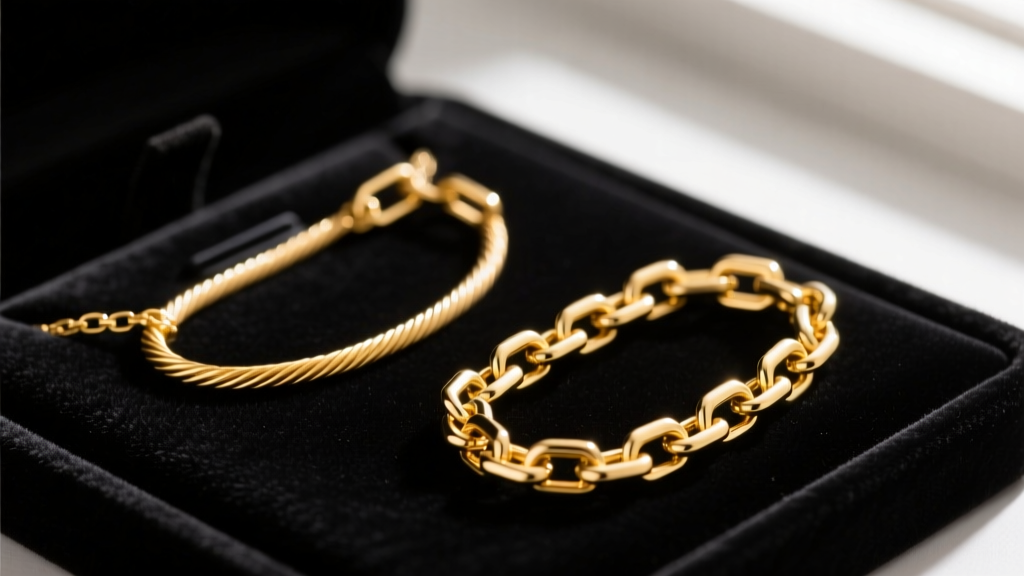
Why Rope Chains Fail with Heart Pendants
While rope chains are beautiful, their twisted, textured links act like tiny files against the smooth inner curve of a gold bail. Over time, a rope chain will literally saw through the pendant's hanging ring. Furthermore, the intricate grooves of a rope chain trap skin oils and lotion, which can transfer to the crevices of your heart pendant, dulling its shine.
Instead, opt for a 1.2mm to 1.5mm Box Chain or a Standard Cable Chain. Box chains feature smooth, flat, square links that glide effortlessly through the bail, minimizing friction. A 1.5mm width provides enough tensile strength to support the 3 to 5-gram weight of a standard three-heart pendant without looking overly bulky.
Sizing, Drop, and Neckline Pairing
A standard 3 heart necklace gold pendant typically spans between 18mm and 25mm horizontally. Because the visual weight is spread outward rather than dropping downward, the length of your chain drastically changes how the piece interacts with your wardrobe.
- 16-Inch Choker Length: Forces the three hearts to sit high on the collarbone. This is ideal for crew necks, boat necks, and off-the-shoulder tops, but can look cramped under a V-neck.
- 18-Inch Princess Length: The most versatile option. The hearts will rest just below the collarbone, perfectly framing the face and sitting elegantly inside the open space of a V-neck or scoop-neck blouse.
- 20-Inch Matinee Length: Best reserved for layering. If you wear an 18-inch 3-heart necklace, you can pair it with a 20-inch simple gold solitaire pendant to create a cascading, staggered effect.

When styling, remember that horizontal pendants draw the eye laterally. If you are wearing a top with strong horizontal stripes or a wide, stiff collar, the 3-heart motif may get visually lost. It shines best against solid, unpatterned fabrics where the interlocking silhouette can stand out.
The "Interlocking Trap": Storage and Maintenance
Interlocking jewelry is notoriously prone to tangling. When three hearts are linked together, they can easily fold in on themselves and knot around the chain if tossed carelessly into a jewelry box. To prevent the "interlocking trap," follow the care guidelines recommended by Jewelers of America for delicate gold pieces.
Step-by-Step Cleaning and Storage
- The Soak: Mix a few drops of mild, phosphate-free dish soap into a bowl of lukewarm water. Let the necklace soak for 15 minutes to loosen body oils trapped between the hearts.
- The Brush: Use an ultra-soft baby toothbrush to gently sweep the crevices where the hearts overlap. Never use hard bristles, as they will leave micro-scratches on the gold.
- The Dry: Pat dry with a lint-free microfiber cloth. Ensure no moisture is trapped in the bail ring.
- The Store: Always store a 3 heart necklace flat. If traveling, use a jewelry roll with individual snap-down straps to keep the chain taut and the pendant immobilized.
Choosing the right 3 heart necklace gold piece requires looking beyond the initial sparkle. By prioritizing 14k gold for optimal friction resistance, selecting a smooth box chain to protect the bail, and committing to proper flat storage, you ensure that this beautiful symbol of connection remains flawless for decades to come.


