What Does 925 on a Necklace Mean? Sterling Silver Guide
Discover what the 925 stamp on a necklace means. Learn how to authenticate sterling silver, avoid fakes, and understand pricing in our expert buying guide.

The Metallurgy Behind the 925 Stamp
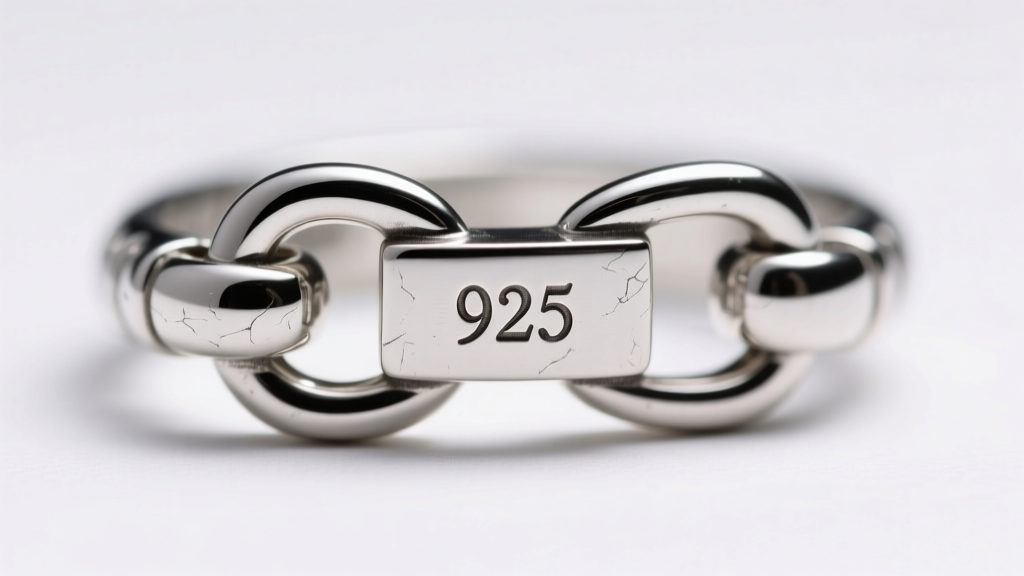
When you flip over the clasp of a premium silver necklace, you will almost always find a tiny "925" hallmark. But what does 925 on a necklace actually mean from a metallurgical standpoint? The number indicates that the piece is composed of 92.5% pure silver and 7.5% alloy metals. Pure silver (99.9% fine silver) is far too malleable for everyday jewelry; a pure silver chain would stretch, warp, and break under the weight of a simple pendant. To solve this, jewelers alloy the silver, most commonly with copper, to add tensile strength and durability without sacrificing the metal's natural luster.
Standard Sterling vs. Argentium Silver
While copper is the traditional alloy, it is also the culprit behind silver tarnish and the occasional greenish tint left on the skin. In recent years, high-end jewelers have increasingly adopted Argentium silver. Argentium replaces some of the copper with germanium, resulting in an alloy that is highly resistant to tarnish and hypoallergenic. If a necklace is stamped 925, it could be either standard sterling or Argentium, though Argentium pieces often feature an additional flying unicorn hallmark or specific brand documentation to denote the upgraded alloy.
Decoding Silver Markings: Solid, Plated, and Filled
Not all silver-colored necklaces are created equal. The Federal Trade Commission (FTC) strictly regulates precious metal markings in the United States to protect consumers from deceptive marketing. Here is a breakdown of the most common stamps you will encounter when shopping:
| Stamp / Marking | Material Composition | Longevity & Value |
|---|---|---|
| 925 / Sterling | Solid alloy: 92.5% pure silver, 7.5% copper/other. | Lifetime durability. Can be polished and repaired. Holds intrinsic melt value. |
| EPNS / Silver Plated | Base metal (brass or copper) coated with a microscopic layer of pure silver. | Prone to wearing off over time, exposing the base metal. No intrinsic silver value. |
| Vermeil | A 925 sterling silver base plated with a thick layer of gold (minimum 2.5 microns). | Excellent for gold aesthetics with a precious metal core. Requires gentle care to preserve the gold layer. |
| 925 Italy / 925 China | Indicates the country of manufacture, not a different grade of silver. Still 92.5% pure. | Value depends on the brand and craftsmanship, not the country stamp itself. |
How to Authenticate a 925 Necklace (Beyond the Stamp)
A 925 stamp is a promise of purity, but counterfeiters routinely stamp base metals with fake hallmarks. According to the Gemological Institute of America (GIA), relying solely on a visual stamp is insufficient for high-value purchases. Here are three actionable tests to verify your necklace:
- The Neodymium Magnet Test: Silver is paramagnetic, meaning it is not attracted to magnets. Slide a strong neodymium magnet down the chain. If the clasp or links pull or stick, the core is likely steel or iron. (Note: The internal spring of a lobster clasp is usually steel, so test the chain links themselves).
- The Ice Test: Silver has the highest thermal conductivity of any common metal. Place an ice cube on the necklace link. It should begin melting almost instantaneously, significantly faster than on a stainless steel or brass chain.
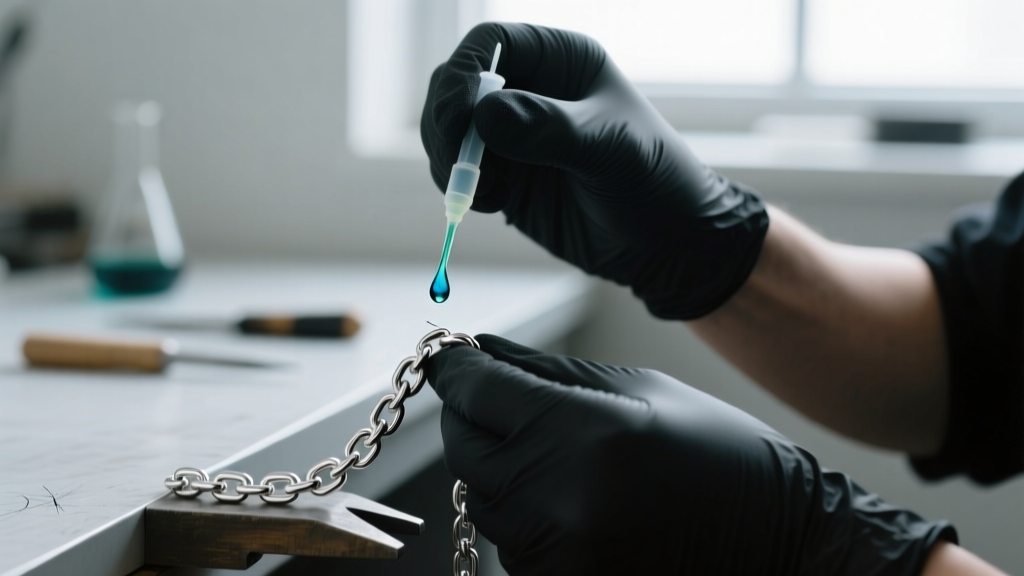
- The Nitric Acid Test: For definitive proof, use a precious metal testing kit. File a tiny, discreet notch into a link and apply a drop of nitric acid. If the acid turns creamy white, the silver is genuine 925. If it turns green, you have a copper or base metal fake. If it turns dark red, it is 999 fine silver.
2026 Pricing Framework: What Should You Pay?
Understanding the intrinsic value of a 925 necklace prevents you from overpaying for basic chains or falling for "too good to be true" scams. Silver is a traded commodity, and its spot price dictates the baseline cost of raw materials.
The Melt Value Formula: One troy ounce equals 31.1 grams. If the spot price of silver is $28.00 per ounce, one gram of pure silver is worth roughly $0.90. Because 925 sterling is 92.5% pure, one gram of sterling silver contains about $0.83 in raw silver value.
If you are buying a standard 15-gram 925 sterling silver rope chain, the raw silver value is approximately $12.45. Retailers typically apply a 3x to 5x markup to cover manufacturing, labor, and overhead. Therefore, a fair retail price for a basic 15-gram chain in 2026 ranges from $45 to $85. If a vendor is selling a heavy, solid 925 chain for $15, it is almost certainly silver-plated brass. Conversely, if a basic chain without gemstones or designer branding is priced at $300, you are paying an excessive luxury premium.
Tarnish, Rhodium Plating, and Maintenance
The 7.5% copper in standard 925 silver reacts with sulfur and moisture in the air, creating silver sulfide—the black tarnish that dulls your jewelry. To combat this, many modern jewelers apply a rhodium plating over the sterling silver. Rhodium is a platinum-group metal that provides a brilliant, mirror-like finish and acts as an impermeable barrier against tarnish.
While rhodium plating is excellent for low-maintenance wear, it is not permanent. A standard jewelry rhodium layer is between 0.75 and 1.0 microns thick. With daily wear and friction against the skin, this plating will eventually wear off, usually within 1 to 3 years, requiring a professional re-plating. If you prefer a zero-maintenance piece that never needs re-plating, seek out un-plated Argentium 925 silver or commit to storing your standard sterling pieces in anti-tarnish cloth pouches with silica gel packets when not in use.
The Expert Buying Checklist
Before finalizing your purchase, run the necklace through this professional checklist to ensure you are getting exactly what you pay for:
- Verify the Hallmark: Look for "925", "Sterling", or "Ster" stamped on the clasp or the first jump ring.
- Inspect the Clasp Quality: A genuine 925 necklace will feature a solid, well-soldered lobster or spring-ring clasp. Flimsy, hollow, or poorly aligned clasps are red flags for mass-produced counterfeits.
- Check for Seamless Links: High-quality silver chains feature soldered links (where the gap in the wire is fused shut). If you can pull the links apart with your fingernails, the chain is likely cheap, unsoldered base metal.
- Request a Purity Guarantee: Reputable jewelers will provide a receipt that explicitly states "Solid 925 Sterling Silver" rather than vague terms like "silver-tone" or "silver colored."
By understanding the metallurgy, mastering authentication tests, and calculating fair market pricing, you can confidently invest in 925 sterling silver necklaces that offer both enduring beauty and intrinsic value.


