The 2026 Book Locket Necklace Gift Guide for Every Occasion
Discover the perfect book locket necklace for every milestone. Our 2026 gift guide covers metals, chain pairings, and occasion-matching tips.

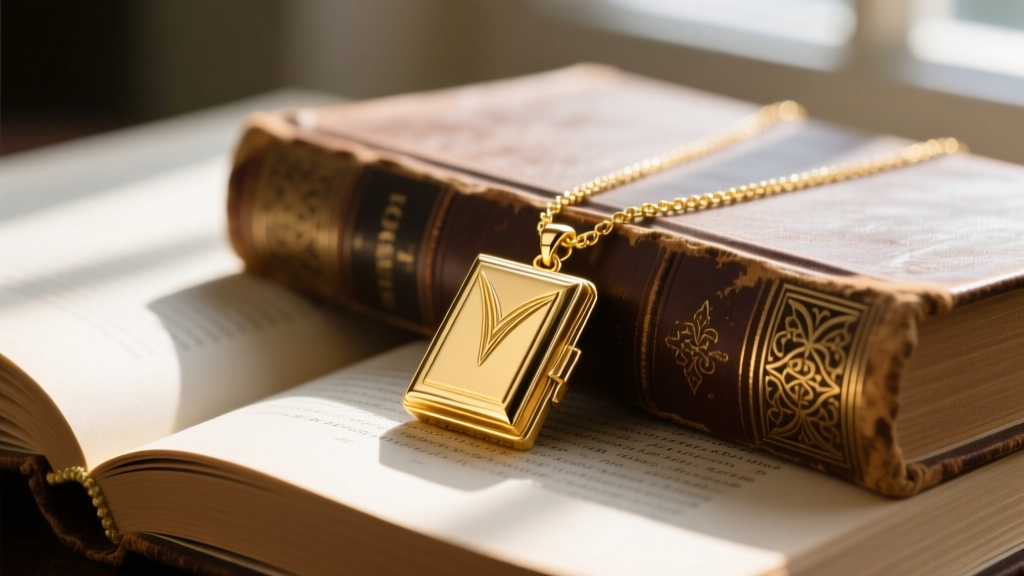
Sentimental jewelry has experienced a massive renaissance over the last few years, but as we navigate the 2026 gifting season, one specific silhouette is dominating the market: the book locket necklace. Unlike standard oval or heart-shaped pendants, a book locket offers a unique narrative appeal. It mimics the shape of a miniature hardcover, complete with an engraved spine, a front cover, and a hidden interior that opens to reveal cherished photographs or tiny keepsakes. Whether you are shopping for a literary enthusiast, a recent graduate, or a partner celebrating a milestone anniversary, this guide will help you select a high-quality piece that transcends fleeting trends.
The Anatomy of a Heirloom-Quality Book Locket
Before selecting a metal or chain, it is crucial to understand the structural elements that separate a cheap novelty pendant from an heirloom-quality book locket necklace. Because the book shape is inherently rectangular and often slightly asymmetrical when open, the hardware must be precision-engineered to prevent warping over time.
The most critical component is the hinge. Premium lockets utilize a continuous barrel hinge or a multi-knuckle piano hinge, which distributes the stress of opening and closing evenly across the spine. Avoid lockets with single-pin friction hinges, as these are prone to snapping after repeated use. Additionally, inspect the closure mechanism. A mechanical snap clasp with a slight tension spring is ideal. While some modern designs use hidden neodymium magnets, magnetic closures can fail if the pendant catches on a sweater, causing the locket to swing open and potentially drop the interior photos.
Material Grades and Budget Breakdown
The metal you choose dictates not only the price point but also the longevity and skin-compatibility of the necklace. According to the Blue Nile metal education guide, understanding the difference between plating, filling, and solid alloys is essential for making an informed purchase. Below is a comprehensive breakdown of the most common materials used for book lockets in 2026.
| Material Grade | Composition Details | Durability & Care | Estimated Price Range |
|---|---|---|---|
| Brass with Gold Plating | Base brass metal with a thin layer of gold (usually less than 0.5 microns). | Low. Prone to tarnishing and skin discoloration. Requires removal before showering. | $35 - $75 |
| 925 Sterling Silver | 92.5% pure silver, 7.5% copper. Must carry a recognized hallmark. | Medium-High. Will oxidize over time but can be easily polished. Hypoallergenic. | $80 - $180 |
| 14k Gold-Filled | A thick layer of 14k gold mechanically bonded to a brass core (must be 5% gold by weight). | High. Highly tarnish-resistant and durable for daily wear. Excellent mid-tier option. | $120 - $250 |
| Solid 14k or 18k Gold | Pure gold alloyed with metals like zinc or copper for strength. No base metal core. | Lifetime. Will not tarnish, fade, or cause allergic reactions. True heirloom quality. | $600 - $1,500+ |
For those seeking the best balance of luxury and affordability, 14k gold-filled is the undisputed champion for 2026. It provides the rich, warm luster of solid gold without the exorbitant price tag, making it an ideal choice for a meaningful gift that will withstand daily wear.
Chain Selection and Length Pairings
A book locket is typically heavier and more structured than a simple disc pendant, meaning it requires a chain with adequate tensile strength. Flimsy 0.5mm cable chains will eventually snap under the weight of a solid metal book locket. Instead, opt for a rolo chain or a box chain ranging from 1.0mm to 1.5mm in thickness. These styles offer superior structural integrity while maintaining a delicate, feminine aesthetic.
When it comes to length, consider the recipient's typical wardrobe:
- 16-inch (Choker/Princess): Best for high-neck blouses, turtlenecks, or younger recipients. It keeps the locket resting prominently on the collarbone.
- 18-inch (Standard Princess): The most versatile length. It sits perfectly just below the collarbone, allowing the book locket to rest neatly over both crew-neck t-shirts and V-neck sweaters.
- 20 to 24-inch (Matinee): Ideal for layering over long dresses or winter knitwear. This length gives the locket a bohemian, relaxed drape.
Occasion Matching: Who to Gift and When
The beauty of the book locket necklace lies in its versatility. However, matching the specific design and interior contents to the occasion elevates the gift from thoughtful to unforgettable.
Graduations and Academic Milestones
For a high school or college graduate, the book shape symbolizes the closing of one chapter and the beginning of another. Pair a sterling silver book locket with an 18-inch rolo chain. Inside, place a tiny, cropped photo of the graduate's childhood school portrait alongside a small, folded note detailing your hopes for their future.
Milestone Anniversaries
For a 10th or 20th anniversary, invest in a solid 14k gold book locket. Many artisan jewelers offer custom engraving on the front cover. Consider engraving the coordinates of where you first met or the title of a book that holds special meaning to your relationship. Fill the interior with a photo from your wedding day and a recent candid shot.
Memorials and Grief Support
Lockets have historically been used as mourning jewelry. When gifting a book locket necklace to someone navigating loss, choose a subtle, unembellished design in oxidized silver or rose gold. The interior should hold a high-quality portrait of their loved one. This provides a quiet, tactile source of comfort that the wearer can hold close to their heart.
Mastering the Photo Insertion Process
The most common mistake buyers make is ruining a precious original photograph by gluing it directly into the locket with standard craft adhesive. Standard glues contain acids that will rapidly degrade photographic paper, causing yellowing and brittleness. Furthermore, if you ever want to change the photo, glue makes removal impossible without tearing the image.
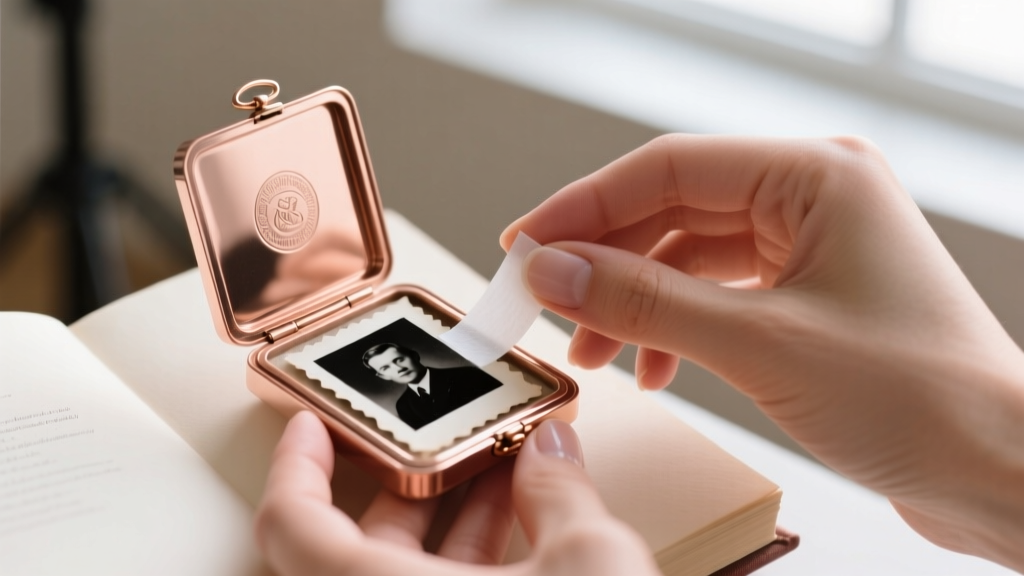
To preserve your images, follow the conservation standards recommended by the Northeast Document Conservation Center. Always print copies of your photos on acid-free, lignin-free paper using archival-quality pigment inks. To secure the photo inside the locket, use double-sided, acid-free scrapbooking tape or tiny archival photo corners. If your book locket features glass inserts—a hallmark of premium vintage and high-end modern designs—simply slide the trimmed photo behind the glass bezel, ensuring a snug, glue-free fit.
When trimming the photo, create a cardboard template of the locket's interior dimensions first. Most medium book lockets have an interior viewing area of roughly 15mm x 20mm. Use a sharp craft knife and a metal ruler to ensure perfectly straight edges, preventing the paper from bunching up and forcing the locket cover open.
Final Thoughts for the 2026 Gifting Season
The book locket necklace is more than just an accessory; it is a wearable archive of personal history. By prioritizing robust hinge construction, selecting appropriate metal grades like 14k gold-filled or 925 sterling silver, and utilizing archival-safe photo insertion methods, you ensure that your gift will endure for generations. Whether you are celebrating a new beginning or honoring a cherished memory, this unique pendant style offers a deeply personal touch that standard jewelry simply cannot replicate. For further reading on verifying precious metal authenticity, consult the hallmarking guides provided by the London Assay Office to guarantee your sterling silver or gold pieces meet strict purity standards.


