The Ultimate ADHD Necklace Guide: Fidget Pendants & Sensory Chains
Explore the material science, bearing mechanics, and ergonomic sizing of ADHD necklaces for discrete sensory regulation and stimming.

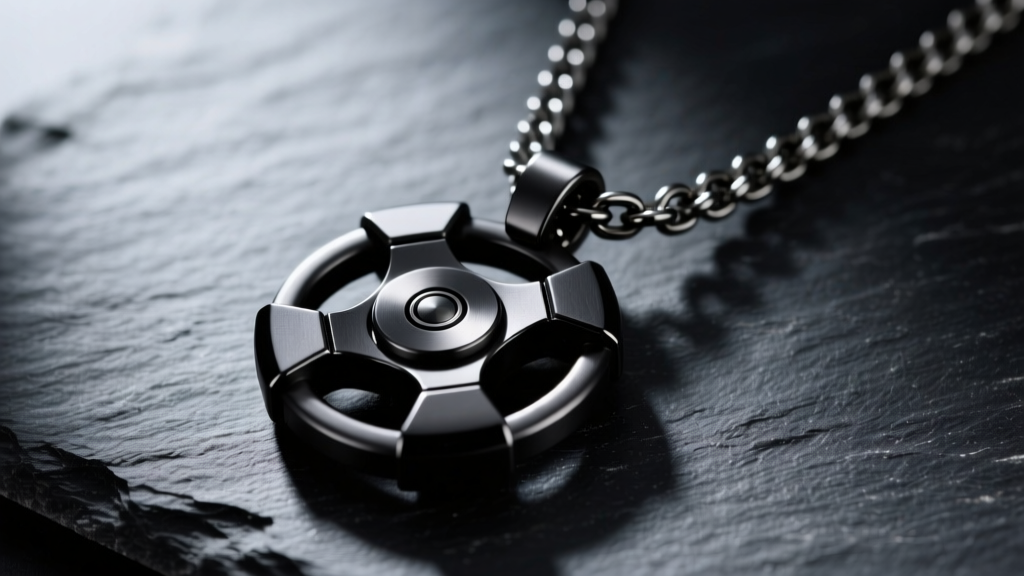
For neurodivergent individuals, an ADHD necklace is far more than a decorative accessory; it is a vital tool for sensory regulation, focus, and anxiety management. Historically, sensory jewelry was limited to brightly colored, obvious "chewelry" aimed primarily at children. However, the landscape of neuro-inclusive jewelry has evolved dramatically. Today, adult professionals require discrete, sophisticated pieces that provide proprioceptive and tactile feedback without drawing unwanted attention in boardrooms or academic settings.
This technical deep dive explores the material science, mechanical engineering, and ergonomic design principles that define a high-performance ADHD necklace in 2026. Whether you are seeking kinetic spinners, oral-motor chewables, or tactile chains, understanding the specifications below is critical for selecting a piece that actually functions as intended.
The Biomechanics of Sensory Jewelry: Why Standard Pendants Fail
Standard jewelry is passive. It rests against the skin and offers no kinetic resistance. According to research highlighted by ADDitude Magazine, individuals with ADHD often utilize "stimming" (self-stimulatory behavior) to regulate their nervous system and maintain focus. This requires proprioceptive input—deep pressure, resistance, or complex tactile feedback.
A functional ADHD necklace must engage the user's motor cortex. This is achieved through three primary mechanisms:
- Kinetic Resistance: Mechanical spinners that require precise finger manipulation.
- Oral-Motor Feedback: High-durometer silicones that provide jaw resistance without degrading.
- Tactile Complexity: Chain weaves and heavy metals that offer grounding sensory input when rubbed between the thumb and forefinger.
Material Science: Choosing the Right Components
The failure point of most commercial fidget necklaces lies in poor material selection. When a piece is subjected to repetitive mechanical stress or oral contact, metallurgical and polymer integrity becomes paramount.
Spinner Pendants: Bearing Metallurgy and Lubrication
The core of a spinner pendant is its bearing. Cheap necklaces use standard carbon steel bearings that rust from finger oils and emit a loud, grating noise. For discrete use, you must look for Ceramic Hybrid Bearings. These feature Silicon Nitride (Si3N4) ceramic balls housed in 316L surgical steel races. Ceramic balls are lighter, harder, and generate less friction than steel.
Crucially, the lubricant dictates the sensory experience. Avoid thin synthetic oils, which result in a fast, loud spin. Instead, seek out bearings packed with PTFE (Teflon) grease. This creates a slow, heavy, and completely silent rotation that provides sustained, grounding resistance for the thumb.
Chewable Pendants: Polymer Chemistry and Shore Hardness
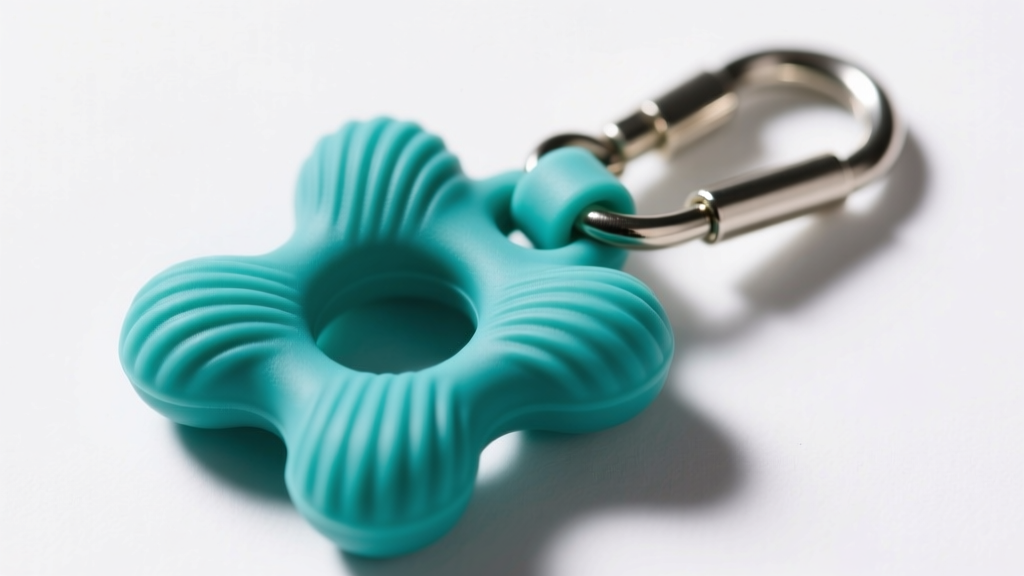
Oral stimulation is a common regulatory tool, but chewing on standard metals or plastics can cause dental micro-fractures or toxic ingestion. A safe chewable ADHD necklace must be crafted from platinum-cured, food-grade silicone. Unlike peroxide-cured silicones, platinum-cured variants leave no toxic residue and possess superior tear strength.
Furthermore, you must match the silicone's Shore A hardness to the user's bite pressure:
- Shore 30A (Soft): Ideal for light, passive chewing and lip-pressing.
- Shore 60A (Medium-Firm): Required for aggressive chewers. This density mimics the resistance of a leather belt, providing maximum jaw feedback without risking tooth damage.
Tactile Pendants: Tungsten Carbide vs. Titanium
For those who need deep pressure therapy (grounding weight) rather than movement, the pendant's mass is critical. Tungsten Carbide is exceptionally dense, offering a heavy, cold, and highly polished surface that is incredibly satisfying to trace with a fingernail. Conversely, Grade 23 Titanium (Ti-6Al-4V ELI) is lighter but offers a matte, brushed texture that provides superior friction for thumb-rubbing. Note: Avoid 316L stainless steel for any component that will touch the mouth, as the trace nickel content can cause contact dermatitis with prolonged saliva exposure.
Chain Selection: Tactile Feedback and Safety Breakaways
The chain of an ADHD necklace is not merely a suspension system; it is an active fidget zone. The weave geometry determines the tactile input:
| Chain Weave | Tactile Profile | Best For | Durability |
|---|---|---|---|
| Box Chain | Sharp edges, geometric, high friction | Active fidgeters who need sharp sensory input to break hyper-focus loops. | High (resists kinking) |
| Wheat Chain | Braided, textured, rope-like | Continuous thumb-rubbing; provides a complex surface for the fingertips. | Very High |
| Rope Chain | Smooth, rounded, fluid | Passive holding; comfortable against the skin, low abrasive input. | Moderate (prone to snagging) |
The Non-Negotiable Safety Breakaway
According to safety guidelines for sensory tools endorsed by organizations like CHADD, any necklace designed for chewing or heavy pulling must feature a magnetic breakaway clasp. If the chain becomes snagged on furniture or pulled aggressively during a moment of high anxiety, the clasp must release at less than 5 pounds of force to prevent tracheal injury. Standard lobster clasps are a severe strangulation hazard in this context and should be strictly avoided on chewable or heavy-tactile necklaces.

Ergonomics: Sizing for Discrete Regulation
A standard 16-inch or 18-inch "princess" length necklace rests at the clavicle. For an ADHD necklace, this length is functionally flawed. To interact with a pendant at the clavicle, the user must raise their hands to chest level, hunch their shoulders, and draw the chain away from the body. This posture is highly visible, defeating the goal of discrete stimming in professional environments, and it places immense tensile stress on the chain links.
The Optimal Length: 24-inch (Matinee) to 30-inch (Opera)
A 24-inch chain allows the pendant to rest near the sternum or lower ribcage. This enables the user to rest their hands comfortably in their lap or on the edge of a desk while manipulating the pendant. The elbows remain tucked against the torso, making the fidgeting motion virtually invisible to colleagues or classmates. For chewable pendants, a 28-inch to 30-inch length is mandatory to allow the piece to reach the mouth without forcing the user to yank the chain taut against the back of the neck.
Maintenance and Hygiene Protocols
Sensory jewelry requires rigorous maintenance due to constant contact with skin oils, sweat, and saliva.
- Spinners: Do not use WD-40 or alcohol, which will strip the PTFE grease. Clean the exterior with a microfiber cloth. If the bearing becomes gritty, it must be flushed with a specialized ceramic bearing cleaner and re-packed with synthetic PTFE grease.
- Silicone Chewables: Platinum-cured silicone can be fully sanitized. Boil the pendant in water for 5 minutes or run it through the top rack of a dishwasher. Avoid harsh chemical bleaches, which can degrade the polymer matrix over time, leading to micro-tears where bacteria can harbor.
- Tungsten & Titanium: Clean with warm water, mild dish soap, and a soft-bristled toothbrush. Tungsten carbide is virtually scratch-proof (rating 9 on the Mohs scale), meaning it will not harbor bacteria in micro-scratches like silver or gold.
Final Verdict: Investing in Functional Design
An effective ADHD necklace bridges the gap between occupational therapy tools and fine jewelry. By prioritizing ceramic hybrid bearings, platinum-cured silicones, ergonomic 24-inch lengths, and mandatory magnetic breakaways, you can secure a piece that offers genuine neurological support. When evaluating your next purchase, look past the aesthetic and demand the technical specifications that ensure safety, longevity, and true sensory regulation.


