How to Choose and Install a Magnetic Clasp for Necklaces
Learn how to safely choose and install a magnetic clasp for necklaces. Step-by-step guide covering magnet grades, weight limits, and secure attachment.

Why Upgrade to a Magnetic Clasp?
Fumbling with tiny lobster claws or minuscule spring rings can be incredibly frustrating, especially for individuals with arthritis, neuropathy, or limited finger dexterity. Upgrading to a magnetic clasp for necklaces transforms the daily ritual of putting on jewelry from a chore into a seamless, one-handed snap. However, not all magnetic clasps are created equal. A poorly chosen clasp can result in a lost pendant or a broken chain. In this comprehensive guide, we will explore the physics of jewelry magnets, material housings, and provide a meticulous step-by-step installation process to ensure your necklace remains secure and stylish.
Understanding Magnet Grades and Weight Limits
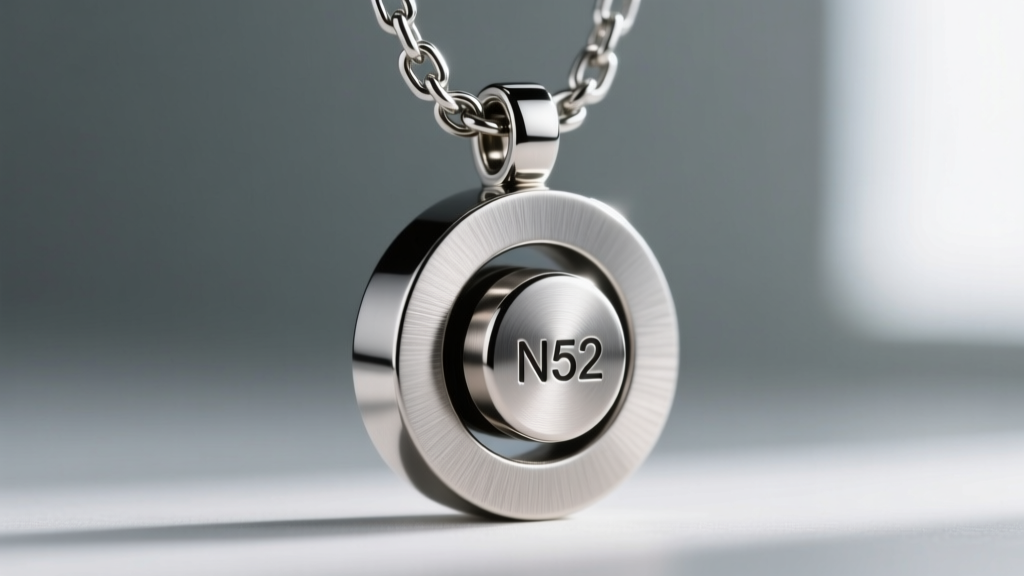
The secret to a reliable magnetic clasp lies in the core material. Modern jewelry findings utilize Neodymium Iron Boron (NdFeB) magnets, which are the strongest permanent magnets commercially available. When shopping for a magnetic clasp for necklaces, you will typically encounter two grades: N42 and N52.
- N42 Neodymium: Ideal for lightweight chains, delicate pearls, and pendants weighing under 15 grams. It provides a gentle but secure hold without excessive bulk.
- N52 Neodymium: The strongest grade available. Necessary for heavier statement pieces, thick Cuban link chains, or gemstone pendants weighing between 15 and 45 grams.
A critical concept in jewelry engineering is the difference between pull force and shear force. A 6mm x 2.5mm N52 magnet might boast a direct pull force of 1.5 lbs, but its lateral shear resistance is significantly lower. If a heavy pendant swings and pulls the clasp sideways, the magnets can slide apart. According to the engineering data from K&J Magnetics, lateral sliding force can be as little as 20% of the direct pull force. This is exactly why integrating a secondary safety chain is a non-negotiable step for any necklace exceeding 20 grams.
Step-by-Step Installation Guide
Converting your favorite necklace requires precision to prevent metal-on-metal friction, which can eventually saw through a chain. Follow these steps for a professional-grade conversion.
Step 1: Gather Your Tools and Materials
Before beginning, ensure your workspace is well-lit and lay out the following tools:
- Flush wire cutters
- Chain-nose pliers (smooth jaw to prevent marring)
- Micro-crimping pliers
- 2x Wire guardians (French wire) matching your metal tone
- 2x Crimp beads (sterling silver or gold-filled, size 2x2mm)
- Your new magnetic clasp set with an integrated safety chain
Step 2: Remove the Old Clasp
Use your flush cutters to carefully snip the jump ring or split ring connecting your chain to the existing clasp. If the chain ends in a soldered closed ring, you will need to cut the first chain link. Ensure the cut is flush to prevent sharp edges from catching on clothing.
Step 3: Attach the Magnetic Components with Wire Guardians
Never loop a delicate chain directly through the jump ring of a magnetic clasp; the constant friction will weaken the links over time. Instead, thread a wire guardian onto the end of your chain, loop it through the jump ring of the magnetic clasp half, and thread the wire guardian back down into a crimp bead. Pull the chain taut so the wire guardian forms a perfect, protective U-shape around the jump ring. Use your crimping pliers to fold and secure the crimp bead. Repeat this process for the other side of the necklace. High-quality findings, such as those sourced from Rio Grande, ensure the jump rings on the magnetic housing are properly annealed and won't snap under tension.
Step 4: Secure the Safety Chain
For necklaces with pendants, attach the micro-lobster claw of the safety chain to a fixed link on the necklace chain, approximately one inch away from the newly installed magnetic clasp. Connect the opposite end of the safety chain to the jump ring on the other side of the clasp. This limits the chain's movement and prevents the magnets from experiencing lateral shear force if the necklace is tugged.
Material Housing Comparison
The casing that holds the neodymium magnet affects both the aesthetics and the longevity of the clasp. Below is a comparison of the most common housing materials used in 2026 jewelry manufacturing.
| Material | Durability & Tarnish Resistance | Best Use Case | Approx. Price Range |
|---|---|---|---|
| Sterling Silver (925) | High quality, requires occasional polishing. Hypoallergenic. | Fine jewelry, pearls, gold-vermeil chains. | $35 - $85 |
| Stainless Steel (316L) | Exceptional durability, zero tarnish, highly scratch-resistant. | Heavy chains, men's jewelry, daily wear. | $15 - $30 |
| Brass (Gold-Plated) | Moderate. Plating can wear off over time, exposing base metal. | Fashion jewelry, lightweight statement pieces. | $10 - $25 |
Maintenance, Cleaning, and Safety Warnings
To maintain the integrity of your magnetic clasp for necklaces, proper care is essential. Neodymium magnets are typically held inside their metal housings using industrial epoxy resins. While these resins are strong, they are vulnerable to extreme heat and high-frequency vibrations.
- Avoid Ultrasonic Cleaners: The heat and cavitation generated by ultrasonic jewelry cleaners can degrade the epoxy, causing the magnet to dislodge from its steel or silver housing. Always clean magnetic clasps by hand with a mild soap solution and a microfiber cloth.
- Keep Away from Steam: Steam cleaning can reach temperatures that soften the adhesive bonding the magnet to the casing.
- Medical Device Warning: N52 neodymium magnets generate a localized magnetic field that can interfere with pacemakers, ICDs, or insulin pumps. Individuals with these medical devices should avoid wearing magnetic clasps entirely, opting instead for enlarged lobster claws or toggle clasps.
Final Thoughts on Necklace Conversions
Installing a magnetic clasp is one of the most practical upgrades you can make to your jewelry collection. By understanding the distinction between pull and shear force, utilizing wire guardians to protect your chain links, and selecting the correct N42 or N52 magnet grade for your specific pendant weight, you guarantee both security and ease of use. Whether you are adapting a family heirloom pearl strand or a modern stainless steel link chain, taking the time to execute a professional-grade installation ensures your necklace stays safely around your neck, snapping together effortlessly every single time.