How to Design and Style Custom Baseball Bling Necklaces
Learn how to choose, customize, and style baseball bling necklaces. Expert tips on chain pairings, CZ vs. diamond settings, and pendant sizing.

The Evolution of Baseball Drip: Beyond the Basic Chain
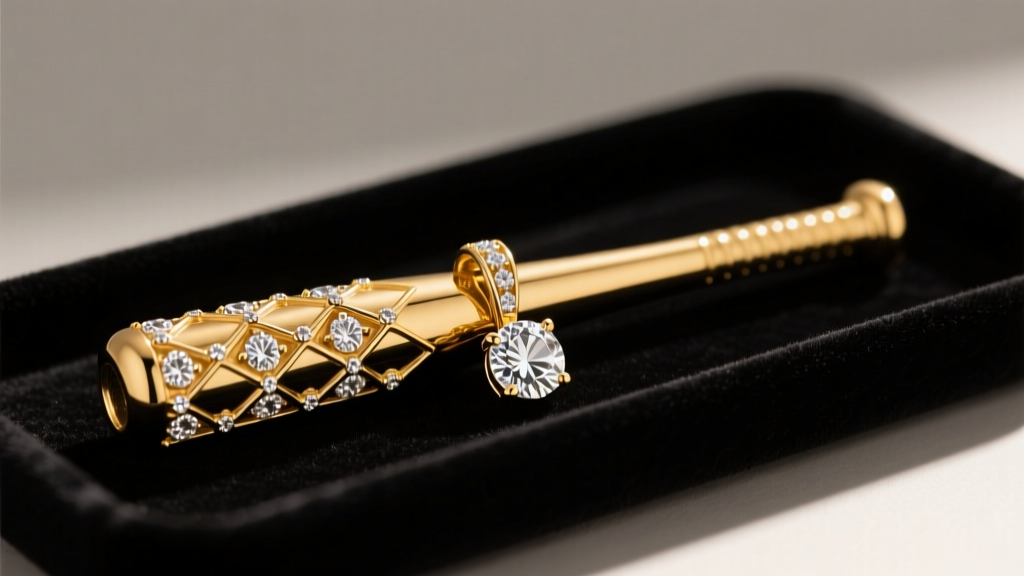
The culture of baseball jewelry has undergone a massive transformation. Gone are the days when a simple, unadorned silver chain was the standard for showing off your love for the game. Today, baseball bling necklaces serve as a bold statement of personal achievement, team pride, and athletic swagger. Whether you are a travel-ball standout, a collegiate athlete, or a dedicated fan, designing a custom iced-out baseball pendant requires a strategic approach to materials, weight distribution, and stone settings. As we navigate the sports jewelry trends of 2026, the focus has shifted heavily toward durability and high-refractive-index stones that can withstand the rigors of the diamond while maintaining a flawless, icy aesthetic. This step-by-step guide will walk you through the exact specifications needed to design, pair, and maintain premium baseball bling necklaces.
Step 1: Selecting the Base Metal and Plating Technology
The foundation of any heavy sports pendant dictates its longevity, weight, and skin compatibility. When commissioning or purchasing baseball bling necklaces, you will typically encounter three base metal categories:
- Brass/Zinc Alloy (Entry-Level): Often found in mall-kiosk jewelry. These are lightweight and cheap but prone to oxidation. When the thin electroplated layer wears off from athletic sweat, the copper in the brass will turn your skin green.
- 925 Sterling Silver (Mid-Tier Standard): The industry standard for high-quality custom sports jewelry. Silver provides a dense, heavy feel and an excellent base for stone setting. However, raw silver tarnishes, so it is almost always plated.
- Solid 10k or 14k Gold (Investment Grade): The ultimate choice for heirloom-quality baseball pendants. Solid gold will never flake, tarnish, or cause allergic reactions, making it ideal for daily wear under a jersey.
Pro Tip on Plating: If you opt for sterling silver, demand PVD (Physical Vapor Deposition) plating rather than traditional electroplating. PVD bonds the gold or rhodium at a molecular level in a vacuum chamber. According to modern metallurgical standards, PVD 18k gold plating is up to five times more resistant to the acidic pH of human sweat than standard electroplated finishes, ensuring your pendant stays brilliant through double-headers in the July heat.
Step 2: Choosing the Right Stone Setting for the Diamond
The term 'bling' relies entirely on the stones used to pave the surface of your baseball bat, glove, or home plate pendant. The setting style is just as critical as the stone itself. For on-field wear, avoid traditional micro-prong pave settings. The tiny metal prongs act like hooks, catching on the mesh fabrics of baseball jerseys and eventually bending, which leads to lost stones. Instead, opt for bezel settings (where a smooth rim of metal surrounds the stone) or flush/gypsy settings (where the stone is set directly into the metal with a hammered rim).
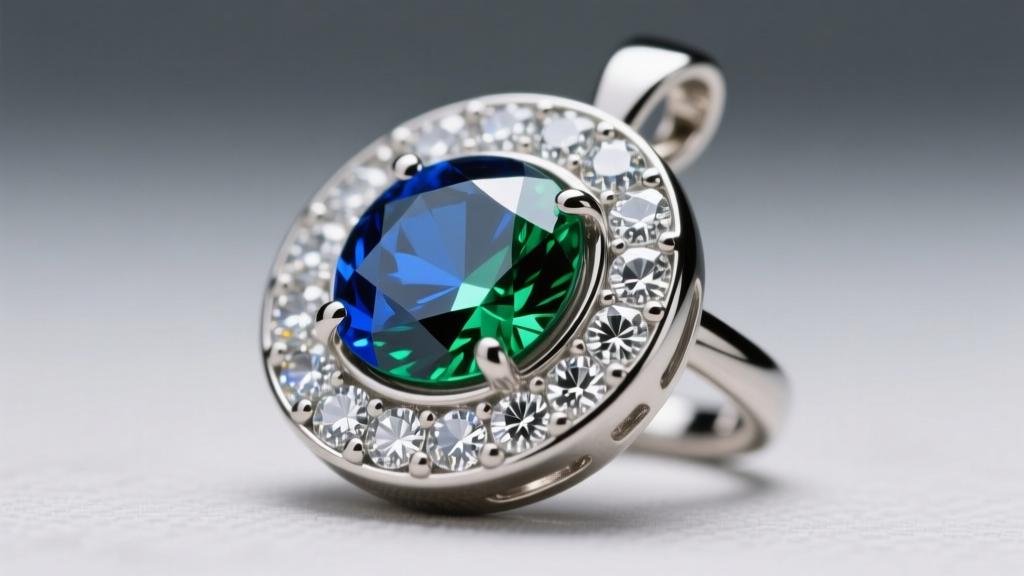
When selecting the actual stones, you must balance your budget with the desired optical performance. The Gemological Institute of America (GIA) notes that the refractive index (RI) of a stone determines its 'fire' or sparkle. Here is how the top three choices for baseball pendants compare in 2026:
| Stone Type | Hardness (Mohs) | Refractive Index | Est. Price (2-inch Bat) | Best Application |
|---|---|---|---|---|
| AAAA Cubic Zirconia | 8.0 - 8.5 | 2.15 | $150 - $350 | Budget-friendly team gifts, off-field wear |
| VVS Moissanite | 9.25 | 2.65 | $800 - $1,500 | Maximum sparkle, highly durable for daily wear |
| Natural Diamond (I1-I2) | 10.0 | 2.42 | $2,500 - $5,000+ | Investment pieces, professional athletes |
Note: Moissanite is currently the undisputed champion of sports bling. Its double-refractive nature creates a 'disco-ball' effect that out-sparks diamonds, and its 9.25 Mohs hardness means it will not scratch or cloud from sliding into bases or getting hit with dust.
Step 3: Pairing the Pendant with a Heavy-Duty Chain
A common mistake when styling baseball bling necklaces is pairing a massive, 40-gram iced-out home plate pendant with a flimsy 3mm chain. This creates a severe tensile imbalance. The kinetic energy generated when you take off your jersey or celebrate a walk-off win can easily snap a lightweight chain.
The Golden Ratio of Chain Pairing:
Your chain's width should be roughly 30% to 50% of the pendant's widest point. If your baseball glove pendant is 1.5 inches wide (approx. 38mm), you need a chain that is at least 5mm to 8mm thick. Furthermore, the chain style must be engineered for weight:
- Miami Cuban Link (6mm - 8mm): The classic choice. The flat, interlocking links lay perfectly against the chest and distribute the pendant's weight evenly across the neck.
- Franco Chain (4mm - 6mm): Featuring a V-shaped, four-sided weave, the Franco chain is virtually indestructible. It is highly recommended for heavy, solid gold baseball pendants worn during active play.
- Rope Chain (5mm - 7mm): Excellent for light refraction, as the twisted links catch the sun from every angle, complementing the iced-out pendant. However, ensure it is a solid-core rope, not hollow.
Step 4: Bail Engineering and Sizing for Jerseys
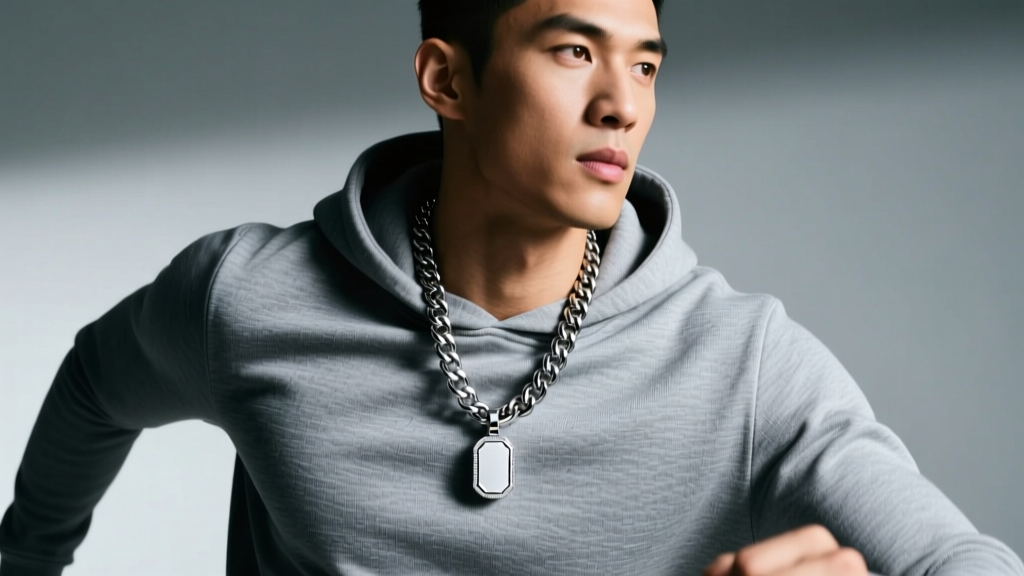
The bail—the loop that connects the pendant to the chain—is the most critical failure point on any heavy sports necklace. Standard 'snap-on' or 'pinch' bails are entirely insufficient for baseball bling necklaces weighing over 20 grams. When designing a custom piece, request a hidden tunnel bail or a reinforced V-bail that is cast as a single, continuous piece with the pendant itself. This eliminates the soldered joint that typically breaks under stress.
Sizing for the Sport:
Chain length dictates how the pendant interacts with your uniform. For off-field wear, press conferences, or travel days, a 20-inch to 22-inch chain is ideal, allowing the pendant to rest on the collarbone. However, if you intend to wear the necklace over your baseball jersey during batting practice or in the dugout, you must size up to a 24-inch or 26-inch chain. This ensures the pendant clears the thick, buttoned placket of the jersey and prevents the chain from pulling tightly against the back of your neck when you rotate your torso to swing.
Step 5: Maintenance and Sweat Resistance
Baseball is a gritty sport. Dirt, pine tar, sunscreen, and sweat will inevitably coat your jewelry, creating a film that dulls the refractive index of your stones. Proper maintenance is non-negotiable to keep your bling looking icy.
Avoid ultrasonic cleaners if your pendant features AAAA Cubic Zirconia. The high-frequency vibrations can loosen the adhesive often used in budget-friendly pave settings, causing stones to fall out. Instead, follow the guidelines recommended by Jewelers of America for deep cleaning: use a soft-bristled baby toothbrush, warm water, and a few drops of mild, ammonia-free dish soap. Gently scrub the back of the pendant (the gallery) where sweat and dead skin accumulate. Rinse thoroughly with distilled water to prevent hard water spots, and dry completely with a microfiber cloth before storing it in an anti-tarnish pouch.
Final Thoughts on the Diamond Drip
Designing the perfect baseball bling necklace is an exercise in balancing aesthetics with athletic durability. By prioritizing PVD-plated sterling silver or solid gold, selecting bezel-set moissanite stones, and engineering a heavy-duty Cuban or Franco chain with a reinforced bail, you ensure that your jewelry can survive the chaos of the diamond while turning heads in the dugout. Invest in the right specifications, and your custom piece will remain a testament to your love for the game for seasons to come.