V's Necklace Cyberpunk: Best Materials for Replicas
Discover the best metals and resins for v's necklace cyberpunk replicas. Compare titanium, steel, and polycarbonate for durable Night City tech-wear.

Decoding V's Necklace: Cyberpunk Aesthetics Meet Real-World Metallurgy
In the sprawling, neon-drenched universe of Night City, jewelry is more than mere decoration; it is a statement of survival, affiliation, and chrome-infused identity. For fans and collectors looking to bring this aesthetic into the real world, replicating iconic pieces requires a deep understanding of material science. When building a v's necklace cyberpunk loadout, the goal is to capture the gritty, high-tech essence of the game while ensuring the piece is safe for daily wear, resistant to environmental degradation, and structurally sound.
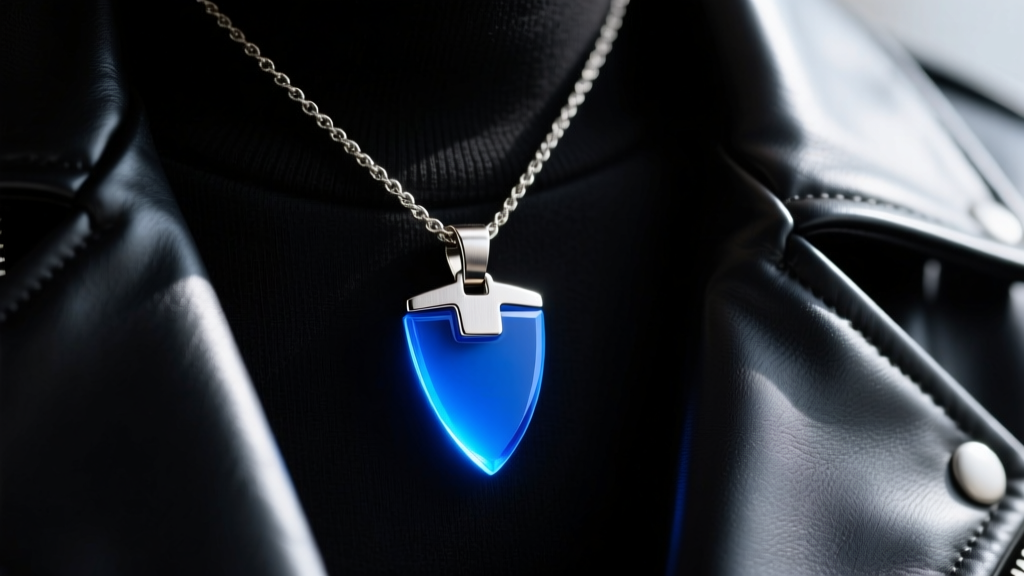
The iconic 'Relic' shard pendant and the heavy-duty dog tags seen throughout the Cyberpunk franchise present unique engineering challenges. A cheap, mass-produced replica will quickly tarnish, cause contact dermatitis, or shatter under the stress of daily commutes. As of 2026, advancements in desktop CNC machining and UV-stable resin casting have allowed independent jewelers and tech-wear brands to create museum-quality replicas. However, not all materials are created equal. This guide breaks down the exact metallurgical and polymer properties you need to consider before investing in or crafting your own Night City hardware.
The Relic Shard: Polycarbonate vs. Epoxy Resin vs. Borosilicate Glass
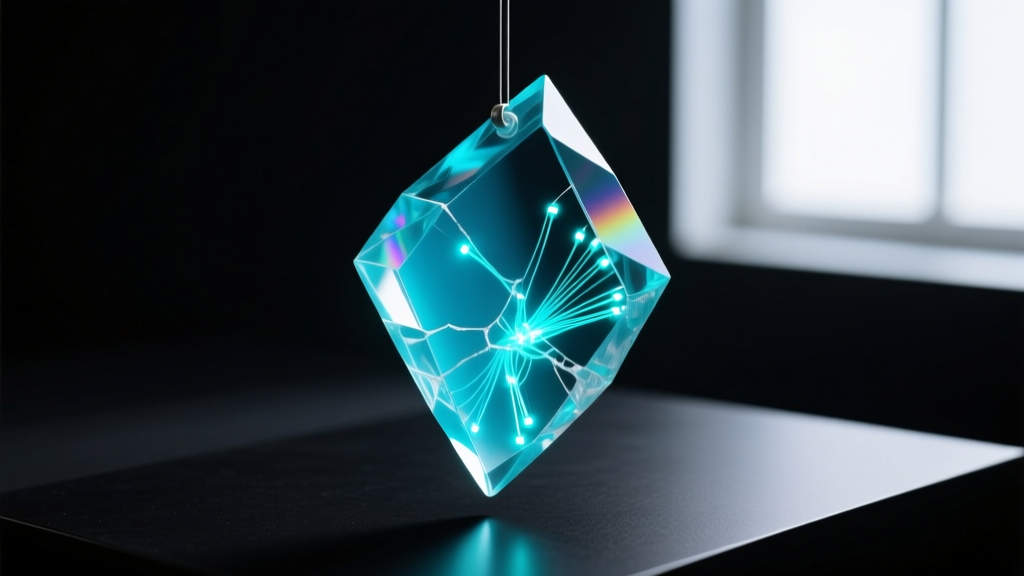
The centerpiece of many iconic Cyberpunk necklaces is the glowing data shard or biometric housing. Achieving that signature internal luminescence requires transparent or translucent materials that can house micro-LEDs or phosphorescent powders without degrading over time. Here is how the top three optical materials compare for pendant fabrication.
| Material | Mohs Hardness | UV Resistance | Impact Tolerance | Best Application |
|---|---|---|---|---|
| Cast Epoxy Resin | 2.0 - 2.5 | Poor (Yellows without inhibitors) | Moderate | Intricate, multi-layered internal LED casting |
| Polycarbonate (PC) | 3.0 | Excellent | Extremely High | Rugged, everyday street-wear shards |
| Borosilicate Glass | 6.0 - 7.0 | Perfect | Low (Brittle) | Premium, heavy-weight display pieces |
The Epoxy Yellowing Problem
According to the British Plastics Federation, standard epoxy resins are highly susceptible to UV degradation, leading to a yellowish tint that ruins the signature cyan or crimson glow of a Cyberpunk shard. If you opt for a resin-cast pendant, ensure the manufacturer uses a high-grade HALS (Hindered Amine Light Stabilizer) additive. Without it, your glowing relic will look like a muddy amber fossil within six months of outdoor wear.
Polycarbonate: The Solo's Choice
For a necklace meant to survive mosh pits, airsoft games, or daily subway commutes, machined polycarbonate is the undisputed champion. While it scratches easier than glass, its impact resistance is virtually unmatched. A polycarbonate shard encased in a metal bezel will survive blunt force trauma that would shatter glass into dangerous shards.
The Hardware: Chassis and Chain Material Breakdown
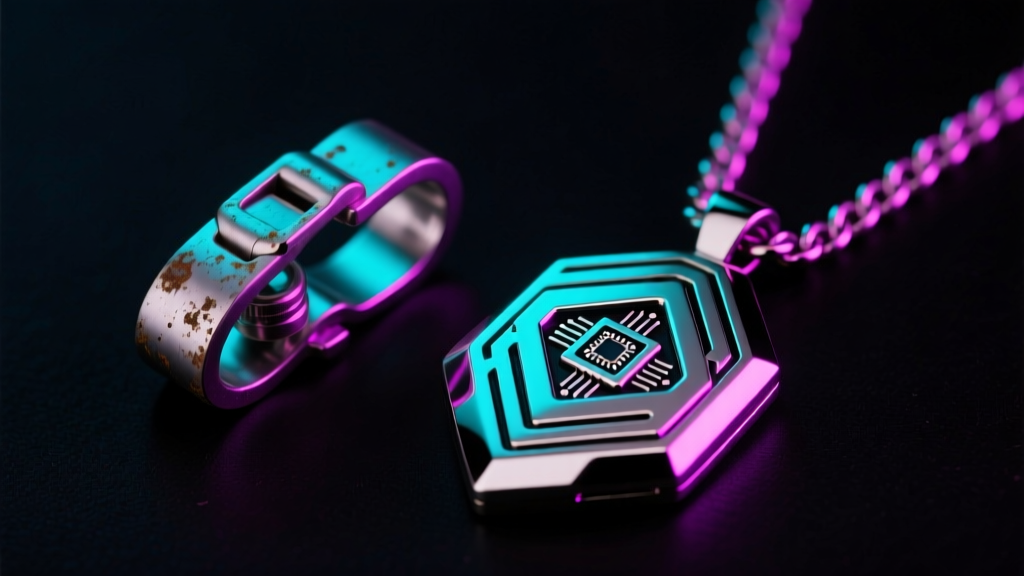
The metal housing that cradles the shard, along with the chain itself, dictates the longevity and biocompatibility of the necklace. Night City aesthetics heavily favor brushed gunmetal, matte black, and oxidized chrome finishes. However, the base alloy beneath the finish is what truly matters.
316L Surgical Steel: The Night City Standard
316L stainless steel is the most common material used in mid-tier tech-wear jewelry. It contains 16-18% Chromium, 10-14% Nickel, and 2-3% Molybdenum. The 'L' denotes low carbon, which improves corrosion resistance. It takes PVD (Physical Vapor Deposition) coatings exceptionally well, allowing for the deep, matte-black 'Arasaka' finishes seen in the game.
The Catch: The nickel content is a known allergen. According to the National Center for Biotechnology Information (NCBI), nickel contact dermatitis is one of the most common skin allergies worldwide. If you have sensitive skin or sweat heavily (which accelerates nickel leaching through the chromium oxide passivation layer), 316L steel will cause severe rashing on your chest.
Grade 5 Titanium (Ti-6Al-4V): The Ultimate Upgrade
For those willing to invest in high-end replicas, Grade 5 Titanium is the pinnacle of cyberpunk jewelry metallurgy. As detailed by materials science database AZoM, Ti-6Al-4V offers an extraordinary strength-to-weight ratio and is completely hypoallergenic. It is 45% lighter than steel, meaning a heavy, oversized dog tag or shard housing won't cause neck strain during 12-hour gaming sessions or convention wear.
Titanium also boasts incredible resistance to chloride pitting. Human sweat is rich in sodium chloride; while steel chains can develop micro-pitting and eventually snap at the solder points, titanium remains entirely impervious to biological corrosion. Furthermore, titanium can be anodized using electricity to produce vibrant, permanent cyberpunk colors (like electric blue or neon purple) without the need for toxic paints or peeling PVD coatings.
Tungsten Carbide: The Executive Option
Tungsten carbide is incredibly dense and boasts a Mohs hardness of 9.0, meaning it will never scratch. It holds a mirror-polished 'chrome' finish better than any other metal. However, its extreme hardness makes it highly brittle. A tungsten pendant dropped onto a concrete floor or struck against a metal table edge is likely to shatter. It is best reserved for display pieces or light, occasional wear rather than rugged, everyday tech-wear.
Chain Engineering: Cable vs. Rope vs. Tech-Cord
The pendant is only half the equation. The chain must support the weight of heavy metal and glass components while maintaining the dystopian aesthetic.
- Mariner/Cable Chains (3mm - 5mm): The classic choice. Ensure the links are laser-welded rather than simply bent and pinched. Laser-welded 316L or Titanium links will not pull apart under the 100-150 gram weight of a solid metal shard housing.
- Paracord & Kevlar Tech-Cords: For a more rugged, scavenged 'Badlands' look, many opt for 550 Paracord or Kevlar-core braided cords. These require high-quality anodized aluminum or titanium tube clasps, as standard lobster clasps look out of place on fabric cords.
- Magnetic Fidlock Clasps: A massive trend in 2026 tech-wear is the integration of heavy-duty magnetic mechanical clasps. These provide a satisfying, mechanical 'click' that perfectly mimics the sound design of the Cyberpunk UI, while offering superior tensile strength compared to traditional spring-ring clasps.
Galvanic Corrosion: A Hidden Threat in Mixed-Metal Replicas
A critical mistake many amateur jewelers make when crafting custom Cyberpunk necklaces is mixing dissimilar metals. If you use a brass pendant bail attached to a stainless steel chain, and introduce sweat (an electrolyte) to the equation, you create a galvanic cell. The less noble metal (brass) will rapidly corrode, leaving a green, toxic sludge on your skin and weakening the structural integrity of the necklace.
Pro-Tip: Always ensure the pendant housing, the jump rings, the chain, and the clasp are made of the exact same base alloy. If you must mix metals for aesthetic contrast (e.g., copper inlays on a steel housing), ensure the copper is fully sealed with a jeweler-grade nano-ceramic coating to prevent galvanic interaction.
Final Verdict: Building Your Ultimate Night City Loadout
Replicating iconic video game jewelry is an exercise in balancing visual fidelity with real-world material limitations. For the ultimate, heirloom-quality v's necklace cyberpunk replica that you can wear every day without fear of skin irritation or structural failure, the blueprint is clear: a CNC-machined Grade 5 Titanium chassis, housing a UV-stabilized Polycarbonate optical shard, suspended on a laser-welded Titanium mariner chain with a mechanical magnetic clasp.
While this combination will command a premium price tag—often ranging from $180 to $350 from specialized tech-wear artisans in 2026—it guarantees a piece of wearable art that honors the source material while surviving the harsh realities of the physical world. Avoid cheap, zinc-alloy castings and unsealed epoxies; in Night City, cutting corners on your chrome is a fatal error, and the same holds true for your jewelry.