Angel Wings Necklace Silver: The Ultimate Buying Guide
Discover what to look for in an angel wings necklace silver. Learn about 925 sterling grades, chain types, pricing, and how to spot quality craftsmanship.

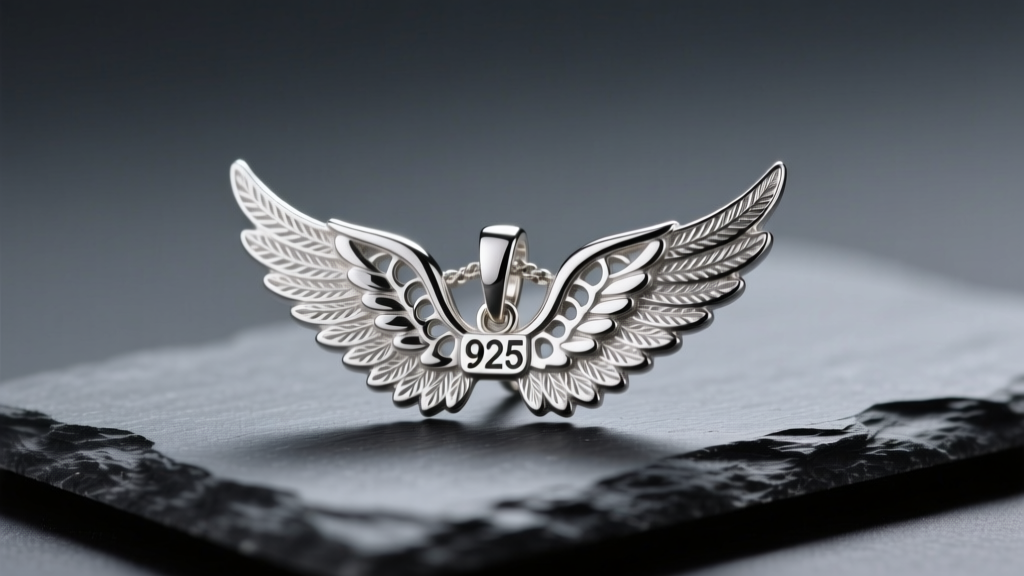
Whether chosen as a memorial tribute, a symbol of spiritual protection, or a delicate fashion statement, an angel wings necklace carries profound emotional weight. However, the sentimental value of this motif demands equally rigorous standards in metallurgy and craftsmanship. When shopping for an angel wings necklace silver variants dominate the market due to their luminous, cloud-like brilliance that perfectly complements the celestial theme. Yet, not all silver jewelry is created equal. This comprehensive buying guide dissects the exact specifications, metal grades, and structural nuances you must evaluate before making your purchase in 2026.
Why Silver is the Optimal Metal for Angel Wing Pendants
Silver possesses a natural reflectivity that mimics the ethereal glow associated with angelic imagery. Unlike yellow gold, which can sometimes overpower delicate feather motifs, white metals allow the intricate carving of the wings to take center stage. According to the Gemological Institute of America (GIA), silver's malleability makes it an exceptional canvas for detailed jewelry casting, provided it is properly alloyed.
925 Sterling vs. 999 Fine Silver: The Durability Dilemma
A common misconception among buyers is that purer silver is inherently better. The Silver Institute notes that 999 fine silver is exceptionally soft. If an angel wing pendant is crafted from 999 silver, the delicate feather barbs will bend, warp, and lose their definition within weeks of daily wear.
For an angel wings necklace, 925 sterling silver (92.5% pure silver, 7.5% copper or zinc) is the absolute minimum standard. The alloy metals provide the tensile strength required to maintain the rigid structure of the wing tips. For buyers seeking a premium upgrade, look for Argentium silver (usually 935 or 960 purity). Argentium replaces some copper with germanium, resulting in a metal that is highly resistant to tarnish and possesses a whiter, brighter luster that closely resembles platinum.
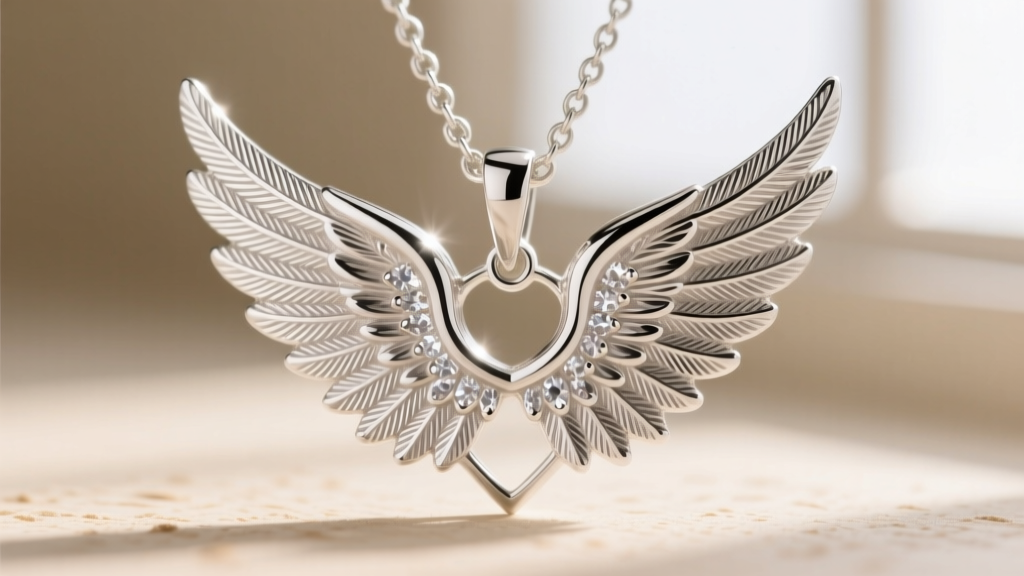
Decoding the Anatomy of a Quality Angel Wings Necklace
The manufacturing method dictates the longevity and visual depth of the pendant. Mass-market angel wings are often die-struck from thin sheets of silver, resulting in a flat, two-dimensional profile with stamped-on feather details. While affordable, these lack structural integrity.
Lost-Wax Casting vs. Die-Striking
High-quality angel wings pendants are created using lost-wax casting. This ancient technique allows jewelers to carve a 3D wax model, capturing the microscopic overlapping layers of individual feathers. When molten 925 silver is poured into the resulting mold, it yields a pendant with deep undercuts and realistic texture. When inspecting a piece, look for varying metal thickness; a well-cast wing will be thicker at the base (the calamus) and taper gracefully toward the primary feathers.
Surface Finishes: Rhodium, Oxidation, and High-Polish
- Rhodium Plating: A microscopic layer of rhodium (a platinum group metal) is electroplated over the silver. This prevents tarnish and adds a mirror-like, chrome finish. It is ideal for buyers who want a maintenance-free piece, though it will eventually wear off after 2-4 years of friction.
- Oxidized (Antiqued) Silver: The crevices between the feathers are intentionally darkened using liver of sulfur. This creates high contrast, making the intricate feather details pop. This is the preferred finish for vintage or gothic aesthetic buyers.
- High-Polish: Unplated and buffed to a mirror shine. While beautiful, it requires regular polishing to remove micro-scratches and oxidation.
Chain Selection: Matching the Pendant Weight
The most frequent point of failure in any pendant necklace is the chain snapping under the pendant's weight. Angel wings, particularly solid cast ones, can weigh anywhere from 4 to 15 grams. Pairing a heavy cast wing with a delicate chain is a recipe for loss. Jewelry fabrication experts at Rio Grande emphasize matching the chain's tensile strength to the pendant's mass.
| Chain Type | Best For Pendant Weight | Durability & Drape |
|---|---|---|
| Box Chain | 5g - 12g | Excellent strength, geometric links resist pulling apart, but can kink if bent sharply. |
| Wheat (Spiga) Chain | 8g - 15g+ | Superior durability, woven oval links distribute weight evenly, fluid drape mimics fabric. |
| Cable Chain | Under 4g | Weak for heavy pendants, individual oval links easily stretch and snap under stress. |
| Rolo Chain | 4g - 8g | Moderate strength, round interlocking links offer a classic look but can catch on hair. |
Clasp Mechanics: Never accept a spring-ring clasp for an angel wings pendant over 5 grams. The internal spring mechanism is prone to failure. Always opt for a lobster claw clasp with a sturdy soldered jump ring.
Pricing Tiers: What Should You Actually Pay?
Navigating the pricing landscape for an angel wings necklace silver market can be confusing. Use this framework to determine if a piece is fairly priced based on its material weight and craftsmanship.
- $25 - $50 (Fast Fashion Tier): Typically hollow-cast or die-struck, weighing under 3 grams. Often silver-plated over brass rather than solid 925. The feather details will be shallow, and the chain will be a fragile cable link.
- $65 - $140 (Artisan & Mid-Market Tier): Solid 925 sterling silver, lost-wax cast, weighing between 5 and 10 grams. Features deep feather texturing, secure lobster clasps, and often includes a rhodium or anti-tarnish finish. This is the sweet spot for quality and value.
- $180 - $350+ (Designer & Luxury Tier): Heavy solid silver (12g+), potentially Argentium or featuring mixed metals (like 14k gold accents on the wing tips). May include small pavé diamond or moissanite halos. You are paying for brand prestige, advanced CAD design, and premium packaging.
Tarnish Prevention and Care for Silver Wings
Silver sulfide (tarnish) is the enemy of detailed jewelry, as the black film accumulates in the deep crevices of the angel feathers, ruining the contrast. To preserve your necklace:
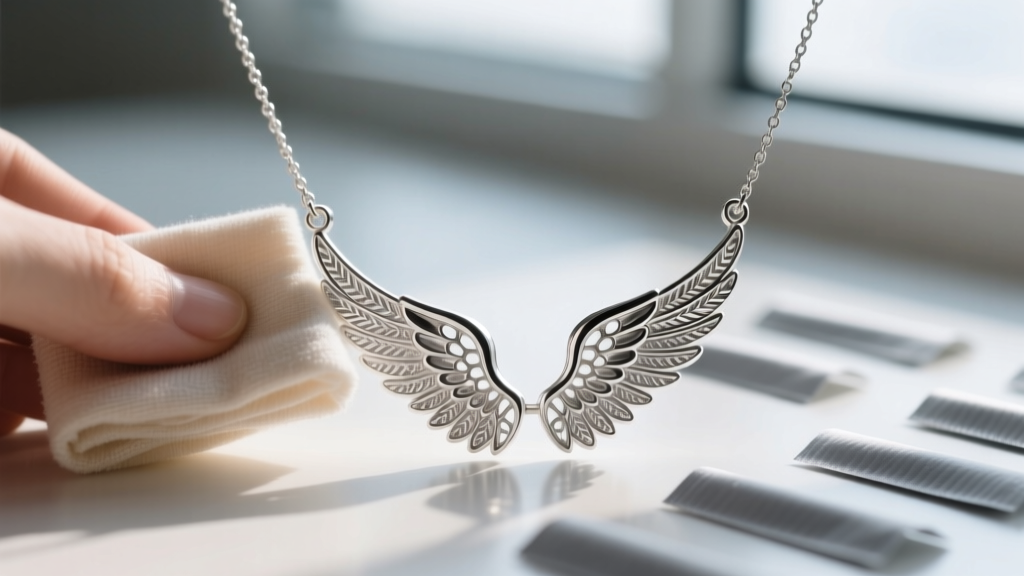
- Storage: Never leave silver exposed to open air or bathroom humidity. Store the necklace in an airtight polyethylene ziplock bag alongside a 3M anti-tarnish strip, which absorbs ambient sulfur compounds.
- Chemical Avoidance: Remove the necklace before swimming in chlorinated pools or using household cleaners. Chlorine reacts with the copper alloy in 925 silver, causing permanent structural brittleness and a greenish-black discoloration.
- Polishing: Use a treated silver polishing cloth (like a Sunshine cloth) for light tarnish. Avoid liquid silver dips, as they strip away intentional oxidation and can damage rhodium plating.
Final Verdict: Choosing Your Guardian Piece
An angel wings necklace is more than an accessory; it is a wearable talisman. When evaluating an angel wings necklace silver options, prioritize solid 925 or Argentium silver, demand lost-wax casting for realistic feather depth, and pair the pendant with a wheat or box chain equipped with a lobster clasp. By focusing on these structural and metallurgical realities rather than just the initial visual appeal, you ensure that your guardian piece remains a pristine, enduring symbol for decades to come.


