Choker Necklaces Meaning: Symbolism & 2026 Trends
Discover the choker necklaces meaning across history and 2026 trends. Learn how material, width, and styling decode the modern symbolism of this iconic piece.

The Historical Evolution of Choker Necklaces Meaning
To understand the modern choker necklaces meaning, we must first examine the silhouette’s volatile history. Unlike long pendants that suggest romance or minimalism, the choker sits intimately at the base of the throat, making it an inherently provocative and protective adornment. The earliest recorded instances date back to ancient Egypt and Mesopotamia, where broad gold collars were worn as amulets to protect the jugular vein from spiritual and physical harm.
However, the cultural symbolism shifted dramatically in 16th-century Europe. Anne Boleyn famously wore a pearl-strand choker featuring a dangling 'B' pendant, transforming the piece into a symbol of aristocratic defiance and personal branding. By the 1790s, during the French Revolution, the choker took on a macabre political meaning; women wore thin red ribbons tightly around their necks to honor those who had perished by the guillotine. According to Vogue's historical fashion archives, this act of sartorial mourning cemented the choker's association with rebellion and mortality.
In the late 19th century, the narrative flipped again. Princess Alexandra of Denmark (later Queen Alexandra of the UK) popularized the 'dog collar' style—lavish, multi-strand pearl and diamond chokers designed to conceal a surgical scar on her neck. This sparked a Victorian trend where opulent chokers became the ultimate signifier of old-world wealth and exclusivity, a sharp contrast to the working-class women of the era who wore simple velvet ribbons, sometimes with a small cameo or locket attached.
Decoding Modern Symbolism by Material and Width
In 2026, the choker necklaces meaning is no longer monolithic; it is highly dependent on material grade, width, and structural rigidity. The modern wearer uses the choker as a semiotic tool to broadcast their personal brand, whether that aligns with 'quiet luxury,' cyber-grunge, or corporate power-dressing. Below is a breakdown of how specific choker archetypes are decoded in contemporary style culture.
| Style Archetype | Material & Width | 2026 Cultural Meaning | Ideal Neckline Pairing |
|---|---|---|---|
| The Minimalist | 3mm 18k Gold Vermeil Chain | Quiet Luxury, Understated Elegance | Scoop, Boat Neck, or Silk Camisole |
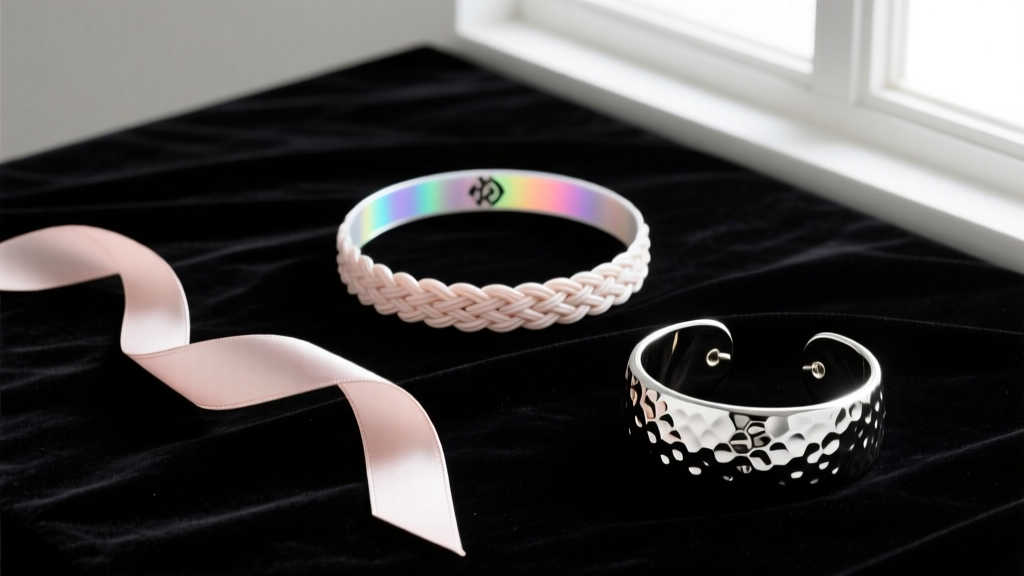
| The Nostalgic Rebel | 10mm Woven Nylon or Resin | Y2K Subversion, Approachable Edge | Crew Neck, Off-Shoulder, or Graphic Tee |
| The Romantic | 15mm Silk Velvet with Slide Clasp | Gothic Revival, Sensual Mystery | Sweetheart or Square Neckline |
| The Power Player | 25mm 316L Stainless Steel Cuff | Corporate Disruption, Modern Armor | Deep V-Neck, Strapless, or Tailored Blazer |
The Romantic Revival: Velvet and Silk
Velvet chokers have shed their strictly 1990s-grunge connotations, evolving into markers of dark romance and neo-Victorian elegance. In 2026, the focus is on high-grade silk-blend velvets (typically 12mm to 18mm wide) finished with 925 sterling silver slide clasps rather than cheap lobster claws. The meaning here is deeply tied to intimacy and vintage sensuality. Stylists recommend anchoring a black or deep oxblood velvet choker with a single, bezel-set moonstone or sapphire pendant to elevate the piece from costume jewelry to fine adornment.
The Power Statement: Architectural Metals
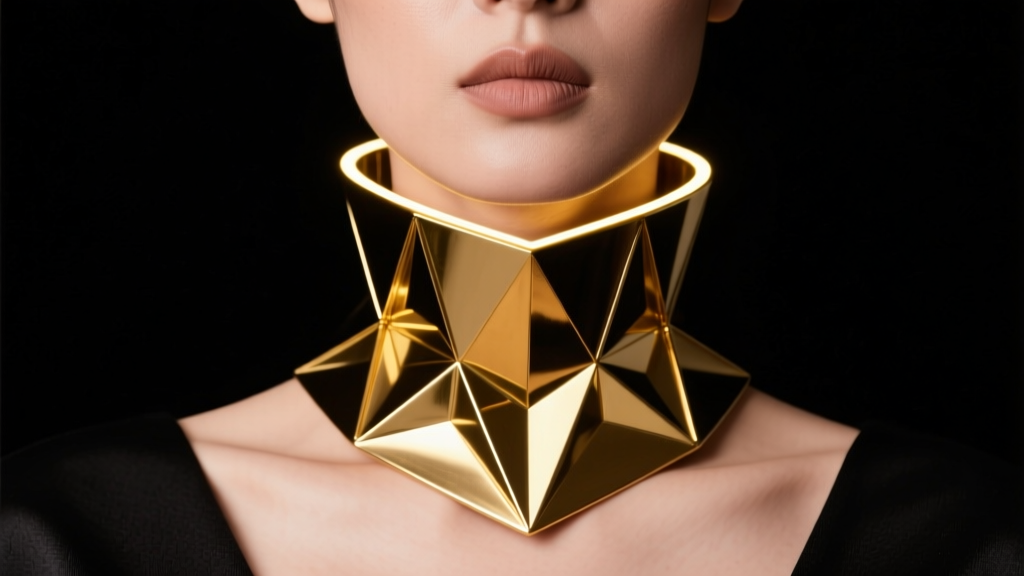
Rigid metal collars and cuffs represent the 'armor' aspect of the choker necklaces meaning. Popularized on recent runways, asymmetrical titanium and hammered 316L stainless steel cuffs signify authority and boundary-setting. Unlike flexible chains that move with the body, a 25mm rigid collar forces the wearer to maintain posture, projecting an aura of unyielding confidence. These pieces are heavily favored in high-fashion editorial spaces and avant-garde corporate environments where traditional pearl strands feel too conservative.
The 2026 Cascade Layering Framework
While a solitary choker makes a definitive statement, the 2026 trend landscape heavily favors the 'Cascade Method'—a precise layering technique that uses the choker as the foundational anchor. The primary challenge with layering is tangling and visual clutter. To achieve a curated, meaningful stack, you must adhere to strict length and weight differentials.
- The Anchor (14 inches): A micro-choker (2-4mm) or solid band that sits flush against the clavicle. This represents grounding and intimacy.
- The Bridge (16 inches): A princess-length chain featuring a mid-weight geometric pendant or a solitary baroque pearl. This bridges the gap between the neck and the chest.
- The Statement (18-20 inches): A matinee-length piece with substantial weight, such as a heavy Cuban link or a large gemstone drop. This draws the eye downward, elongating the torso.
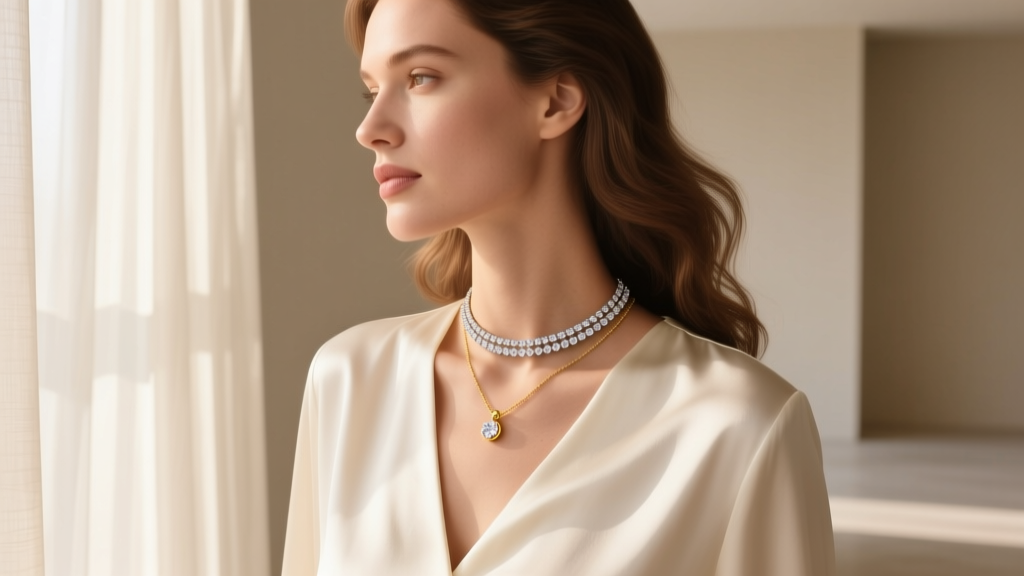
When executing this framework, hardware consistency is critical. Mixing a polished 18k yellow gold choker with a matte oxidized silver mid-chain creates visual dissonance unless intentionally aiming for a chaotic, deconstructed aesthetic. Furthermore, ensure all chains feature matching gauge thicknesses at the clasp points to prevent weaker links from snapping under the friction of heavier layers.
Metallurgy and Sourcing: A Buyer’s Guide
Understanding the choker necklaces meaning also requires an appreciation for the materials that construct them, as material integrity dictates longevity and skin safety. Because chokers sit tightly against the pulse points where skin is thin and prone to sweating, metallurgical choices are paramount.
For gold-toned chokers, demand 18k Gold Vermeil. According to FTC guidelines and international jewelry standards, true vermeil requires a base of 925 sterling silver plated with a minimum of 2.5 microns of gold. Anything less (often labeled as 'gold dipped' or 'plated') will rapidly wear away against the friction of the neck, exposing the base metal and causing contact dermatitis. For rigid, silver-toned architectural cuffs, 316L Surgical Stainless Steel is the industry benchmark. Unlike 304 steel, 316L contains molybdenum, which drastically increases corrosion resistance and ensures compliance with strict EU REACH nickel-release regulations, making it hypoallergenic for prolonged, tight-skin contact.
For those exploring the avant-garde, 2026 has seen a surge in Grade 23 Titanium (Ti 6Al-4V ELI) chokers. Originally developed for aerospace and medical implants, this alloy is incredibly lightweight yet possesses immense tensile strength, allowing designers to craft massive, structural collars that do not strain the cervical spine. As noted by the Gemological Institute of America (GIA) in their broader discussions on alternative jewelry metals, titanium's anodizing capabilities also allow for vibrant, non-toxic color shifts without the use of chemical dyes or enamel that could chip against the collarbone.
The Enduring Resonance of the Choker
Ultimately, the choker necklaces meaning is defined by its tension. It is a piece of jewelry that simultaneously adorns and restricts, protects and exposes. Whether you are donning a 3mm diamond tennis choker to signal refined luxury, or snapping on a woven resin band to channel 90s subculture, you are participating in a centuries-old dialogue about power, vulnerability, and identity. As we navigate the style landscape of 2026, the choker remains the most potent tool in the jewelry box for controlling exactly how the world reads you from the neck up.


