Agmes Cora Recycled Silver and Cord Necklace: Material Deep Dive
Explore the material properties of the Agmes Cora recycled silver and cord necklace, comparing sustainable metals and durable cord options.

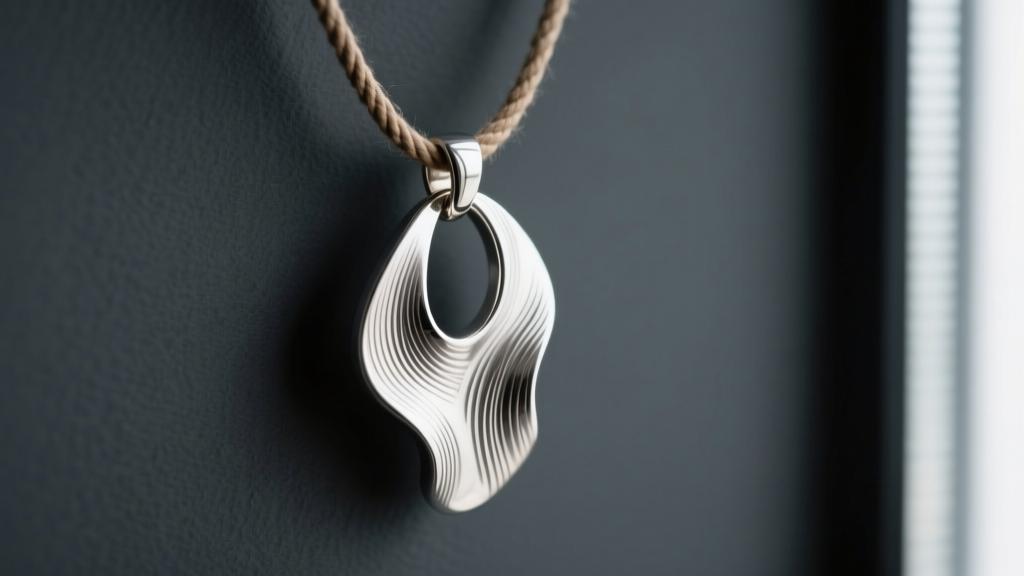
When evaluating contemporary sustainable jewelry, the intersection of sculptural design and material science is where true value emerges. The agmes cora recycled silver and cord necklace serves as a masterclass in this intersection. By pairing a substantial, organically shaped recycled sterling silver pendant with a flexible, non-metallic cord, Agmes challenges the traditional paradigm that fine jewelry must rely entirely on precious metal chains. But how do these materials actually perform over years of daily wear? In this comprehensive material deep dive, we strip away the marketing gloss and examine the metallurgical realities of recycled silver, the tensile mechanics of jewelry cords, and the long-term maintenance this specific combination demands.
The Anatomy of the Agmes Cora Necklace
The Agmes Cora is defined by its fluid, asymmetrical silver pendant, typically weighing between 15 and 25 grams. This substantial weight dictates the structural requirements of its suspension system. Rather than using a delicate 1.2mm sterling silver cable chain—which would be prone to kinking and snapping under the dynamic load of a 25g pendant—Agmes utilizes a heavy-duty braided or waxed cotton cord. This is not merely an aesthetic choice; it is a structural necessity. The bail (the loop connecting the pendant to the cord) is engineered with a smooth, polished interior to minimize friction against the textile fibers, a critical detail we will explore further when discussing material degradation.
Recycled Sterling Silver vs. Virgin Silver: A Metallurgical Breakdown
A common misconception in the jewelry industry is that recycled sterling silver is structurally inferior to virgin, mined silver. From a metallurgical standpoint, this is entirely false. Sterling silver is an alloy consisting of 92.5% pure silver and 7.5% copper (or occasionally other metals like zinc or germanium in specialized anti-tarnish alloys).
The Electrolytic Refining Process
Whether sourced from a subterranean vein or reclaimed from industrial e-waste and vintage jewelry, the silver must undergo electrolytic refining to reach the 99.9% purity required before re-alloying. According to The Silver Institute, the recycling process involves dissolving scrap silver in nitric acid to create silver nitrate, followed by an electrolytic cell that plates pure silver onto a cathode. The resulting silver crystal structure is identical to mined silver. Once re-alloyed with 7.5% copper, the tensile strength, Vickers hardness, and ductility of the recycled .925 silver are indistinguishable from virgin silver. The primary difference lies in the environmental footprint: recycling silver requires approximately 95% less energy and eliminates the toxic heavy metal runoff associated with traditional silver mining, aligning with the circular economy principles championed by the Ellen MacArthur Foundation.
Cord vs. Chain: Tensile Strength, Friction, and Wearability
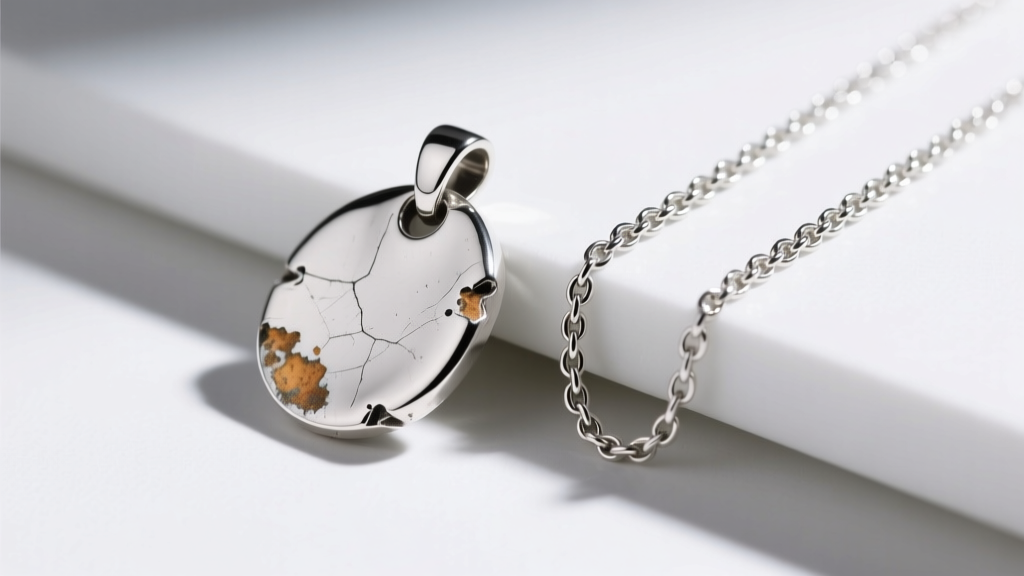
The decision to suspend a heavy silver pendant on a cord rather than a chain fundamentally alters the necklace's wear profile. To understand why, we must compare the physical properties of common jewelry suspension materials.
| Material | Avg. Tensile Strength | Water Resistance | Friction Wear at Bail | Weight Capacity |
|---|---|---|---|---|
| 2mm Waxed Cotton Cord | ~65 lbs (29 kg) | Moderate (Wax repels) | Low (if bail is polished) | Up to 50g safely |
| 1.5mm Sterling Cable Chain | ~12 lbs (5.4 kg) | High | Moderate (Metal-on-metal) | Up to 15g safely |
| 1mm Hemp/Leather Cord | ~25 lbs (11 kg) | Low (Degrades in water) | High (Fibers catch on metal) | Up to 20g safely |
| 2mm Vulcanized Rubber | ~40 lbs (18 kg) | Excellent | Very Low | Up to 40g safely |
As the data illustrates, a high-quality waxed cotton cord vastly outperforms a standard 1.5mm sterling silver chain in sheer tensile strength. A 25-gram pendant swinging dynamically as you walk generates momentary kinetic loads that can easily exceed 10 lbs of force. A delicate chain is highly susceptible to link deformation at the solder points under these loads. The waxed cotton cord, however, absorbs and distributes this kinetic energy across its braided fibers, making it significantly more durable for heavy, sculptural pendants like the Cora.
Tarnish, Patina, and Long-Term Maintenance
The 7.5% copper in sterling silver is the culprit behind tarnish. Copper reacts with sulfur dioxide and hydrogen sulfide in the atmosphere to form copper sulfide, the blackish layer we recognize as tarnish. Does recycled silver tarnish faster? No. The alloy composition is identical. However, the surface finish of the Agmes Cora dictates how tarnish manifests and how it must be cleaned.
The Challenge of Matte and Brushed Finishes
The Cora pendant typically features a brushed or matte finish to highlight its organic, sculptural topography. Unlike a high-polish mirror finish, a brushed finish consists of thousands of microscopic grooves. These grooves trap skin oils, lotions, and environmental sulfur compounds more readily than a smooth surface.
- Do Not Use Standard Polishing Cloths: Abrasive jeweler's cloths are designed to remove tarnish by micro-scratching the surface. Using them on a brushed finish will gradually buff out the texture, leaving a shiny, uneven patch.
- The Ultrasonic Trap: While ultrasonic cleaners are excellent for removing dirt from the microscopic grooves of a matte finish, they can be too harsh if the pendant has any oxidized (blackened) accents intentionally applied by the designer to create depth.
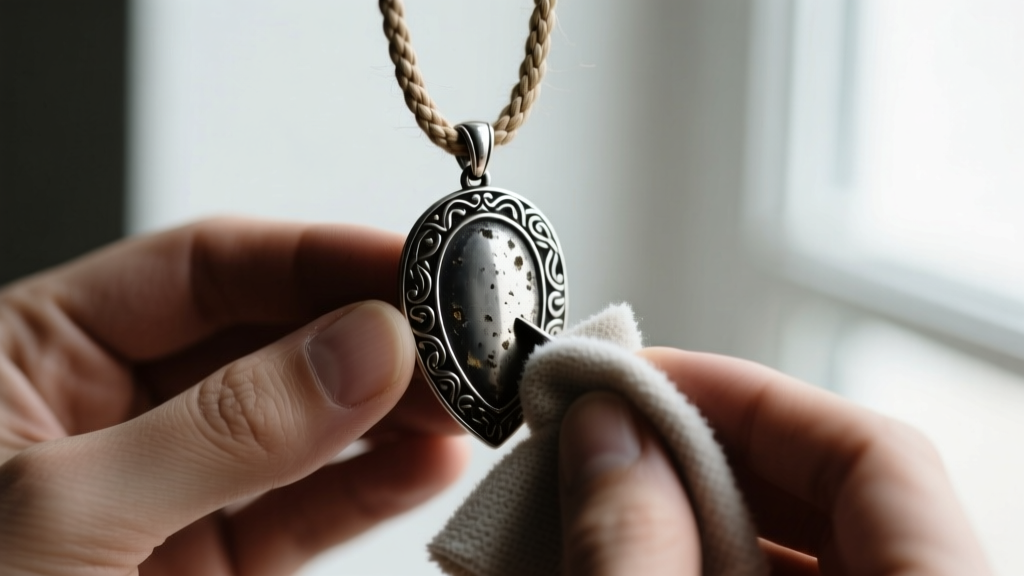
- Optimal Cleaning Protocol: Use a soft-bristled baby toothbrush with a drop of mild, phosphate-free dish soap and warm water. Gently agitate the grooves, rinse thoroughly, and pat dry with a microfiber cloth. This removes the sulfur compounds without altering the brushed grain of the recycled silver.
Caring for the Textile Cord
While the silver requires chemical management, the cord requires mechanical care. Over time, the friction against the neck and the bail will wear away the protective wax coating on the cotton fibers. When the cord begins to look fuzzy or loses its water resistance, it can be re-waxed. Rubbing a small amount of natural beeswax or specialized thread wax into the fibers and gently melting it with a hairdryer will restore the cord's structural integrity and moisture barrier. Avoid wearing the cord in the shower or ocean; while the silver will survive, the prolonged exposure to hot water and salt will degrade the cotton fibers and strip the wax, leading to premature fraying.
Final Verdict: Who is this Material Combination For?
The agmes cora recycled silver and cord necklace is an engineering triumph disguised as minimalist art. It is specifically engineered for individuals who prefer substantial, heavy-gauge jewelry but are frustrated by the fragility and kinking of traditional metal chains. The use of certified recycled silver ensures that the metallurgical integrity is uncompromised while drastically reducing the ecological footprint of the piece. However, it demands a wearer who understands the nuances of matte silver maintenance and is willing to occasionally re-wax the textile cord. If you are willing to engage with the physical realities of your materials, this necklace offers a lifetime of sustainable, sculptural wear.


