How to Choose the Perfect Ahava Necklace: A Buyer's Guide
Discover how to choose the perfect Ahava necklace. Our expert buying guide covers Hebrew font styles, precious metal grades, and chain sizing.

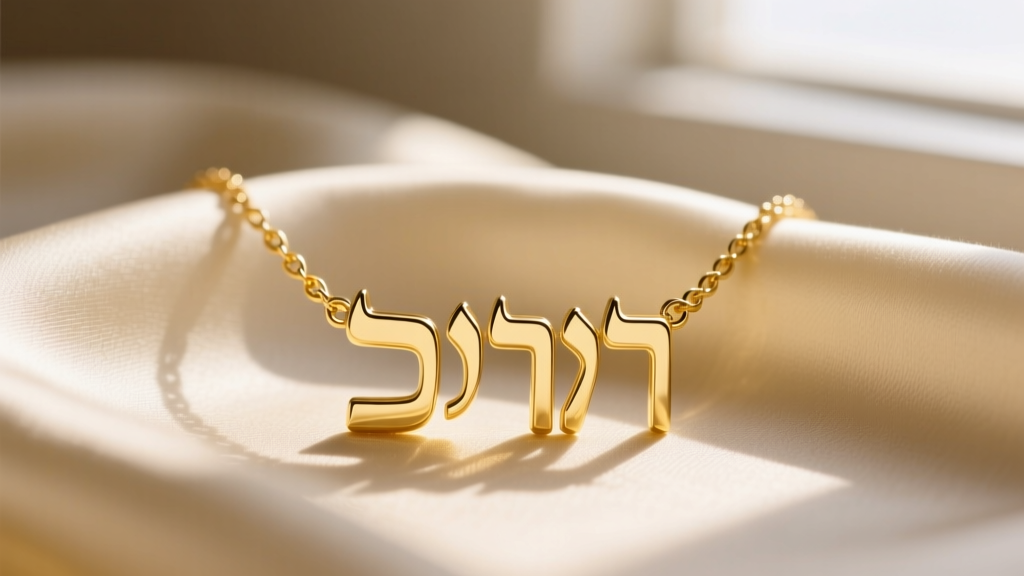
The Hebrew word Ahava (אהבה) translates directly to 'love,' making an Ahava necklace one of the most profoundly meaningful jewelry gifts you can offer. Whether you are shopping for a bat mitzvah present, an anniversary gift, or a personal reminder of affection, selecting the right piece requires more than just picking a pretty chain. The intersection of linguistic accuracy, metallurgical durability, and aesthetic proportion turns this purchase into a nuanced decision.
As jewelry artisans continue to innovate in 2026, the market is flooded with both mass-produced stampings and exquisite handcrafted Judaica. This comprehensive buying guide will walk you through the exact specifications, material grades, and structural details you need to evaluate before investing in an authentic, high-quality Ahava pendant.
Decoding Hebrew Calligraphy: Font Styles to Look For
The most critical aspect of any Hebrew word necklace is the typography. Because Hebrew is read right-to-left and relies on intricate character loops, a poorly designed font can render the word illegible or culturally disconnected. When evaluating an Ahava necklace, you will generally encounter three distinct calligraphic styles:
1. Ktav Stam (Sacred Scroll Script)
This is the traditional, ornate font used by scribes when writing Torah scrolls. The letters feature distinct 'crowns' (tagin) on top and thick-to-thin stroke variations. An Ahava pendant crafted in Ktav Stam carries deep religious and historical weight. However, because the letters are highly detailed, this style requires a larger pendant face (typically at least 22mm wide) to ensure the inner loops of the Alef (א) and Bet (ב) do not fill in with metal during the casting process.
2. Modern Block (Sans-Serif)
For a contemporary, minimalist look, many jewelers use a modern block font. This style strips away the calligraphic flourishes, presenting the four letters in clean, uniform strokes. This is the most popular choice for everyday wear and layered necklace stacks. The structural integrity of modern block pendants is excellent, as the uniform thickness prevents weak points that could bend or snap over time.
3. Stylized Cursive (Rashi or Custom Artisan)
Some high-end artisans blend traditional Rashi script with modern cursive flow, connecting the letters into a single, continuous metallic ribbon. While visually stunning, buyers must verify the artisan's fluency in Hebrew. Machine-generated cursive fonts often misalign the baseline, making the word look like gibberish to a native reader.
Metal Grades and Durability: What to Buy
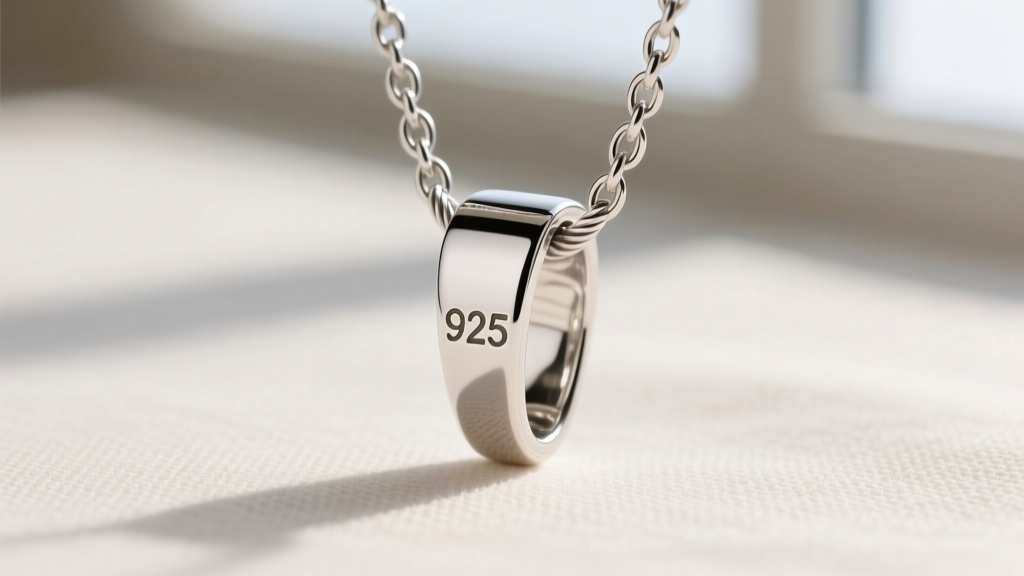
The longevity of your Ahava necklace depends entirely on the metal alloy. Because the pendant rests against the collarbone—a high-friction, high-sweat area—choosing the right precious metal is non-negotiable. According to the Gemological Institute of America (GIA), understanding hallmark stamps is your first line of defense against misrepresentation.
| Metal Type | Hallmark Stamp | Purity | Durability & Tarnish | Estimated Price Range |
|---|---|---|---|---|
| Sterling Silver | 925 | 92.5% Silver, 7.5% Copper | Prone to oxidation; requires rhodium plating or frequent polishing. | $80 - $180 |
| 14k Yellow/White Gold | 585 or 14k | 58.5% Pure Gold | Excellent daily durability; highly resistant to tarnish and scratching. | $250 - $550 |
| 18k Yellow/Rose Gold | 750 or 18k | 75.0% Pure Gold | Rich color and hypoallergenic, but softer and more prone to micro-scratches. | $450 - $900+ |
Expert Tip: If you opt for white gold or sterling silver, ensure the piece has been flash-plated with rhodium. Rhodium not only provides a brilliant, mirror-like finish but also acts as a barrier against the copper in the alloy reacting with your skin's pH levels, which can cause green discoloration.
Chain Selection: Matching the Bail and Weight
A common failure point in Hebrew name necklaces is the chain-to-pendant ratio. The word Ahava is horizontally oriented, meaning the pendant acts as a wide bar. This horizontal weight distribution requires specific chain dynamics to prevent the pendant from constantly flipping upside down or sliding off-center.
The Importance of the Bail
The bail is the loop that connects the pendant to the chain. For an Ahava bar, avoid standard jump rings soldered to the top of a single letter. Instead, look for a hidden slide bail or a wide tube bail (at least 4mm in width) soldered horizontally across the back of the pendant. This ensures the necklace lays flat against the sternum. If the pendant features diamond accents embedded in the letters, a secure, wide bail prevents the torque that could eventually loosen the prongs.
Recommended Chain Gauges and Styles
Most authentic Ahava pendants weigh between 1.8 grams and 3.5 grams. To support this weight without overpowering the delicate Hebrew calligraphy, you need a chain that balances tensile strength with visual subtlety.
- 1.0mm to 1.2mm Box Chain: The best overall choice. The square links provide exceptional tensile strength (often holding up to 15 lbs of pressure) while offering a smooth surface that won't catch on the pendant's bail.
- 1.5mm Cable Chain: A classic, durable option, but ensure the links are soldered shut. Unsoldered cable links can pull apart if the pendant snags on clothing.
- Avoid Rope Chains: The twisted grooves of a rope chain act like a micro-file against the metal bail of the pendant, accelerating wear and tear over years of daily use.
For length, an 18-inch chain is the industry standard for a horizontal bar pendant, allowing it to rest perfectly at the collarbone. If you prefer a choker-style layering look, opt for a 16-inch chain, but ensure the pendant width does not exceed 25mm, or it will look disproportionately large.
Pricing Tiers and Authenticity Markers
When shopping for an Ahava necklace, pricing is a strong indicator of manufacturing origin and material integrity. Here is how the market is currently segmented:
Tier 1: Mass-Market & Dropshippers ($40 - $120)
Often found on massive e-commerce platforms, these pieces are typically stamped from thin sheets of silver or gold-plated brass. The Hebrew fonts are often generic computer-generated typesets that lack proper proportion. The gold plating is usually less than 0.5 microns thick, meaning it will wear off within months of daily use.
Tier 2: Specialized Judaica Artisans ($200 - $600)
This is the sweet spot for quality and authenticity. Jewelers specializing in Jewish heritage jewelry cast their pieces in solid 14k gold or heavy rhodium-plated sterling silver. They employ native Hebrew speakers to verify calligraphy and use precision laser-welding to attach bails, ensuring long-term structural integrity.
Tier 3: High-End Designer & Custom ($800 - $2,500+)
At this level, you are paying for bespoke design, premium 18k gold, and gemstone integration. Designers may incorporate pavé diamonds into the strokes of the Alef or use negative space to create the letters. These pieces come with certified gemological documentation and lifetime structural warranties.
Care and Maintenance for Hebrew Engravings
The intricate inner loops of Hebrew letters—specifically the top loop of the Hey (ה) and the enclosed spaces of the Bet (ב)—are natural traps for skin oils, lotions, and environmental dust. Over time, this buildup will dull the contrast between the metal and the background, making the word difficult to read.
To maintain the crispness of the calligraphy, clean your Ahava necklace every three weeks using a solution of warm water and a few drops of phosphate-free dish soap. Use a baby toothbrush with ultra-soft bristles to gently agitate the inner loops of the letters. Never use silver dip solutions or harsh chemical polishes on oxidized or antiqued Hebrew pendants. Many artisans intentionally darken the background of the letters (a process called antiquing) to make the raised gold or silver script pop. Chemical dips will strip this dark patina instantly, leaving the pendant looking flat and washed out.
By prioritizing authentic calligraphy, verifying metal hallmarks, and selecting a proportionate chain, your Ahava necklace will remain a stunning, structurally sound testament to love for decades to come. For further reading on the cultural significance of Hebrew terms in jewelry, resources like My Jewish Learning offer excellent historical context on how these sacred letters have been worn as amulets and expressions of faith throughout history.


