The Albanian Necklace: 2026 Filigree Trends & Styling
Discover the 2026 resurgence of the Albanian necklace. Explore traditional filigree techniques, silver grades, and modern layering methods.

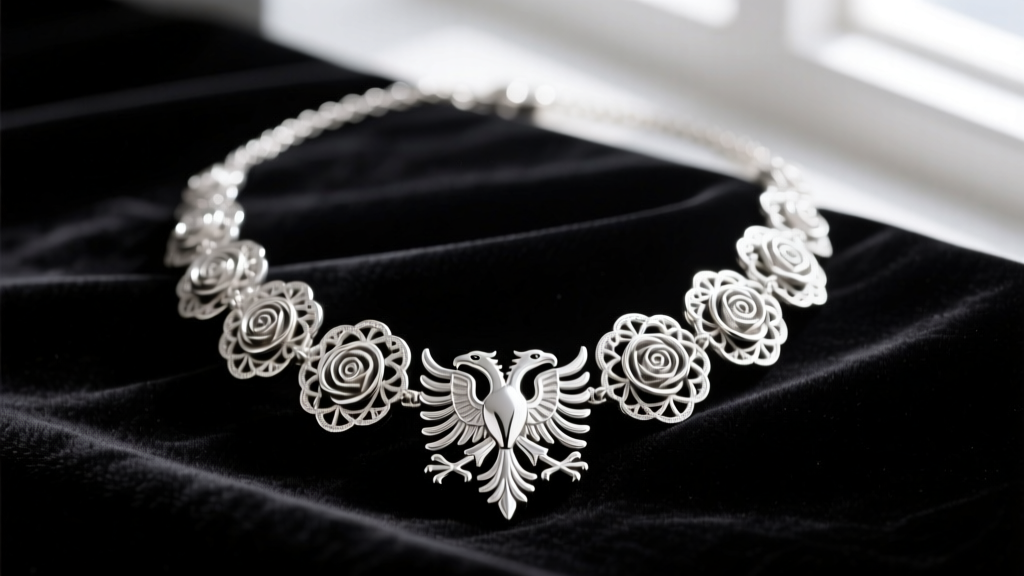
The Renaissance of the Albanian Necklace in 2026
In the landscape of 2026 jewelry trends, the pivot from ultra-minimalist aesthetics to rich, heritage-driven metalwork has brought the Albanian necklace into the global spotlight. Historically reserved for bridal trousseaus, ceremonial events, and the iconic xhubleta costume, traditional Balkan jewelry is experiencing a massive revival. Contemporary stylists and heritage jewelers are reimagining these pieces, transforming heavy, ornate chest plates into delicate, wearable filigree pendants and layered chains that bridge the gap between ancient Illyrian craftsmanship and modern everyday elegance.
The modern Albanian necklace is no longer just a souvenir or a museum artifact; it is a statement of cultural pride and artisanal appreciation. By miniaturizing traditional motifs and pairing them with modern chain gauges, today's designers are making centuries-old techniques relevant for the modern wardrobe. Whether you are sourcing an authentic piece from a workshop in Prizren or Shkodër, or investing in a contemporary designer's homage to Balkan metalwork, understanding the anatomy of these necklaces is crucial for making an informed purchase.
Decoding Traditional Motifs and Metalwork
The soul of an authentic Albanian necklace lies in its metalwork—specifically, the ancient techniques of filigree and granulation. Unlike cast jewelry, which is molded from liquid metal, true filigree involves the meticulous manipulation of fine wires. Artisans twist two or more strands of 0.2mm to 0.4mm sterling silver or gold wire, flatten them slightly to create a ribbed texture, and then solder them into intricate geometric or floral patterns within a structural frame.
The Symbolism of the Shqiponja and the Sun
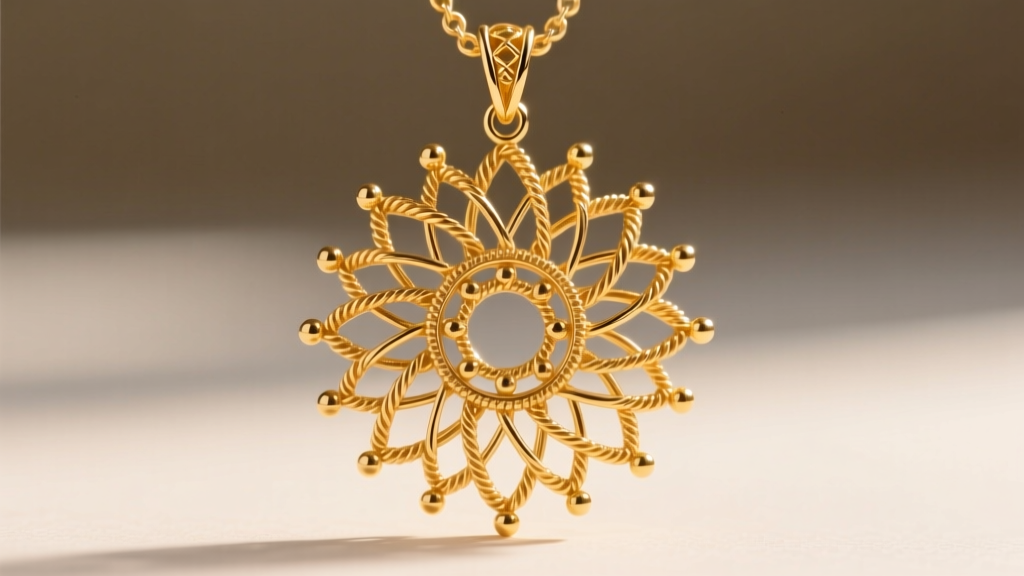
Motifs are deeply symbolic in Albanian heritage. The double-headed eagle (shqiponja) is the most recognizable emblem, representing bravery, freedom, and the historic Kastrioti coat of arms. In 2026, we are seeing a trend toward abstract, geometric interpretations of the eagle, allowing for smaller, more subtle pendants (typically 15mm to 25mm in diameter) that sit elegantly on the collarbone. Another prevalent motif is the Illyrian sunburst, characterized by radiating granulated beads that symbolize life and vitality. According to historical archives at the Victoria and Albert Museum, these granulation techniques trace back to ancient Mediterranean and Balkan trade routes, showcasing a mastery of metallurgy that predates modern soldering methods.
Material Grades and Authenticity Markers
When shopping for an Albanian necklace, understanding material grades and pricing structures will protect you from mass-produced imitations. Authentic artisan pieces require dozens of hours of hand-soldering, which is reflected in the price point. Below is a comparative breakdown of what to expect in the current market.
| Material & Technique | Price Range (USD) | Durability | Authenticity Markers |
|---|---|---|---|
| Artisan 925 Sterling (Hand-woven Filigree) | $120 - $350 | High | Visible twisted wire texture, slight organic asymmetries, oxidized contrast. |
| 18k Gold Vermeil (Filigree) | $250 - $600 | Medium-High | Thick 2.5-micron gold plating over 925 silver, stamped '925' and 'Vermeil'. |
| Solid 14k Gold (Granulation & Filigree) | $900 - $2,500+ | Very High | Heirloom quality, no plating to wear off, bespoke artisan hallmarks. |
| Mass-Market Cast Silver | $30 - $80 | Low | Soft, rounded edges (lack of wire 'bite'), uniform symmetry, lightweight. |
To spot a fake, use a jeweler's loupe to examine the edges of the wire. Hand-twisted filigree has a distinct, crisp ribbed texture. CAD/CAM cast imitations will look soft, melted, and perfectly uniform, lacking the microscopic solder joints that characterize genuine hand-woven work.
The Science of the Finish: Oxidation vs. Polish
Traditional Albanian silver necklaces are almost exclusively finished with an oxidized patina. Artisans use a chemical compound, typically liver of sulfur, to darken the silver. The piece is then lightly polished on the high points, leaving the recessed areas and the intricate spaces between the filigree wires dark. This high-contrast finish is not just aesthetic; it is structural. The dark background makes the 0.3mm silver wires pop, giving the necklace its signature three-dimensional depth.
As noted by the Gemological Institute of America (GIA), oxidized silver requires specific care to maintain its contrast. Never put an oxidized Albanian filigree necklace in an ultrasonic cleaner or use harsh silver dip solutions, as these will strip the intentional patina and leave the piece looking flat and washed out. Instead, clean it gently with a soft, dry microfiber cloth and mild, non-abrasive soap if absolutely necessary.
Mastering the Layering Framework
The 2026 styling approach to heritage jewelry relies on juxtaposition. Pairing the heavy, historical weight of an Albanian pendant with modern, industrial chain styles creates a balanced, contemporary look. Here is a precise layering framework to achieve this:
- The Base Layer (16 inches): Use a 1.2mm to 1.5mm oxidized sterling silver rope chain. The twisted texture of the rope chain mimics the filigree wire, creating a cohesive visual language without overpowering the pendant.
- The Focal Point (18 inches): This is where your primary Albanian necklace sits. Opt for a 20mm to 25mm filigree rosette or eagle pendant on a slightly heavier 2.0mm box chain. The box chain provides structural support for heavier solid silver pendants while offering a modern, geometric contrast to the organic curves of the filigree.
- The Outer Layer (22 to 24 inches): Introduce a mixed-metal element. A 2.5mm 14k gold paperclip chain with a minimalist, solid gold geometric drop (such as a simple sunburst disc) adds warmth and breaks up the monochromatic silver palette.
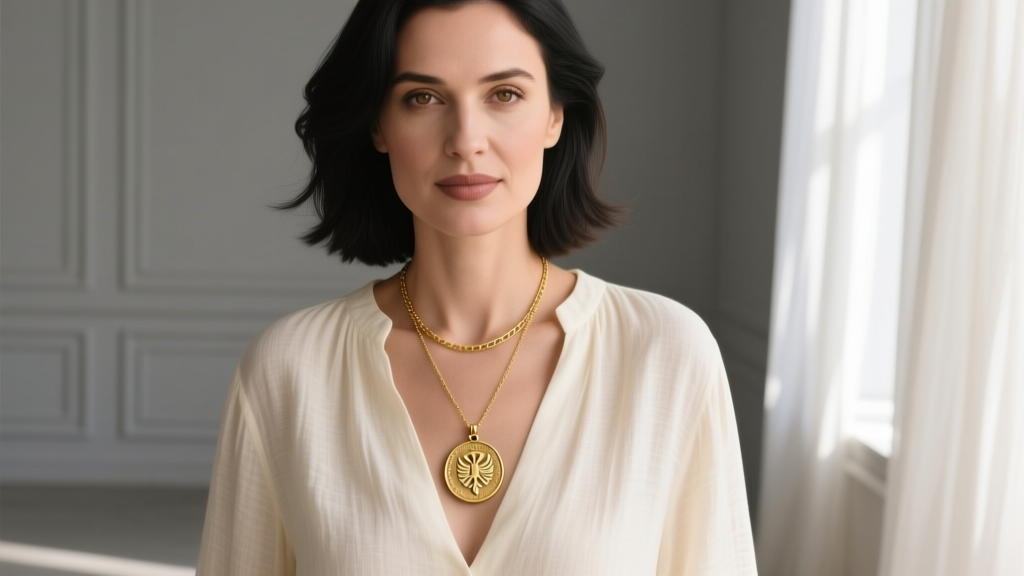
Neckline Pairings for Heritage Pendants
The intricate nature of an Albanian necklace demands the right canvas. Because filigree pendants are highly detailed, they can easily get lost against busy patterns or competing textures.
The V-Neck and Plunging Necklines
A deep V-neck acts as a natural frame for a layered Albanian necklace setup. The downward angle of the neckline draws the eye directly to the focal pendant. Ensure your 18-inch pendant sits exactly at the apex of the V-neck for maximum visual impact.
The Square Neck and Boat Neck
For square necklines, which have strong horizontal and vertical lines, opt for a single, bold Albanian choker or a 16-inch collar necklace featuring a continuous band of filigree rosettes. This complements the architectural lines of the garment without creating visual clutter.
Sourcing Authentic Artisan Pieces
If you are looking to invest in a genuine piece, provenance matters. The cities of Prizren (in Kosovo) and Shkodër (in Albania) remain the historic epicenters of Balkan filigree. Many multi-generational workshops in these regions have begun exporting directly to global consumers via specialized heritage e-commerce platforms. When buying online, look for jewelers who provide video evidence of their bench work, showing the actual twisting and soldering of the wires. Avoid generic marketplace listings that use the term 'Albanian style' as a mere descriptor for mass-produced, cast-alloy jewelry. True heritage jewelry is an investment in human time, cultural survival, and masterful metallurgy, and wearing an authentic Albanian necklace in 2026 is a powerful way to keep that ancient fire burning.


