Anastasia Together in Paris Necklace: Troubleshooting & Repair Guide
Is your Anastasia Together in Paris necklace tarnishing or breaking? Learn expert troubleshooting, chain upgrades, and locket repair techniques.

The Nostalgia Trap: Why Replicas Fail
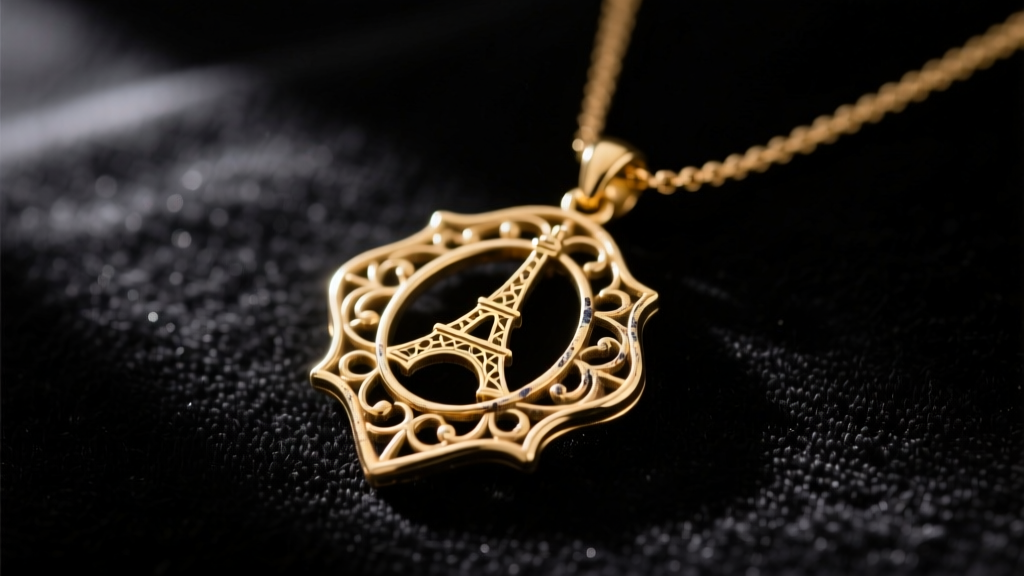
For fans of the 1997 animated classic, the Anastasia Together in Paris necklace remains a highly coveted piece of memorabilia. Whether it is the iconic Romanov-inspired pendant or the intricate music box locket versions, the market is flooded with replicas. However, as of 2026, the vast majority of these mass-produced pieces are manufactured from cheap zinc alloys or pot metal with a microscopically thin flash plating of gold or silver. While they look stunning on the screen or in the display case, daily wear quickly exposes their structural and metallurgical flaws.
This comprehensive troubleshooting guide will help you diagnose common failures, stop skin discoloration, and upgrade your cherished Anastasia Together in Paris necklace into a durable, heirloom-quality piece.
Diagnosing Common Replica Failures
Before attempting any repairs, you must identify the exact point of failure. Replica jewelry typically suffers from three primary issues rooted in cost-cutting manufacturing processes.
| Failure Mode | Symptoms | Root Cause |
|---|---|---|
| Plating Loss | Brassy or coppery undertones showing through the gold/silver finish. | Flash plating is often less than 0.05 microns thick, wearing off from friction and skin oils. |
| Chain Snapping | The necklace breaks near the clasp or pendant bail. | Use of hollow, 0.8mm or thinner cable chains that cannot support the pendant's weight. |
| Clasp Malfunction | The clasp refuses to stay closed or the internal spring snaps. | Pot metal spring rings lack the tensile strength and corrosion resistance of steel or precious metals. |
The Green Skin Problem: Metallurgy and Solutions
The most frequent complaint among collectors is the dreaded 'green neck' effect. This is not an allergic reaction, but a galvanic chemical reaction. The base metal of most Anastasia Together in Paris necklace replicas is a brass or copper-heavy zinc alloy. When the ultra-thin plating wears away, the copper reacts with the lactic acid and salts in your sweat, creating copper chloride—a green compound that stains the skin.
Temporary vs. Permanent Fixes
A common internet hack suggests painting the back of the pendant with clear nail polish. While this creates a temporary physical barrier, nail polish yellows, chips, and degrades within a few weeks, requiring constant reapplication. A far superior, semi-permanent solution is to use a specialized jewelry coating like Jeweler's Skin Protector, which utilizes a polyurethane-based formula designed to flex with the metal and resist skin acids for up to six months.
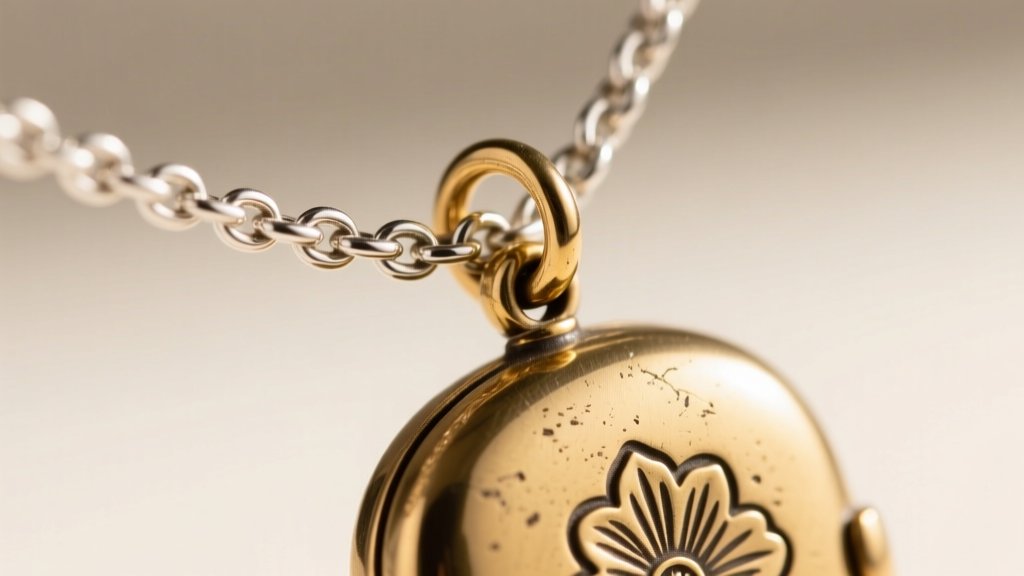
However, the only permanent solution is material replacement. If the pendant bail (the loop connecting the pendant to the chain) is the culprit, a local bench jeweler can snip off the alloy bail and solder on a solid 925 sterling silver or 14k gold-filled bail. According to Jewelers of America, upgrading the contact points to hypoallergenic precious metals completely eliminates the oxidation reaction.
Upgrading the Chain and Clasp for Longevity
The chains included with replica necklaces are almost universally inadequate. They are typically lightweight cable chains measuring 0.8mm to 1.0mm in diameter, secured by fragile spring ring clasps. To properly support the weight of a detailed locket or heavy pendant, you must upgrade the hardware.
Choosing the Right Chain Profile and Gauge
For a pendant of this size, you need a chain that offers structural integrity without overpowering the design. We recommend upgrading to a 1.5mm to 2.0mm Rolo or Curb chain crafted from solid 925 sterling silver or 14k gold vermeil. The Gemological Institute of America (GIA) notes that true gold vermeil must feature a sterling silver base with a gold plating of at least 2.5 microns, ensuring the chain will not quickly wear down to a base metal core like the original replica.
Step-by-Step Chain and Clasp Replacement
- Remove the Old Hardware: Use two pairs of chain-nose pliers to gently twist open the jump ring connecting the pendant to the old chain. Never pull the jump ring apart laterally, as this will warp it into an oval shape.
- Prepare the New Jump Ring: Select a heavy-duty jump ring. For a standard Anastasia pendant bail, a 5mm outer diameter (OD), 20-gauge jump ring is ideal. It provides enough thickness to resist pulling apart under tension.
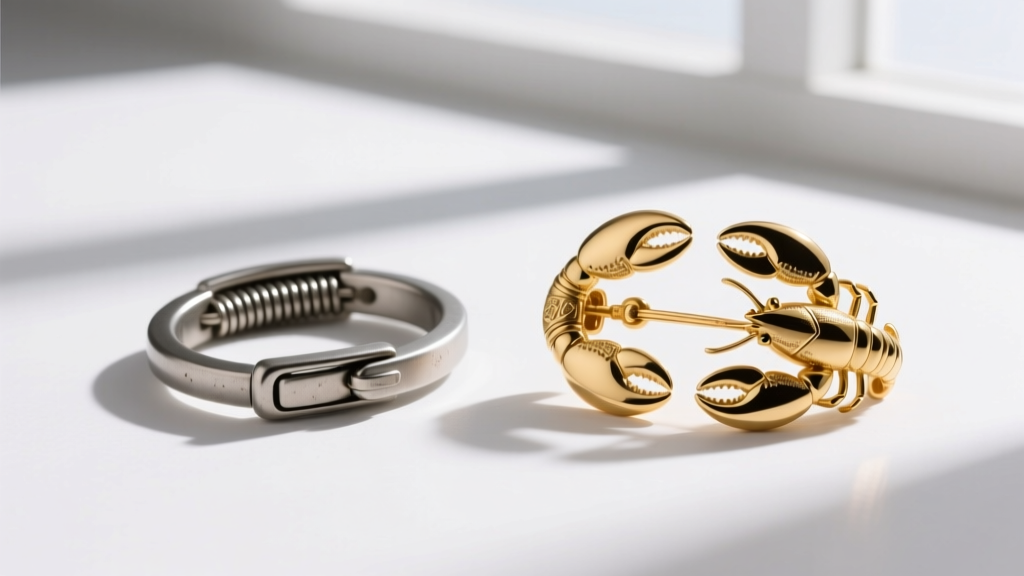
- Attach the Lobster Clasp: Discard the replica spring ring. Attach a 12mm or 15mm lobster claw clasp to one end of your new chain. Lobster clasps feature a solid body and a stronger internal spring mechanism, drastically reducing accidental unclasping.
- Secure the Connections: Twist all jump rings completely shut. For added security on heavy pendants, apply a microscopic drop of jewelry-grade cyanoacrylate adhesive to the seam of the jump ring, or have a jeweler laser-weld it shut.
Restoring the Locket Hinge and Music Box Mechanism
Many versions of the Anastasia Together in Paris necklace feature a functional locket or a miniature wind-up music box. Over time, these moving parts seize up due to the accumulation of dead skin cells, lotion residue, and verdigris (copper corrosion).
Unfreezing a Stuck Locket Hinge
If your locket refuses to open or close smoothly, do not force it. Forcing a cheap alloy hinge will snap the pin, rendering the piece unrepairable. Instead, use a wooden toothpick dipped in 90% isopropyl alcohol to gently scrub the hinge barrel. The alcohol will dissolve trapped oils and lotions without damaging the remaining plating. Once clean, apply a tiny drop of synthetic Moebius watch oil to the hinge pin using a fine needle. Avoid standard household oils like WD-40, which attract dust and eventually turn into a gummy residue that will permanently lock the hinge.
Troubleshooting the Music Box Winder
If you own the music box variant and the winding key slips or the music stops playing halfway through, the internal brass gears have likely stripped or the mainspring has overwound. Because these mechanisms are sealed inside a glued alloy casing, opening them usually destroys the outer shell. In 2026, the best troubleshooting route for a broken music box pendant is to carefully extract the digital or mechanical module, hollow out the back of the pendant casing, and retrofit it with a modern, high-fidelity Bluetooth micro-speaker connected to a concealed USB-C charging port, transforming a broken replica into a smart jewelry piece.
Sourcing High-Quality Custom Remakes
If your original replica is beyond repair, or the plating has completely oxidized, you do not have to settle for another cheap mass-produced copy. The rise of accessible CAD (Computer-Aided Design) jewelry manufacturing means you can commission a permanent, heirloom-grade version of the Anastasia Together in Paris necklace.
Pro Tip: Take high-resolution, well-lit photographs of your original pendant from the front, back, and side profiles. Send these to a custom CAD jewelry designer on platforms like Etsy or specialized prop-replica forums. Request a 3D wax print and cast it in solid 10k or 14k gold, or solid 925 sterling silver with rhodium plating to prevent tarnishing.
While a custom cast piece will cost between $150 and $400 depending on the metal weight and complexity, it completely eliminates the troubleshooting cycle of tarnishing, breaking chains, and green skin, allowing you to wear your favorite piece of cinematic history every single day with absolute confidence.


