How to Clean and Care for Your Anchor and Cross Necklace
Learn expert cleaning and maintenance tips to keep your anchor and cross necklace shining. Discover safe methods for silver, gold, and steel.

The Symbolism and Daily Wear of Anchor and Cross Necklaces
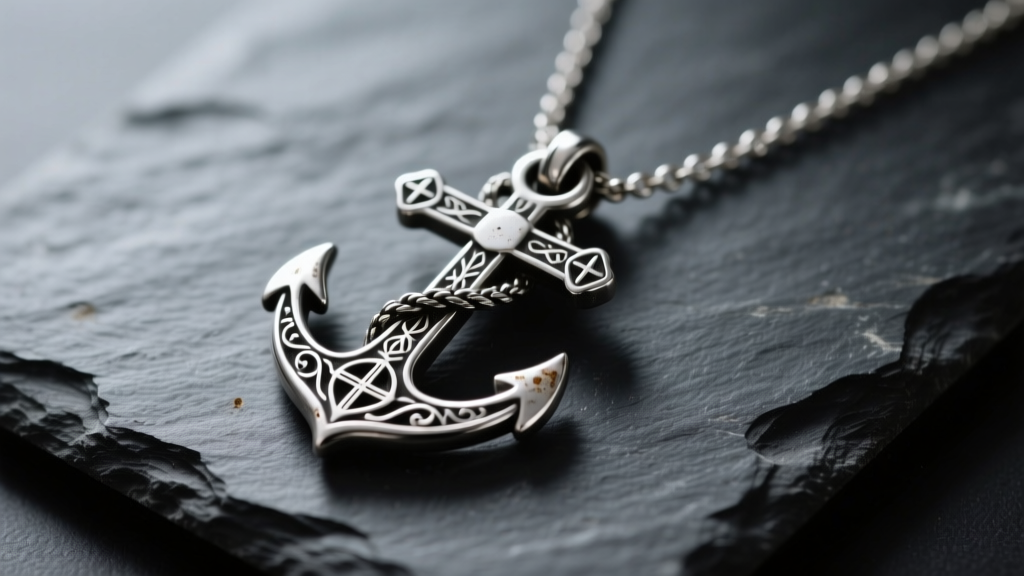
An anchor and cross necklace carries profound dual symbolism: the anchor represents hope, stability, and steadfastness, while the cross signifies faith, devotion, and spiritual grounding. Because these pieces hold such deep personal meaning, they are often worn daily, never leaving the neckline. However, continuous wear exposes the intricate crevices of the anchor flukes and the intersecting angles of the cross to sebum, dead skin cells, environmental sulfur, and cosmetic residues. Over time, this accumulation not only dulls the metal's luster but can also accelerate chemical degradation. Proper care and maintenance are essential to preserve both the structural integrity and the spiritual resonance of your jewelry.
Material Matters: Identifying Your Metal Grade
Before applying any cleaning solution, you must accurately identify the metal grade of your anchor and cross pendant, as well as the chain. Using the wrong chemical agent can cause irreversible damage. According to the Gemological Institute of America (GIA), understanding your metal's alloy composition is the first step in safe jewelry maintenance.
- 925 Sterling Silver: Composed of 92.5% pure silver and 7.5% copper. The copper content makes it highly susceptible to tarnishing when exposed to sulfur compounds in the air or sweat. It requires regular polishing and anti-tarnish storage.
- 14k and 18k Gold: Alloyed with metals like copper, zinc, and nickel for durability. While gold itself does not tarnish, the alloy metals can react to harsh chemicals, particularly chlorine, which can cause microscopic stress corrosion cracking.
- 316L Surgical Stainless Steel: Contains molybdenum, which provides exceptional resistance to corrosion and tarnish. It is highly durable and can withstand more aggressive cleaning methods, including ultrasonic baths.
Step-by-Step Cleaning Guide for Anchor and Cross Pendants
The intersection where the cross meets the anchor, or the jump ring connecting the pendant to the chain, acts as a trap for microscopic debris. A superficial wipe will not suffice. Follow this deep-cleaning protocol to restore your necklace's original brilliance.
1. The Gentle Soap Soak
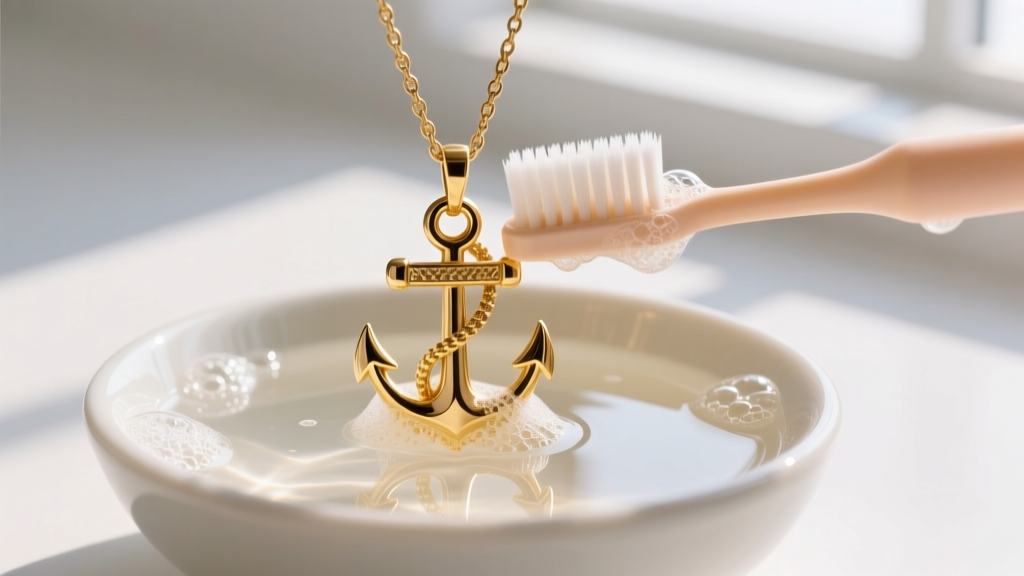
Fill a glass bowl with lukewarm distilled water. Tap water often contains chlorine and hard minerals that can leave microscopic water spots on high-polish metals. Add three drops of phosphate-free, mild dish soap (such as Dawn). Submerge the necklace and let it soak for 15 to 20 minutes. This timeframe is critical; it softens hardened sebum and cosmetic buildup without risking thermal shock to any gemstone inlays that might be set within the cross or anchor.
2. Detail Brushing: Getting Into the Crevices
Remove the necklace from the soak. Using an ultra-soft baby toothbrush (with bristles no thicker than 0.1mm), gently agitate the soapy water into the tight corners of the anchor's crown and the cross's intersecting arms. Brush in small, circular motions. Avoid stiff-bristled brushes, as they can inflict micro-scratches on high-polish silver and gold surfaces, creating a matte, cloudy appearance over time.
3. Advanced Tarnish Removal for Sterling Silver
If your 925 sterling silver piece still shows black oxidation in the deep engravings after brushing, avoid liquid silver dips. These dips contain thiourea, a toxic chemical that strips the silver's natural patina and leaves a porous, white surface that tarnishes twice as fast upon re-exposure to air. Instead, use a jeweler-recommended impregnated polishing cloth or a fiberglass scratch pen to precisely target the oxidized crevices without abrading the raised, polished surfaces.
4. Rinsing and Drying Techniques
Rinse the necklace thoroughly under a gentle stream of lukewarm distilled water. Pat dry with a lint-free microfiber cloth. Do not use paper towels or tissues, as the wood pulp fibers can cause microscopic scratching on softer metals like 24k or 22k gold accents. Ensure the jump ring and clasp mechanisms are completely dry to prevent internal rusting in spring-ring components.
What to Avoid: Common Cleaning Mistakes
Misguided cleaning hacks found on social media can permanently ruin the metallurgical structure of your necklace. Review the table below to understand the chemical reactions you must avoid.
| Cleaning Agent | Metal Affected | Chemical Reaction & Damage |
|---|---|---|
| Chlorine Bleach | 14k / 18k Gold | Causes stress corrosion cracking; weakens prongs and jump rings, leading to structural failure. |
| Toothpaste | Sterling Silver, Gold | Contains hydrated silica (abrasive); scratches high-polish finishes and embeds in engravings. |
| Baking Soda Paste | All Precious Metals | Highly alkaline and abrasive; removes intentional antiquing and oxidized detailing from the anchor. |
| Ultrasonic Cleaners | Oxidized Silver, Plated | High-frequency vibrations strip electroplated layers and remove intentional black oxidation accents. |
Chain Maintenance and Galvanic Corrosion
The chain is just as vital as the pendant. A common issue with anchor and cross necklaces occurs when the pendant and chain are made of dissimilar metals—for example, a 316L stainless steel anchor pendant hanging on a 925 sterling silver chain. When exposed to sweat (an electrolyte), this creates a galvanic cell, leading to rapid galvanic corrosion of the less noble metal (the silver). Always ensure your pendant and chain share the same base metal or are properly sealed. Additionally, inspect the jump ring connecting the pendant to the chain monthly. Look for a visible gap at the seam; if found, take it to a jeweler for laser welding to prevent the loss of your meaningful pendant.
Expert Clasp Tip: If your necklace features a spring ring clasp, avoid pulling the tiny lever back with your fingernails, which can bend the internal spring. Upgrade to a 9mm lobster clasp, which offers a thicker internal spring mechanism and a more secure lock for heavier anchor pendants.
Long-Term Storage Solutions
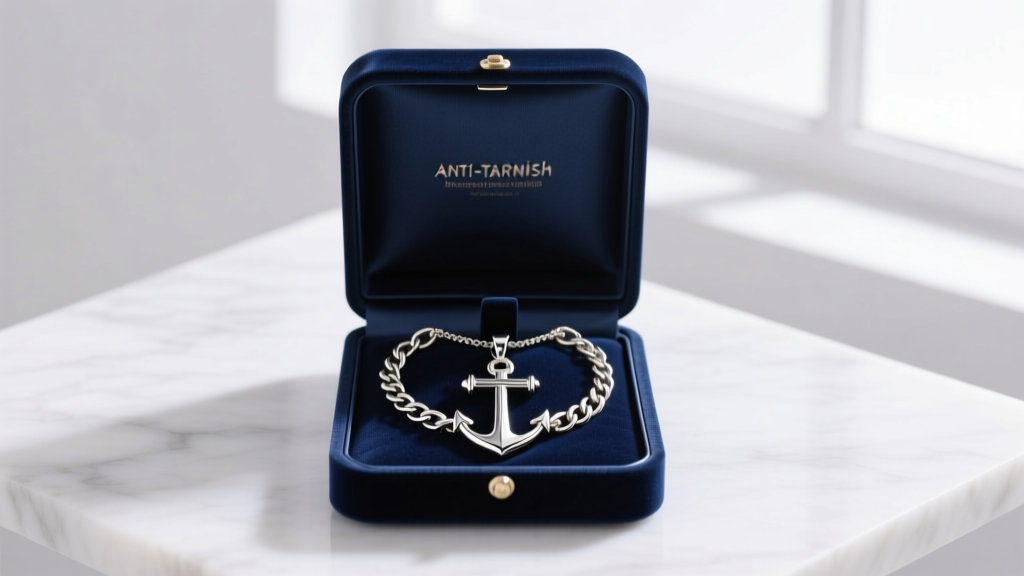
When you are not wearing your anchor and cross necklace, proper storage is your primary defense against environmental degradation. Never leave the piece on a bathroom vanity, as the high humidity and aerosolized hair products accelerate tarnishing. Store the necklace in an airtight polyethylene ziplock bag alongside a 3M anti-tarnish strip, which absorbs ambient sulfur gases. To prevent the chain from threading through the anchor's shackle and knotting, lay the necklace flat in an anti-tarnish velvet-lined jewelry box, ensuring the clasp rests outside the closed lid to prevent it from catching on the links.
Conclusion
Maintaining an anchor and cross necklace requires more than a casual wipe-down; it demands an understanding of metallurgy, chemical interactions, and mechanical wear points. By utilizing gentle surfactants, avoiding abrasive household chemicals, and implementing proactive storage strategies, you ensure that this powerful symbol of faith and stability remains a brilliant, enduring part of your daily wardrobe for decades to come.


