Anne Boleyn Necklace Care: Cleaning Tudor Replica Jewelry
Discover expert care and cleaning tips for your Anne Boleyn necklace. Learn how to safely maintain gold vermeil, pearls, and enamel Tudor replicas.

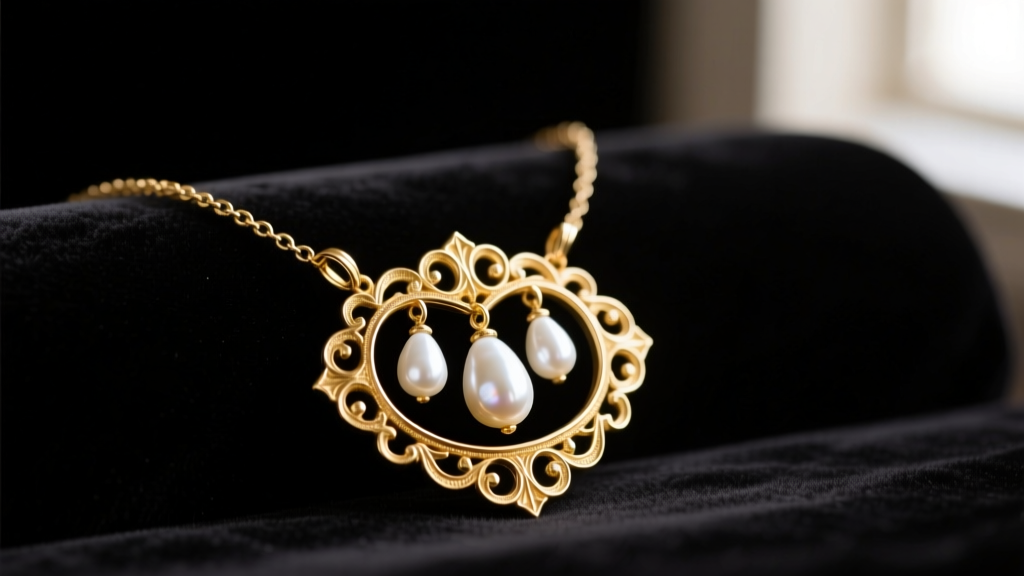
The Resurgence and Anatomy of the Anne Boleyn Necklace
As historical jewelry continues to captivate collectors and fashion enthusiasts in 2026, the Anne Boleyn necklace remains one of the most iconic and highly replicated pieces of Tudor-era adornment. Characterized by its signature "B" initial pendant, intricate Tudor rose motifs, and the unmistakable trio of pearl drops, this necklace requires specialized care. Modern replicas range from high-end 18k gold vermeil over sterling silver to more accessible gold-plated brass and cold-enamel costume pieces. Understanding the exact metallurgical and organic composition of your specific replica is the first step in preserving its historical elegance.
To properly maintain an Anne Boleyn necklace, you must treat it not as a single object, but as a composite of three distinct material categories: the precious metal base (usually vermeil or gilt brass), the organic gemstones (freshwater pearls), and the decorative accents (champlevé or cold enamel). Each of these materials reacts differently to environmental stressors, skin oils, and commercial cleaning agents. Using a one-size-fits-all jewelry cleaner is the fastest way to permanently damage a Tudor-style piece.
Step-by-Step Cleaning Guide for the "B" Pendant
Before beginning any cleaning regimen, inspect the necklace closely. Ensure that the pearl drops are securely seated in their prongs or bezels and that no enamel is chipping. If you notice loose settings, halt cleaning and seek a professional jeweler. Once confirmed secure, follow these material-specific protocols.
Cleaning Gold Vermeil and Gilt Brass
By Federal Trade Commission guidelines, true gold vermeil must feature a sterling silver base plated with at least 2.5 microns of gold (usually 18k or 24k). This layer is substantially thicker than standard flash plating but remains vulnerable to abrasion. Never use commercial silver polishing cloths or embedded-abrasive polishing pads on the "B" pendant or its gold chain. These products contain mild cutting compounds designed to remove silver tarnish, but they will strip the gold layer right off your vermeil, exposing the silver beneath.
Instead, prepare a lukewarm bath using distilled water and a single drop of pH-neutral dish soap (such as original Dawn). Submerge the gold components for no more than three minutes. Using a baby-soft toothbrush, gently agitate the crevices around the Tudor rose engravings and the back of the "B" where skin oils and dead skin cells accumulate. Rinse thoroughly under a gentle stream of distilled water—tap water contains chlorine and hard minerals that can leave spotting on the gold. Pat dry immediately with a lint-free microfiber cloth.
Restoring and Protecting Freshwater Pearl Drops
The three teardrop or spherical pearls dangling from the Anne Boleyn pendant are the most fragile elements of the necklace. Pearls are organic gems composed of nacre—microscopic aragonite (calcium carbonate) crystals bound together by an organic protein called conchiolin. On the Mohs hardness scale, pearls rank a mere 2.5 to 4.5, making them exceptionally prone to scratching and chemical degradation.
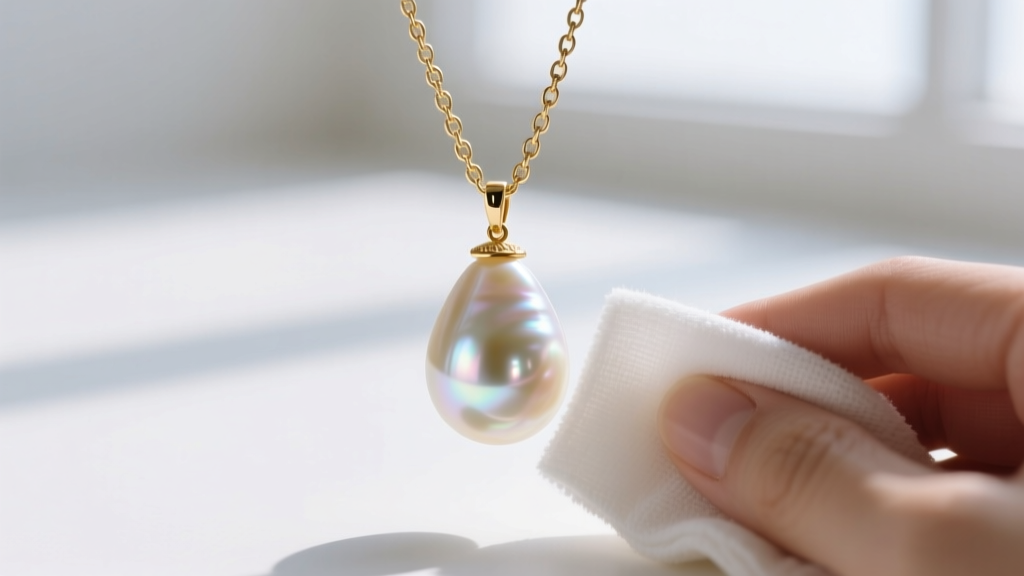
According to the Gemological Institute of America (GIA), pearls should never be submerged in liquid, as water can seep into the drill holes, weakening the silk or synthetic thread and causing the internal structure to rot or stretch. To clean the pearl drops, dampen a soft microfiber cloth with a tiny amount of distilled water and gently wipe the surface of each pearl to remove acidic sweat and cosmetic residue. Allow them to air dry completely flat before storing. If your pearls appear dull and dehydrated, a master jeweler can occasionally apply a microscopic layer of mineral oil to restore their orient and luster, but never attempt this at home with olive or cooking oils, which will turn rancid.
Chemical Hazards: What to Avoid
The most common cause of irreversible damage to Tudor replica jewelry is the misuse of household chemicals and commercial jewelry dips. The enamel work on high-quality Anne Boleyn necklaces—whether fired glass enamel or modern epoxy resin—can easily cloud, craze, or dissolve when exposed to harsh solvents. Below is a critical reference chart for chemical safety.
| Material Component | Safe Cleaning Agents | Dangerous Agents (Avoid Completely) |
|---|---|---|
| Gold Vermeil / Gilt Brass | pH-neutral soap, distilled water, microfiber | Silver dip, ultrasonic cleaners, abrasive polishing cloths, toothpaste |
| Freshwater Pearls | Damp microfiber cloth, gentle wiping | Ammonia, vinegar, citrus cleaners, ultrasonic waves, steam |
| Enamel Accents | Dry soft-bristle brush, mild soapy water | Acetone, rubbing alcohol, baking soda pastes, ultrasonic cleaners |
Ultrasonic cleaners, while excellent for solid gold and diamond jewelry, are catastrophic for an Anne Boleyn necklace. The high-frequency sound waves create microscopic cavitation bubbles that will shatter the nacre of the pearls, strip the gold vermeil plating, and rattle the enamel right out of its metal channels.
Chain Maintenance and Tangle Prevention
Tudor-style necklaces often utilize rope chains, cable chains, or ornate paperclip links to mimic historical aesthetics. These intricate link patterns are notorious for trapping lotions, perfumes, and dead skin cells, which eventually turn into a dark, hardened grime. To clean the chain, lay it flat on a clean towel. Use a cotton swab dipped in your mild soapy solution to trace the links, avoiding the pendant and pearls entirely.
To prevent tangling—which can stress the jump rings connecting the heavy "B" pendant to the chain—always unfasten the clasp before removing the necklace. When traveling, thread the chain through a plastic drinking straw and clasp it shut. This tension-based trick prevents the links from folding in on themselves and knotting during transit.
Proper Storage Protocols for Tudor-Style Jewelry
How you store your Anne Boleyn necklace when it is not being worn is just as critical as how you clean it. Sterling silver bases (used in vermeil) are highly reactive to sulfur and humidity in the air, which causes rapid tarnishing. Furthermore, storing pearls in an airtight plastic bag or a safety deposit box will dehydrate them, leading to surface cracking and a chalky appearance.
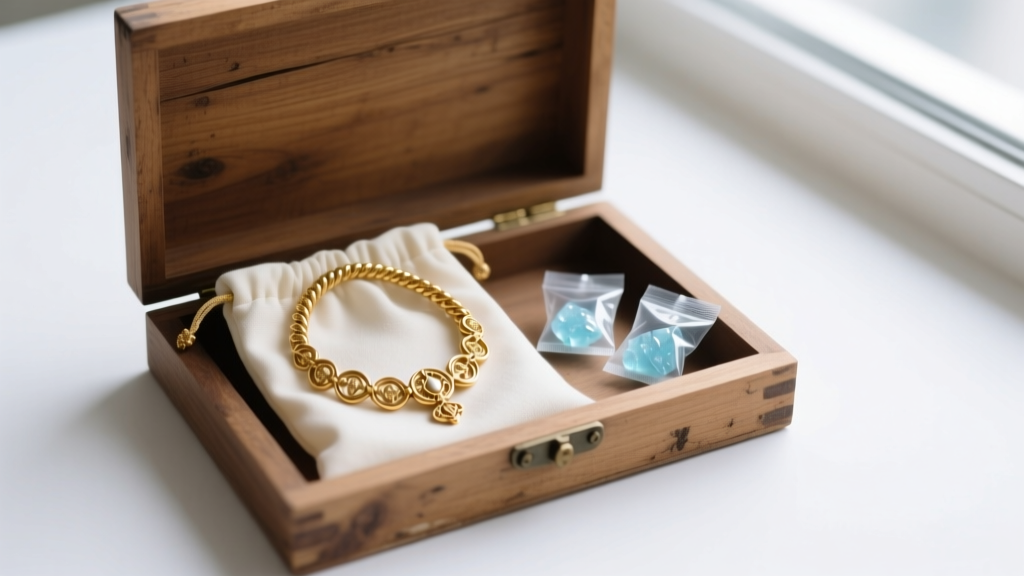
The Victoria and Albert Museum (V&A) recommends storing historical jewelry replicas in environments with stable humidity. Follow these storage rules:
- Use Anti-Tarnish Textiles: Store the necklace in a pouch made of Pacific Silvercloth or a similar zinc-embedded anti-tarnish fabric. These fabrics absorb sulfur gases before they can reach your silver base.
- Isolate the Pendant: The gold vermeil "B" pendant should not rest directly against the freshwater pearls during storage. The metal can scratch the soft nacre. Use a jewelry box with individual soft-lined compartments, or wrap the pendant in a soft, acid-free tissue paper before placing it in the pouch.
- Avoid PVC Plastics: Never store your necklace in polyvinyl chloride (PVC) plastic bags. PVC off-gasses chemicals that can cause the gold plating to pit and the silver to turn black almost overnight. Opt for polyethylene or polypropylene zip-bags if you must use plastic.
- Control Humidity: Tuck a small, jewelry-safe silica gel packet into the storage box to absorb excess ambient moisture, but ensure the pearls are not in a completely bone-dry environment for years on end.
Professional Restoration and Replating
Even with meticulous care, the friction of clothing and skin will eventually wear down the gold layer on the high-contact areas of the "B" pendant, particularly the raised edges of the lettering and the Tudor roses. When the sterling silver or brass base begins to show through, it is time to seek professional restoration.
Do not attempt to use at-home liquid gold plating kits. These kits contain highly toxic cyanide-based or acidic solutions and result in a thin, splotchy, and easily tarnished finish. Instead, take your Anne Boleyn necklace to a master electroplater or a specialized vintage jewelry restorer. They will carefully mask the pearls and enamel with a specialized jeweler's wax, polish the exposed silver base, and electroplate a fresh, even layer of 18k or 24k gold to exact micron specifications. This process not only restores the necklace to its original museum-quality brilliance but ensures it can be passed down as a lasting historical homage for generations to come.


