The Science of the Anxiety Breathing Necklace: A Technical Guide
Discover the fluid dynamics, material grades, and vagus nerve science behind the anxiety breathing necklace in our expert technical deep dive.

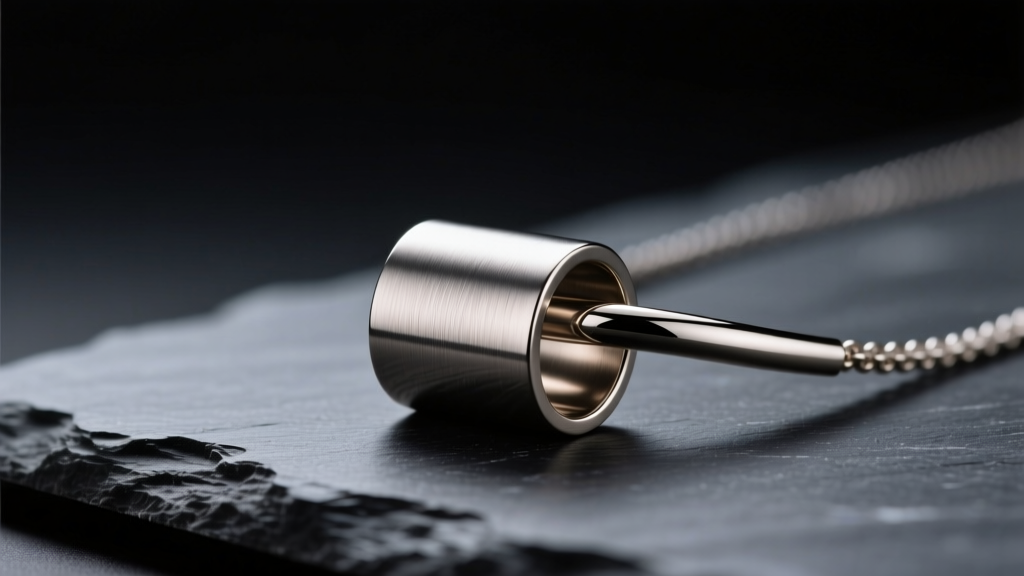
The Biomechanics of Exhale Resistance
The modern anxiety breathing necklace is frequently dismissed as a mere wellness trend, but from a physiological standpoint, it functions as a precise somatic biofeedback tool. The core mechanism relies on the deliberate restriction of airflow during exhalation to stimulate the vagus nerve. When you exhale through a narrow cylindrical tube, the respiratory cycle is artificially extended. According to Harvard Health Publishing, prolonging the exhale phase shifts the autonomic nervous system from a sympathetic (fight-or-flight) state to a parasympathetic (rest-and-digest) state, effectively lowering heart rate and reducing acute anxiety.
By forcing an exhale duration of 8 to 12 seconds, the necklace mimics the physiological sigh—a double-inhale followed by an extended exhale—which neuroscientists have identified as one of the fastest ways to reduce real-time autonomic arousal. The jewelry acts as a mechanical metronome for your respiratory system, removing the cognitive load of counting seconds during a panic attack.
Fluid Dynamics and Tube Dimensions
The efficacy of an anxiety breathing necklace is entirely dictated by its internal geometry. The pendant is essentially a micro-orifice flow restrictor. The two critical variables are the Inner Diameter (ID) and the tube length.
- 2.0mm to 2.5mm ID: Creates high flow resistance. This narrow aperture forces a very slow, controlled exhale (10+ seconds). It is highly recommended for acute panic episodes where the user needs aggressive parasympathetic upregulation, but it can feel suffocating to beginners.
- 3.0mm to 3.5mm ID: The industry standard for daily wear. It provides moderate resistance, allowing for a comfortable 6-to-8-second exhale, ideal for general mindfulness and baseline stress management.
- 4.0mm+ ID: Low resistance. Better suited for users with asthma or restricted lung capacity who need the physical grounding of the necklace without the respiratory strain of a narrow aperture.
Tube length also dictates the boundary layer friction of the exhaled air. A standard 60mm length provides sufficient laminar flow resistance, while extended 90mm tubes increase the acoustic dampening properties and slightly elevate the backpressure, requiring more diaphragmatic engagement from the user.
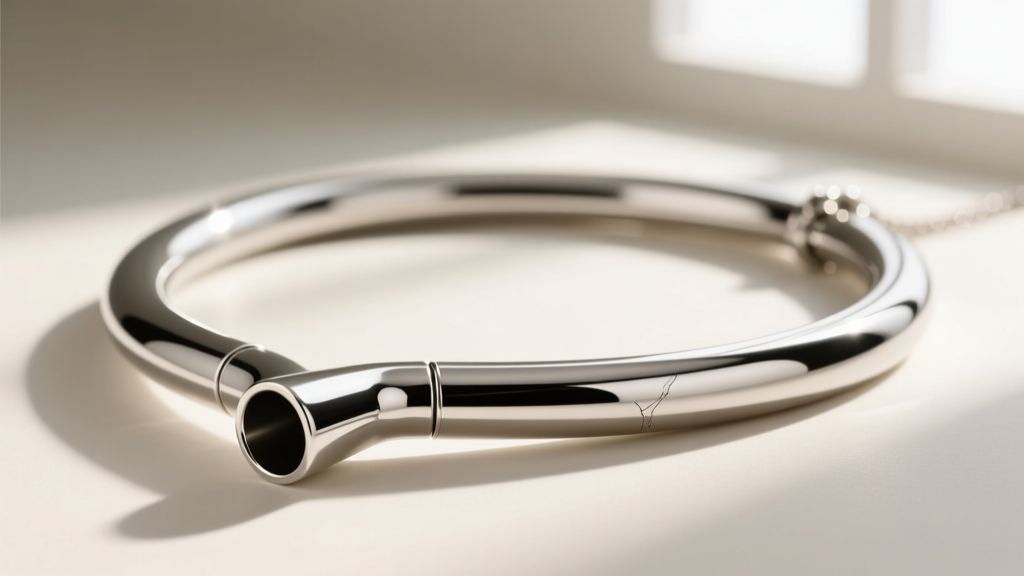
Material Metallurgy: Hypoallergenic and Hygienic Grades
Because an anxiety breathing necklace is repeatedly exposed to the oral microbiome, saliva, and varying pH levels, material selection is a matter of both biocompatibility and corrosion resistance. Saliva contains chlorides and enzymes that rapidly degrade inferior metals, leading to pitting corrosion and heavy metal leaching.
Research published in the National Library of Medicine highlights the superior biocompatibility of specific titanium alloys in medical applications, which directly translates to the highest tier of breathing jewelry. Below is a technical comparison of the most common alloys used in premium breathing pendants.
| Material Grade | Corrosion Resistance (Saliva) | Biocompatibility | Average Price Range |
|---|---|---|---|
| Grade 23 Titanium (Ti-6Al-4V ELI) | Exceptional (Impervious) | Highest (Zero nickel, MRI safe) | $85 - $140 |
| 316L Surgical Stainless Steel | High (Molybdenum prevents pitting) | High (Trace nickel, generally safe) | $40 - $75 |
| 925 Sterling Silver | Moderate (Prone to sulfide tarnishing) | Moderate (Requires rhodium plating) | $60 - $110 |
| Medical-Grade Silicone | Exceptional (Non-porous, autoclavable) | Highest (Hypoallergenic, soft touch) | $25 - $45 |
For users with severe contact dermatitis or nickel allergies, Grade 23 Titanium (Extra Low Interstitial) is the only recommended metallic option. 316L steel is an excellent, cost-effective alternative for the majority of users, provided it is passivated properly during manufacturing to ensure a protective chromium oxide layer on the surface.
Acoustic Dampening and Social Stealth
A common failure mode in poorly engineered breathing necklaces is the 'whistle effect.' When air is forced through a rigid cylinder at high velocity, it can create a Helmholtz resonance or edge tone, resulting in an audible whistling sound. For a tool designed to be used discreetly in public spaces, boardrooms, or transit systems, acoustic stealth is paramount.
Premium manufacturers mitigate this by altering the internal geometry. Instead of a perfectly smooth bore, high-end pendants feature microscopic internal baffling or a slightly flared terminal end to disrupt the coherent vortex shedding that causes whistling. Furthermore, materials like medical-grade silicone inherently absorb acoustic vibrations, making them virtually silent during use compared to rigid metals.
Chain Ergonomics and Sensory Grounding
The chain of an anxiety breathing necklace serves a dual purpose: structural suspension and proprioceptive grounding. Deep pressure stimulation (DPS) is a recognized therapeutic technique for anxiety, and the weight of the chain contributes to this effect.
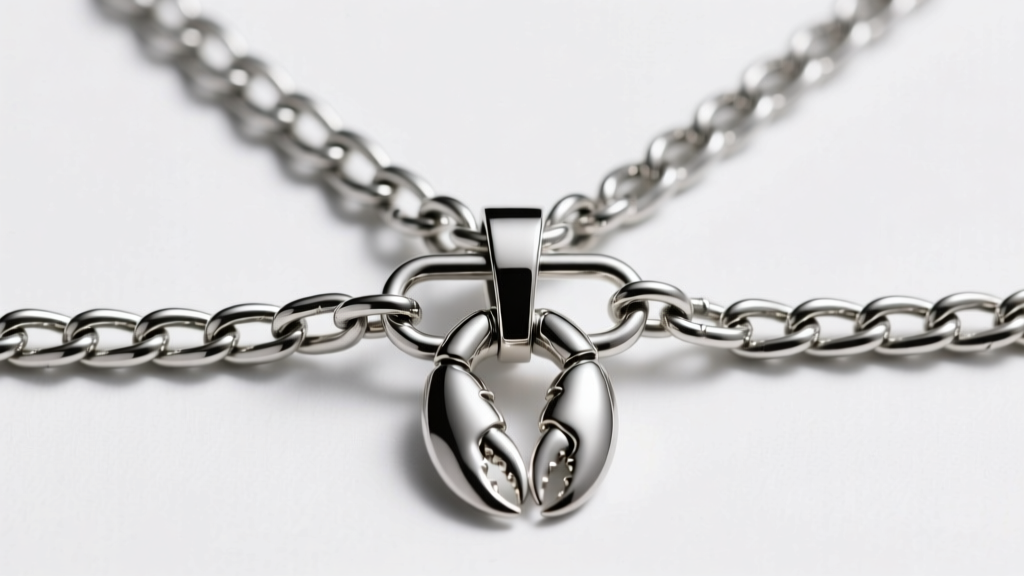
- Box Chains (3mm - 5mm): Offer substantial weight and lay flat against the sternum. The dense metal links provide a mild, continuous grounding pressure on the chest, which can be soothing during high-stress moments.
- Cable or Rope Chains: Lighter and more flexible, but prone to tangling and catching on body hair. They offer less proprioceptive feedback.
- Clasp Mechanics: A standard spring-ring clasp is difficult to operate with trembling hands during a panic attack. Expert designs utilize oversized lobster clasps or neodymium magnetic breakaway clasps, allowing the user to easily detach the pendant and hold it in their hand as a tactile focal point if bringing it to their mouth feels too restrictive in the moment.
Maintenance and Sterilization Protocols
Because the inner bore of the necklace traps moisture, dead skin cells, and oral bacteria, biofilm formation is a significant hygiene concern. Rinsing with water is insufficient to remove the lipid-rich biofilm that adheres to the inner walls of the tube.
For metallic pendants (Titanium and 316L Steel), weekly sanitation in an ultrasonic jewelry cleaner operating at 40kHz is recommended. The cavitation bubbles generated by the ultrasonic waves will physically dislodge biofilm from the deep interior of the narrow tube without the need for abrasive brushing. For silicone necklaces, boiling in distilled water for 5 minutes or soaking in a 10% bleach solution followed by a thorough distilled water rinse will ensure complete sterilization. Avoid ultrasonic cleaning for sterling silver, as the high-frequency vibrations can accelerate the micro-fracturing of rhodium plating over time.
Conclusion: Integrating Somatic Jewelry
The anxiety breathing necklace bridges the gap between functional medical device and aesthetic jewelry. By understanding the fluid dynamics of the inner bore, the metallurgical requirements for oral biocompatibility, and the ergonomic necessity of weighted chains, consumers can select a tool that offers genuine, scientifically backed parasympathetic regulation rather than just a placebo effect. When chosen with technical precision, it becomes an indispensable asset in the modern somatic toolkit for emotional regulation.


