2026 Gift Guide: Authentic Flower Necklaces Hawaii Buyers Love
Discover the perfect Hawaiian floral necklace for every occasion. Our 2026 gift guide covers plumeria and hibiscus motifs, materials, and pricing.

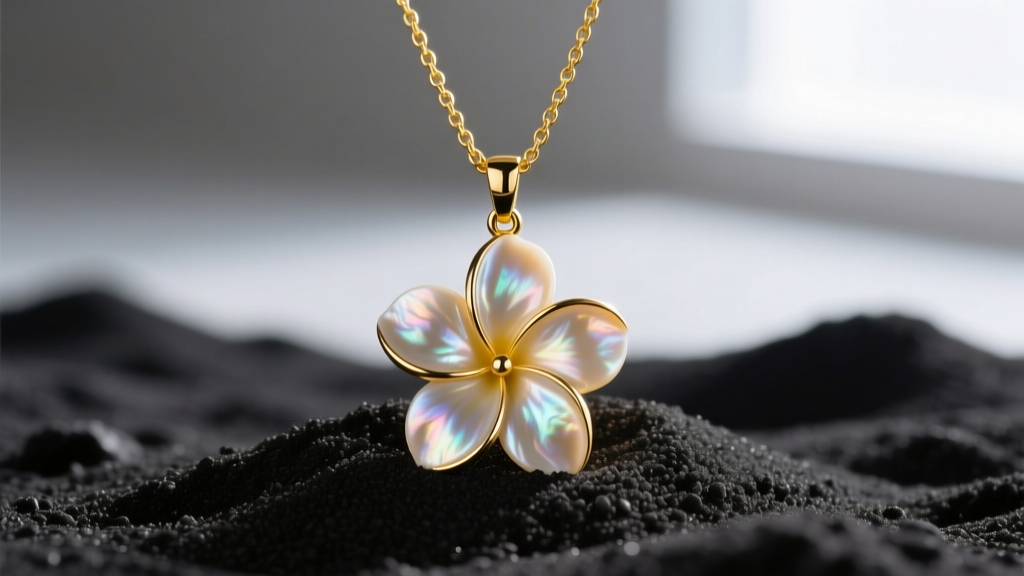
When searching for the perfect gift that captures the spirit of the islands, authentic flower necklaces Hawaii artisans craft offer a profound blend of cultural heritage and natural beauty. In 2026, the shift toward sustainable, locally sourced materials has elevated Hawaiian floral jewelry from simple tourist souvenirs to highly sought-after, heirloom-quality pieces. Whether you are shopping for a milestone anniversary, a graduation, or a meaningful token of aloha, understanding the nuances of motif symbolism, material grades, and chain mechanics is essential for making an informed purchase.
The Cultural Language of Hawaiian Floral Motifs
Hawaiian jewelry is deeply rooted in the natural environment, with each flower carrying specific spiritual and emotional weight. According to the Hawaii Tourism Authority, indigenous flora are not merely decorative; they are a visual language. Understanding this language is the first step in matching a necklace to the right occasion.
Plumeria (Melia)
The plumeria is perhaps the most recognized Hawaiian flower. With its five distinct, softly rounded petals, it symbolizes positivity, new beginnings, and the welcoming spirit of aloha. It is the quintessential gift for graduations, new careers, or welcoming someone to a new home.
Hibiscus (Aloalo)
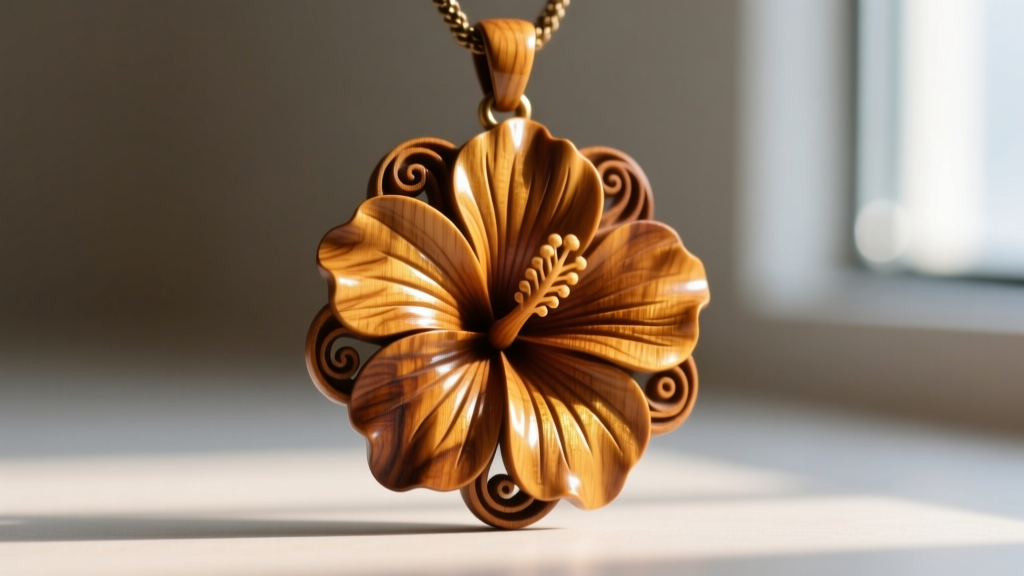
Featuring five delicate petals and a prominent central stamen, the hibiscus represents delicate beauty, hospitality, and romance. The yellow hibiscus is the state flower, but in jewelry, the motif is often rendered in deep reds or carved into luminous white shells to signify deep romantic bonds and anniversaries.
Orchid (Okika)
Symbolizing luxury, strength, and enduring love, the orchid is a complex, asymmetrical flower that requires high-level lapidary skills to carve accurately. It is traditionally gifted for major milestones, such as 10th or 20th wedding anniversaries.
Material Grades and Durability Metrics
The value and longevity of flower necklaces Hawaii jewelers produce depend heavily on the raw materials used. In 2026, discerning buyers are moving away from mass-produced, dyed shells and toward ethically sourced, premium organic gems and endemic woods.
Mother of Pearl (MOP) and Nacre Thickness
High-quality MOP is prized for its iridescent luster, a result of light interacting with microscopic aragonite platelets. The Gemological Institute of America (GIA) notes that nacre thickness and structural integrity are paramount. For a durable floral pendant, insist on a minimum thickness of 2.5mm. Thinner carvings (under 1.5mm) are highly prone to chipping along the petal edges. Always look for untreated, naturally white or golden MOP, avoiding chalky, bleached, or heavily dyed alternatives.
Endemic Koa Wood
Koa is a sacred, endemic Hawaiian hardwood. The most valuable grade is "curly koa," which exhibits a striking, three-dimensional chatoyancy (a cat's-eye optical effect) when finished. Because Koa is highly porous, it must be stabilized and sealed. Top-tier artisans use marine-grade epoxy or cyanoacrylate resin to seal the wood, preventing sweat and humidity from warping the pendant or dulling the finish. Never purchase a Koa pendant that feels raw or unsealed.
Precious Metals: 14k vs. 18k Gold
While 18k gold is popular in fine European jewelry, 14k yellow gold remains the standard for traditional Hawaiian heirloom pieces. The higher copper and silver alloy content in 14k gold provides the necessary tensile strength for deep, intricate floral carving and the traditional black enamel inlay work (Hawaiian Heirloom style) without the metal warping or losing detail over time.
Occasion Matching Matrix
Use this structured guide to align the material and floral motif with your specific gifting occasion.
| Occasion | Recommended Motif | Best Material | Estimated Price Range (2026) |
|---|---|---|---|
| Graduation / New Job | Plumeria | Carved MOP on Sterling Silver | $65 - $140 |
| Wedding Day / Bridal | Orchid or Plumeria | 14k White Gold with Diamonds | $850 - $2,200 |
| Romantic Anniversary | Hibiscus | 14k Yellow Gold & Black Enamel | $400 - $1,100 |
| Casual / Everyday Wear | Plumeria | Curly Koa Wood & Resin | $90 - $250 |
| Milestone Birthday | Orchid | 14k Rose Gold with Pink Sapphire | $600 - $1,500 |
Chain Mechanics and Clasp Engineering
A pendant is only as secure as the chain and clasp supporting it. When buying flower necklaces Hawaii designers craft, pay close attention to the hardware.
- Box Chains (1.2mm - 1.5mm): Ideal for lightweight MOP and shell pendants. The square links catch the light beautifully and resist kinking better than snake chains.
- Rope Chains (2.0mm - 3.0mm): Necessary for heavier Koa wood pendants or solid 14k gold floral pieces. The twisted links provide high tensile strength and a classic, textured aesthetic.
- Clasp Types: Always opt for a lobster clasp for pendants over 10 grams. Spring-ring clasps are cheaper but feature weak internal springs that fail when subjected to the weight of carved wood or solid gold. For luxury pieces, look for a double-ring safety catch.
Sizing and Proportion Guidelines
The visual impact of a floral pendant depends heavily on the chain length and the wearer's neckline. A 12mm plumeria on a 24-inch chain will get lost on the chest, while a 30mm hibiscus on a 16-inch choker chain can feel overwhelming and heavy.
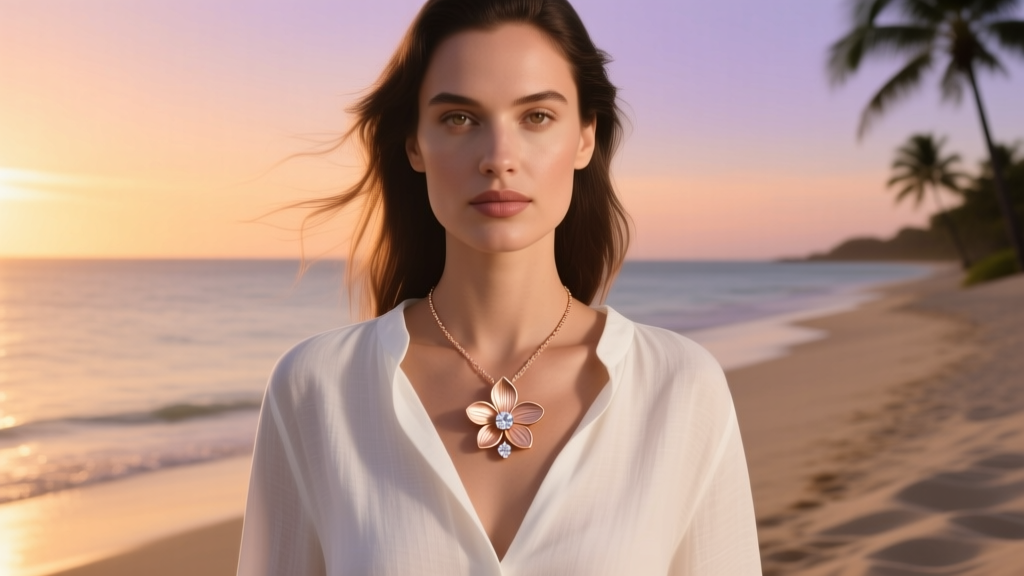
- 16-Inch (Choker/Collarbone): Best for smaller, delicate motifs (10mm-15mm). Ideal for V-necks and open-collar linen shirts.
- 18-Inch (Princess Length): The most versatile length, resting just below the collarbone. Perfect for medium pendants (18mm-25mm) and works well over crew necks or boat necks.
- 20 to 24-Inch (Matinee/Opera): Reserved for large, heavy statement pieces (30mm+), such as intricate Koa wood carvings or multi-layered gold orchids. Best worn over solid-colored garments to allow the wood grain or gold to stand out.
Layering Techniques for Modern Styling
In 2026, layering remains a dominant trend, but mixing organic Hawaiian materials requires a strategic approach to prevent damage. Never layer a hard material (like a diamond-set gold orchid) directly against a soft organic material (like a polished Koa wood plumeria). The gold and diamonds will act as an abrasive, scratching the wood or shell over time. Instead, separate them by at least two inches in chain length—for example, a 16-inch MOP pendant layered with a 20-inch gold hibiscus. This creates a cascading visual effect while preserving the structural integrity of both pieces.
Authentication and Ethical Sourcing
As the demand for authentic island jewelry grows, so does the market for imported knock-offs. To ensure you are purchasing genuine flower necklaces Hawaii artisans have crafted, look for the "Made in Hawaii" stamp or a certificate of authenticity from recognized local guilds. Be highly skeptical of "Hawaiian-style" jewelry, which is typically mass-produced overseas using dyed howlite or synthetic resins.
Furthermore, ethical sourcing is non-negotiable in 2026. Avoid vintage or new black coral jewelry, as the species is heavily protected and endangered. Stick to sustainably harvested Koa (often sourced from fallen trees or managed private lands) and responsibly farmed MOP.
Expert Care Tip: Never use ultrasonic cleaners or harsh chemical dips on Hawaiian floral jewelry. The high-frequency vibrations can shatter carved MOP, and chemicals will strip the protective resin from Koa wood. Clean all pieces with a damp microfiber cloth and a drop of mild, phosphate-free dish soap, drying immediately to maintain the luster and wood grain.
Final Thoughts on Gifting
Selecting the right Hawaiian floral necklace is an exercise in cultural appreciation and material science. By matching the specific symbolism of the plumeria, hibiscus, or orchid to your recipient's milestone, and verifying the structural integrity of the MOP, Koa, or gold, you ensure your gift is not just a beautiful accessory, but a lasting heirloom that carries the true spirit of the islands.


