Aquamarine and Pearl Necklace Pricing: 2026 Value & Budget Guide
Discover true market value for an aquamarine and pearl necklace in 2026. Learn grading secrets, price brackets, and how to avoid overpaying.

The 2026 Market Landscape for Aquamarine and Pearl Jewelry
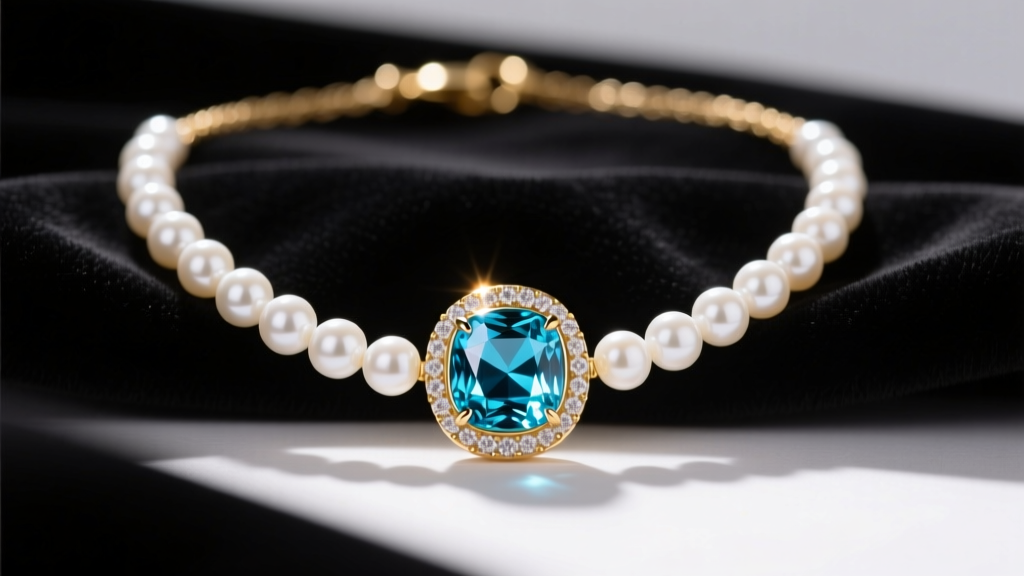
The intersection of cool-toned gemstones and organic luster has made the aquamarine and pearl necklace a highly sought-after silhouette in 2026. However, as colored gemstone mining yields fluctuate and pearl cultivation faces environmental hurdles, pricing for this specific combination has become increasingly fragmented. Buyers entering the market today are often confronted with a massive price disparity, where two seemingly identical necklaces can carry price tags that differ by thousands of dollars. Understanding the underlying value metrics is no longer optional; it is a financial necessity. This guide breaks down the exact grading standards, material costs, and market realities you need to assess the true budget and value of these exquisite pieces.
Decoding Aquamarine Value: What You Are Actually Paying For
Aquamarine, a blue variety of the mineral beryl, is priced primarily on color saturation, followed by clarity and carat weight. According to the Gemological Institute of America (GIA), the most prized aquamarines exhibit a deep, highly saturated blue to slightly greenish-blue hue. In the 2026 market, origin and color trade names heavily dictate the premium you pay.
Color Grades and Price Per Carat
- Santa Maria: Originating from the Santa Maria de Itabira mine in Brazil (though now applied to similar hues from Africa), these stones feature a deep, vivid blue. Expect to pay between $800 and $1,500 per carat for well-cut stones over 3 carats.
- Espirito Santo: A medium, vibrant blue that offers excellent value. These typically range from $250 to $500 per carat.
- Commercial Pale Blue: The most common and least valuable. These pastel stones are often heavily included or poorly cut, pricing out at $20 to $80 per carat.
Clarity, Cut, and Treatment Realities
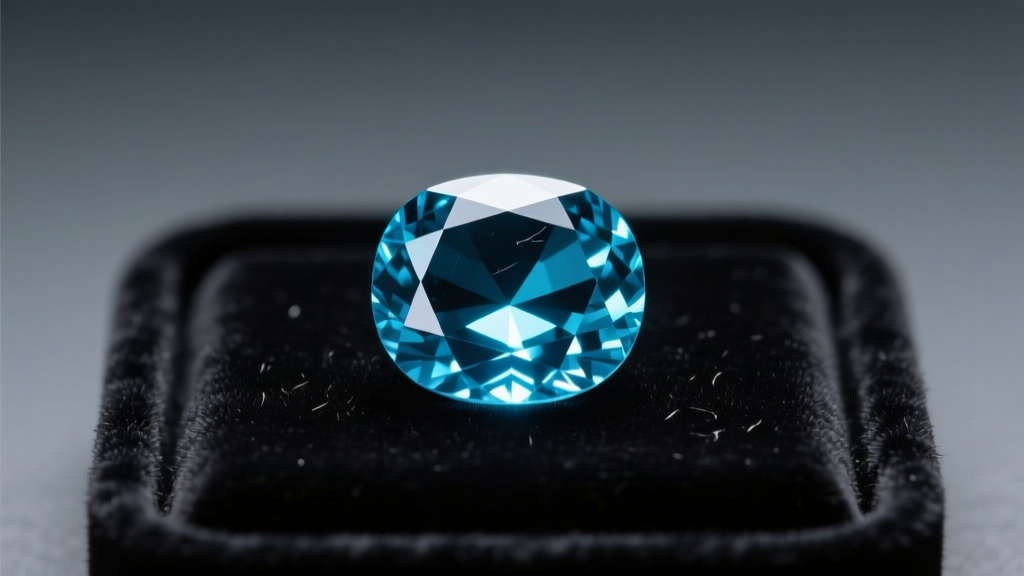
Aquamarine is a Type I clarity gemstone, meaning it is expected to be eye-clean. If you are paying premium prices for a stone with visible inclusions, you are overpaying. Furthermore, nearly all commercial aquamarine is heat-treated to remove greenish undertones. This is a permanent, universally accepted practice. However, unheated stones with natural deep blue coloration command a 20% to 30% collector premium. Always demand a lab report from a reputable entity like GIA or AGL for any aquamarine pendant exceeding $2,000.
Pearl Grading Metrics That Dictate the Price Tag
While the aquamarine serves as the focal point, the pearls in an aquamarine and pearl necklace act as the foundational canvas. The value gap between freshwater and saltwater pearls is staggering, and unscrupulous sellers often obscure this difference.
Freshwater vs. Akoya: The Luster and Nacre Divide
Most entry-level necklaces utilize freshwater pearls. While modern Edison freshwater pearls have improved dramatically, standard commercial freshwater pearls often exhibit a chalky luster and off-round shapes. For a high-end aquamarine pendant, Akoya saltwater pearls are the industry standard. Akoya pearls are bead-nucleated, yielding perfectly round shapes and a sharp, mirror-like luster that complements the vitreous shine of aquamarine.
When assessing value, nacre thickness is the ultimate failure point. The GIA Pearl Quality Factors emphasize that thin-nacre pearls (under 0.25mm) will eventually peel or crack, rendering the necklace worthless. High-quality Akoya pearls should boast a nacre thickness of at least 0.4mm. If a vendor cannot provide nacre thickness data or X-ray verification for a high-ticket pearl strand, walk away.
Metal Settings and Hardware: The Hidden Cost Multipliers
The metalwork in an aquamarine and pearl necklace is not just an aesthetic choice; it is a structural necessity. Aquamarine ranks 7.5 to 8 on the Mohs scale but possesses distinct cleavage planes, making it brittle and prone to chipping if struck. Therefore, the setting must offer robust protection.
- 14K or 18K White Gold: The traditional pairing. White gold enhances the cool blue of the aquamarine and the white overtone of the pearls. Expect a 15% to 25% price premium over yellow gold due to rhodium plating requirements and alloy costs.
- Platinum: The ultimate choice for heirloom pieces. Platinum is dense, hypoallergenic, and secures heavy aquamarine center stones far better than gold. It adds roughly $400 to $800 to the base manufacturing cost of a pendant setting.
- Sterling Silver (925): Acceptable only for fashion-grade, pale aquamarine and freshwater pearl pieces. Silver tarnishes and is too soft to securely hold a valuable, heavy aquamarine gemstone over decades of wear.
Additionally, inspect the clasp. A high-value necklace should feature a box clasp with a figure-eight safety catch, not a simple lobster clasp, which is a hallmark of mass-produced, lower-tier jewelry.
2026 Price Bracket Breakdown
To help you benchmark your budget, we have compiled a comprehensive pricing matrix based on current 2026 retail and bespoke market data. Use this table to identify where a prospective purchase falls on the value spectrum.
| Value Tier | Aquamarine Grade | Pearl Type | Metal Setting | Estimated Price Range |
|---|---|---|---|---|
| Entry-Level | Pale Blue (Commercial, under 2ct) | Freshwater (Button or Rice shape) | 925 Sterling Silver | $85 - $350 |
| Mid-Tier | Espirito Santo (Medium Blue, 2-4ct) | Akoya (6-7mm, AA Grade) | 14K White or Yellow Gold | $800 - $2,200 |
| Investment / Heirloom | Santa Maria (Deep Blue, 5ct+) | Hanadama Akoya or White South Sea | 18K Gold or Platinum | $4,500 - $12,000+ |
Red Flags and Value Traps to Avoid
The secondary market and online auction sites are rife with misrepresented aquamarine and pearl necklaces. Arm yourself with knowledge against these common value traps:
1. Dyed Quartz or Glass Imitations
Synthetic spinel, dyed blue quartz, and even colored glass are frequently passed off as aquamarine. Glass will feel warmer to the touch and may contain spherical gas bubbles. Dyed quartz often shows color concentration in its fractures. Always use a jeweler's loupe to inspect the stone; if the color pools in the cracks, it is dyed.
2. Shell Pearls and Epoxy Settings
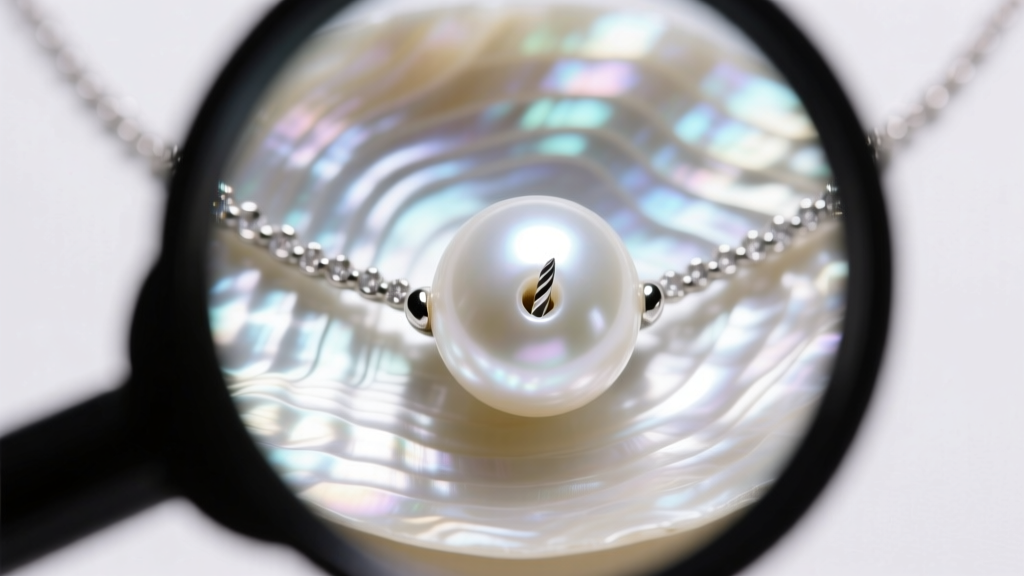
Shell pearls are manufactured by coating glass beads with a synthetic pearlescent material. They are perfectly round but lack the deep, glowing luster of real nacre. Furthermore, inspect how the aquamarine is secured. If the stone is held in place by clear epoxy glue rather than precision-cast metal prongs or a bezel, the piece is costume jewelry and holds zero resale value. Glue degrades over time, especially when exposed to perfumes and skin oils, guaranteeing the loss of your gemstone.
3. The 'Too Good To Be True' Carat Weight
A flawless, deep blue 10-carat aquamarine pendant set with high-luster pearls selling for $400 is a mathematical impossibility in 2026. Large, clean, deeply colored aquamarines are exceptionally rare. If the price does not align with the per-carat metrics outlined above, the stone is almost certainly synthetic or heavily treated glass.
Final Verdict: Maximizing Your Budget
Purchasing an aquamarine and pearl necklace is an exercise in balancing gemological purity with organic beauty. For buyers with a budget under $500, focus on smaller, well-cut pale aquamarines paired with high-luster Edison freshwater pearls set in heavy sterling silver. If your budget exceeds $1,500, demand Espirito Santo or Santa Maria color grades, eye-clean clarity, and authentic Akoya pearls with verified nacre thickness, all secured in 14K or 18K gold. By prioritizing verifiable grading metrics over brand markups, you ensure that your investment retains both its aesthetic brilliance and its intrinsic financial value for decades to come.


