Evaluating the Craft of Making Pendant Jewelry: A Buyer's Guide
Discover what to look for when buying artisan necklaces. Our guide to making pendant jewelry reveals key craftsmanship details, metals, and bail types.

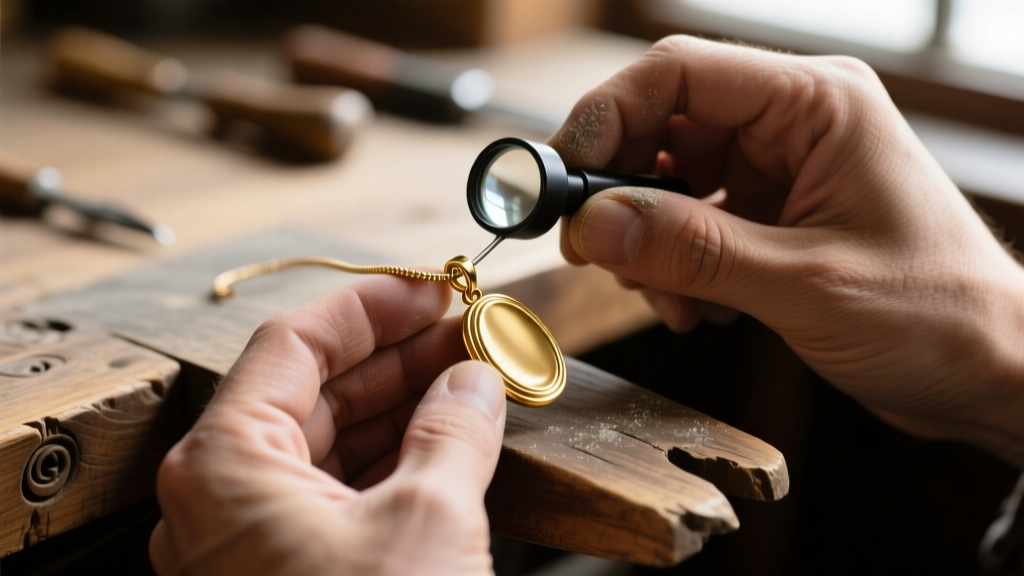
When you invest in artisan or custom necklaces, you are paying for the mastery involved in making pendant jewelry. Unlike mass-produced, cast-in-bulk pieces, a handcrafted pendant requires a deep understanding of metallurgy, structural engineering, and gemological security. As we navigate the jewelry market in 2026, the shift toward traceable, independently crafted pieces has never been stronger. However, the 'handmade' label does not automatically guarantee structural longevity.
This buyer’s guide deconstructs the technical elements of making pendant jewelry, giving you the exact specifications, material grades, and structural benchmarks you need to evaluate quality before making a purchase. Whether you are buying a bespoke diamond solitaire or an artisan-cast bronze talisman, knowing what to look for beneath the surface is critical.
The Anatomy of a Well-Crafted Pendant
The most common point of failure in any necklace is the nexus where the chain meets the pendant. In the process of making pendant jewelry, the selection and attachment of the bail (the loop that holds the pendant) dictate the piece's lifespan. A poorly engineered bail will snap, bend, or detach under the dynamic stress of daily wear.
Bail Types and Structural Integrity
- Soldered Bails: The gold standard for fine jewelry. A flat pad is soldered directly to the back or top of the pendant using hard solder (which melts at a higher temperature than the base metal). Look for a clean solder line with no excess pooling.
- Pinch Bails: Common for teardrop gemstones, these use tension and tiny prongs to grip the stone. While elegant, they are a risk factor for softer stones (like opals or emeralds) as the metal tension can cause stress fractures over time.
- Tube or Glue-On Bails: Often used in lower-tier artisan pieces, these rely on two-part jeweler's epoxy. According to industry benchmarks from Rio Grande Jewelry Supply, epoxy degrades over 5 to 10 years, especially when exposed to ultrasonic cleaners, heat, or skin oils. Avoid these for heirloom-quality investments.
Pro-Tip on Jump Rings: If the pendant hangs from a jump ring rather than an integrated bail, check the wire gauge. An 18-gauge (1.02mm) wire is the minimum standard for supporting pendants weighing over 10 grams. Anything thinner, such as 22-gauge (0.64mm), will easily pull apart when snagged on clothing.
Metal Grades and Hallmarks in Artisan Pieces
The alloy composition used in making pendant jewelry directly impacts its tarnish resistance, scratch profile, and skin compatibility. Artisan jewelers today are moving beyond traditional sterling silver and 14k gold, utilizing advanced alloys that offer superior performance.
| Metal Alloy | Purity / Composition | Vickers Hardness (HV) | Buyer Considerations |
|---|---|---|---|
| Sterling 925 | 92.5% Silver, 7.5% Copper | ~65 HV | Prone to tarnish; soft and scratches easily. Best for lightweight, occasional-wear pendants. |
| Argentium 935 | 93.5% Silver, Germanium | ~95 HV | Highly tarnish-resistant and harder than sterling. The modern benchmark for premium silver artisan work. |
| 14k Yellow Gold | 58.5% Gold, Copper/Silver | ~135 HV | Excellent balance of durability and color. Ideal for daily-wear pendants and secure prong settings. |
| 18k Yellow Gold | 75% Gold, Copper/Silver | ~125 HV | Rich color but softer than 14k. Requires thicker bezel walls to prevent bending. |
| Platinum 950 | 95% Platinum, 5% Ruthenium | ~130 HV | Dense and displaces rather than chips. The ultimate choice for securing high-value diamonds. |
Always demand a stamped hallmark or an assay certificate from the maker. In custom making pendant jewelry, a reputable artisan will stamp their maker's mark alongside the purity mark (e.g., '935' or '14K'), ensuring accountability for the metal's origin and grade.
Stone Setting Techniques to Look For
According to the Gemological Institute of America (GIA), the security of a gemstone is entirely dependent on the precision of the setting technique. When evaluating a handmade pendant, inspect the metal-to-stone interface under a jeweler's loupe or macro lens.
Bezel vs. Prong vs. Flush Settings
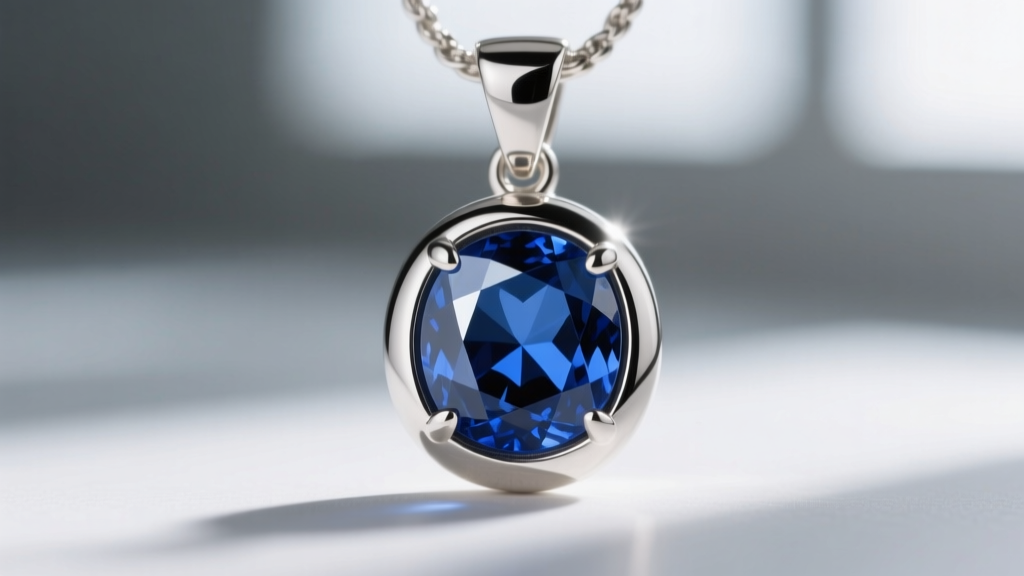
Bezel Settings: A continuous rim of metal is pushed over the girdle (edge) of the stone. This is the most secure setting for active lifestyles. When inspecting a bezel, ensure the metal rim is perfectly flush against the stone's crown with zero gaps. Light leakage or visible space between the metal and the gem indicates rushed craftsmanship.
Prong Settings: Metal claws are notched and bent over the stone to maximize light return. In artisan making pendant jewelry, prongs should be perfectly symmetrical. Run your fingernail over the prongs; they should be smoothly rounded (tipped) and never snag on fabric. If the prongs are sharp or uneven, the setter lacked the proper burring tools or patience.
Flush (Gypsy) Settings: The stone is embedded directly into the metal, leaving the table (top) flush with the surface. This requires immense skill to execute without chipping the stone's edges. Look for a clean, crisp 45-degree bearing cut inside the metal seat.
Evaluating the Chain and Clasp Pairing
A masterfully crafted pendant is easily ruined by an undersized chain or a weak clasp. The structural synergy between the chain and the pendant is a vital aspect of making pendant jewelry that buyers often overlook.
- The Weight Ratio: The chain's breaking strength should be at least three times the weight of the pendant. A 20-gram bronze pendant requires a heavy-duty chain, such as a 2.5mm solid curb or a 2.0mm box chain, rather than a delicate 1.0mm cable chain.
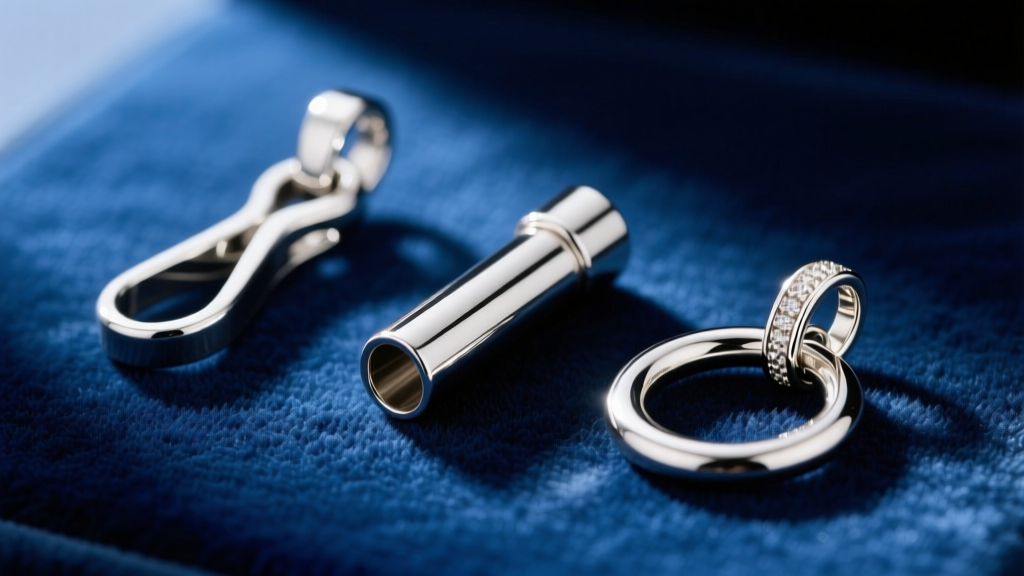
- Clasp Mechanics: Spring-ring clasps are notorious for failing due to weak internal springs. For any pendant over 15 grams, insist on a lobster clasp with a forged lever, or a heavy-duty toggle clasp. Toggle clasps are exceptionally secure for heavy artisan pendants, provided the 'T' bar is significantly longer than the inner diameter of the receiving ring.
- End Caps and Soldering: Inspect the jump rings connecting the clasp to the chain. They must be perfectly flush and soldered shut. An unsoldered jump ring at the clasp is an open invitation for the pendant to slide off and be lost.
Red Flags in Handmade Pendant Construction
Even with the best intentions, amateur or rushed fabrication leaves telltale signs. When evaluating a piece, look out for these critical flaws:
- Porosity: Tiny, pinhead-sized pits on the surface of cast metal. This occurs when gas is trapped during the melting process. Porosity weakens the structural integrity of the pendant and makes it impossible to achieve a true mirror polish.
- File Marks and Scratches: Under bright, direct light, look for parallel lines or deep scratches near the bail or setting. This indicates the jeweler did not progress through the proper sequence of sanding grits before final polishing.
- Overheating (Fire Scale): In silver and copper alloys, improper torch control during soldering causes copper oxides to rise to the surface, creating dark, purplish shadows beneath the polish. While some artisans leave fire scale for rustic aesthetics, it should never be present in fine, high-polish jewelry.
Final Thoughts on Artisan Investment
The art of making pendant jewelry is a delicate balance of aesthetic vision and mechanical engineering. By scrutinizing the bail attachment, verifying modern alloy grades like Argentium or platinum-ruthenium, and demanding flawless stone settings, you elevate yourself from a casual shopper to an informed collector. Always ask the artisan for a detailed breakdown of their materials and fabrication methods; a true master of their craft will be eager to discuss the precise gauges, solder types, and setting techniques that bring their work to life.


