Infant Amber Teething Necklace Care: Cleaning & Safety Guide
Learn how to safely clean, maintain, and inspect your infant amber teething necklace with our expert guide on preserving Baltic amber and ensuring safety.

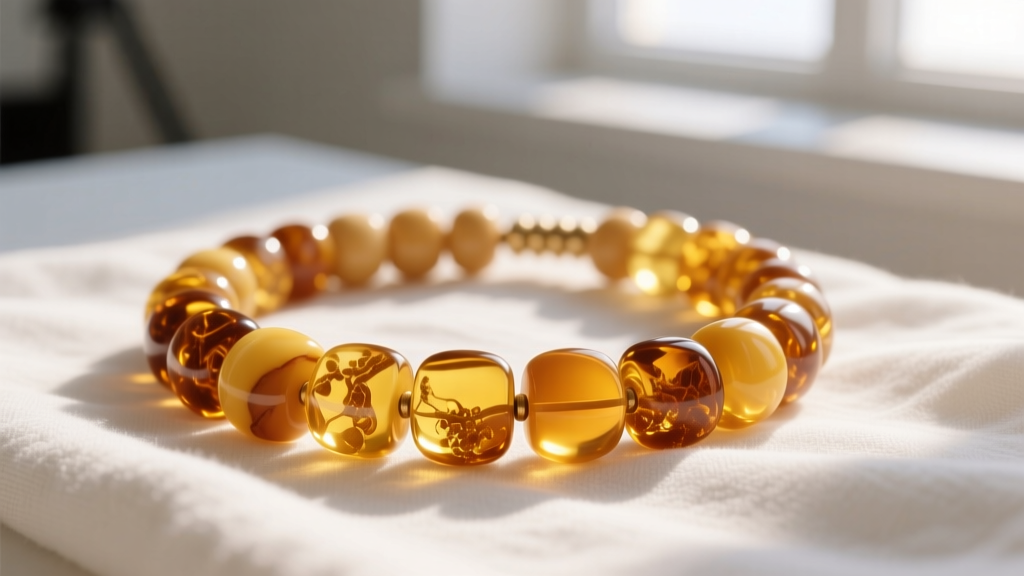
Baltic amber has been used for centuries in European folk medicine, and today, the infant amber teething necklace remains a popular, albeit controversial, accessory gifted to new parents. True Baltic amber (succinite) is not a stone, but a fossilized tree resin containing 3% to 8% succinic acid. Because it is an organic, porous material, it requires a highly specific care regimen that differs vastly from traditional gemstones like quartz or jade. Furthermore, because this jewelry is designed for infants, rigorous safety inspections are just as critical as the cleaning process itself. In this comprehensive guide, we detail the exact material science of amber care, provide a step-by-step cleaning protocol, and outline the vital safety inspections you must perform to protect your child.
Understanding Baltic Amber: Resin, Not Stone
To properly care for an infant amber teething necklace, you must first understand its physical vulnerabilities. On the Mohs scale of mineral hardness, Baltic amber ranks between 2.0 and 2.5. This means it is exceptionally soft; it can be easily scratched by a copper coin or even aggressive rubbing with a coarse towel. Additionally, amber is sensitive to extreme thermal shocks. While it does not melt until it reaches approximately 200°C (392°F), exposure to hot water or sudden temperature changes can cause micro-crazing—a network of tiny internal fractures that compromises the structural integrity of the bead and traps bacteria.
Unlike crystalline stones, amber is slightly porous. It can absorb oils, lotions, and chemicals from the environment, which can lead to a cloudy appearance or degrade the polished outer layer over time. Therefore, the golden rule of amber maintenance is gentle, chemical-free cleaning paired with meticulous drying.
Step-by-Step Cleaning Routine for Amber Beads
Because an infant amber teething necklace rests against sensitive skin and is frequently exposed to saliva, drool, and milk, it should be cleaned every 1 to 2 weeks. Never submerge the entire necklace in water for extended periods, as this can weaken the cotton or silk threading. Instead, follow this targeted cleaning method:
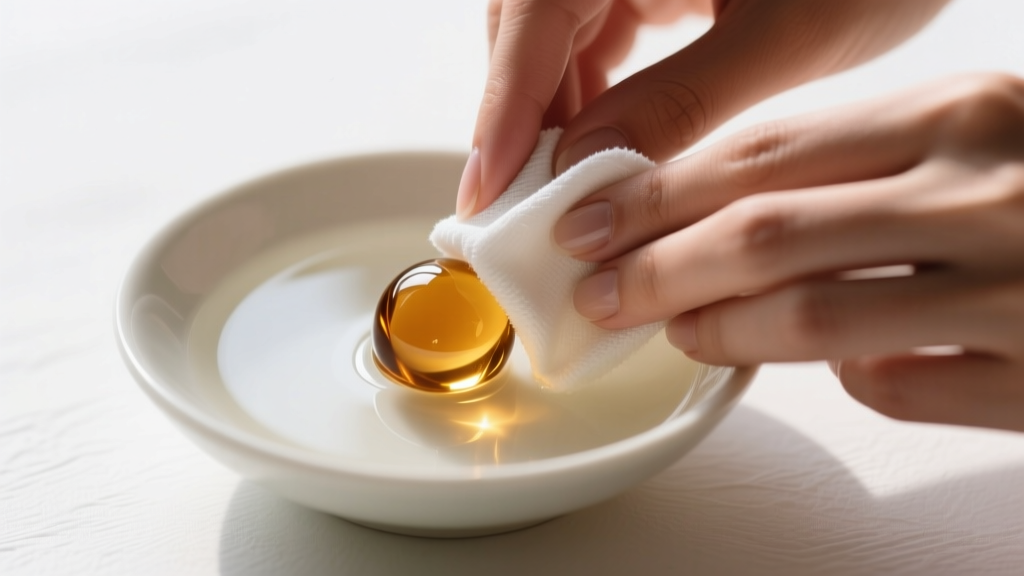
- Prepare a Lukewarm Solution: Fill a shallow bowl with lukewarm water. The temperature must not exceed 30°C (86°F). Do not use hot tap water.
- Dampen a Microfiber Cloth: Dip a clean, ultra-soft microfiber or 100% cotton flannel cloth into the water and wring it out until it is only slightly damp.
- Wipe Each Bead Individually: Gently rub each amber bead one by one. This removes surface oils, dried saliva, and environmental dust without putting stress on the internal threading.
- Dry Immediately: Use a second, completely dry microfiber cloth to buff and dry each bead immediately after wiping. Leaving amber wet can lead to water spots and thread degradation.
- Air Dry Flat: Lay the necklace flat on a dry towel in a cool, shaded area for 30 minutes before storing or wearing to ensure the knots are completely moisture-free.
What to Avoid: Chemicals and Heat Damage
The most common way parents ruin authentic Baltic amber is by treating it like standard jewelry. Amber is highly reactive to solvents, alcohols, and acidic or alkaline cleaners. According to the International Amber Association, exposing succinite to harsh chemicals will strip its natural polish, leaving it dull, brittle, and prone to cracking.
| Cleaning Agent | Effect on Baltic Amber | Safe for Use? |
|---|---|---|
| Lukewarm Water (Max 30°C) | Safely removes surface debris and saliva. | Yes |
| Mild, Unscented Baby Soap | Acceptable in tiny amounts for stubborn grime, must be rinsed instantly. | Use with Caution |
| Rubbing Alcohol / Hand Sanitizer | Causes immediate micro-crazing, clouding, and surface degradation. | No |
| Ultrasonic Jewelry Cleaners | High-frequency vibrations will shatter the amber beads. | No |
| Bleach or Ammonia | Chemically burns the resin, causing permanent discoloration. | No |
| Commercial Silver/Gold Polishes | Contains abrasives that will scratch the 2.5 Mohs surface. | No |
Hardware Maintenance: Clasps, Knots, and Thread
The beads are only half of the maintenance equation; the hardware is where the true safety risks lie. A high-quality infant amber teething necklace is strung on high-tensile jeweler's cotton or pure silk thread. Crucially, there must be an individual, hand-tied knot between every single bead. This knotting technique ensures that if the necklace snaps, only one bead is released, mitigating the choking hazard.
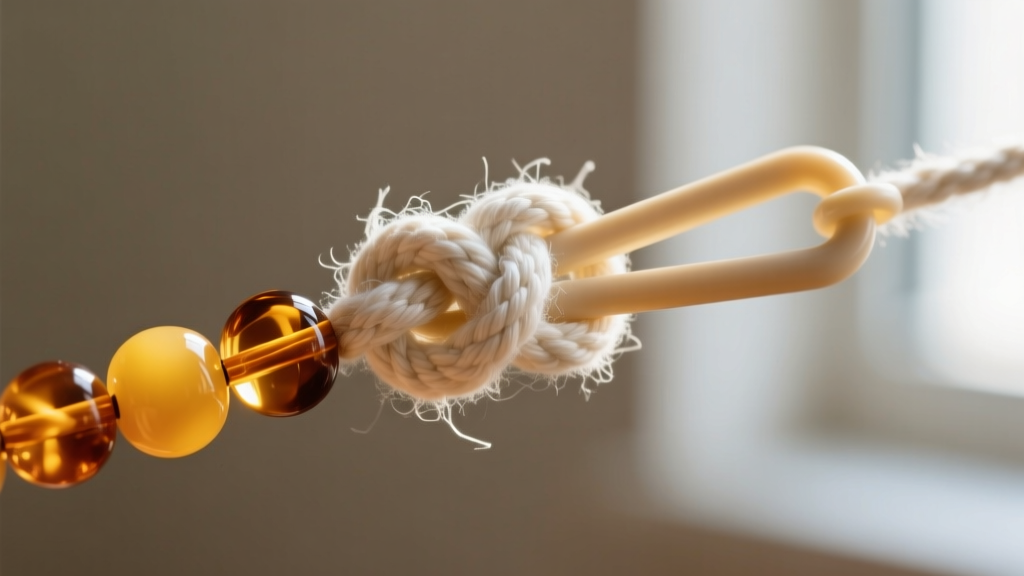
During your bi-weekly cleaning, you must perform a physical stress test on the hardware:
- The Tug Test: Gently pull the thread between two beads. If you see the knot slipping, or if the thread appears frayed, fuzzy, or stretched, the necklace must be immediately retired or professionally restrung.
- The Breakaway Clasp: Authentic safety necklaces use an ABS plastic breakaway clasp (often called a pop-clasp) engineered to snap open when subjected to 12 to 15 pounds of tensile pressure. Check the clasp mechanism to ensure it is free of sticky residue and still snaps securely into place when closed.
- Bead Inspection: Run your fingers over every bead. If you feel any sharp edges, chips, or cracks, the bead is compromised and the necklace should no longer be used.
Critical Safety Protocols and AAP Guidelines
As jewelry experts, it is our ethical duty to provide not just maintenance advice, but critical safety context. While we have outlined how to care for these items, you must be aware of the official medical consensus regarding teething jewelry. The U.S. Food and Drug Administration (FDA) has issued explicit warnings against the use of teething necklaces, citing severe risks of strangulation and choking. Similarly, the American Academy of Pediatrics (AAP) strongly advises parents to avoid wearing any jewelry on infants.
If you choose to keep or use an infant amber teething necklace, you must adhere to strict harm-reduction protocols:
- Never Use During Sleep: The necklace must be removed before the infant goes to sleep, including naps and nighttime. The risk of strangulation when the child is unsupervised is catastrophic.
- Direct Supervision Only: The necklace should only be worn when the infant is awake and under the direct, unbroken visual supervision of an adult.
- Not for Chewing: Amber necklaces are designed to be worn against the skin, not chewed on. Chewing increases the risk of bead fracture, detachment, and subsequent choking. If your child begins chewing on the beads, remove the necklace immediately and inspect for structural damage.
- Tuck it In: If worn under clothing, ensure it is tucked securely into the infant's shirt so it cannot be pulled up over the chin or mouth.
Proper Storage to Prevent Oxidation
Over time, exposure to oxygen and ultraviolet (UV) light causes Baltic amber to oxidize. This natural aging process will slowly change the color of the amber, often darkening honey or lemon shades into a deeper, reddish-brown cognac. While some collectors prize this patina, parents usually wish to maintain the original bright color of the teething necklace.
To slow the oxidation process and protect the soft resin from scratches, store the necklace in a soft, breathable cotton or velvet pouch. Never store amber in airtight plastic bags, as trapped moisture can encourage mold growth on the organic cotton threading. Furthermore, keep the amber pouch in a cool, dark drawer away from direct sunlight and separate from harder jewelry items like metal clasps or gemstone pendants that could easily gouge the amber's soft surface. By combining gentle, chemical-free cleaning with rigorous hardware inspections and strict adherence to safety guidelines, you can properly maintain the physical integrity of the Baltic amber while prioritizing your child's well-being.


