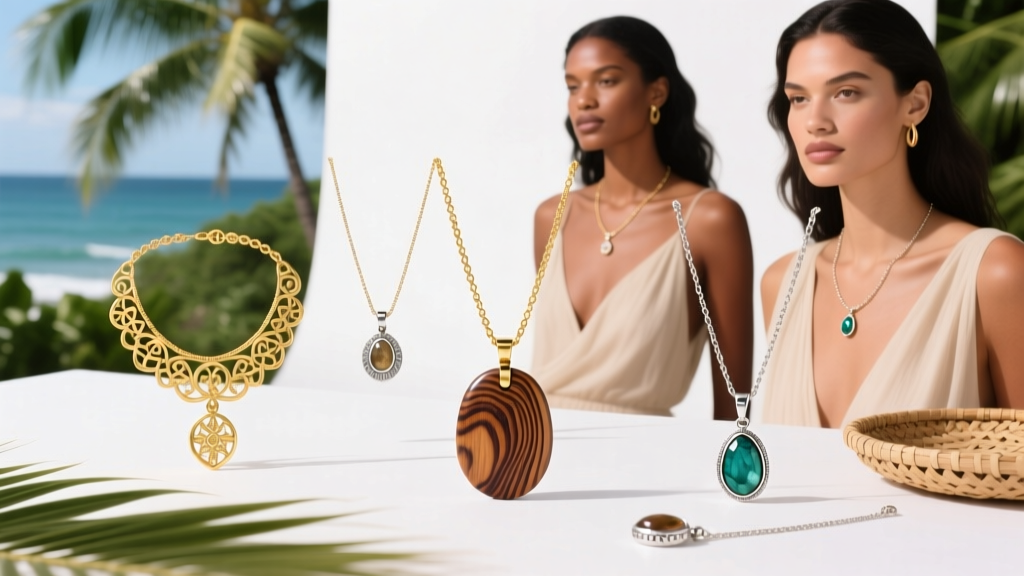
Assemblage Necklace Gift Guide: 2026 Occasion Matching
Discover the perfect assemblage necklace for every milestone. Our 2026 gift guide covers occasion matching, material grades, and styling tips.

The Art of Gifting the Unconventional
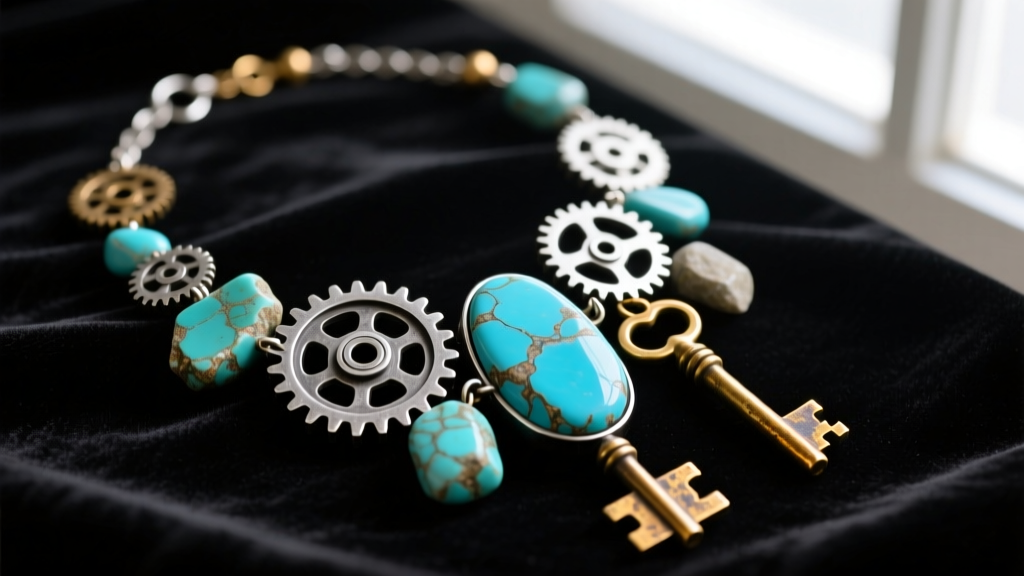
Finding a meaningful gift for the avant-garde individual in your life can be a daunting task. Mass-produced luxury often falls flat for those who view fashion as a form of personal storytelling. Enter the assemblage necklace—a wearable art form that transcends traditional jewelry by integrating found objects, vintage horology, mixed metals, and organic elements into a singular, three-dimensional masterpiece. In 2026, the shift toward sustainable, hyper-personalized luxury has propelled assemblage jewelry from niche art galleries into the spotlight of high-end gifting.
Unlike standard charm necklaces, which simply dangle pre-cast motifs from a delicate chain, true assemblage relies on structural engineering, mixed-media juxtaposition, and historical narrative. Whether you are shopping for a milestone anniversary, a career pivot, or an artistic graduation, this comprehensive guide will help you navigate the technical specifications, occasion matching, and sourcing of authentic assemblage necklaces.
Defining the Assemblage Aesthetic
Rooted in the Dada and Surrealist movements of the early 20th century, assemblage art was pioneered by creators like Joseph Cornell and Marcel Duchamp, who elevated discarded, everyday objects into profound commentary. When translated into jewelry, this requires a masterful eye for composition. A genuine assemblage necklace might combine a 1920s pocket watch escapement, a raw-cut Moroccan amethyst, and a piece of oxidized copper piping, all bound together by custom-fabricated sterling silver wire wraps and rivets.
According to contemporary critiques from the Art Jewelry Forum, the modern assemblage movement is heavily focused on 'archaeological jewelry'—pieces that feel as though they were unearthed from a beautiful, fictional civilization. For the gift-giver, this means you are not just buying an accessory; you are gifting a wearable artifact with a distinct, untethered history.

Occasion Matching Matrix: When to Gift Assemblage
Because of their bold, eclectic nature, assemblage necklaces are not universally suited for every traditional event. They require a recipient who appreciates texture, weight, and artistic disruption. Use the matrix below to align the specific style of assemblage with the appropriate life event.
| Occasion | Recommended Assemblage Style | Key Materials & Elements | Price Range (2026) |
|---|---|---|---|
| Milestone Anniversary (Non-Traditional) | Horological & Romantic | Antique watch gears, rose gold vermeil, vintage rose-cut diamonds, velvet ribbons. | $650 - $1,400 |
| Graduation / Career Pivot | Steampunk & Industrial | Brass compass parts, oxidized copper, leather cording, geometric brass cages. | $250 - $500 |
| Artistic Milestone / Exhibition Opening | Surrealist & Organic | Resin-encased botanicals, raw uncut sapphires, oxidized silver branches, silk thread. | $400 - $900 |
| 'Just Because' / Travel Commemoration | Cartographical & Found | Sea glass, vintage map fragments sealed in bezel, mixed-metal chainmaille. | $150 - $350 |
The Milestone Anniversary
For partners who eschew traditional diamond solitaires, an assemblage piece incorporating antique horological components (like a tourbillon cage or a mainspring barrel) symbolizes the intricate, interlocking nature of time spent together. Look for pieces that utilize liver of sulfur patinas on sterling silver to create a darkened, antique contrast against polished 14k gold accents.
The Graduation or Career Pivot
Industrial assemblage necklaces serve as talismans of momentum and mechanical precision. Gifting a piece that features actual, repurposed navigational instruments or brass calipers speaks to a future of exploration and calculated risk-taking. These pieces are typically heavier, requiring specific chain gauges to support the weight comfortably.
Technical Specifications: Weight, Gauges, and Hardware
The most common failure point in gifted assemblage jewelry is structural collapse. Because these necklaces incorporate dense, three-dimensional objects, they can easily exceed 60 to 100 grams. Standard jewelry chains (typically 18 to 20 gauge) will snap under this weight. When evaluating a piece for purchase, you must scrutinize the hardware specifications to ensure longevity and wearability.
Chain Gauge and Link Construction
For an assemblage pendant weighing between 40g and 80g, the chain must be a minimum of 14-gauge (1.6mm). For pieces exceeding 80g, a 12-gauge (2.0mm) rolo or cable chain is mandatory. Furthermore, ensure that all jump rings connecting the chain to the clasp are soldered shut. Open jump rings will inevitably pull apart under the pendulum-like stress of a heavy assemblage piece.
Clasp Mechanics and Ergonomics
Lobster clasps are notoriously difficult to operate on heavy necklaces, as the weight of the chain pulls the ring downward while the wearer attempts to fasten it behind their neck. The superior choice for assemblage jewelry is the T-bar toggle clasp or a neodymium magnetic clasp encased in a textured metal shell. Toggles allow the wearer to secure the necklace at the front or side before dropping it into place, while high-grade magnetic clasps offer seamless, one-handed attachment.
Material Authenticity and Gemstone Verification
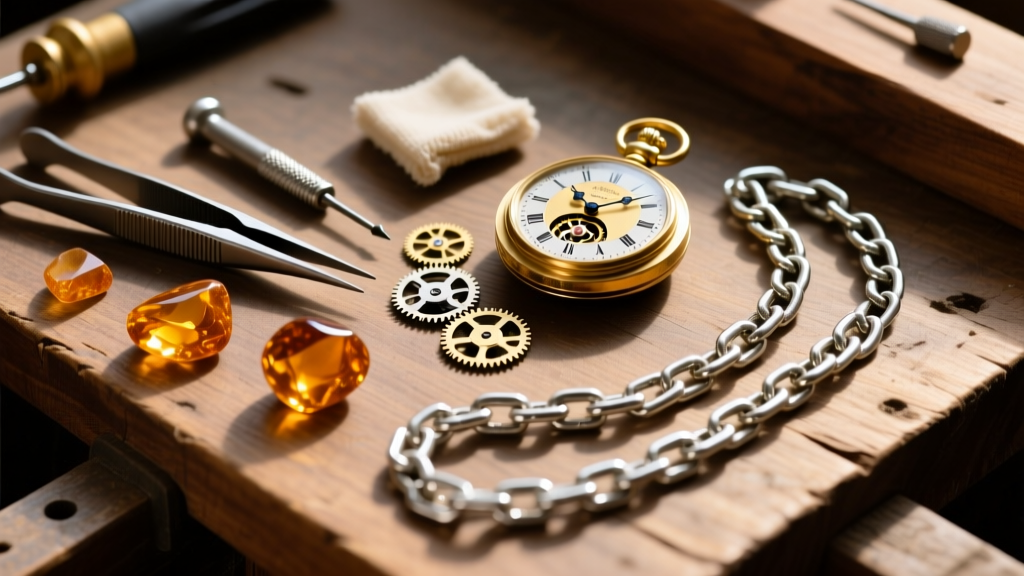
Many assemblage artists incorporate 'found' gemstones or estate jewelry fragments into their work. While this adds to the romance of the piece, it introduces the risk of misidentified materials. A piece marketed as featuring 'vintage emeralds' may actually contain green glass or synthetic spinel. The Gemological Institute of America (GIA) frequently notes that antique jewelry fragments often feature early synthetics (like the Verneuil process rubies from the 1920s) that are historically fascinating but hold different monetary value than natural stones.
When gifting a high-ticket assemblage necklace, always request a material manifest from the artisan. A reputable creator will explicitly state which elements are verified precious metals (e.g., '925 Sterling Silver', '14k Gold Fill') and which are base metals or unknown-origin found objects (e.g., 'patinated brass', 'reclaimed copper'). This transparency is a hallmark of true E-E-A-T (Experience, Expertise, Authoritativeness, and Trustworthiness) in the contemporary jewelry market.
Sourcing Authentic Assemblage Artisans
To avoid mass-produced, glued-together costume jewelry masquerading as art, look for creators who utilize traditional metalsmithing techniques—such as cold connections, bezel setting, and TIG welding—to bind their assemblages. Platforms like 1stDibs offer curated, high-end art jewelry from established galleries, while specialized collectives on Etsy (filtered by 'Handmade' and 'Vintage Sourcing') provide access to emerging metalsmiths. Industry publications like JCK Magazine often feature rising stars in the mixed-media jewelry space, providing an excellent starting point for discovering verified artisans.
'The beauty of an assemblage necklace lies in its tension. It is the friction between the discarded and the precious, the rusted and the polished, that gives the piece its soul. You are not just gifting metal; you are gifting a rescued history.' — Contemporary Metalsmithing Quarterly, 2025
Final Gifting Considerations
An assemblage necklace is a bold declaration of the recipient's unique identity. When presenting the gift, consider the packaging. Traditional velvet clamshell boxes often fail to accommodate the irregular, three-dimensional topography of an assemblage piece. Instead, opt for a custom-fitted wooden shadow box or a raw linen wrap that complements the tactile, organic nature of the jewelry. By paying attention to the structural integrity, historical narrative, and occasion alignment, your gift will stand as a profound, wearable testament to the recipient's unconventional spirit.