Bubble Heart Necklace Buying Guide: What to Look For (2026)
Discover how to choose the perfect bubble heart necklace in 2026. Learn about metal grades, hollow vs. solid casting, chain gauges, and pricing.

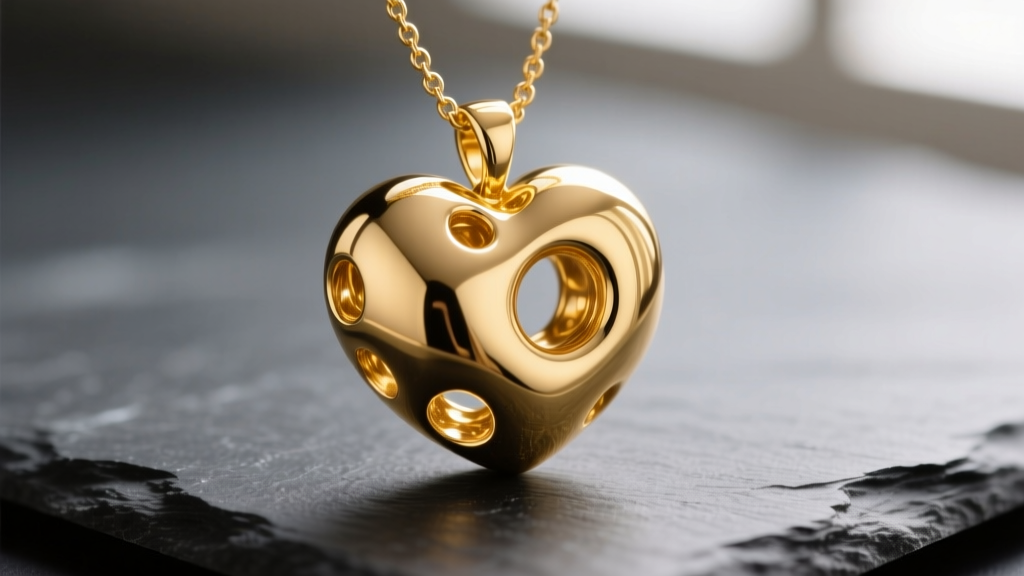
The Enduring Appeal of the Bubble Heart Necklace
The bubble heart necklace has evolved from a fleeting Y2K trend into a permanent staple of modern jewelry wardrobes. Characterized by its inflated, three-dimensional "puffed" silhouette, the bubble heart offers a bold visual presence without the overwhelming weight of a traditional solid-cast pendant. Whether you are eyeing a delicate sterling silver charm for everyday wear or a luxurious 18k gold statement piece, understanding the structural nuances of this specific design is critical before making a purchase.
In this comprehensive 2026 buying guide, we break down the exact manufacturing methods, metal grades, chain pairings, and pricing tiers you need to know. As jewelry designers continue to innovate with electroforming and 3D wax casting, the market is flooded with varying quality levels. Here is how to separate the heirloom-quality investments from the fast-fashion imitations.
The Anatomy of the Bubble: Hollow vs. Solid Cast
The defining feature of a bubble heart necklace is its voluminous, rounded topography. However, not all "bubbles" are created equal. The manufacturing technique used to achieve this puffed effect drastically impacts the pendant's durability, weight, and price point.
Electroformed (Hollow) Construction
Most large bubble heart pendants (typically 15mm to 25mm in width) are created using a process called electroforming. This technique involves depositing layers of metal over a wax or resin mold, which is later melted or dissolved away, leaving a hollow, lightweight shell.
- Pros: Allows for massive, oversized heart silhouettes that remain comfortable for all-day wear. Significantly lower gold weight keeps the price accessible.
- Cons: Highly susceptible to denting. If squeezed or dropped on a hard surface, the thin metal shell can cave in, and repairing a crushed electroformed piece is often impossible.
Solid Cast Construction
Smaller bubble hearts (8mm to 14mm) or high-end luxury designer pieces are often solid cast using the lost-wax method. These are heavy, dense, and incredibly durable.
- Pros: Exceptional longevity. They will not dent under normal pressure and can be easily polished, buffed, or resized by a jeweler.
- Cons: Substantially heavier on the neck, and the precious metal weight drives the price up considerably.
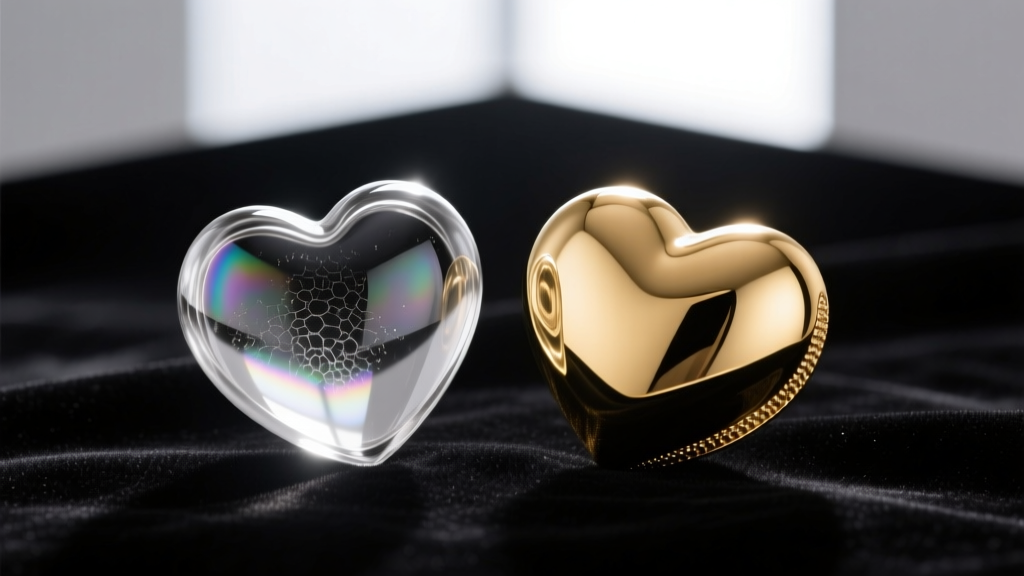
Metal Grades and Longevity: A Buyer's Matrix
The metal you choose dictates both the aesthetic warmth of the piece and its resistance to tarnish and wear. Below is a comparative matrix of the most common metals used for bubble heart necklaces in the current market.
| Metal Type | Composition | Durability & Wear | Estimated Price Range (15mm) |
|---|---|---|---|
| Sterling Silver (925) | 92.5% Silver, 7.5% Copper | Moderate. Will oxidize and tarnish; requires regular polishing. | $45 - $120 |
| Gold Vermeil | 2.5µm+ Gold over 925 Silver | High (with proper care). Base metal is durable, but plating will eventually wear on high-friction areas. | $85 - $250 |
| Gold Plated (Brass Base) | Thin gold flash over brass | Low. Prone to rapid tarnishing and skin discoloration once the plating breaches. | $20 - $60 |
| 14k Solid Gold | 58.5% Pure Gold | Excellent. The industry standard for everyday fine jewelry; highly scratch and tarnish resistant. | $350 - $750 |
| 18k Solid Gold | 75.0% Pure Gold | Very Good. Richer yellow hue but slightly softer, making it more prone to micro-scratches. | $600 - $1,400+ |
Note: When purchasing gold vermeil, ensure the brand adheres to Federal Trade Commission (FTC) guidelines, which mandate a minimum gold thickness of 2.5 microns over a sterling silver base to legally use the term "vermeil." You can review the official FTC Jewelry Guides for more information on metal plating standards.
Chain Mechanics: Gauge, Length, and Clasp Pairings
A common mistake buyers make is pairing a voluminous bubble heart pendant with an inadequate chain. The visual weight of the pendant must be balanced by the physical strength and thickness of the chain.
Optimal Chain Gauges
For a standard 12mm to 18mm bubble heart, avoid delicate chains under 1.0mm. The pendant's weight and movement will cause thin chains to fray and snap at the jump ring.
Expert Rule of Thumb: Match your chain gauge to the pendant width. A 15mm bubble heart pairs best with a 1.5mm to 2.0mm cable, rolo, or curb chain. This provides enough structural integrity to support the pendant while maintaining a feminine, elegant profile.
Clasp Selection
Discard spring ring clasps for any bubble heart necklace weighing over 4 grams. Spring rings are notorious for failing under the pendulum-like swing of a 3D puffed charm. Insist on a lobster clasp or a box clasp with a safety figure-eight catch. Lobster clasps feature a robust internal spring mechanism that securely locks the jump ring in place, preventing accidental loss.
Layering the Bubble Heart: A 2026 Styling Framework
The bubble heart is a masterclass in textural layering. Because of its rounded, light-catching surface, it serves as an excellent anchor piece in a multi-strand necklace stack. Here is a proven layering framework for varying necklines:
- The Choker Anchor (14-15 inches): Start with a 1.2mm herringbone or snake chain choker. This sits flush against the collarbone and provides a sleek, metallic baseline.
- The Bubble Core (17-18 inches): Place your 12mm bubble heart on a 1.8mm rolo chain. The rolo links add an industrial, textural contrast to the smooth, puffed surface of the heart.
- The Elongating Pendant (22-24 inches): Finish with a longer, vertical element, such as a solid gold bar pendant or a simple lariat drop, to draw the eye downward and elongate the torso.
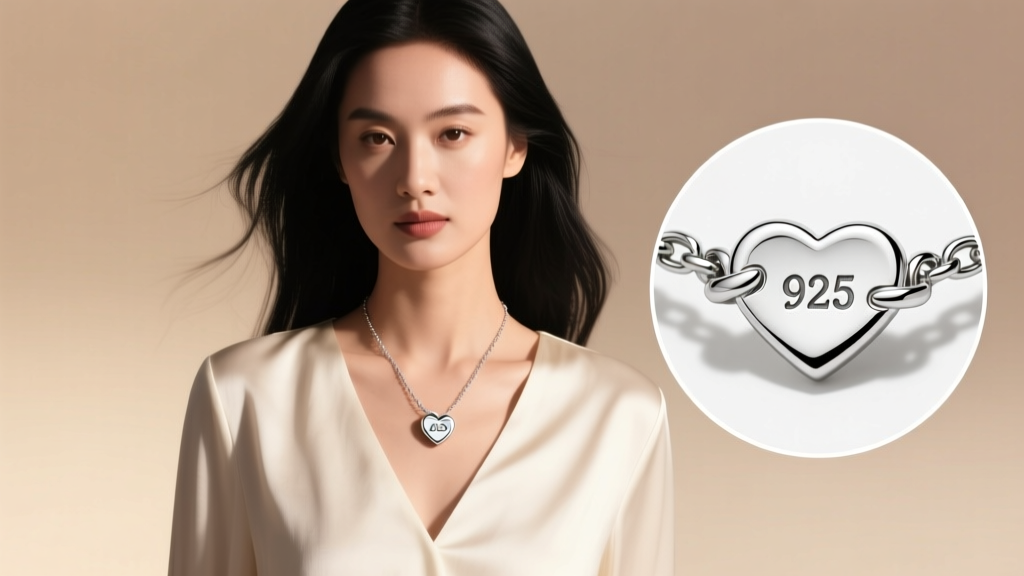
Decoding Hallmarks and Authenticity
Never purchase a fine jewelry bubble heart without verifying its hallmarks. Due to the puffed nature of the pendant, hallmarks are rarely stamped directly on the heart itself, as doing so would warp or puncture the metal (especially on hollow electroformed pieces). Instead, look for the stamps on the chain's end tags or the clasp mechanism.
According to the Gemological Institute of America (GIA), legitimate precious metals will carry specific purity stamps. Look for "925" for sterling silver, "14K" or "585" for 14-karat gold, and "18K" or "750" for 18-karat gold. If a piece lacks these stamps or features vague terms like "gold tone" or "silver filled," you are purchasing costume jewelry, which will not retain resale value or withstand daily wear.
Care and Maintenance for Puffed Pendants
Maintaining the mirror-like finish of a bubble heart requires specific care protocols, particularly for hollow pieces.
- Avoid Ultrasonic Cleaners: Never place a hollow electroformed bubble heart in an ultrasonic jewelry cleaner. The high-frequency vibrations can weaken the microscopic seams where the pendant was sealed, and water can become trapped inside the hollow cavity, leading to internal corrosion.
- Polishing Protocol: Use a treated, non-abrasive microfiber polishing cloth. Wrap the cloth around your index finger and gently buff the curves of the heart. Do not use liquid silver dips, as they can strip the rhodium plating often used on white gold or silver pieces to prevent tarnish.
- Storage: Store the necklace flat or hung on a padded jewelry bust. Tossing a bubble heart into a crowded jewelry box is the fastest way to induce deep scratches or catastrophic dents on hollow shells.
By prioritizing solid casting or high-quality electroforming, verifying FTC-compliant metal grades, and pairing your pendant with a structurally sound chain, your bubble heart necklace will remain a timeless, eye-catching centerpiece in your collection for decades to come.


