How to Buy and Authenticate a Genuine Coral Beads Necklace
Learn how to buy, authenticate, and care for a coral beads necklace. Discover real vs. dyed coral, pricing tiers, and expert styling tips for beginners.

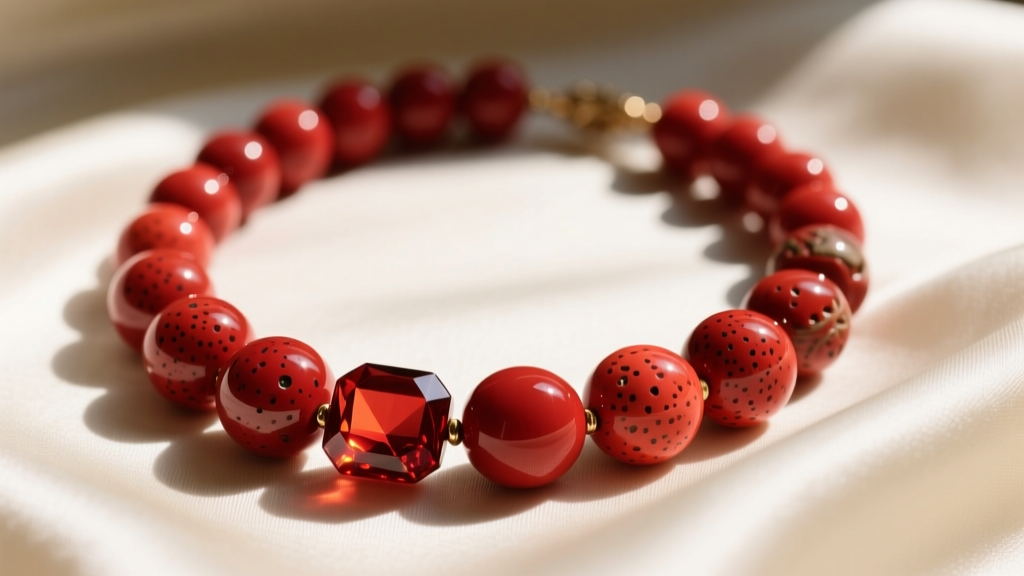
Why Coral Beads Necklaces Are a Timeless Wardrobe Staple
When you begin shopping for a coral beads necklace, you are not just buying jewelry; you are investing in an organic gemstone formed by living marine polyps. Unlike diamonds or sapphires, which are mined from the earth, coral is a product of the ocean. This organic origin gives coral its unique warmth, lightweight feel, and rich historical significance. For beginners, navigating the market can be intimidating. The term 'coral' is frequently misused to describe dyed stones, plastics, or stabilized composites. Understanding the gemological properties and market realities of coral is essential before making a purchase.
According to the Gemological Institute of America (GIA), natural coral has a Mohs hardness of 3.5 to 4.0, a specific gravity of 2.6 to 2.7, and a refractive index of 1.48 to 1.65. These relatively soft, porous characteristics dictate how the beads must be cut, drilled, strung, and worn. This guide will break down the exact specifications you need to know to confidently select, authenticate, and care for your first high-quality coral beads necklace.
Understanding Coral Types: What Are You Actually Buying?
Not all coral is created equal. The market is flooded with various species, some of which are highly regulated due to environmental concerns. The Convention on International Trade in Endangered Species (CITES) strictly monitors the harvesting of precious corals to prevent overfishing and reef destruction. As a responsible buyer, you should always ask for documentation regarding the origin of the coral.
Precious vs. Semi-Precious Coral
Precious coral, primarily Corallium rubrum (Mediterranean red coral) and Corallium japonicum (deep-sea Japanese coral), features a dense, calcified core that takes a brilliant polish. These are the heirloom-quality beads that command high prices. Semi-precious or commercial corals, such as bamboo and sponge coral, are highly porous and require extensive treatments to be used in jewelry.
| Coral Type | Scientific Name | Natural Color | Market Price (18" Strand) | Treatment Level |
|---|---|---|---|---|
| Precious Mediterranean | Corallium rubrum | Deep Red to Salmon | $800 - $5,000+ | None (Polished only) |
| Bamboo Coral | Keratoisis | White/Grey | $30 - $120 | Heavily Dyed |
| Sponge Coral | Melithaea | Yellow/Brown | $40 - $150 | Resin Stabilized |
| Apple Coral | Fossilized Sponge | Mottled Red/Yellow | $50 - $200 | Dyed and Stabilized |
As a beginner, it is crucial to know that if you are buying a vibrant red coral necklace for under $150, you are almost certainly purchasing dyed bamboo coral or stabilized sponge coral. There is nothing inherently wrong with treated coral as long as it is accurately disclosed and priced accordingly.
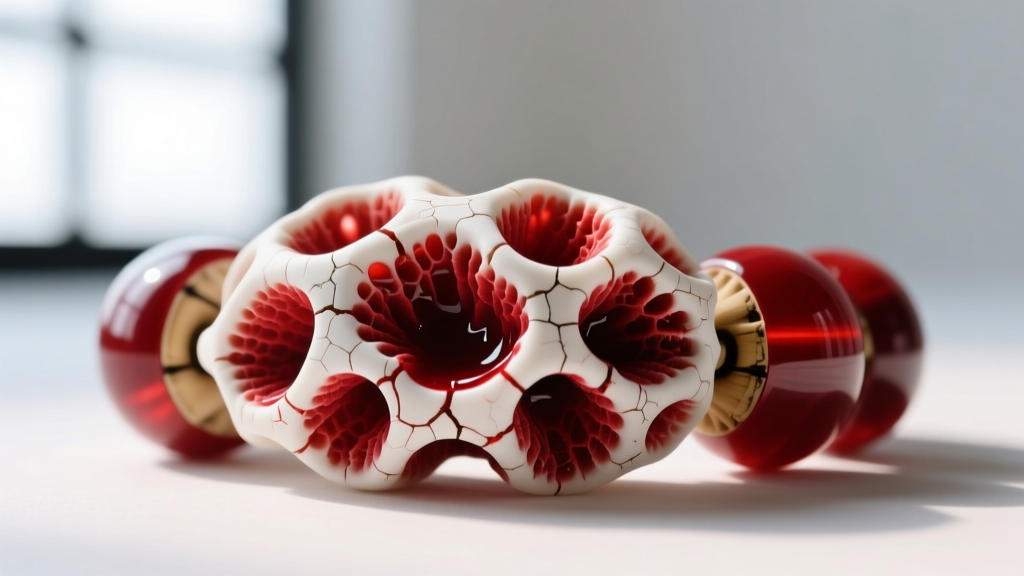
The Authentication Checklist: Real vs. Dyed vs. Fake
Distinguishing between genuine precious coral, dyed commercial coral, and outright synthetic imitations requires a few simple, non-destructive tests. Grab a 10x jeweler's loupe and follow this authentication framework.
- The 10x Loupe Test: Examine the surface and the drill holes of the beads. Genuine precious coral exhibits a subtle, wood-grain or fingerprint-like structural pattern. If the color looks completely uniform and opaque, or if you see concentrated pools of dark red pigment gathering in the natural white pores and cracks near the drill holes, the beads are dyed.
- The Acetone Test: Dip a cotton swab in pure acetone (nail polish remover) and gently rub it against a hidden area, such as the bead near the clasp. If the swab turns pink or red, the coral has been artificially dyed. Genuine precious coral will not transfer color.
- The Temperature Test: Coral is an excellent thermal insulator. When pressed against your cheek or wrist, genuine coral will feel cool to the touch and take a few seconds to warm up. Plastic or resin imitations will feel room temperature or warm almost instantly.
- The Sound Test: Gently tap two beads together. Glass or plastic beads produce a sharp, high-pitched 'clink.' Genuine coral produces a softer, duller 'clack' due to its organic calcium carbonate composition.
Sizing, Knotting, and Stringing Materials
The construction of a coral beads necklace is just as important as the beads themselves. Because coral is relatively soft (Mohs 3.5-4.0), the beads can easily chip or crack if they constantly grind against one another. Therefore, a high-quality coral necklace must be individually knotted.
Why French Silk Wire Matters
Professional jewelers use 100% silk bead cord, typically size E or F (0.325mm to 0.40mm) for standard 6mm to 8mm beads. Silk provides the necessary flexibility and tensile strength while being gentle on the drill holes. Furthermore, the strand should be finished with 'French wire' (also known as bullion)—a tiny coil of fine silver or gold wire that wraps around the silk thread where it connects to the metal clasp. This prevents the metal clasp from sawing through the delicate silk thread over time, a common failure mode in cheaply manufactured necklaces.
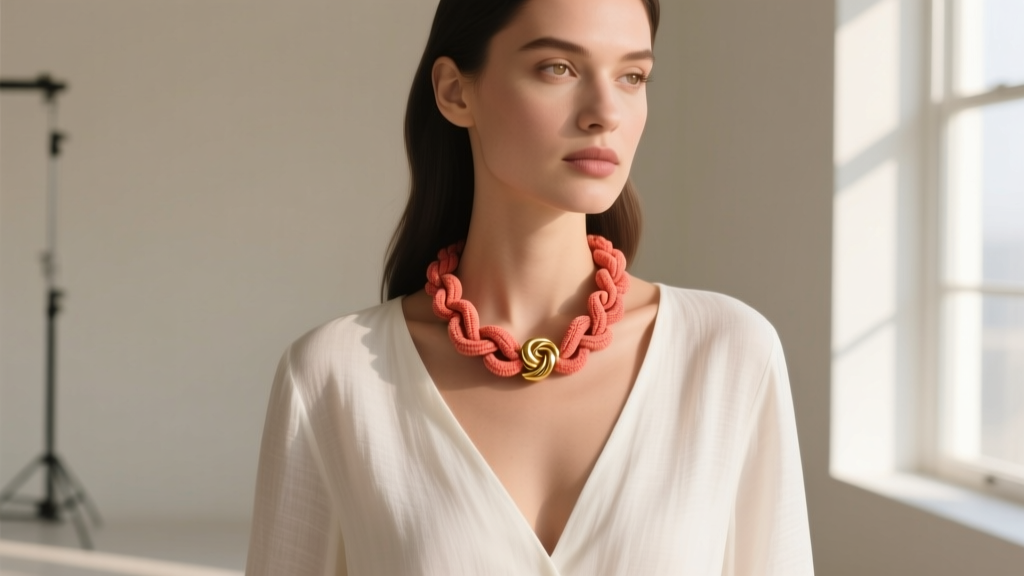
Care and Maintenance: Protecting Your Organic Gem
Coral is primarily composed of calcium carbonate, making it highly sensitive to acids, chemicals, and extreme heat. Improper care can permanently etch the surface, dulling the polish and destroying the bead's luster.
The Golden Rule of Organic Gems: Coral should always be the 'last on, first off' piece of jewelry. Apply your perfumes, hairsprays, lotions, and cosmetics before putting on your necklace to prevent chemical exposure.
Never use ultrasonic cleaners, steam cleaners, or harsh commercial jewelry dips on a coral beads necklace. The high-frequency vibrations can shatter the beads, and the chemicals will eat away the calcium carbonate. Instead, follow the GIA's recommended care guidelines: simply wipe the beads gently with a soft, damp microfiber cloth after wearing them to remove natural skin oils and acidic sweat. Allow the necklace to air dry completely before storing it in a soft pouch, separate from harder gemstones that could scratch its surface.
Styling Your Coral Necklace for Any Neckline
Coral's warm, organic tones make it incredibly versatile, but the length of the necklace dictates how it interacts with your wardrobe. Here is a quick styling matrix for beginners:
- 16-Inch Choker: Sits snugly at the base of the neck. Pair this length with boat necks, off-the-shoulder tops, or simple crew necks to frame the face without competing with fabric details.
- 18-Inch Princess: The most universal length, resting on the collarbone. This is perfect for V-neck blouses, wrap dresses, and open-collared shirts, drawing the eye downward and elongating the neck.
- 24-Inch Opera: Falls below the bust. Ideal for high-necked garments, turtlenecks, or evening wear. You can also double-wrap an opera-length strand for a layered, bohemian look.
Final Thoughts for First-Time Buyers
Purchasing a coral beads necklace is a rewarding experience when you know exactly what to look for. By understanding the difference between precious and commercial coral, performing simple authentication tests, and insisting on proper silk-knotted construction, you can avoid costly mistakes. Whether you opt for an investment-grade Mediterranean red strand or a fun, resin-stabilized sponge coral piece for everyday wear, your necklace will remain a vibrant, ocean-born treasure for years to come.


