How to Authenticate a Kate Spade Necklace: Step-by-Step Guide
Learn how to authenticate a Kate Spade necklace with our step-by-step guide. Discover hallmark, clasp, and material secrets to spot fakes instantly.

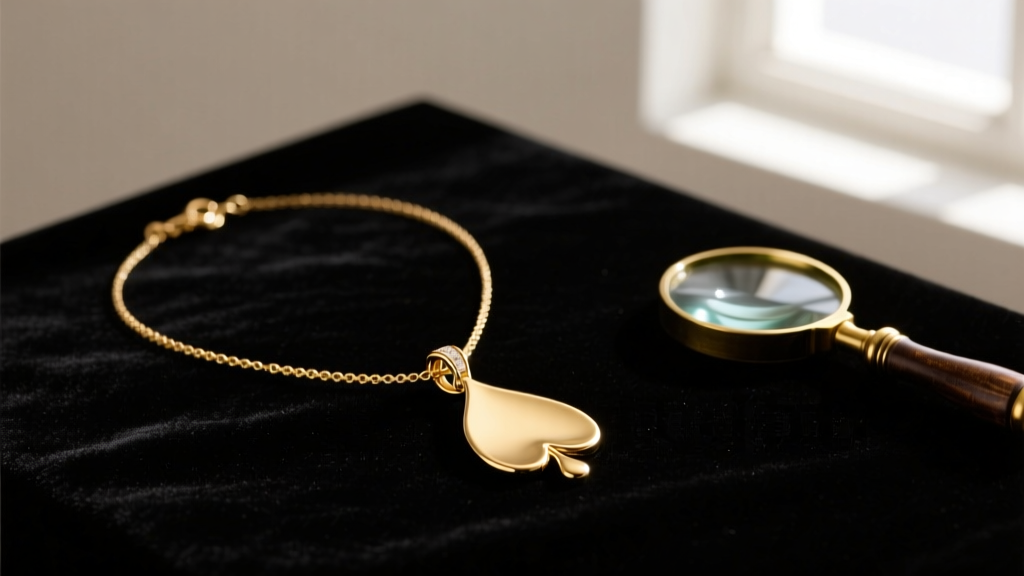
The 2026 Resale Landscape: Why Authentication Matters
As the secondary market for accessible luxury continues to expand in 2026, so does the sophistication of counterfeit operations. Kate Spade New York, celebrated for its whimsical motifs, heritage spade icons, and accessible price points, remains one of the most frequently replicated jewelry brands on global e-commerce platforms. While a genuine kate spade necklace offers exceptional craftsmanship for its tier, fakes often flood online marketplaces, thrift apps, and unauthorized discount sites.
Spotting a counterfeit requires more than a casual glance; it demands a systematic evaluation of metallurgy, hardware engineering, and branding typography. Whether you are sourcing a vintage piece from a consignment shop or verifying a recent purchase from a third-party seller, this comprehensive, step-by-step authentication guide will equip you with the exact metrics and visual cues needed to separate authentic Kate Spade jewelry from deceptive imitations.
Step 1: Decoding the Signature Hallmarks and Engravings
The most immediate indicator of authenticity lies in the brand's hallmarks. Kate Spade jewelry is meticulously stamped, and counterfeiters frequently fail to replicate the precise typography and placement.
The Typography Test
Authentic pieces feature the brand name in a very specific, clean sans-serif font. Crucially, the branding is almost always entirely lowercase: kate spade new york. Pay close attention to the kerning (the spacing between letters). On genuine pieces, the spacing is mathematically uniform. Fakes often exhibit cramped lettering, particularly around the 'p' and 'a', or use a slightly italicized or bolded font that the brand does not use for jewelry stamps.
Placement and Depth
- Pendant Backs: On spade motif pendants, the logo is typically laser-engraved or deeply stamped into the flat metal back. The engraving should be crisp, with no blurred edges or shallow, inconsistent depths.
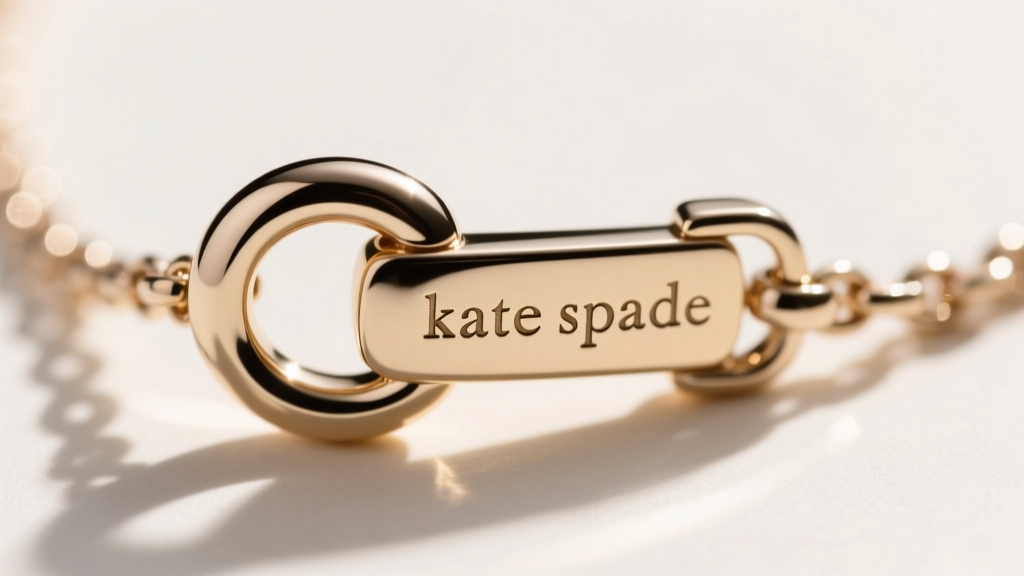
- Metal Tags: Many chain necklaces feature a small, flat metal tag (often oval or rectangular) near the clasp. This tag will bear the "kate spade new york" stamp or the iconic spade symbol. The tag should feel securely soldered and lie flat against the chain.
- Sterling Silver Marks: If the piece is part of the fine or sterling silver collection, you will find a distinct "925" stamp alongside the brand name. This stamp should be deeply impressed, not merely scratched on the surface.
Step 2: Evaluate the Clasp and Chain Hardware
Hardware is where counterfeiters cut corners to save on manufacturing costs. A genuine kate spade necklace utilizes high-quality base metals and precise engineering for its clasps and jump rings.
Lobster vs. Spring Ring Clasps
Most authentic Kate Spade necklaces utilize sturdy lobster clasps rather than flimsy spring rings. Examine the lever of the lobster clasp. On many authentic models, the lever itself is engraved with the spade icon or the brand name. The spring mechanism inside the clasp should offer firm, smooth resistance. If the clasp feels loose, requires excessive force to open, or fails to snap back into place instantly, it is likely a counterfeit.
Jump Rings and Soldering
Inspect the jump rings (the small circular rings connecting the clasp to the chain and the pendant to the chain). Authentic pieces use tightly closed, often laser-soldered jump rings. There should be no visible gaps where the metal meets. Counterfeit chains frequently feature open jump rings that can easily be pulled apart with minimal tension, posing a severe risk of losing the pendant.
Step 3: Analyze the Materials and Plating Quality
Kate Spade fashion jewelry is primarily crafted from a solid brass base metal, which is then plated. Understanding the brand's material standards is critical for authentication.
| Material Feature | Authentic Kate Spade | Counterfeit Imitation |
|---|---|---|
| Base Metal | Solid Brass or Sterling Silver (925) | Zinc Alloy, Pewter, or Hollow Plastic |
| Gold Plating | 12k or 14k Gold over Brass (thick, even) | Flash Plating (thin, brassy, tarnishes quickly) |
| Silver Plating | Rhodium over Brass or Solid Sterling | Nickel or Chrome (overly shiny, causes allergies) |
| Weight & Heft | Substantial, dense, and balanced | Suspiciously light or overly heavy (lead fill) |
Authentic gold-tone pieces have a warm, rich hue characteristic of 12k or 14k gold plating. Fakes often use a highly yellow, almost neon "flash plating" that looks artificial and quickly rubs off to reveal a dark, oxidized base metal underneath. Furthermore, hold the pendant in your hand. A genuine brass pendant has a specific, dense heft. Fakes made from cheap zinc alloys or hollow plastics will feel suspiciously light, while some poorly regulated counterfeits may use lead-heavy alloys that feel unnaturally heavy and pose severe health risks.
Step 4: Inspect Enamel Work and Motif Casting
Kate Spade is famous for its vibrant enamel initial necklaces, heritage spade pendants, and whimsical animal motifs. The quality of the enamel and the metal casting are massive tells.
The Flush Enamel Rule
Authentic Kate Spade enamel is hard-fired and polished so that it sits completely flush with the surrounding metal bezels. Run your fingernail lightly over the surface. You should not feel a significant dip or a raised dome. Counterfeiters typically use "cold enamel" (a colored epoxy resin). This resin often shrinks as it cures, leaving a recessed surface, or is applied too thickly, creating a domed, bubbly appearance that protrudes above the metal borders.
Casting Seams and Pitting
Examine the edges of the metal motifs under a jeweler's loupe or your smartphone's macro lens. Authentic pieces are cast cleanly and meticulously polished, resulting in smooth, continuous edges. Fakes are often produced in cheap, multi-part molds, leaving visible "seam lines" along the edges of the pendant. You may also notice pitting (tiny craters in the metal) or rough, unpolished areas on the back of the pendant where the counterfeit manufacturer skipped quality control steps.
Step 5: Examine the Packaging and Authenticity Cards
While packaging can be faked or separated from the jewelry over time, it provides vital contextual clues, especially for "New With Tags" (NWT) listings.
Boxes and Dust Bags
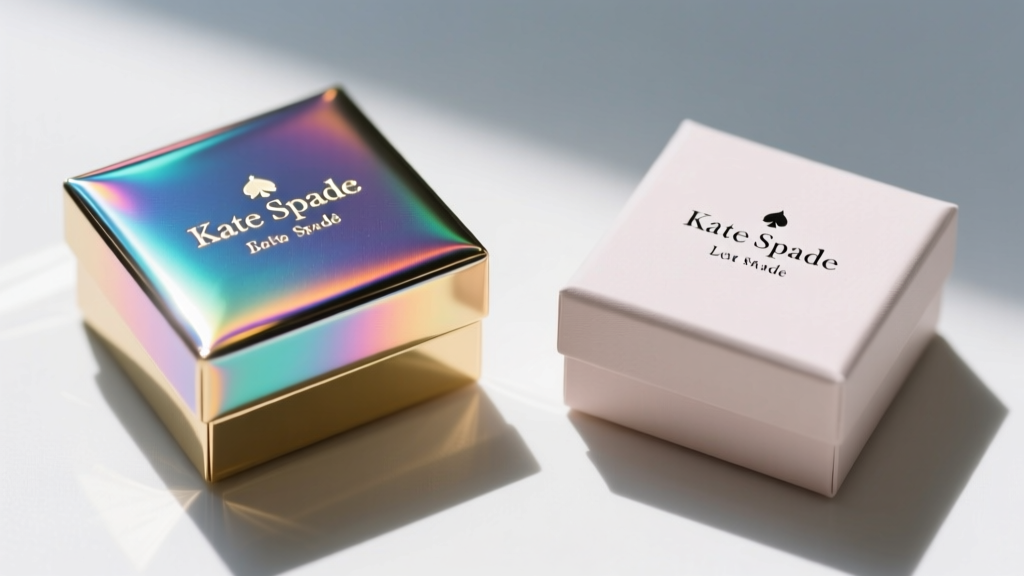
Authentic Kate Spade necklaces are typically housed in a sturdy, matte-finish box featuring a crisp, metallic foil-stamped logo. The interior lining is usually a high-quality, soft faux-suede or velvet material. Fakes often use flimsy cardboard with a glossy finish, and the foil stamping may appear cracked, blurry, or misaligned. If a dust bag is included, it should be made of soft, woven cotton (usually cream or black) with a clean drawstring and a neatly printed or embroidered logo. Counterfeit dust bags often feel like cheap polyester and feature screen-printed logos that crack after minimal use.
Care Cards and Documentation
Genuine pieces come with a care instruction card detailing how to protect the plating and enamel from moisture and chemicals. The print quality on these cards is sharp, and the paper stock is thick. According to the Federal Trade Commission (FTC) Consumer Advice, counterfeiters frequently use low-resolution scans of original packaging, resulting in blurry text, pixelated logos, and grammatical errors on the care cards.
Step 6: Verify the Price Point and Retailer Provenance
Finally, apply a practical decision framework regarding the price and the seller. A standard fashion kate spade necklace typically retails between $48 and $150, depending on the complexity of the design and the materials used (e.g., initial pendants vs. crystal-encrusted heritage spades).
"If a third-party seller is offering a brand-new, highly sought-after Kate Spade necklace for $15 or $20, it is almost certainly a counterfeit. Authentic accessible luxury retains a baseline market value, even on clearance."
When in doubt, cross-reference the SKU or style number (often found on the original tag or packaging) by contacting Kate Spade Official Customer Service. They can verify if the style number corresponds to the exact piece you are holding, including the correct colorway and chain length.
Final Verdict: When to Walk Away
Authentication is rarely about finding a single flaw; it is about identifying a pattern of compromises. If the hallmark font is slightly off, the enamel is domed, and the jump rings are unsoldered, you are looking at a counterfeit. By systematically evaluating the typography, hardware engineering, metallurgical weight, and enamel finishing, you can confidently navigate the secondary market and ensure your jewelry collection remains entirely authentic.


