Lia Sophia Necklace Gold Value: 2026 Resale Pricing Guide
Assess the true value of a Lia Sophia necklace gold piece in 2026. Discover resale pricing, material facts, and what to check before buying vintage.

The Secondary Market Reality for Vintage Fashion Jewelry
If you are searching for a lia sophia necklace gold piece in 2026, you are navigating the secondary market. Lia Sophia, once a powerhouse in the direct-sales and party-plan jewelry industry, officially ceased operations in 2014. Today, their extensive catalog of gold-tone necklaces, pendants, and chokers lives on exclusively through resale platforms like eBay, Poshmark, Mercari, and Etsy. For budget-conscious collectors and vintage style enthusiasts, these pieces offer an accessible entry point into bold, early-2000s and 2010s statement jewelry. However, assessing the true value requires a clear understanding of what you are actually buying, as the term "gold" in this context refers strictly to gold plating over base metals, not solid karat gold.
Understanding the material composition, current resale pricing tiers, and common failure modes is essential before you click "Buy It Now." This comprehensive 2026 value assessment will help you determine if a vintage Lia Sophia gold necklace is a worthwhile addition to your collection or an overpriced fashion relic.
Material Breakdown: What "Gold" Actually Means
To accurately assess value, we must first address the metallurgy. According to the Federal Trade Commission Jewelry Guides, a piece can only be labeled as "gold" without qualification if it is solid gold throughout. Lia Sophia’s gold necklaces are predominantly crafted from a pewter, zinc alloy, or brass base metal that has been electroplated with a thin layer of 14k or 18k gold.
The Gemological Institute of America (GIA) notes that gold electroplating in fashion jewelry typically measures less than 0.5 microns in thickness. While Lia Sophia was known for relatively high-quality plating compared to fast-fashion alternatives, the gold layer is still microscopic. This means the value of a Lia Sophia necklace gold piece lies entirely in its design, craftsmanship, and condition, rather than its intrinsic melt value. You are paying for the artistry of the casting, the quality of the rhinestone settings, and the brand's nostalgic appeal.
2026 Resale Pricing Matrix: What Should You Pay?
Pricing on the secondary market fluctuates based on rarity, condition, and the specific collection the piece belonged to. Below is a data-driven breakdown of what you should expect to pay for a Lia Sophia necklace gold piece in the current 2026 resale landscape.
| Necklace Category | Material & Features | Average 2026 Resale Price | Value Assessment |
|---|---|---|---|
| Delicate Chain & Small Pendant | Gold-plated brass, single small crystal | $12 - $22 | High supply; pay only for pristine condition. |
| Standard Station Necklace | Gold-plated pewter, glass pearls or beads | $25 - $40 | Fair value; great for everyday layering. |
| Statement Bib / Collar | Heavy gold-plate, massive rhinestone clusters | $45 - $85 | High demand; check for missing stones. |
| Limited Edition / Holiday | Gold-tone with Swarovski elements or enamel | $90 - $140+ | Collector grade; requires authentication of original pouch/tags. |
| Y-Necklace / Lariat | Gold-plated chain with dangling focal drop | $30 - $50 | Moderate demand; inspect the drop bail for wear. |
"When buying vintage direct-sales jewelry, always filter your search by 'Sold Listings' to see the actual market clearing price, rather than the aspirational prices sellers initially list."
Critical Condition Checks: Spotting Failure Modes
Because the intrinsic metal value is negligible, condition is the sole determinant of a Lia Sophia necklace's worth. When evaluating photos from a seller, zoom in and look for these three specific failure modes common in 10-to-15-year-old fashion jewelry:
1. Brassing and Plating Wear
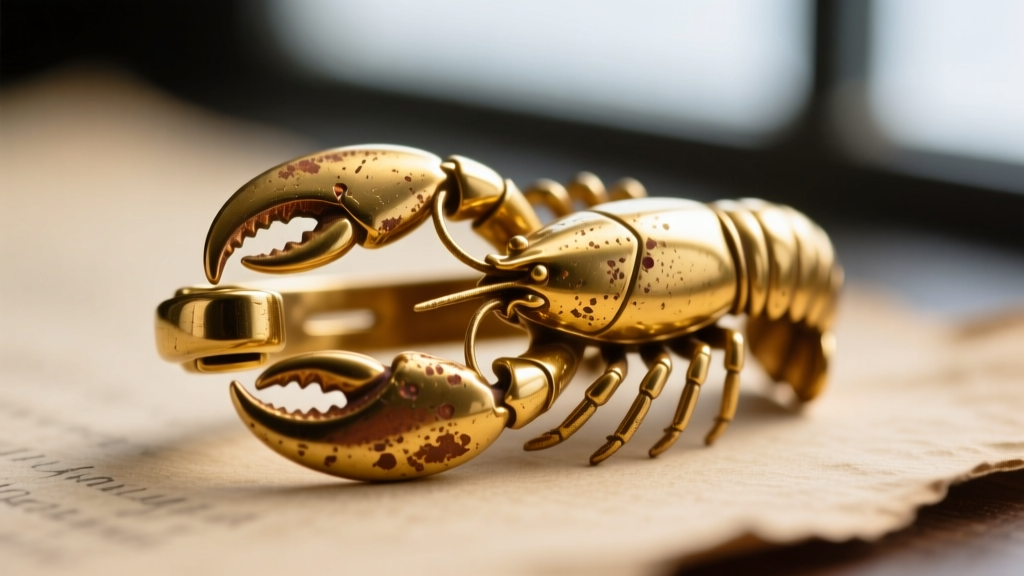
"Brassing" occurs when the gold plating wears away to reveal the yellowish or dull grey base metal underneath. This is most common on high-friction areas. Always request close-up photos of the lobster clasp, the jump rings, and the pendant bail (the loop the chain passes through). If the brassing is severe, the piece is only worth a fraction of the asking price, as re-plating a fashion jewelry piece costs far more than the item's replacement value.
2. Rhinestone Foil Degradation
Lia Sophia frequently used glass crystals and rhinestones with a metallic foil backing to enhance sparkle. Over time, moisture can seep into the settings, causing the foil to oxidize, turn black, or flake away. This results in a "dead" or cloudy stone. Hold the necklace up to the light; if the stones look dark or grey instead of brilliantly reflective, the piece has suffered moisture damage and its value drops significantly.
3. Clasp Spring Fatigue
The standard lobster clasps used in the 2000s and early 2010s often suffer from spring fatigue. The tiny internal mechanism can rust or lose its tension, meaning the clasp won't snap shut securely. A broken clasp on a heavy statement necklace is a major liability, as replacing it requires soldering, which can easily melt or scorch the gold plating on the adjacent chain links.

Styling Vintage Gold-Tone in 2026
One of the primary reasons buyers seek out a lia sophia necklace gold piece today is to participate in the maximalist layering trends dominating 2026 fashion. However, mixing vintage gold-tone with modern solid gold or heavy vermeil requires a careful eye. The warm, slightly brassy hue of older electroplated pewter can clash with the pale, precise color of modern 14k solid gold.
To bridge this gap, use the "buffer technique." Layer your vintage Lia Sophia statement piece with neutral elements—such as black onyx beads, white freshwater pearls, or dark leather cords—before introducing modern solid gold chains into the stack. This prevents the subtle color mismatch from being obvious and allows the vintage piece to stand out as a deliberate, curated focal point rather than a mismatched mistake.
Proper Care and Maintenance
Preserving the value of your vintage find requires strict adherence to proper cleaning protocols. Never place a Lia Sophia gold-plated necklace in an ultrasonic cleaner. The high-frequency vibrations and chemical solutions will strip the microscopic gold layer right off the pewter base, leaving you with a dull, grey chain. Instead, clean the piece using a dry, untreated microfiber polishing cloth. If the stones are heavily soiled, use a cotton swab lightly dampened with distilled water and a drop of mild dish soap, carefully avoiding the metal settings to prevent moisture from reaching the foil backing.
Final Verdict: Is It Worth the Investment?
From a purely financial standpoint, a Lia Sophia necklace gold piece is not an investment that will appreciate in monetary value. It is a depreciating fashion accessory. However, from a budget and style perspective, it offers exceptional value. Where else can you acquire a heavy, intricately cast, crystal-encrusted statement collar for under $60? If you approach the secondary market with a strict budget, a keen eye for plating condition, and a willingness to negotiate on pieces with minor wear, vintage Lia Sophia remains one of the most rewarding hunts in the 2026 estate jewelry market.