Styling a 20 Inch Necklace on Man: The Ultimate Fit Guide
Discover how a 20 inch necklace on man fits, the best chain widths, material grades, and clasp types to ensure a perfect, stylish look in 2026.
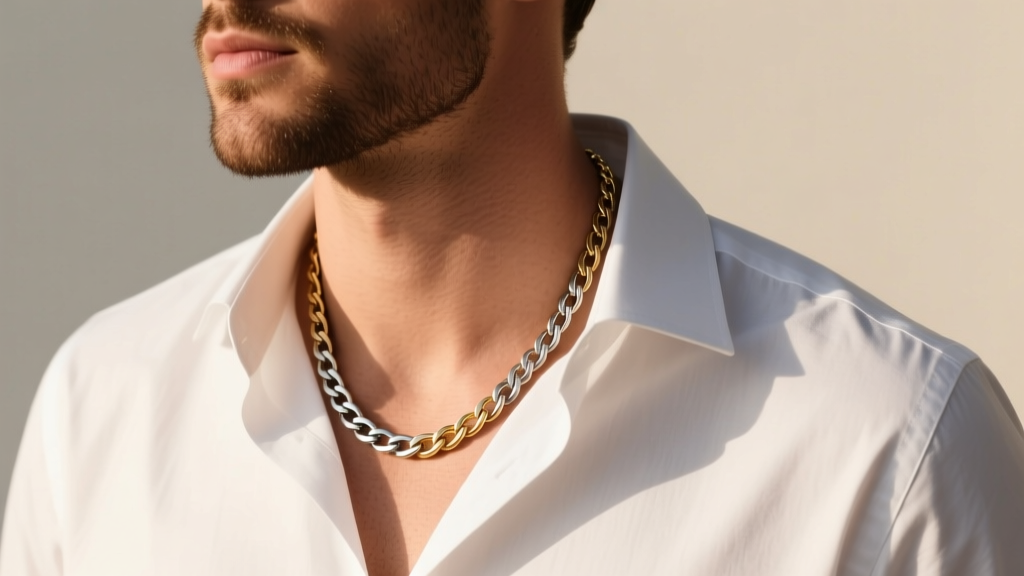
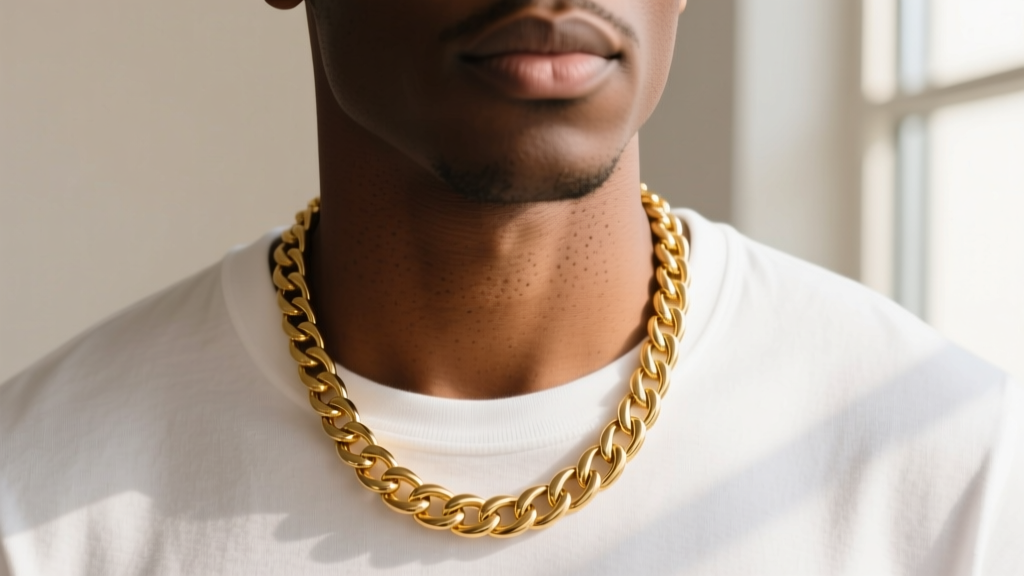
The landscape of men's jewelry has evolved dramatically, moving beyond flashy novelties into the realm of refined, intentional accessorizing. As we navigate the style trends of 2026, one specific measurement continues to dominate the market: the 20-inch chain. Finding the perfect 20 inch necklace on man requires more than just picking a metal; it demands an understanding of anatomy, drape, metallurgy, and hardware mechanics. Whether you are layering over a heavyweight cotton tee or letting a pendant rest against an unbuttoned Oxford, this comprehensive buying guide will equip you with the exact specifications needed to make a flawless purchase.
The Anatomy of the 20-Inch Fit
Before evaluating metals or links, you must understand where a 20-inch chain actually sits on the male physique. The average adult male neck circumference ranges from 15 to 17 inches. Therefore, a 20-inch chain provides 3 to 5 inches of slack, meaning it will typically rest right at or slightly below the clavicle (collarbone). This is universally considered the "Goldilocks zone" for men's necklaces—it is low enough to avoid the restrictive, choker-like appearance of an 18-inch chain, but high enough to remain visible above the neckline of a standard crew-neck t-shirt.
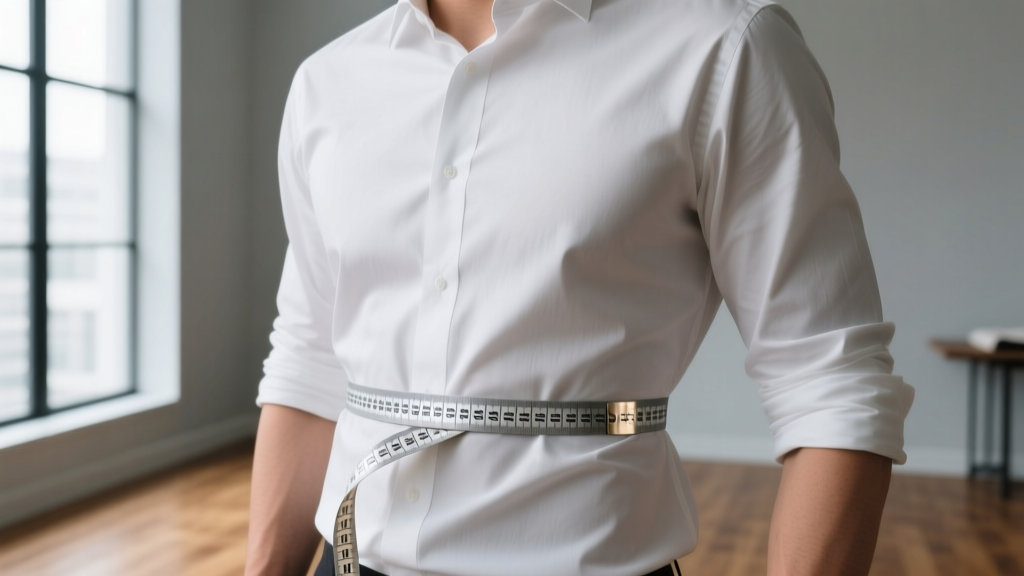
However, the visual impact of a 20 inch necklace on man heavily depends on your specific build. If you have a thicker neck (17+ inches) or a broader trapezius muscle profile, a 20-inch chain will sit higher, closer to the Adam's apple. In these cases, you must compensate by increasing the chain's width (gauge) to maintain visual proportion, which we will break down in the next section.
Chain Widths and Visual Weight
The most common failure mode when buying a men's chain is mismatching the length with the width. A 20-inch chain that is too thin (under 2mm) will look delicate and tangle easily, while one that is too thick (over 8mm) at this specific length can feel stiff, heavy, and overly ostentatious for daily wear.
| Width (mm) | Visual Weight | Best Use Case | Avg. Price Range (14k Gold) |
|---|---|---|---|
| 2mm - 3mm | Subtle / Minimalist | Pendant carrying, layered under unbuttoned shirts | $400 - $700 |
| 4mm - 5mm | Medium / Versatile | Standalone daily wear, visible over crew-neck tees | $900 - $1,800 |
| 6mm - 8mm | Heavy / Statement | Streetwear, standalone statement pieces | $2,200 - $4,500+ |
For the quintessential 20 inch necklace on man, the 4mm to 5mm range is the undisputed sweet spot. It provides enough physical presence to be noticed without overpowering your outfit or your natural anatomy.
Metallurgy and Material Grades
When investing in a chain that will sit against your skin daily, material grade dictates both longevity and skin reactivity. Here is what you need to look for on the spec sheet.
316L Stainless Steel vs. 925 Sterling Silver
If you are buying on a budget (under $150), 316L surgical stainless steel is vastly superior to cheap alloy metals. It contains molybdenum, which prevents pitting and corrosion from sweat and humidity. Conversely, 925 sterling silver is a precious metal but is highly prone to tarnishing due to its 7.5% copper content. If you opt for silver at the 20-inch mark, ensure it features a rhodium plating over the silver to act as a barrier against oxidation, requiring less frequent polishing.
Solid Gold Karat Weights
According to the Gemological Institute of America (GIA), pure 24k gold is far too soft for jewelry that experiences the friction and pulling of daily wear. For a 20-inch chain, 14k gold (58.3% pure gold) is the optimal choice. It offers a rich yellow hue while maintaining the tensile strength required to support its own weight and resist stretching over time. 18k gold is acceptable but will scratch and dent much faster if worn during physical activity.
Clasp Mechanics and Failure Modes
The clasp is the single most critical point of failure on any necklace. A broken clasp means a lost investment. When evaluating a 20 inch necklace on man, the clasp must be matched to the chain's weight.
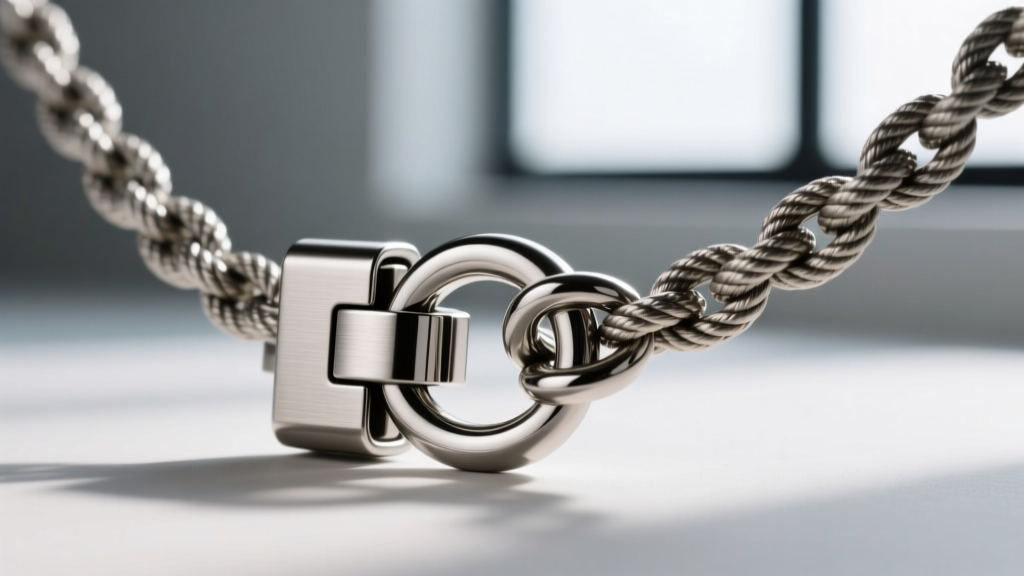
- Lobster Claw Clasps: Ideal for chains under 5mm. They are lightweight and secure, but the internal spring mechanism can fail if exposed to excessive sweat and grime over several years. Look for solid cast lobsters, not hollow stamped ones.
- Box Clasps with Safety Latches: Mandatory for chains 6mm and above. A box clasp uses a friction-fit tongue that clicks into a squared housing. Crucially, it must feature a figure-eight safety wire on the side that bends over a pin. If the primary friction tongue fails, the safety wire prevents the chain from falling off your neck.
Pendant Pairing Framework
If your goal is to use your 20-inch chain as a vehicle for a pendant, you must calculate the weight ratio. A general rule of thumb in jewelry design is that the pendant should not weigh more than three times the weight of the chain. If you hang a heavy 15-gram solid gold medallion on a delicate 5-gram 20-inch box chain, the chain will stretch, warp, and eventually snap at the solder points near the clasp.
Pro-Tip for 2026: When buying a chain specifically for pendants, opt for a Rope or Wheat link pattern. These chains have a rounded, fluid profile that allows the pendant bail to slide smoothly without catching on the sharp edges typical of Cuban or Curb links.
Neckline Pairings & Styling
As noted by the style experts at Real Men Real Style, the interplay between your chain and your collar defines your overall aesthetic. Here is how to style the 20-inch length:
- The Crew Neck T-Shirt: A 4mm or 5mm Cuban link will rest perfectly on the fabric just below the collar ribbing, framing the face without looking forced.
- The Unbuttoned Oxford: Leave the top two buttons undone. A 20-inch chain will sit right in the center of the exposed V, drawing the eye vertically and elongating the torso.
- The Hoodie: Wear the chain inside the hoodie, resting against your skin, rather than over the thick fleece fabric, which tends to snag the links and ruin the drape.
Final Buying Checklist
Before you finalize your purchase, run through this quick E-E-A-T verified checklist to ensure you are getting a high-quality piece:
- [ ] Is the width between 3mm and 6mm for optimal proportional drape?
- [ ] Does the metal grade match your lifestyle (316L for active/sweaty, 14k for heirloom/daily)?
- [ ] Is the clasp appropriate for the chain's total gram weight?
- [ ] If buying a pendant, does the bail clearance fit the specific link thickness?
Mastering the nuances of how a 20 inch necklace on man fits and functions transforms a simple accessory into a cornerstone of your personal style. By prioritizing structural integrity, precise proportions, and high-grade metallurgy, you secure a piece that will look just as good a decade from now as it does today.


