Troubleshooting the Pearl Necklace Alfred Hitchcock Presents
Unravel the mysteries of vintage pearls. Learn how to authenticate, restring, and repair mid-century necklaces with expert troubleshooting.

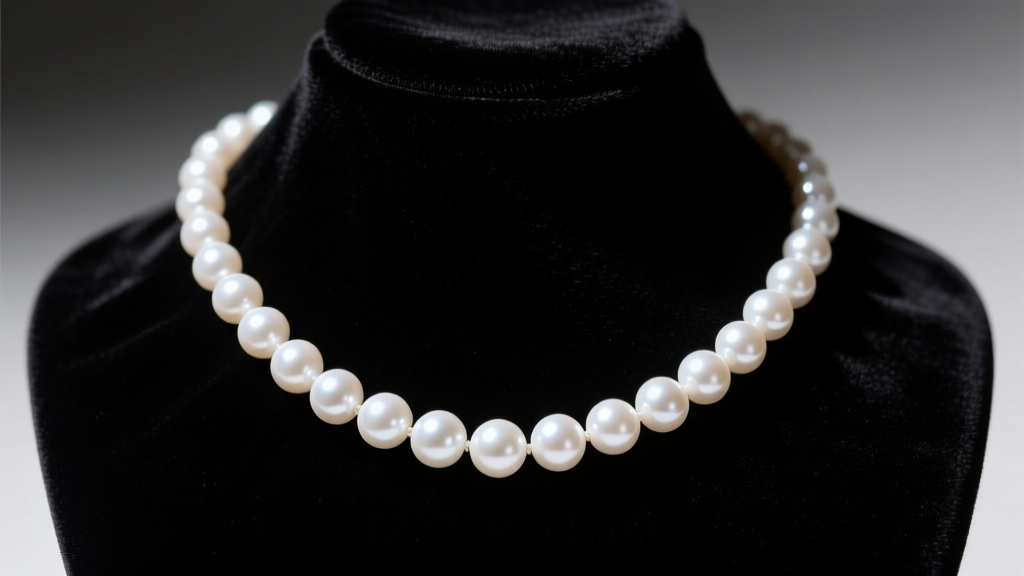
When viewers tuned in to watch the pearl necklace alfred hitchcock presents in 1961, they were treated to a masterclass in suspense, deception, and the hidden truths lurking behind a seemingly innocent piece of jewelry. The episode, based on a classic tale of marital intrigue, hinged entirely on the authenticity and secret history of a pearl necklace. Today, vintage jewelry collectors and inheritors face their own Hitchcockian mysteries when dealing with mid-century pearl necklaces. Is the strand genuine or a clever faux imitation? Is the silk thread on the verge of catastrophic failure? Will the vintage clasp hold?
Troubleshooting a vintage pearl necklace requires a detective’s eye and a bench jeweler’s technical expertise. In this guide, we dissect the most common structural and material failures found in 1950s and 1960s pearl strands, providing actionable, professional-grade solutions to restore them to their former glory.
The Authenticity Enigma: Faux, Cultured, or Natural?
The central plot twist of many mid-century thrillers revolves around a fake masquerading as the real thing. In the jewelry world, the 1960s saw the mass production of high-end faux pearls, most notably Majorica pearls, which feature a glass bead core coated with a proprietary blend of ground fish scales and lacquer (essence d'orient). To the naked eye, a vintage Majorica strand can easily mimic the luster of genuine Akoya cultured pearls.

According to the Gemological Institute of America (GIA), distinguishing between natural, cultured, and imitation pearls requires examining both surface topography and internal structure. Here is how to troubleshoot the authenticity of your vintage strand:
- The Tooth Test: Gently rub the pearl against the biting edge of your front tooth. Genuine nacre (both natural and cultured) feels distinctly gritty or sandy due to microscopic crystalline platelets. Faux pearls will feel perfectly smooth, like glass or plastic.
- Drill Hole Magnification: Using a 10x triplet loupe, examine the edges of the drill hole. Genuine pearls will show a sharp, clean boundary where the nacre meets the drill hole, often revealing the bead nucleus in cultured pearls. Imitation pearls often show peeling, chipping, or a rounded, melted-looking edge where the coating was applied over the glass bead.
- Weight and Temperature: Glass-cored faux pearls often feel unnaturally heavy compared to cultured Akoyas of the same millimeter size. Furthermore, genuine pearls will feel cool to the touch and take longer to warm to body temperature than plastic-coated imitations.
Pearl Diagnostic Matrix
| Characteristic | Vintage Faux (e.g., Majorica) | Mid-Century Cultured (Akoya) | Natural (Wild) |
|---|---|---|---|
| Surface Texture (Tooth Test) | Perfectly smooth, glass-like | Gritty, sandy crystalline feel | Gritty, highly textured |
| Drill Hole Edge (10x Loupe) | Peeling, chipped, or rounded coating | Sharp edge, visible nacre/bead boundary | Sharp edge, concentric rings, no bead |
| Luster Quality | Uniform, high-gloss, lacks depth | Mirror-like, deep orient, slight variations | Deep, complex, highly variable |
| UV Fluorescence (Longwave) | Inert or weak chalky blue | Strong pale yellow to light blue | Variable, often strong blue/green |
The Ticking Time Bomb: Silk Thread Degradation
If you have acquired a vintage pearl necklace that has not been restrung in the last decade, you are holding a structural time bomb. Historically, high-quality pearls were strung on 100% natural silk thread. While silk offers the perfect drape and flexibility, it is a protein-based fiber highly susceptible to environmental degradation.
The primary culprit in silk failure is human sweat, which contains lactic acid, urea, and salts. Over decades, these acidic compounds break down the amino acid bonds in the silk, causing the thread to stretch, fray, and eventually snap. According to conservation guidelines highlighted by the American Museum of Natural History, organic materials like silk require meticulous climate control, which is rarely the case in a standard jewelry box.
Troubleshooting and Restringing Protocol
Before restringing, inspect the necklace by gently pushing the pearls together. If you see more than 1-2 millimeters of exposed thread between the pearls, or if the thread appears grey, stiff, or frayed near the clasp, immediate restringing is mandatory.
- Material Selection: Discard synthetic nylon for high-end vintage pieces. Use Griffin 100% natural silk thread with a pre-attached stainless steel needle. For standard 6mm to 7mm Akoya pearls with 0.5mm drill holes, a size #4 or #5 silk thread is optimal.
- French Wire (Gimp) Application: Never tie silk directly to a metal clasp. The friction of the metal will saw through the silk over time. You must use French wire (a microscopic coiled metal spring, usually in 14k gold-filled or sterling silver) to protect the silk loops at the clasp connection points.
- Knotting Technique: Use a double half-hitch knot pulled tight with a specialized knotting tool or tweezers. The knot must sit flush against the pearl to prevent gap formation, which stretches the thread unevenly.
Rescuing the Vintage Fishhook Clasp
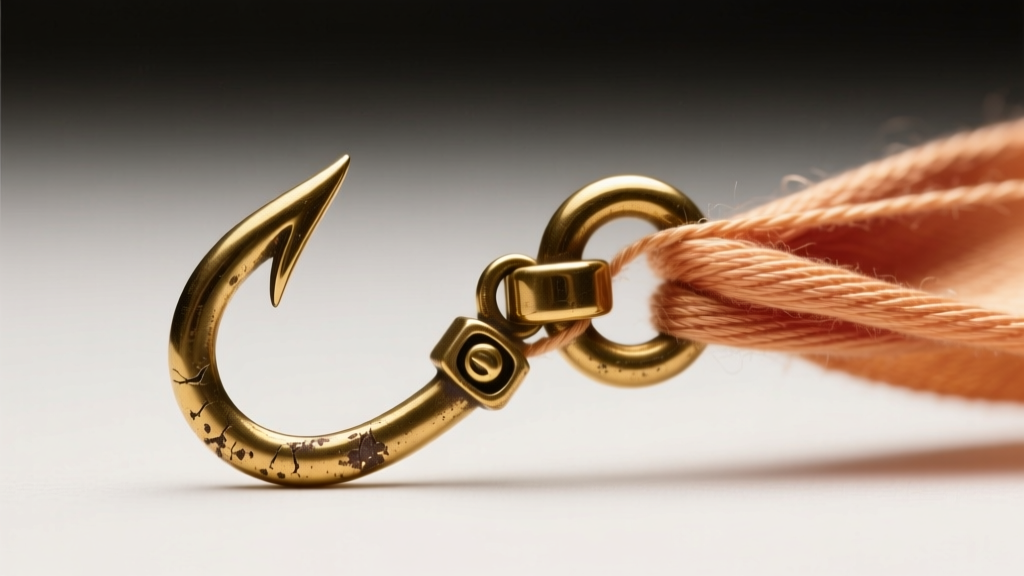
The clasp is the most frequent point of mechanical failure on any necklace. In the 1950s and 60s, the 'fishhook' or 'trombone' safety clasp was the industry standard for fine pearl strands. While elegant, these vintage mechanisms are notorious for failing. The internal tension wire loses its spring temper over decades of use, and the delicate figure-eight safety catches frequently snap off or deform.
The Problem: A compromised fishhook clasp will slide out of the barrel housing if the necklace is snagged, resulting in the catastrophic loss of the pearls.
The Solution: Do not attempt to solder or laser-weld a vintage stamped gold fishhook clasp. The heat will ruin the remaining temper of the spring mechanism. Instead, retire the vintage clasp to a velvet pouch (to preserve the necklace's provenance) and upgrade the strand.
Modern Clasp Upgrades for Vintage Strands
Replace the failing mechanism with a modern 14k or 18k gold box clasp with a double safety catch. A box clasp features a V-shaped folded metal tongue that compresses to enter the housing and expands to lock securely into place. The addition of a double safety catch (two small hinged wire loops that snap over a button on the opposite side of the clasp) ensures that even if the primary tongue mechanism fails, the necklace remains secured to the wrist or neck. When sourcing a replacement, ensure the clasp's jump rings are soldered shut to prevent them from pulling apart under the weight of the pearls.
Surface Rehabilitation: Cleaning Without Destruction
A common mistake when troubleshooting a dull, yellowed vintage pearl necklace is reaching for an ultrasonic cleaner or a commercial silver dip. This is a fatal error. Ultrasonic vibrations will shatter the nacre of cultured pearls, especially those with thin nacre layers common in some mid-century harvests. Furthermore, harsh chemicals will strip the orient and dissolve the calcium carbonate structure.
For safe surface rehabilitation, follow this strict protocol:
- pH-Neutral Cleansing: Use a microfiber cloth lightly dampened with distilled water and a single drop of pH-neutral, phosphate-free dish soap. Gently wipe each pearl individually.
- Hydration: Pearls are organic and require moisture. If they have been stored in a dry safe deposit box for decades, they may appear chalky. Wiping them with a cloth barely dampened with purified mineral oil (applied sparingly and buffed off immediately) can temporarily restore luster, though wearing them against the skin is the best long-term hydration method.
- Chemical Avoidance: Never expose the strand to perfume, hairspray, or cosmetics. As the American Gem Trade Association advises, pearls should always be the 'last thing you put on, and the first thing you take off.'
Final Verdict: Preserving the Legacy
The suspense of the pearl necklace alfred hitchcock presents may have been resolved in thirty minutes, but the stewardship of a vintage pearl strand is a lifelong commitment. By systematically diagnosing authenticity, proactively replacing degraded silk, upgrading failing clasps, and adhering to strict cleaning protocols, you ensure that the necklace survives to tell its own story for another generation. Treat every vintage strand not just as an accessory, but as a fragile historical artifact that demands respect, precision, and expert care.


