Troubleshooting & Caring for Your Mimco Pearl Necklace
Expert troubleshooting for your Mimco pearl necklace. Fix tarnished hardware, peeling pearls, and broken clasps with our comprehensive care guide.

The Anatomy of a Mimco Pearl Necklace: Understanding Your Materials
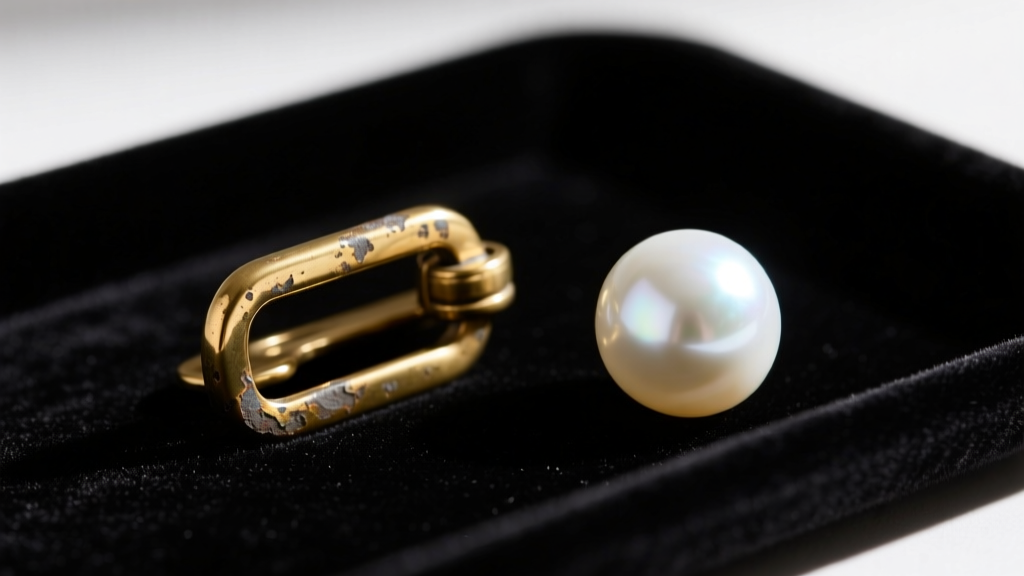
Mimco has long been a staple in contemporary fashion jewelry, celebrated for its vintage-inspired silhouettes and bold, statement-making hardware. However, owning a mimco pearl necklace requires a nuanced understanding of its material composition to effectively troubleshoot common wear-and-tear issues. Unlike fine jewelry crafted from solid 18k gold and solid nacre pearls, fashion jewelry relies on a delicate ecosystem of base metals, plating, and simulated or cultured stones.
Most Mimco pearl necklaces utilize a brass base metal for their chains and clasps, finished with a gold-tone or silver-tone plating. The "pearls" themselves typically fall into two categories: freshwater cultured pearls or high-quality crystal pearls (glass beads coated with a pearlescent finish). Understanding this anatomy is the first step in diagnosing why your necklace might be tarnishing, why the pearls are losing their luster, or why the clasps are failing. According to the Gemological Institute of America (GIA), pearls—whether natural, cultured, or simulated—require highly specific care regimens due to their vulnerability to acids, abrasives, and extreme temperature fluctuations.
Common Issue 1: Pearl Discoloration, Dulling, and "Peeling"
Diagnosing the Loss of Luster
If the pearls on your Mimco necklace have lost their signature glow or appear yellowed, the culprit is almost always environmental exposure. Human sweat is mildly acidic (with a pH ranging from 4.5 to 7.0), and prolonged contact can etch the surface of freshwater pearls or degrade the adhesive bonding the pearlescent coating to the glass core of crystal pearls. Furthermore, everyday cosmetics—hairsprays, perfumes, and lotions—contain alcohols and aerosols that leave a microscopic film on the pearl's surface, suffocating its optical brilliance.
The Troubleshooting Protocol
Never use commercial jewelry dips, ultrasonic cleaners, or steamers on a Mimco pearl necklace. The American Gem Trade Association (AGTA) explicitly warns that high-frequency ultrasonic waves can shatter glass-core crystal pearls and strip the nacre from thin-skinned freshwater pearls. Instead, follow this safe cleaning framework:
- The Solution: Mix one drop of pH-neutral, phosphate-free dish soap into a cup of lukewarm distilled water. Avoid tap water, as chlorine and fluoride can leave mineral deposits.
- The Application: Dampen a lint-free microfiber cloth in the solution and wring it out until it is only slightly moist. Gently wipe each pearl individually.
- The Drying Phase: Lay the necklace flat on a dry, clean cotton towel. Never hang a wet pearl necklace, as the weight of the water can stretch the silk or nylon threading, leading to structural failure.
Addressing "Peeling" Crystal Pearls
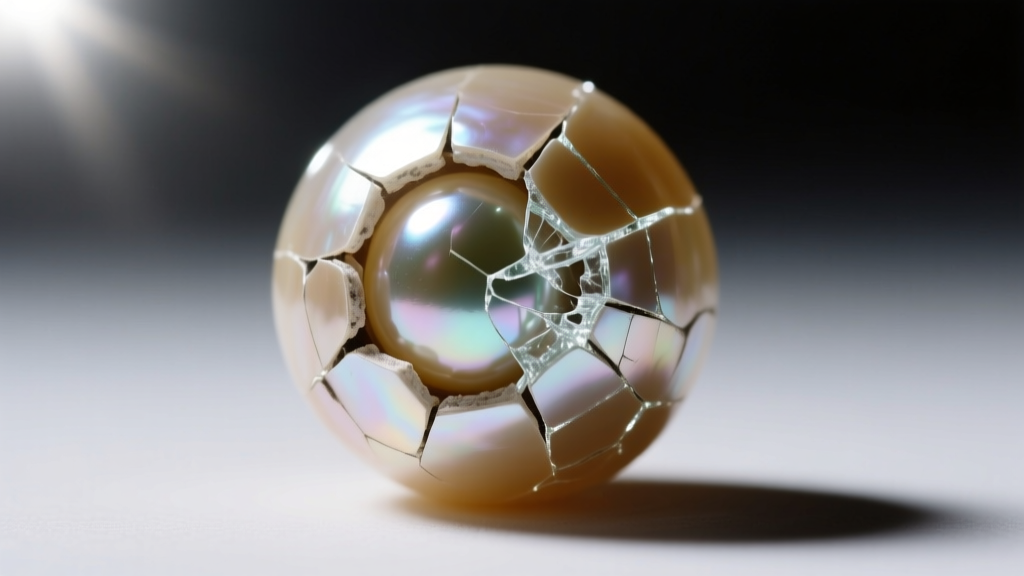
If you notice the pearlescent coating flaking off to reveal a clear or milky glass bead underneath, the pearl has suffered irreversible mechanical or chemical damage. This often occurs when the necklace is stored loosely in a drawer where it rubs against harder gemstones or metal edges. Unfortunately, you cannot "repair" a peeling crystal pearl. Your only option is to take the necklace to a professional jeweler who can source a matching Swarovski or Preciosa crystal pearl and restring that specific section of the piece.
Common Issue 2: Hardware Tarnish and Base Metal Exposure
The Chemistry of the "Green Skin" Effect
One of the most frequent complaints regarding fashion jewelry is the green or black smudge left on the skin. This is not an allergic reaction, but a chemical reaction. The brass alloy used in Mimco hardware contains copper. When copper reacts with the chlorides, lactic acid, and moisture in human sweat, it produces copper chloride—a green salt that transfers to your skin. As of 2026, while many premium fashion brands utilize e-coating (electrophoretic clear coating) to seal their metals, older Mimco pieces or areas subjected to high friction (like the clasp and jump rings) will eventually wear through this barrier.
Safe Polishing and Tarnish Removal
When the gold or silver plating begins to look dull or dark, you must clean it without stripping the remaining micron-thin plating or damaging the adjacent pearls.
Expert Warning: Never use silver polish or brass dips on plated jewelry. These compounds contain mild abrasives and thiourea, which will instantly strip flash plating down to the raw brass, ruining the piece permanently.
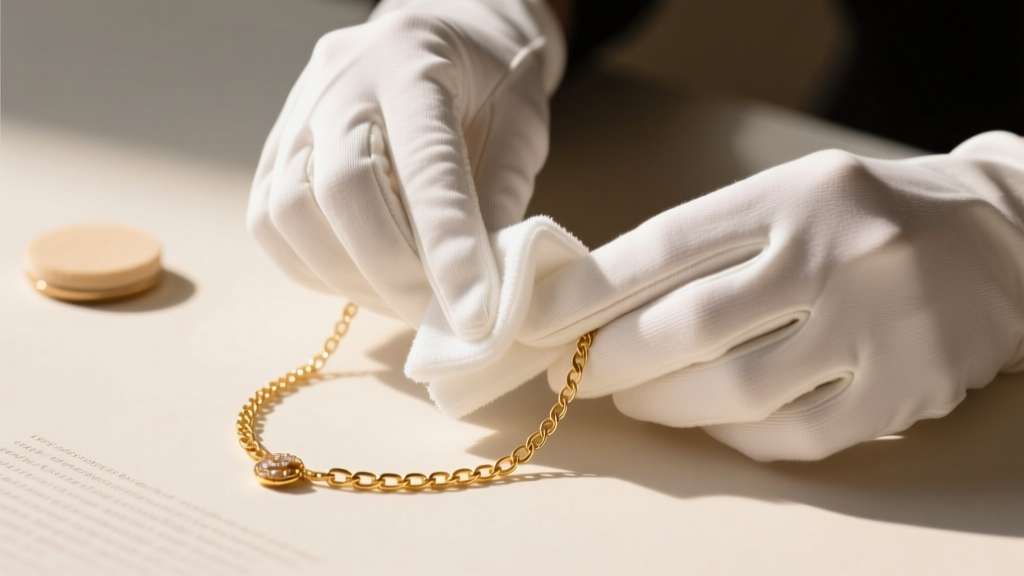
Instead, use a specialized jewelry polishing cloth that is impregnated with ultra-fine jeweler's rouge. Fold the cloth and gently pinch the chain links, pulling the chain through the fabric. When you reach the pearls, stop polishing the hardware to avoid transferring the polishing compounds to the pearl surfaces. If the plating has completely worn away and the raw brass is exposed, you can apply a microscopic layer of clear, non-yellowing nail polish to the inside of the clasp to create a temporary barrier against sweat, or seek out a professional electroplating service to re-dip the hardware in 14k gold.
Troubleshooting Clasp and Chain Failures
Mechanical failures are incredibly common in statement necklaces due to the sheer weight of the pearls and hardware. Below is a diagnostic table for the most frequent structural issues encountered with Mimco necklaces.
| Component | Common Failure Mode | Root Cause | Actionable Solution |
|---|---|---|---|
| Lobster Clasp | Spring mechanism sticks or fails to close | Accumulation of skin oils, lotion, or microscopic debris inside the spring housing. | Apply a microscopic drop of synthetic watch oil to the hinge. Work the lever back and forth. Wipe away excess. |
| Jump Rings | Ring pulls open, dropping the pendant | Lateral tension from the weight of heavy crystal pearls dragging on the chain. | Use two pairs of flat-nose pliers to twist the ring closed. Never pull it apart laterally; always twist horizontally. |
| Toggle Clasp | Bar slips out of the circular ring | The chain is too short, creating constant tension, or the bar is undersized for the ring. | Add a 1-inch chain extender to relieve tension, or replace the toggle bar with a heavier, longer aftermarket component. |
The Restringing Dilemma: Silk vs. Nylon
If your Mimco pearl necklace is strung on a thread rather than a metal chain, you will eventually face a broken strand. Traditional fine jewelry uses silk thread for pearl knotting, but silk is highly susceptible to stretching when wet and degrading when exposed to UV light and sweat. If you are having a heavy Mimco crystal pearl necklace restrung, instruct your jeweler to use nylon bead cord (such as PowerPro or Griffin Power).
Nylon offers superior tensile strength, does not stretch when exposed to moisture, and resists the acidic breakdown that causes silk to rot from the inside out. Ensure the jeweler uses French wire (gimp) at the ends where the thread meets the metal clasp. This microscopic coiled wire prevents the metal clasp from sawing through the nylon thread over time, a critical detail often overlooked in basic repair shops.
The Ultimate Maintenance & Storage Framework
Proactive storage is the most effective troubleshooting tool you possess. The environment in which you store your Mimco pearl necklace dictates its lifespan. PVC plastics (like standard ziplock bags or cheap plastic bins) emit sulfur gases as they degrade, which rapidly accelerates the tarnishing of brass and silver-toned hardware.
The 3-Step Storage Protocol
- Neutralize Acids: Before storing, always wipe the pearls and the clasp with a dry, clean microfiber cloth to remove the day's accumulation of sweat and cosmetics.
- Control Humidity: Store the necklace in a breathable, anti-tarnish flannel pouch. Place a small silica gel desiccant packet inside the pouch to control ambient moisture, which drives the oxidation process.
- Prevent Mechanical Damage: Never hang pearl necklaces on a jewelry tree for long-term storage. The constant gravitational pull will stretch the threading and weaken the structural integrity of the knots. Always lay them flat in a lined jewelry box, ensuring they do not touch other metal pieces that could scratch the pearlescent coating.
When to Seek Professional Jewelry Repair
While DIY troubleshooting can resolve surface tarnish and minor clasp stiffness, certain issues require the intervention of a master jeweler. If the brass base metal has begun to pit or corrode (appearing as rough, dark craters on the metal surface), no amount of polishing will restore it. Furthermore, if the threading between the pearls feels loose, or if you can see gaps between the knots, the structural integrity of the necklace is compromised. Continuing to wear a necklace with stretched threading risks a catastrophic snap, resulting in lost pearls and damaged hardware. By combining an understanding of material science with disciplined maintenance, you can preserve the iconic elegance of your Mimco pearl necklace for decades to come.


