Katerina Petrova Necklace Care: Cleaning & Maintenance Guide
Learn expert cleaning and maintenance tips for your Katerina Petrova necklace. Discover how to safely care for gold vermeil and raw gemstones.

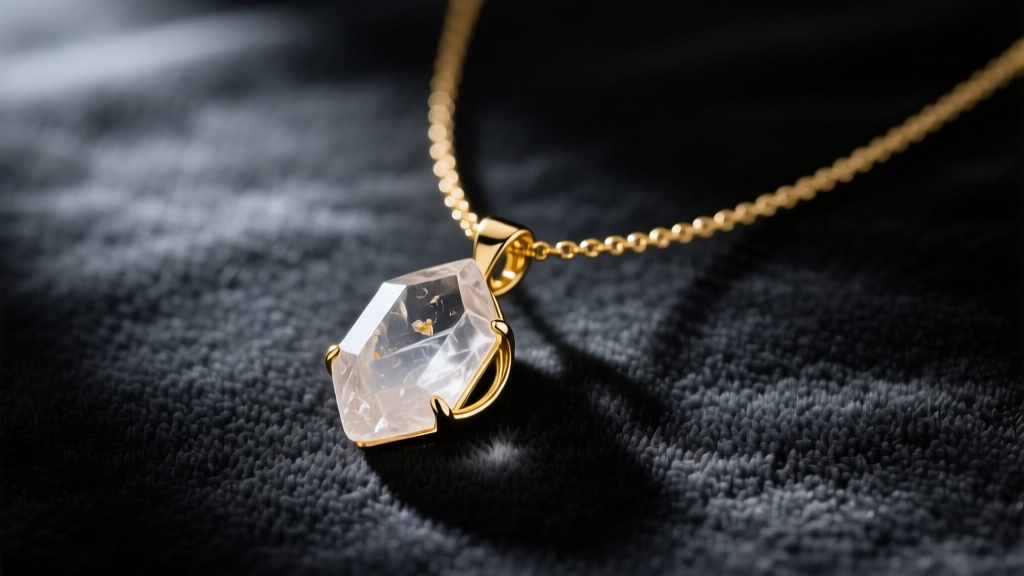
Owning a contemporary, sculptural piece of jewelry is an investment in wearable art. When you purchase a Katerina Petrova necklace, you are acquiring a meticulously crafted design that often blends rich gold vermeil, intricate metalwork, and uncut or raw gemstones. However, these mixed-media masterpieces require a highly specific care regimen. Standard jewelry cleaning methods—like ultrasonic baths or harsh chemical dips—can permanently strip gold plating, fracture raw inclusions, and cloud resin accents.
In this comprehensive guide, we break down the exact metallurgical and gemological properties of these designer pieces and provide a step-by-step maintenance protocol to ensure your jewelry remains pristine for decades.
Understanding the Anatomy of a Katerina Petrova Necklace
To properly care for your jewelry, you must first understand the materials involved. Contemporary designers frequently utilize 18k gold vermeil rather than solid gold or standard gold plating. According to the Assay Office London, true vermeil must consist of a sterling silver (925) base coated with a minimum of 2.5 microns of gold. While this is significantly thicker than standard flash plating (which is often less than 0.5 microns), it is still a surface layer that can be worn away by friction and chemical exposure.
Additionally, many sculptural pendants feature raw or uncut gemstones. Unlike faceted diamonds or sapphires, raw stones often possess microscopic surface fissures and porous inclusions. The Gemological Institute of America (GIA) warns that porous gems can absorb liquids, leading to internal fracturing or permanent discoloration if exposed to the wrong cleaning agents.
The Daily Wear Protocol: Prevention Over Cure
The most effective way to maintain your necklace is to minimize the need for deep cleaning. Human skin has a natural pH ranging from 4.5 to 5.5, but this can become more acidic due to diet, stress, or environmental factors. Acidic sweat accelerates the degradation of the gold vermeil layer, exposing the sterling silver base to sulfur in the air, which causes rapid tarnishing.

The 3-Minute Post-Wear Wipe
After removing your necklace at the end of the day, never simply toss it into a jewelry box. Oils, dead skin cells, and cosmetic residues accumulate in the crevices of sculptural metalwork. Follow this rapid post-wear routine:
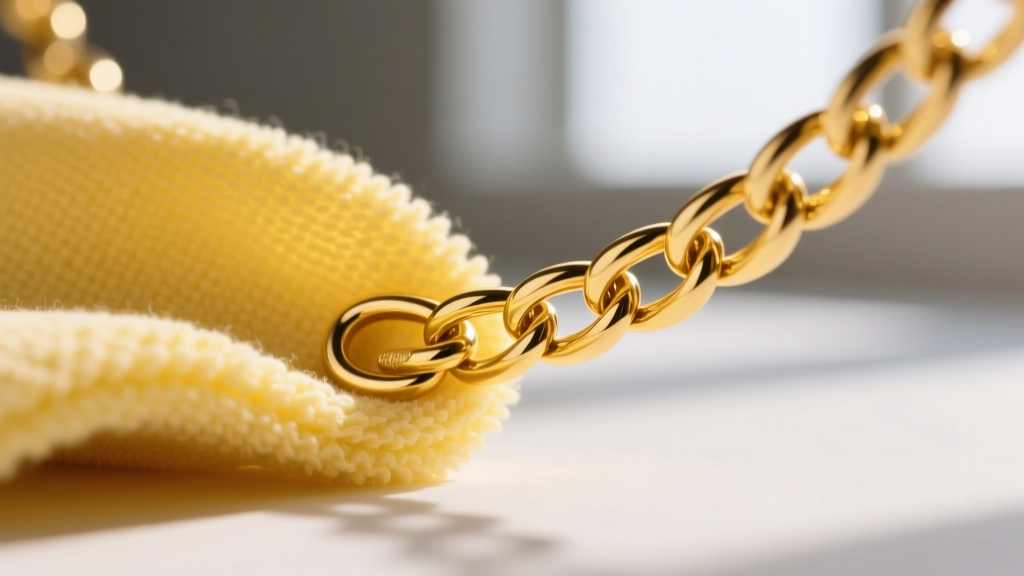
- Step 1: Use a clean, dry, lint-free microfiber cloth (avoid paper towels, as their wood pulp fibers cause micro-scratches on vermeil).
- Step 2: Gently glide the cloth along the chain links and the bail of the pendant to remove surface sebum.
- Step 3: Lightly dab the raw gemstone with a dry cotton swab to lift moisture from the stone's natural crevices.
Cosmetic and Chemical Avoidance
Always adhere to the 'Last On, First Off' rule. Your necklace should be the final item you put on after applying lotions, serums, and perfumes. Alcohol-based fragrances and aerosol hairsprays contain solvents that can dissolve the copper alloys mixed into the gold vermeil, leading to a brassy, discolored appearance over time.
Step-by-Step Deep Cleaning Guide
Even with meticulous daily care, environmental pollutants and skin oils will eventually build up. Perform a deep clean every 4 to 6 weeks, depending on how frequently you wear the piece.
Cleaning the Gold Vermeil Chain
Forget commercial jewelry dips; they are formulated for solid metals and will strip vermeil instantly. Instead, create a mild, pH-neutral cleaning bath.
- Fill a glass bowl with lukewarm distilled water. (Avoid tap water, as chlorine and fluoride can react with the silver base if the vermeil is compromised).
- Add two drops of a mild, phosphate-free dish soap.
- Submerge only the metal chain for exactly 3 to 5 minutes. Do not soak the raw gemstone pendant.
- Using an extra-soft baby toothbrush (bristle diameter of 0.1mm or less), gently brush the chain links in a circular motion.
- Rinse briefly under a slow stream of distilled water and pat dry immediately with a microfiber cloth.
Caring for Raw Gemstones and Enamel Accents
If your pendant features raw quartz, tourmaline, or enamel work, never submerge it. Water can seep into the setting and weaken the adhesive or rust the internal prongs. Instead, use a slightly damp cotton swab to carefully trace the edges of the stone. For enamel details, avoid any abrasive brushing, as enamel is essentially fused glass and can chip if struck against hard surfaces or scratched by stiff bristles.
Material-Specific Cleaning Matrix
Use the following reference table to ensure you never apply the wrong treatment to your jewelry's diverse materials.
| Material Component | Safe Cleaning Agents | Methods to Strictly Avoid | Drying Technique |
|---|---|---|---|
| 18k Gold Vermeil | Distilled water, pH-neutral dish soap | Ultrasonic cleaners, silver dip, baking soda paste | Pat dry with microfiber, air dry flat |
| Raw / Uncut Gemstones | Dry microfiber, soft dry brush | Submersion, steam cleaning, ammonia | N/A (Keep completely dry) |
| Enamel / Resin Accents | Damp cotton swab (water only) | Alcohol, acetone, abrasive polishing cloths | Air dry naturally |
| Sterling Silver Clasp | Specialized dry silver-polishing cloth | Liquid tarnish removers | Wipe clean, store in anti-tarnish pouch |
Storage Solutions to Prevent Micro-Scratches and Tarnish
How you store your necklace is just as critical as how you clean it. Sterling silver, the base metal of vermeil, is highly reactive to sulfur and humidity. Cardboard jewelry boxes are a common culprit for accelerated tarnishing, as the paper manufacturing process often leaves residual sulfur compounds in the material.
For optimal preservation, store your necklace in a sealed, airtight polyethylene ziplock bag. Before sealing, include a small packet of silica gel desiccant to control ambient humidity, and a 3M anti-tarnish strip, which absorbs airborne sulfur gases. Always lay the necklace flat or hang it from a velvet-lined hook to prevent the chain from knotting. Never store multiple pieces in the same pouch; the friction between a diamond-accented ring and your gold vermeil pendant will result in severe scratching, as diamond sits at a 10 on the Mohs hardness scale while gold is merely a 2.5 to 3.
Troubleshooting Common Maintenance Issues
Even with perfect care, mechanical and environmental issues can arise. Here is how to troubleshoot specific problems without causing further damage to your piece.
The Clasp Feels Stiff or Stuck
Lobster and spring-ring clasps rely on a tiny internal steel spring. If lotion or debris enters the mechanism, it can become stiff. Never use WD-40 or sewing machine oil, as these will attract dust and create a sludge that permanently ruins the clasp. Instead, take a standard graphite pencil and rub the tip over the clasp's moving lever. Graphite is a dry lubricant that will free the mechanism without leaving a sticky residue.
The Gold Vermeil is Fading or Turning Brassy
If high-friction areas (like the back of the pendant bail or the links near the clasp) begin to show a brassy or silver hue, the 2.5-micron gold layer has worn through to the base metal. Do not attempt to buff it, as this will only remove more gold. Your best option is to take the piece to a professional jeweler who specializes in electroplating. They can safely mask the raw gemstones and apply a fresh layer of 18k gold, restoring the piece to its original factory finish.
Checking Prong and Setting Integrity
Every six months, perform a tactile inspection of the gemstone settings. Run a piece of silk fabric or a cotton ball lightly over the prongs holding the raw stone. If the fabric snags, it indicates that a prong has lifted or bent. Stop wearing the necklace immediately and consult a jeweler to have the prong re-seated and burnished. Ignoring a lifted prong will inevitably lead to the loss of the center stone.
Expert Insight: True luxury jewelry care is about consistency, not intensity. A gentle, 60-second wipe down after every wear will extend the life of your gold vermeil and raw gemstones far more effectively than an aggressive, abrasive deep clean once a year.
By respecting the unique material properties of your Katerina Petrova necklace and adhering to these precise maintenance protocols, you ensure that its sculptural beauty and structural integrity remain uncompromised for a lifetime of wear.


