Guide to the Pearl Necklace The Great Gatsby Made Famous
Learn how to source, style, and maintain a multi-strand Akoya pearl necklace inspired by Daisy Buchanan's iconic 1920s Art Deco jewelry.

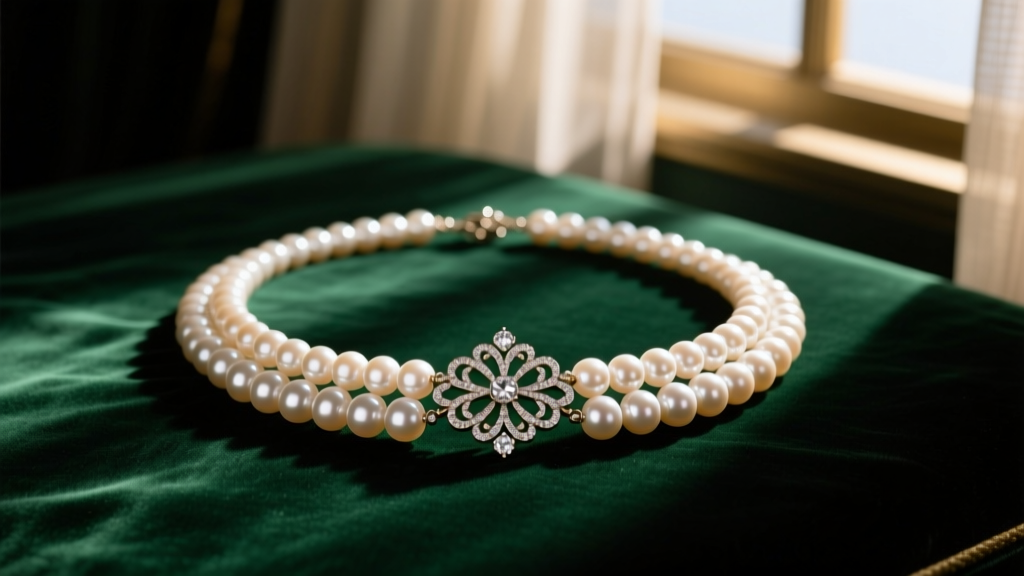
In F. Scott Fitzgerald’s 1925 literary masterpiece, Tom Buchanan presents Daisy Fay with a staggering gift before their wedding: a multi-strand pearl necklace valued at $350,000. Adjusted for inflation, that is well over $6 million today. This singular piece of jewelry has since become a cultural touchstone, symbolizing both the opulent excess of the Roaring Twenties and the gilded cage of Daisy’s societal obligations. For modern jewelry enthusiasts and vintage collectors, recreating or styling a piece that captures the essence of the pearl necklace the great gatsby immortalized requires a deep understanding of 1920s gemology, Art Deco hardware, and precise stringing techniques.
This comprehensive guide will walk you through the exact specifications, materials, and styling protocols needed to build or acquire an authentic Gatsby-era pearl necklace, moving beyond cheap costume replicas into the realm of fine, heirloom-quality jewelry.
The Lore and Legacy of Daisy’s Pearls
Before sourcing materials, it is crucial to understand what made 1920s pearl necklaces so astronomically expensive. In 1919, the year Tom gifted the pearls, perfectly matched, round cultured pearls were in their infancy. Kokichi Mikimoto was just beginning to perfect the cultured pearl process, and natural saltwater pearls were still the primary standard for high society. A matched strand of natural pearls required divers to harvest thousands of oysters, making a multi-strand piece a rarity reserved for tycoons.
Today, while natural pearls remain prohibitively expensive for most, the advent of high-grade cultured Akoya pearls allows us to recreate the exact visual weight, luster, and geometry of the 1920s elite’s favorite accessory at a fraction of the historical cost.
Step 1: Selecting the Correct Pearl Type and Grade
To achieve historical accuracy, you must avoid modern, oversized freshwater pearls. The 1920s aesthetic favored smaller, perfectly round saltwater pearls with mirror-like luster. You need to source Japanese Akoya pearls.
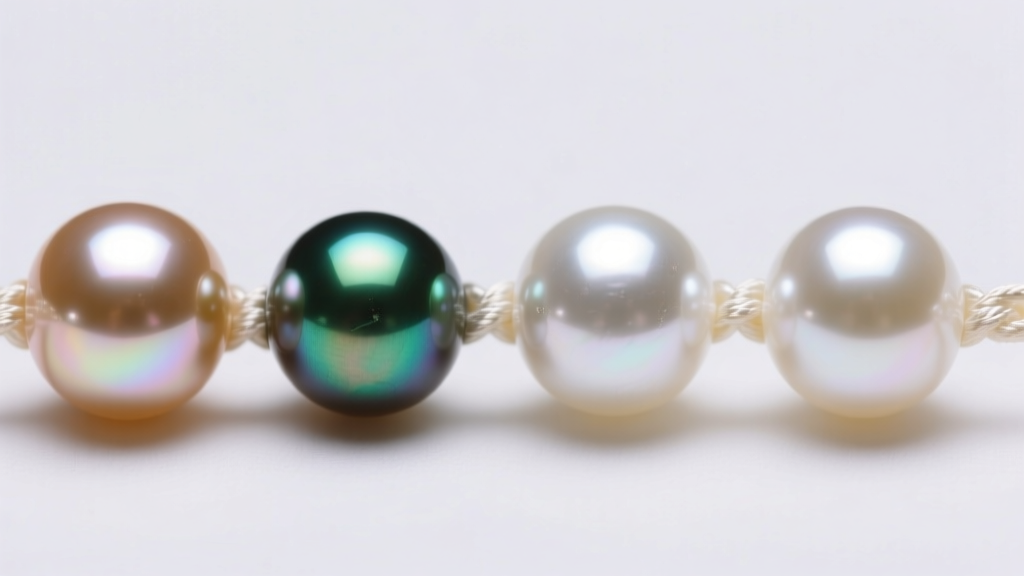
Sizing and Grading Specifications
- Diameter: Target 6.0mm to 6.5mm. While modern trends push 8.0mm+, the 1920s flapper and elite aesthetic relied on the delicate, granular texture of smaller pearls.
- Luster Grade: Demand Hanadama or AAA grade. According to the Gemological Institute of America (GIA), luster is the most critical quality factor for pearls. Hanadama certification ensures a sharp, mirror-like reflection that mimics the candlelight and electric glare of 1920s ballrooms.
- Nacre Thickness: Minimum 0.4mm. Anything less will result in a chalky appearance and premature peeling.
- Matching: For a multi-strand piece, the pearls must be matched within 0.1mm of each other across all strands to prevent visual dissonance.
Step 2: Configuring Strands and Proportions
Daisy’s necklace is widely interpreted by historians and jewelers as a multi-strand choker or a short opera-length rope. When designing your piece, the number of strands dictates the hardware requirements and the way the necklace drapes against the clavicle.
| Strand Count | Length (Inches) | Era Accuracy | Best Modern Neckline Pairing |
|---|---|---|---|
| Single Strand | 16" - 18" | Moderate | Scoop neck, casual button-down |
| Double Strand | 14" - 16" | High | Sweetheart, off-the-shoulder |
| Triple Strand | 14" - 15" (Choker) | Very High (Gatsby Era) | Deep V-neck, halter, backless |
| Sautoir (Rope) | 40" - 60" | High (Flapper Era) | Drop-waist dresses, turtlenecks |
Pro Tip: If building a triple-strand choker, use a graduated length approach. The inner strand should be 14 inches, the middle 14.5 inches, and the outer 15 inches. This prevents the pearls from overlapping and rubbing against one another, which can degrade the nacre over time.
Step 3: Sourcing Authentic Art Deco Hardware
The clasp is not merely a functional component; in the 1920s, it was a centerpiece. A standard lobster clasp will instantly ruin the historical illusion. You must source an Art Deco filigree box clasp.
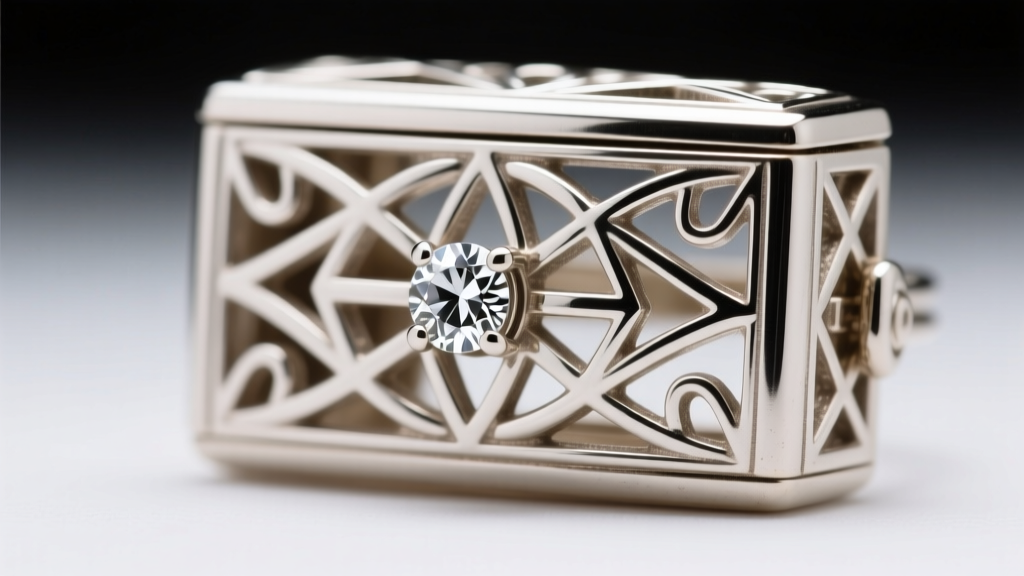
Hardware Requirements
- Material: 14k or 18k white gold. Platinum is historically accurate but significantly more expensive. Yellow gold was rarely used for high-end pearl clasps in this specific era.
- Design: Look for geometric, architectural filigree work. Authentic pieces from the Art Deco period often feature milgrain edging and single-cut or rose-cut diamonds.
- Safety Catches: A true multi-strand clasp must include figure-eight safety catches on the sides. If a multi-strand necklace breaks, the safety catches prevent the entire piece from falling to the floor.
Step 4: Professional Stringing Protocols
Do not use nylon, polyester, or wire for a Gatsby-era pearl necklace. The structural integrity and drape of the piece rely entirely on traditional silk stringing.
- Thread Selection: Use 100% spun silk thread. For 6.0mm to 6.5mm pearls with standard 0.5mm drill holes, Size F or Size G silk thread is optimal. The thread should fill the drill hole snugly to prevent the pearls from sliding over the knots.
- Knotting: Every single pearl must be individually hand-knotted. This prevents pearl-on-pearl friction and ensures that if the strand snaps, you only lose one pearl.
- French Wire (Gimp): The silk thread must be protected where it meets the metal clasp. Use 0.3mm sterling silver or gold-filled French wire. This tiny coiled wire acts as a spring, absorbing the friction of the metal clasp loop and preventing the silk from fraying and snapping.
Step 5: Styling Your Gatsby Pearls for the Modern Era
While the pearl necklace the great gatsby made famous was originally worn with dropped-waist flapper dresses and heavy beading, modern styling requires a more nuanced approach to avoid looking like you are wearing a Halloween costume.
Daywear Integration
Contrast the extreme formality of a triple-strand Akoya choker with relaxed, masculine tailoring. Pair the pearls with a crisp, oversized white poplin button-down shirt, left unbuttoned at the top, and wide-leg wool trousers. The juxtaposition of the rigid, formal pearls against soft, relaxed cotton creates a striking, modern editorial look.
Evening and Formal Wear
For black-tie events, lean into the architectural elements of the 1920s. Pair the pearls with a sleek, backless silk slip dress or a structured velvet blazer with sharp shoulders. Keep other jewelry minimal—skip the diamond drop earrings and opt for simple diamond studs to let the multi-strand necklace serve as the undisputed focal point of your silhouette.
Maintenance and Long-Term Care
Pearls are organic gemstones, ranking only 2.5 to 3.0 on the Mohs hardness scale. They are highly susceptible to acids, cosmetics, and dehydration.
- The 'Last On, First Off' Rule: Always put your pearls on after applying perfume, hairspray, and lotions. The alcohol and chemicals in cosmetics will dissolve the pearl's nacre and dull the luster permanently.
- Cleaning: Never use ultrasonic cleaners or commercial jewelry dips. Wipe the pearls gently with a damp, lint-free microfiber cloth after every wear to remove skin oils.
- Restringing Schedule: If worn regularly, a multi-strand silk necklace must be professionally restrung every 12 to 18 months. Inspect the silk near the clasp; if you see fraying or if the knots appear stretched and dirty, it is time to visit a master stringer.
By adhering to these strict gemological and historical parameters, you can curate a piece of jewelry that honors the breathtaking legacy of the 1920s elite, transforming a literary symbol of tragic opulence into a wearable, enduring masterpiece.


