Thick Choker Necklace Trends 2026: Styling, Metals & Fit Guide
Discover 2026 thick choker necklace trends, from 316L steel to 18k gold vermeil. Learn how to style bold chokers for your neckline and face shape.


The Architectural Resurgence: Beyond the 90s Revival
The thick choker necklace has officially transcended its cyclical trend status, evolving from a nostalgic 1990s goth staple into a cornerstone of 2026's "Quiet Architecture" movement. In high fashion and contemporary streetwear, the focus has shifted away from highly polished, diamond-encrusted collars toward brutalist, sculptural, and matte-finished silhouettes. A thick choker is no longer just an accessory; it is a structural framing device for the face and collarbone. However, pulling off a wide-band necklace requires a precise understanding of metallurgy, proportion, and hardware mechanics. As Vogue noted in recent runway analyses, the modern choker is defined by its weight and negative space, demanding a deliberate approach to styling and material selection.
The 2026 Material Matrix: What Makes a Premium Thick Choker?
When investing in a wide-band necklace, material integrity dictates both the drape and the longevity of the piece. A 25mm-wide choker requires substantial structural support; flimsy base metals will warp, while poor plating will degrade rapidly against the skin's natural oils and friction. According to the Gemological Institute of America (GIA), understanding metal hallmarks and plating thickness is critical for fine and demi-fine jewelry buyers.
| Material Grade | Core / Base | Finish / Plating | Weight Profile | 2026 Price Range (USD) |
|---|---|---|---|---|
| 316L Surgical Steel | Solid Stainless | Brushed / Matte | Heavy (60g - 120g) | $45 - $150 |
| 18k Gold Vermeil | 925 Sterling Silver | Min. 2.5μm 18k Gold | Medium (30g - 55g) | $180 - $350 |
| Bio-Acetate | Wood Pulp / Cotton | High-Gloss Polish | Light (15g - 25g) | $90 - $220 |
| Solid 14k Gold | 14k Gold Alloy | Solid / Unplated | Very Heavy (90g+) | $1,200 - $4,500+ |
For daily wear, 316L surgical steel offers the best hypoallergenic properties and structural rigidity, especially for brutalist, unadorned designs. If you prefer the warmth of gold, insist on 18k gold vermeil (which legally requires a sterling silver base and a minimum of 2.5 microns of gold plating) rather than standard gold-plated brass, which will oxidize and turn the skin green within weeks of heavy friction.
Proportion & Architecture: Matching Width to Neck Length
The most common styling failure with a thick choker necklace is ignoring the vertical proportions of the wearer's neck. The width of the band directly impacts the perceived length of the neck and the sharpness of the jawline.
- 15mm - 20mm (The Standard Statement): This width provides a bold, visible presence without overwhelming the collarbone. It is universally flattering and works exceptionally well for individuals with shorter necks (measuring less than 10cm from chin to collarbone).
- 25mm - 35mm (The Couture Band): This is the true "thick" category. It requires a longer neck to prevent the jewelry from resting awkwardly against the jawline or clavicle. This width acts as a visual anchor and is best reserved for open-necked garments.
- 40mm+ (The Avant-Garde Collar): Reserved for editorial looks, runway styling, or high-fashion streetwear. These pieces often incorporate hinges or articulated links to contour to the trapezius muscles rather than sitting rigidly on the throat.
Industry experts on the Forbes Jewelry Council frequently emphasize that the visual weight of a choker must be balanced by the volume of the wearer's hair and the structure of their outerwear. A 30mm matte steel choker paired with an updo and a structured blazer creates a striking, intentional silhouette.
Neckline Pairing Framework for Bold Chokers
A thick choker demands negative space to breathe. Pairing it with the wrong neckline creates visual clutter and competes for attention. Use this 2026 framework to match your choker to your wardrobe:
1. The Sweetheart Neckline
The curved dip of a sweetheart neckline creates a natural "pedestal" for a thick choker. The negative space between the collarbone and the bodice allows a 20mm to 25mm gold vermeil choker to float visually, framing the face without overlapping fabric.
2. The Asymmetrical / One-Shoulder Top
Asymmetry pairs brilliantly with the rigid geometry of a thick band. The diagonal line of a one-shoulder silk blouse contrasts with the horizontal severity of a matte steel or black bio-resin choker, creating a dynamic, avant-garde tension.
3. The Deep V-Neck
While a delicate pendant chain is the traditional choice for a deep V, a thick choker necklace shifts the focal point entirely upward, drawing the eye to the face and jawline rather than the chest. This is a powerful styling trick for formal evening wear.
4. The Halter Neck (Avoid)
Halter necklines introduce straps that cut diagonally across the neck and collarbone. Adding a thick horizontal choker creates a "caged" effect that shortens the neck and disrupts the garment's intended lines. Opt for drop earrings instead.

Clasp Mechanics & Hardware: The Hidden Quality Indicators
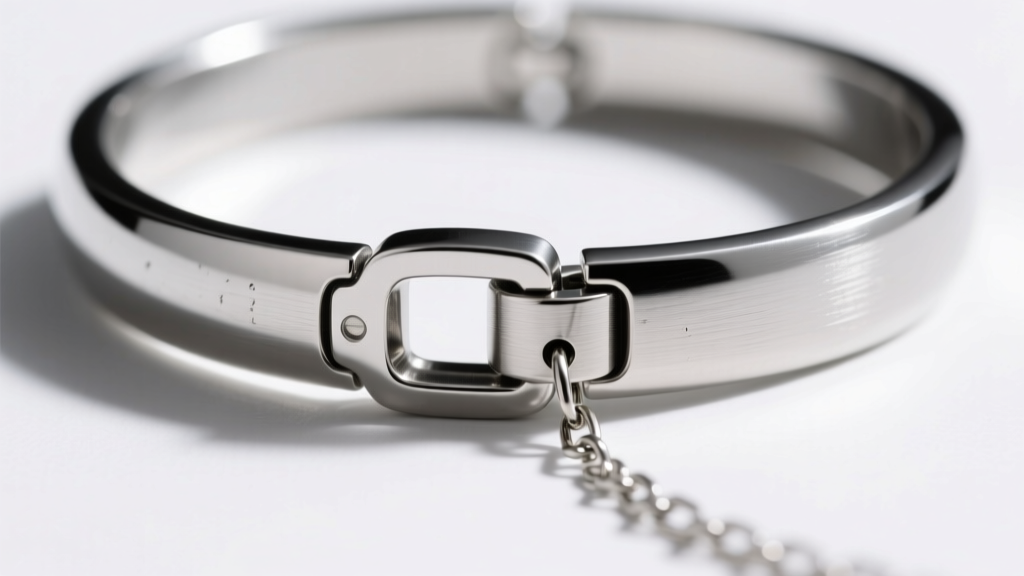
When evaluating a premium thick choker necklace, the clasp is the ultimate tell of manufacturing quality. A wide metal band carries significant kinetic weight; a standard 5mm spring-ring clasp will inevitably fail, snap, or unhook when subjected to the leverage of a 60-gram steel collar.
- Tongue-in-Groove Box Clasp: The gold standard for thick metal chokers. This mechanism slides a folded metal "tongue" into a boxed cavity until it clicks into place, offering immense tensile strength and a seamless visual finish.
- Neodymium Magnetic Locks: Increasingly popular in 2026 bio-acetate and mixed-media chokers. High-grade rare-earth magnets provide a satisfying snap and secure hold, but they must be paired with a secondary safety chain or figure-8 latch to prevent catastrophic drops.
- Oversized Lobster Clasps (12mm+): Acceptable for heavier chain-link chokers, provided the jump rings are soldered shut. Never trust an unsoldered jump ring on a heavy, thick-band necklace.
The Fit Protocol: Comfort and Lymphatic Health
A choker should sit snugly, but never constrict. The golden rule of choker fitting is the Two-Finger Protocol. Once the clasp is secured, you should be able to comfortably slide your index and middle fingers stacked together between the metal band and your throat. If you cannot, the choker is too tight, which not only causes skin indentation and chafing but can also restrict superficial lymphatic drainage, leading to facial puffiness over long wear periods. For thick chokers that lack an adjustable chain, measure your neck circumference with a soft tailor's tape and add exactly 1.5 inches (3.8 cm) to determine your ideal fixed-length collar size.
Conclusion: Investing in the Statement
The thick choker necklace in 2026 is a masterclass in minimalism and structural styling. By prioritizing high-integrity materials like 316L steel and heavy-micron vermeil, respecting the architectural proportions of your neckline, and demanding robust hardware, you transform a simple band of metal into a defining element of your personal aesthetic. Whether you lean toward the brutalist weight of matte steel or the sculptural lightness of polished bio-resin, the thick choker remains an unapologetic, commanding choice for the modern jewelry collector.


