Ultimate Care Guide for 24k Gold Necklaces for Women
Discover expert care, cleaning, and storage tips for 24k gold necklaces for women. Learn how to maintain pure gold's luster and prevent stretching.

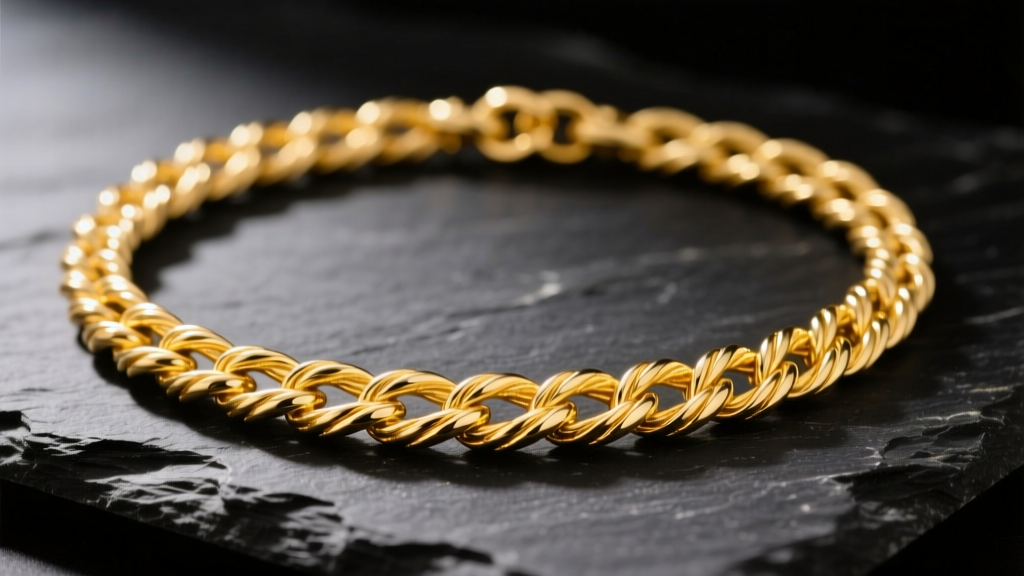
Investing in pure gold jewelry is a celebration of timeless luxury and enduring value. Unlike alloyed alternatives, 24k gold necklaces for women offer an unmatched, rich yellow luster that never truly fades. However, this unparalleled purity comes with a unique set of metallurgical realities. Because it lacks the strengthening alloys found in 14k or 18k gold, pure gold requires a highly specific, meticulous approach to daily wear, cleaning, and storage.
Whether you own a delicate 24k gold rope chain, a solid gold pendant, or a statement piece, understanding the science behind the metal is the first step in preserving its beauty. This comprehensive guide dives deep into the exact protocols required to clean, maintain, and protect your pure gold investments for generations.
The Metallurgy of 24k Gold: Why It Demands Special Care
To properly care for your jewelry, you must first understand its physical properties. 24k gold is 99.9% pure gold. On the Vickers Hardness Test (HV) scale, which measures a metal's resistance to deformation, pure 24k gold scores a mere 25 to 30 HV. By comparison, 18k gold scores between 120 and 150 HV, and 14k gold can reach up to 180 HV.
This extreme softness means that 24k gold necklaces for women are highly susceptible to micro-scratches, bending, and gradual stretching. According to the Gemological Institute of America (GIA), pure gold's malleability is legendary, but in jewelry applications, it requires the wearer to be hyper-aware of physical abrasion and tension.
The Clasp Caveat: A Hidden Source of Tarnish
There is a common misconception that pure gold jewelry will never tarnish. While the 24k chain itself is immune to oxidation, the clasp is a different story. Pure gold lacks the 'spring memory' required to operate a lobster claw or spring ring clasp. Therefore, jewelers almost universally attach a 14k or 18k gold clasp to a 24k chain. Because these clasps contain copper and silver alloys, they can and will tarnish or discolor over time, requiring targeted cleaning.
The Step-by-Step Cleaning Protocol for Pure Gold
When it comes time to clean your necklace, avoid commercial jewelry dips and harsh chemical solutions. Pure gold is porous at a microscopic level and can trap harsh residues. Follow this exact protocol recommended by master jewelers:
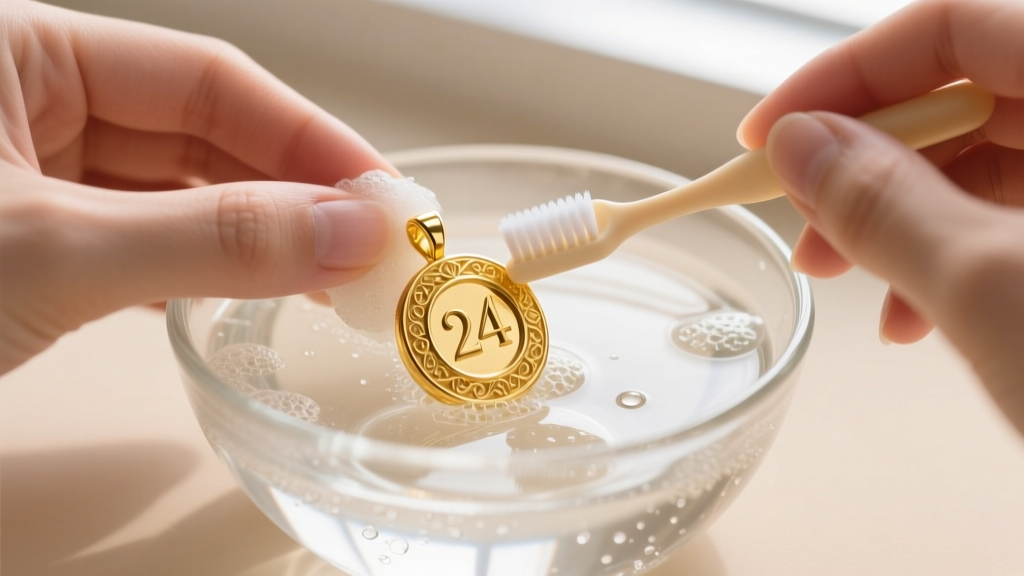
- Prepare the Solution: Fill a small glass bowl with lukewarm distilled water. Avoid tap water, as the chlorine and hard minerals can leave microscopic spots on the gold. Add exactly one drop of pH-neutral dish soap (such as original Dawn).
- The Soak: Submerge the necklace for exactly 3 to 5 minutes. This is enough time to break down body oils, lotions, and sebum without risking prolonged exposure to moisture at the clasp joint.
- Gentle Agitation: Use an extra-soft baby toothbrush. Do not use a standard toothbrush, as the bristles are stiff enough to leave micro-scratches on 25 HV gold. Gently brush the chain links and pay special attention to the alloyed clasp.
- The Rinse: Rinse the necklace under a gentle stream of lukewarm distilled water to remove all soap residue.
- Drying: Lay the necklace flat on a clean, lint-free microfiber cloth. Pat it dry. Never use paper towels or tissues, as the wood pulp fibers can cause microscopic scratching.
What to Avoid: The Enemies of 24k Gold
Maintaining the structural integrity and visual brilliance of your necklace means knowing what to keep it away from. The Jewelers of America organization frequently warns consumers about the hidden dangers of everyday environments.
- Ultrasonic Cleaners: Never put a 24k gold chain in an ultrasonic cleaner. The high-frequency cavitation bubbles can easily stretch pure gold links and weaken the jump rings connecting your pendant.
- Steam Cleaners: While pure gold has a high melting point, the sudden thermal shock and high pressure of steam can force dirt deeper into the crevices of intricate chain weaves like the Byzantine or rope styles.
- Chlorine and Bleach: While pure gold won't react to chlorine, the alloyed clasp will degrade rapidly. Furthermore, household bleach can leave a stubborn, dulling film on the surface of the pure gold links.
- Ammonia-Based Cleaners: Never use window cleaners or ammonia solutions. Ammonia can cause stress corrosion cracking in the soldered joints of the chain.
Proper Storage Techniques to Prevent Warping
How you store your 24k gold necklaces for women is just as critical as how you clean them. Because of the metal's low Vickers hardness, gravity and friction are your biggest enemies in the jewelry box.
Never Hang Pure Gold Chains
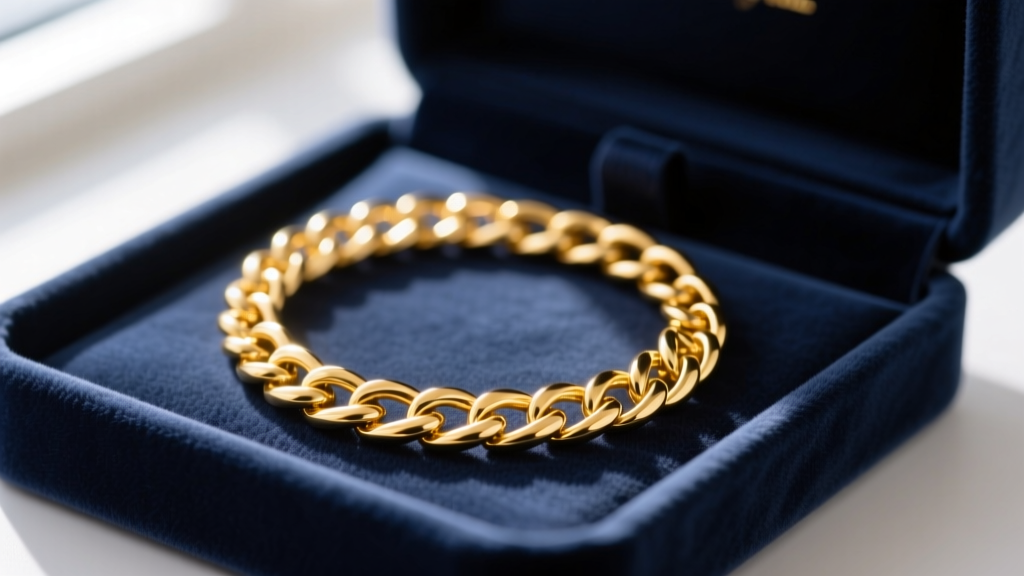
Hanging a 24k gold chain on a necklace tree or jewelry stand will cause it to stretch under its own weight over time. A heavy solid gold pendant on a pure gold chain will accelerate this stretching, permanently altering the chain's gauge and weave. Always store 24k chains flat.
The 'Coil and Isolate' Method
Gently coil the necklace into a loose circle, ensuring no links are kinked. Place it in an individual, soft velvet-lined compartment or a dedicated anti-tarnish pouch. Keeping it isolated prevents harder metals (like platinum or steel jewelry) from scratching the pure gold. Include a 3M anti-tarnish strip in the storage area to protect the alloyed clasp from oxidizing.
Troubleshooting Common 24k Gold Issues
Even with meticulous care, pure gold jewelry can encounter specific issues. Use this troubleshooting matrix to diagnose and resolve them safely.
| Issue | Root Cause | Expert Solution |
|---|---|---|
| Chain Stretching | Gravity from hanging or pulling | Take to a jeweler to carefully compress the links; store flat in the future. |
| Dull, Cloudy Film | Buildup of hard water or soap | Soak in a 50/50 mix of distilled water and white vinegar for 2 minutes, then rinse. |
| Clasp Discoloration | Oxidation of 14k/18k alloy clasp | Clean the clasp specifically with a polishing cloth designed for alloyed gold. |
| Kinks in Rope Chain | Sleeping in the necklace or snagging | Do not pull the kink. Use two pairs of smooth-jawed pliers to gently massage it flat. |
Professional Maintenance: When to See a Jeweler
There are certain situations where DIY maintenance is risky. If your 24k gold necklace breaks, the repair process is vastly different from standard gold jewelry. Because pure gold melts and flows differently, traditional torch soldering can result in visible seams or weak points.
Seek out a master jeweler who specializes in laser welding. Laser welders use highly focused light to fuse pure gold without the need for lower-karat solder alloys, ensuring the repair maintains its 24k purity and structural integrity. Furthermore, if your chain has stretched significantly, a professional can use specialized mandrels and rollers to compress the links back to their original factory specifications without thinning the wire gauge.
Final Thoughts on Wearing Pure Gold
Owning 24k gold necklaces for women is a commitment to wearing a piece of the earth in its most unadulterated form. By respecting the metal's softness, adhering to a strict, chemical-free cleaning protocol, and storing the pieces flat and isolated, you ensure that the deep, sunlit yellow hue of your pure gold will remain as breathtaking as the day you first clasped it.


