How to Clean a Metallica Necklace Without Ruining Finish
Learn how to safely clean your Metallica necklace. Expert tips for maintaining sterling silver, stainless steel, and enameled band jewelry finishes.

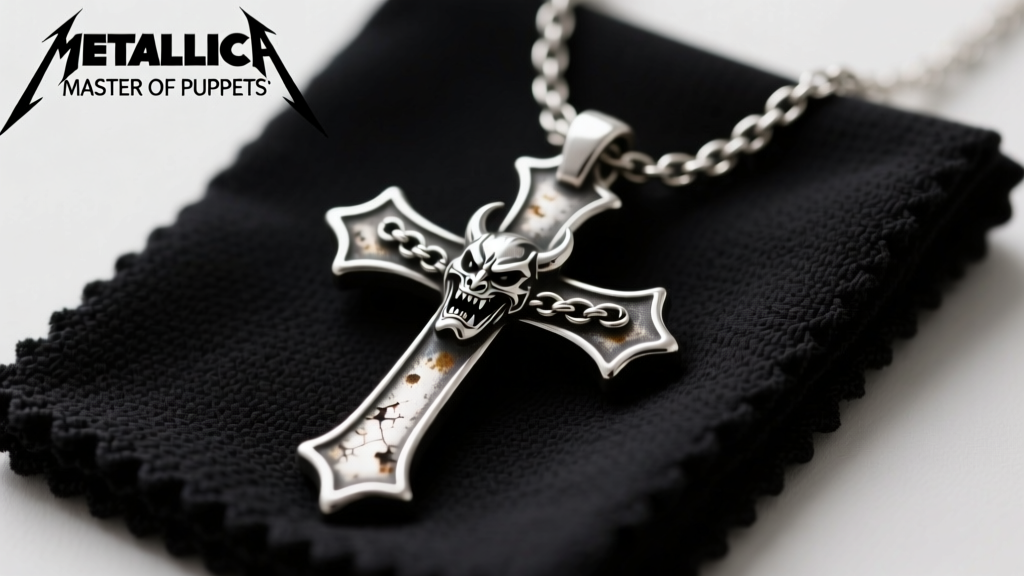
Band merchandise has evolved far beyond the standard cotton t-shirt. Today, high-end tour jewelry and vintage collectibles represent a significant investment for fans. A premium Metallica necklace is not just a fashion statement; it is a piece of music history. Whether you own a solid sterling silver Master of Puppets cross, a stainless steel Ride the Lightning pendant, or a rare 1980s enameled brass tour piece, proper maintenance is critical to preserving its value and aesthetic.
Unlike standard fine jewelry, band merch often features intentional oxidation, painted enamel, and intricate recessed grooves that require specialized care. Using the wrong cleaning chemicals can strip away the very details that make these pieces iconic. In this comprehensive guide, we break down the exact metallurgical compositions of band jewelry and provide professional, step-by-step cleaning protocols to keep your gear looking stage-ready.
The Unique Anatomy of Band Merch Jewelry
To properly clean a Metallica necklace, you must first understand how it was manufactured. Official high-end merchandise is typically cast in 925 sterling silver or 316L stainless steel. However, the defining characteristic of band jewelry is the use of intentional antiquing. Jewelers use a chemical compound called liver of sulfur to rapidly oxidize the silver, turning the recessed areas black. This creates high contrast, making intricate logos, lightning bolts, and skull crevices pop against the high-polish raised surfaces.
If you use traditional liquid silver dips, you will instantly strip this intentional oxidation, leaving the necklace looking flat, cheap, and overly bright. Furthermore, many mid-tier and vintage pieces incorporate cold enamel (an epoxy-based paint) or rhinestones that are highly sensitive to heat, harsh solvents, and ultrasonic vibrations.
Material Identification: What Is Your Necklace Made Of?
Before applying any cleaner, identify your necklace material. Check the back of the pendant or the clasp for hallmarks such as '925', '316L', or 'BRASS'.
| Material Grade | Common Merch Era | Primary Cleaning Risk | Recommended Method |
|---|---|---|---|
| 925 Sterling Silver | 2010s-Present (High-End) | Stripping intentional antiquing | Dry polishing cloth only |
| 316L Stainless Steel | 2000s-Present (Standard) | Water spotting, scratching | Mild soap and warm water |
| Brass/Copper Alloy | 1980s-1990s (Vintage Tour) | Verdigris buildup, enamel melt | Targeted mild acid application |
| Zinc Alloy (Pewter) | Early 2000s (Mass Market) | Pitting from harsh chemicals | Dry microfiber wipe |
Step-by-Step Cleaning Protocols
1. Sterling Silver (Official High-End Merch)
For solid silver pieces, avoid all liquid cleaners, baking soda pastes, and aluminum foil baths. According to the Gemological Institute of America (GIA), abrasive pastes and chemical dips will permanently alter the surface finish of oxidized silver.
- The Tool: Use a treated jewelry polishing cloth, such as a Sunshine Cloth, which contains embedded micro-abrasives and anti-tarnish agents.
- The Technique: Gently rub only the raised, high-polish areas of the necklace. Use a dry, soft-bristled makeup brush to dust out the recessed, blackened crevices of the logo without disturbing the oxidation.
- The Chain: Pull the sterling silver curb or box chain through the folded polishing cloth to remove skin oils and sulfur buildup.
2. Stainless Steel & Base Alloys (Standard Tour Merch)
Stainless steel is highly durable and resistant to tarnish, but it easily accumulates fingerprints, lotion, and dead skin cells in the chain links.
- The Bath: Mix three drops of mild dish soap (like Dawn Ultra) into a bowl of warm distilled water. Avoid tap water, as the chlorine and hard minerals can leave micro-spots on the steel.
- The Scrub: Submerge the necklace for five minutes. Use an extra-soft baby toothbrush to gently agitate the chain links and the back of the pendant.
- The Dry: Rinse under distilled water and immediately pat dry with a lint-free microfiber towel. Do not air dry, as this guarantees water spots.
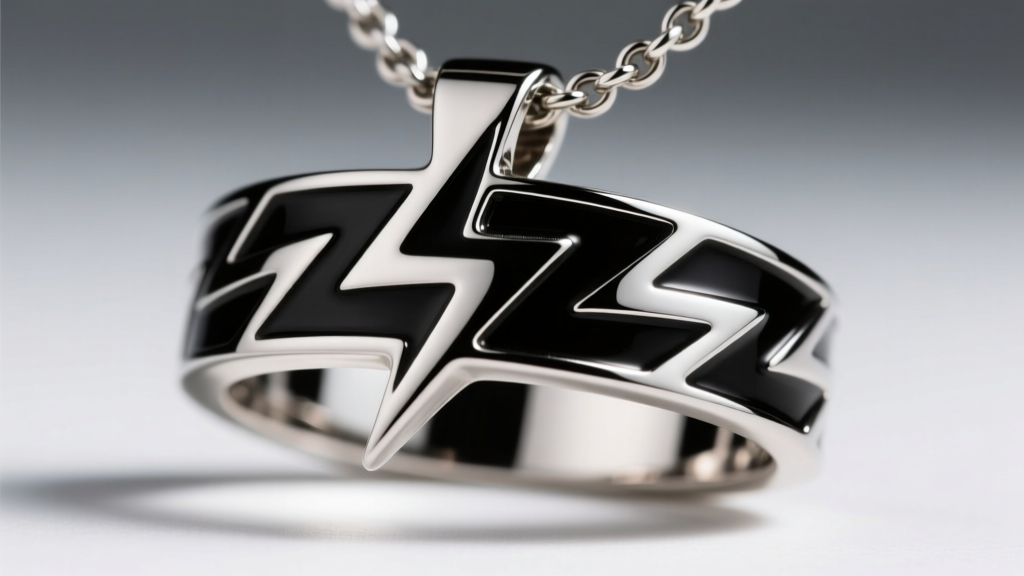
3. Enamel & Rhinestone Pieces
Vintage and specialty Metallica necklaces often feature black, red, or yellow enamel fills. Enamel is essentially a hardened resin or glass that can crack, cloud, or detach if exposed to extreme temperatures or ultrasonic cleaners.
- Avoid Ultrasonics: Never place an enameled or rhinestone piece in an ultrasonic jewelry cleaner. The high-frequency sound waves will shatter the enamel and vibrate the adhesive loose on any set stones.
- Spot Cleaning: Dampen a cotton swab with isopropyl alcohol (70% or lower) and carefully trace the metal borders. Avoid rubbing the enamel directly, as alcohol can dull the resin finish over time.
Restoring Vintage 1980s Tour Merch
If you have acquired a rare piece of Metallica jewelry from the Ride the Lightning or Master of Puppets tours, it is likely cast from a brass or copper alloy. Over decades, these metals develop verdigris—a toxic, fuzzy green copper carbonate that forms when the metal reacts with moisture and skin acids.
To safely remove verdigris without destroying the original 1980s paint fills:
- Mix a paste of equal parts lemon juice and fine table salt.
- Using a wooden toothpick, apply the paste only to the green corrosion spots. The mild citric acid will dissolve the copper carbonate in seconds.
- Wipe away the residue immediately with a damp cotton swab.
- Neutralize the area with a swab dipped in a baking soda and water solution, then dry thoroughly.
What to Avoid: Common Cleaning Mistakes
Many well-meaning fans ruin their merchandise by following generic internet cleaning hacks. The Jewelers of America strongly advises against using household abrasives on specialty jewelry.
- Toothpaste: Toothpaste contains hydrated silica, which has a Mohs hardness that will leave permanent micro-scratches across high-polish stainless steel and silver.
- Tarn-X and Liquid Dips: These contain thiourea, a chemical that strips all oxidation. Using this on a detailed Scary Guy logo pendant will erase the black shading, leaving a flat, unreadable mess.
- Boiling Water: Some guides suggest boiling jewelry to sterilize it. Boiling water will melt the epoxy holding rhinestones in place and cause thermal shock to glass-based enamels.
Proper Storage to Prevent Tarnish and Scratches
Preventative care is always superior to restorative cleaning. How you store your Metallica necklace between wears dictates how often you will need to clean it.
The Anti-Tarnish Environment
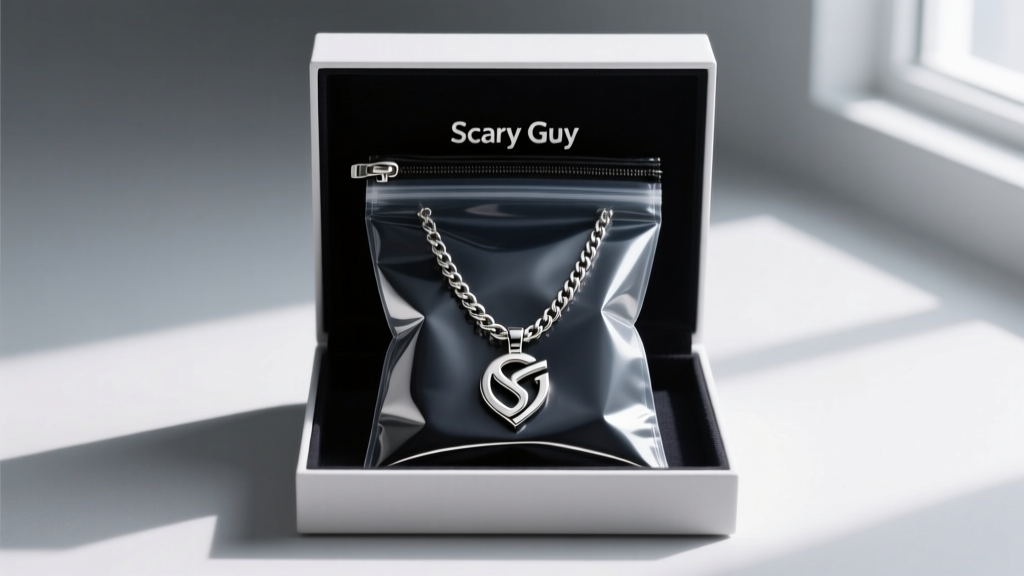
Sterling silver tarnishes when exposed to hydrogen sulfide in the air. To combat this, store your silver pendants in airtight silicone or polyethylene ziplock bags. Toss a 3M Anti-Tarnish Strip into the bag. These strips absorb airborne sulfur compounds and will protect the silver for up to 12 months before needing replacement.
Chain Management
Never throw your necklace into a communal jewelry box drawer. The heavy metal pendants will swing and act as a wrecking ball, scratching other pieces and becoming hopelessly tangled. Always hang your necklaces on a padded jewelry stand or lay them flat in individual felt-lined compartments. If traveling, thread the chain through a plastic drinking straw before clasping it; this physically prevents the chain from knotting in your luggage.
Conclusion
A Metallica necklace is a durable piece of wearable art, but it requires a targeted approach to maintenance. By identifying your specific metal grade, respecting the intentional antiquing, and avoiding harsh household chemicals, you can ensure your jewelry remains as heavy and impactful as the music it represents. Stick to gentle polishing cloths for silver, mild soap for steel, and targeted spot-cleaning for vintage enamels, and your collection will survive the test of time.


