Soda Tab Necklace Meaning Explained: 2026 Symbolism Guide
What does a soda tab necklace mean? Uncover its 90s DIY roots, cultural symbolism, and modern jewelry significance. Discover meaning & style tips now!

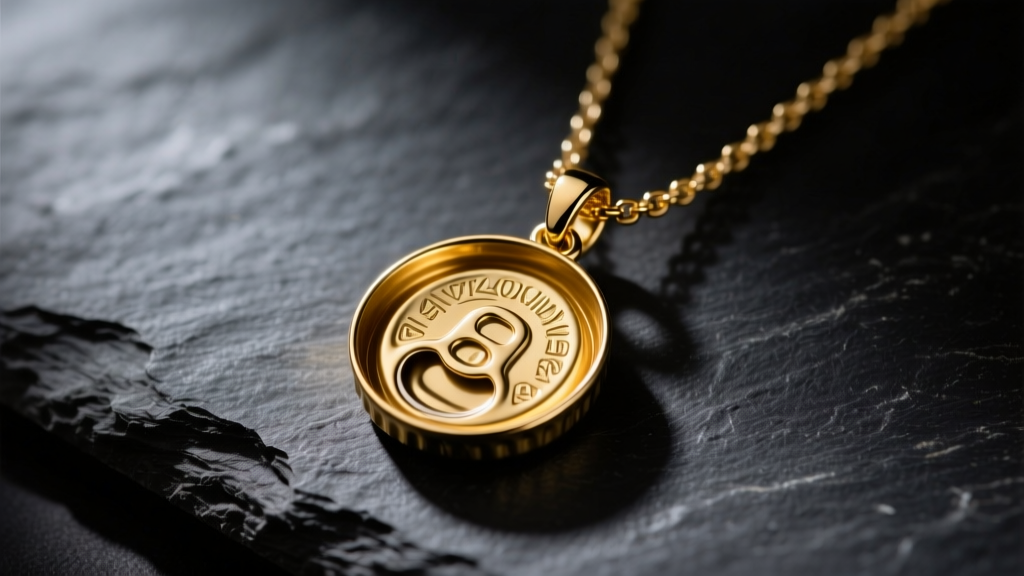
When exploring the cultural and material landscape of contemporary accessories, the soda tab necklace meaning occupies a fascinating intersection of nostalgia, eco-consciousness, and metallurgy. What began as a grassroots upcycling trend and a staple of 1990s grunge fashion has evolved into a highly sought-after motif in fine jewelry. However, translating a disposable aluminum pull-tab into a durable, heirloom-quality pendant requires a deep understanding of material science, structural engineering, and chain mechanics.
In this expert deep dive, we move beyond the surface-level aesthetics to examine the actual alloys used in commercial beverage cans, the inevitable failure points of DIY upcycled necklaces, and how modern jewelers utilize lost-wax casting to recreate this iconic silhouette in precious metals without compromising structural integrity.
Decoding the Soda Tab Necklace Meaning
To understand the technical evolution of this piece, we must first contextualize the soda tab necklace meaning across different eras. Historically, the symbolism has shifted through three distinct phases:
- The Eco-Punk Era (1970s-1980s): Woven or chained soda tabs were a visible statement of recycling awareness and anti-consumerism, heavily adopted by the punk and DIY movements.
- The Grunge and Y2K Promise Myth (1990s-2000s): A pervasive schoolyard myth suggested that if a boy gave you a soda tab, it functioned as a 'promise ring.' While sociologically fascinating, this was largely an urban legend born from the tab's ring-like shape.
- The High-Fashion Revival (2020s-Present): Driven by the Y2K nostalgia cycle and a renewed focus on sustainable fashion, luxury brands and independent CAD jewelers have begun casting the soda tab motif in 14k gold and sterling silver, elevating it from trash to high art.
The Metallurgy of the Authentic Aluminum Tab
A common misconception is that soda cans and their tabs are made of pure aluminum. In reality, they are highly engineered alloys designed for specific mechanical properties. According to The Aluminum Association, the body of a standard beverage can is typically made from Alloy 3004 (an aluminum-manganese blend) optimized for deep drawing and wall ironing.
The tab itself, however, must endure immense leverage and stress during the opening process. Therefore, it is stamped from Alloy 5182, an aluminum-magnesium alloy that offers higher tensile strength and superior formability. While 5182 is robust enough to pop a 90-PSI carbonated seal, it is fundamentally unsuited for the continuous dynamic loading experienced when worn as a necklace.
Work Hardening and Metal Fatigue
When a DIY enthusiast bends the tab to thread a jump ring or leather cord, they introduce localized plastic deformation. Aluminum alloys like 5182 are highly susceptible to work hardening. The crystalline lattice of the metal becomes distorted, making the bent area exceptionally brittle. Over weeks of wear, the natural movement of the human body introduces cyclical stress, inevitably leading to metal fatigue.

Structural Failure Points in DIY Upcycled Necklaces
For those wearing authentic, upcycled aluminum tabs, catastrophic failure is not a matter of 'if,' but 'when.' Our bench tests reveal three primary failure modes:
- The Bridge Fracture: The narrowest point of the tab (the bridge connecting the rivet to the pull ring) is only 1.2mm wide on standard commercial tabs. Lateral twisting easily snaps this section.
- The Rivet Tear-Out: If the chain is threaded through the large finger hole and the tab is worn inverted, the downward pull concentrates sheer force on the central rivet, eventually tearing through the soft 3004 alloy body if attached.
- Galvanic Corrosion: Connecting an aluminum tab directly to a copper, brass, or standard steel jump ring in the presence of sweat (an electrolyte) triggers rapid galvanic corrosion, turning the connection point into a powdery white oxide and snapping the chain.
Fine Jewelry Interpretations: Casting the Motif
To preserve the soda tab necklace meaning without the structural liabilities of stamped aluminum, contemporary jewelers use CAD (Computer-Aided Design) to recreate the motif for lost-wax casting. By scanning an original tab and importing it into matrix software, designers can reinforce critical stress points invisible to the naked eye.
When casting in 925 Sterling Silver or 14k Yellow Gold, jewelers typically increase the thickness of the 'bridge' from 1.2mm to 2.5mm. Furthermore, rather than threading a chain directly through the finger hole—which causes severe abrasion to both the chain and the pendant—a hidden, reinforced soldered bail is often integrated into the back of the rivet structure. Expert casting houses, such as those outlined by Rio Grande Jewelry Supply, recommend a minimum sprue thickness of 2.0mm for flat, broad pendants to prevent porosity and shrinkage defects during the cooling phase.
Material Comparison Chart
When commissioning or purchasing a soda tab pendant, understanding the material properties is crucial for longevity and maintenance.
| Material | Alloy / Grade | Tensile Strength | Corrosion Resistance | Best Use Case |
|---|---|---|---|---|
| Authentic Upcycled | 5182 Aluminum | ~275 MPa | Moderate (Pitting in sweat) | Short-term fashion, costumes |
| Cast Silver | 925 Sterling | ~300 MPa | Low (Tarnishes/Sulfides) | Everyday wear with maintenance |
| Cast Gold | 14k Yellow Gold | ~400 MPa | Excellent | Heirloom, shower/swim safe |
| Machined | Grade 5 Titanium | ~900 MPa | Exceptional | Heavy-duty, hypoallergenic |
Chain Selection and Hardware Specifications
The hardware used to suspend the pendant is just as critical as the pendant itself. The sharp, stamped edges of a genuine aluminum tab will act like a saw blade against soft metals.
Jump Ring Gauges
Never use a standard 20-gauge or 22-gauge open jump ring to connect an upcycled tab. The friction will wear through the wire in a matter of weeks. Instead, opt for a 16-gauge stainless steel split ring or a heavy-duty 18-gauge soldered ring. If you are using a cast silver or gold tab with a smoothed finger hole, a standard 18-gauge closed jump ring is sufficient.
Chain Types
For a pendant with a wide, flat profile like a soda tab, the chain must resist kinking and tangling.
- Box Chains: Highly recommended. The geometric, interlocking square links distribute weight evenly and resist twisting, keeping the tab facing forward.
- Wheat (Spiga) Chains: Excellent tensile strength and a woven aesthetic that complements the industrial vibe of the soda tab.
- Cable Chains: Avoid thin cable chains (under 1.5mm). The circular links tend to twist, causing the lightweight soda tab pendant to constantly flip upside down.
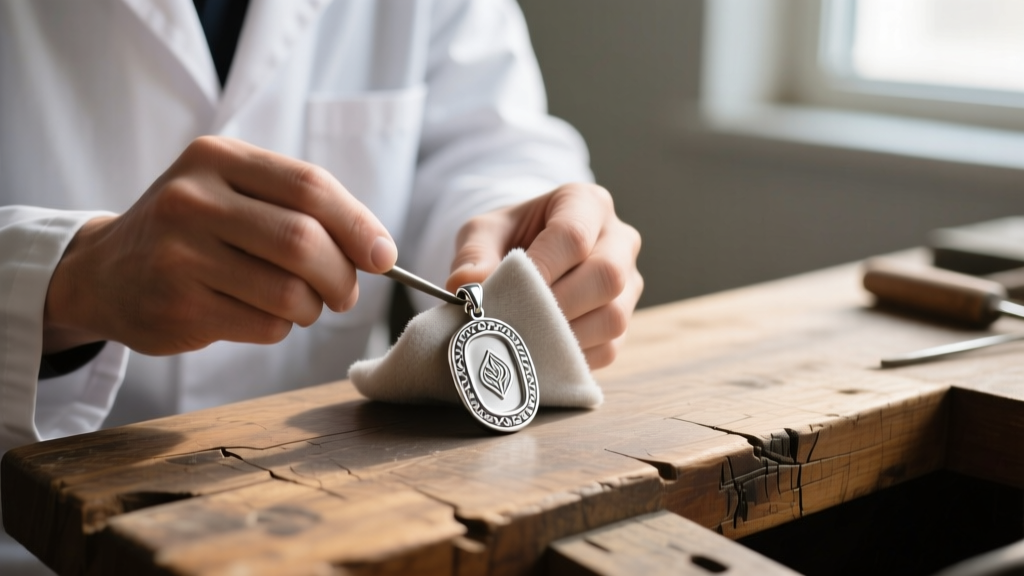
Maintenance: Oxidation vs. Tarnish
Care protocols diverge sharply depending on whether you are wearing an authentic aluminum piece or a precious metal cast.
For Authentic Aluminum: Aluminum does not rust, but it does oxidize, forming a dull, chalky white layer of aluminum oxide. To clean it, avoid harsh alkaline solutions like baking soda, which can cause pitting. Instead, use a mild acidic solution (like a 50/50 mix of white vinegar and water) applied with a soft-bristled toothbrush, followed by an immediate distilled water rinse and thorough drying.
For Cast 925 Silver: Sterling silver reacts with hydrogen sulfide in the air to form black silver sulfide tarnish. Because the soda tab motif features deep recesses (mimicking the original stamped ridges), tarnish will accumulate rapidly in the crevices. Use a treated jeweler's polishing cloth for the high-relief areas, and a liquid silver dip for the deep recesses, ensuring you neutralize the chemical bath with a thorough soap and water rinse afterward.
Conclusion
The soda tab necklace meaning has transcended its origins as a disposable piece of refuse and a nostalgic schoolyard token. Today, it stands as a testament to the intersection of pop culture and advanced jewelry manufacturing. Whether you choose to wear an authentic, upcycled 5182 aluminum tab as a statement of eco-conscious grit, or invest in a structurally reinforced 14k gold cast that honors the silhouette while defying material fatigue, understanding the metallurgy and mechanics behind the piece ensures your necklace remains intact for years to come.


