How to Style a Tin Cup Necklace: A Step-by-Step Guide
Master the art of the tin cup necklace with our step-by-step styling guide. Learn layering techniques, chain gauges, and bead spacing.


The Anatomy and Appeal of the Tin Cup Necklace
Originally popularized in the 1996 film Tin Cup, where Rene Russo’s character effortlessly layered delicate, spaced-pearl necklaces, the "tin cup necklace" (technically known in the jewelry industry as a station necklace) has cemented itself as a permanent fixture in fine jewelry wardrobes. Unlike traditional strand necklaces that drape heavily around the neck, a tin cup necklace utilizes a delicate chain interrupted by evenly spaced beads, pearls, or gemstones. This architectural approach to jewelry creates a floating illusion, offering maximum visual impact with minimal metal weight.
However, styling a tin cup necklace requires more than simply throwing it on. Because the design relies heavily on negative space and precise proportions, understanding the mechanics of chain gauge, bead diameter, and station spacing is critical. Whether you are working with vintage 90s pieces or modern 2026 iterations featuring asymmetric gemstone stations, this step-by-step masterclass will teach you how to select, layer, and troubleshoot your tin cup necklaces like a professional stylist.
Step 1: Selecting the Right Chain Gauge and Bead Size
The most common mistake consumers make when purchasing or customizing a tin cup necklace is ignoring the structural relationship between the chain gauge and the bead diameter. If the chain is too thick, the beads look swallowed; if the chain is too thin, it will snap under the weight of the stations or tangle incessantly.
According to jewelry manufacturing standards, the chain should be roughly 15% to 20% of the bead's diameter to maintain visual harmony while providing adequate tensile strength. Below is a compatibility matrix used by master jewelers to design station necklaces:
| Bead Diameter | Ideal Chain Gauge | Chain Type Recommendation | Visual Weight |
|---|---|---|---|
| 3.0mm - 4.0mm | 22-Gauge (0.64mm) | Fine Cable or Wheat | Ethereal, barely-there |
| 4.5mm - 5.5mm | 20-Gauge (0.81mm) | Standard Cable or Rolo | Classic, versatile daily wear |
| 6.0mm - 7.0mm | 18-Gauge (1.02mm) | Medium Rolo or Box | Statement, structured |
For authentic Akoya or high-grade freshwater pearls, a 20-gauge cable chain paired with 5mm beads remains the industry gold standard. As noted by the Gemological Institute of America (GIA), smaller pearls (under 5mm) often possess higher luster relative to their size, making them ideal for the floating illusion of a tin cup design.
Step 2: Mastering the Spacing Ratio
The "tin cup" effect relies entirely on the spacing between the stations. The standard measurement for a 16-inch to 18-inch necklace is one station every 1.5 to 2.0 inches. This specific ratio ensures that when the necklace rests against the collarbone, the wearer sees an alternating rhythm of metal and gemstone, rather than a cluttered cluster or a barren chain.
The Manufacturing Divide: Bead-Tipping vs. Wire-Wrapping
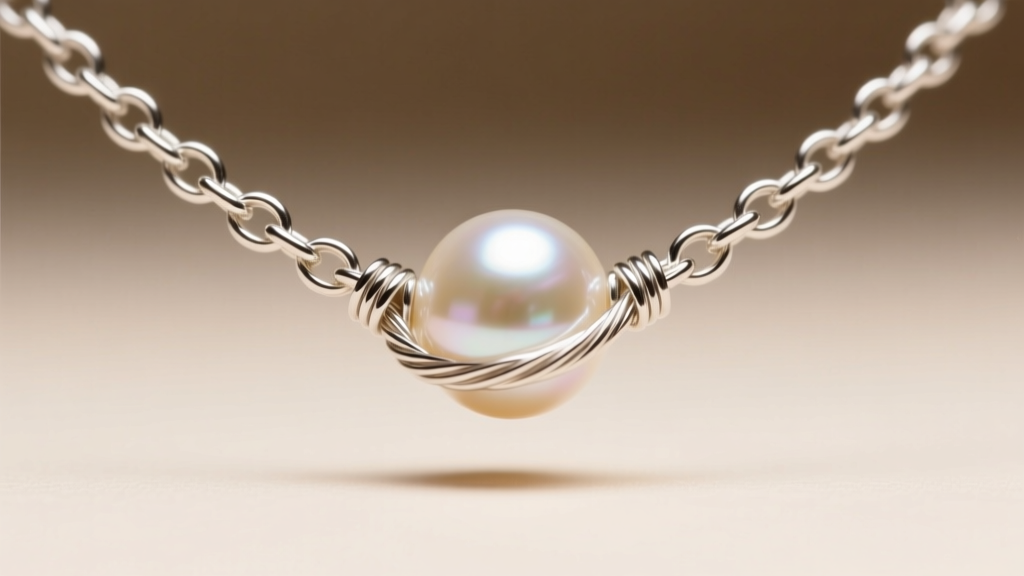
When evaluating the quality of your necklace, inspect how the beads are secured. Mass-produced tin cup necklaces often use bead-tipping, where a tiny metal bead is crimped or glued onto the chain on either side of the pearl to hold it in place. While cost-effective, bead-tipping allows the pearl to spin freely, which can expose the drill hole or adhesive over time.
High-end jewelers utilize wire-wrapping. In this technique, the chain is physically severed at each station, and the pearl is fitted with a custom wire loop that connects directly to the adjacent chain links. Wire-wrapping locks the pearl in place, prevents spinning, and dramatically increases the tensile strength of the overall piece. Always opt for wire-wrapped stations for gemstones heavier than 0.5 carats.
Step 3: The 3-Step Layering Framework
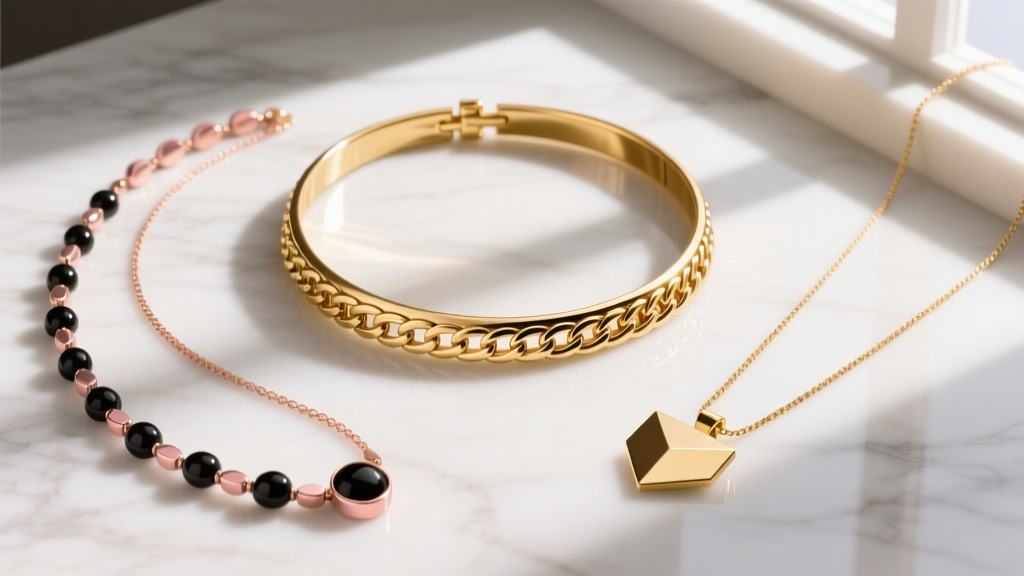
The true versatility of the tin cup necklace shines when it is layered. Because the stations create visual "breaks" in the chain, it acts as the perfect bridging piece between solid chains and heavy pendants. Follow this three-step framework to achieve a balanced, professional layer:
1. The Anchor (14 to 15 Inches)
Start with a solid, unbroken chain close to the neck. A 14-inch 18-gauge gold choker or a simple 15-inch velvet ribbon provides a solid baseline. This anchors the eye and prevents the tin cup necklace from looking like it is floating aimlessly.
2. The Tin Cup Bridge (17 to 20 Inches)
Place your tin cup necklace exactly 2 to 3 inches below the anchor. If your anchor is 15 inches, your tin cup should be 18 inches. This 3-inch drop is crucial; anything less will cause the chains to tangle at the clasp and rub against each other, damaging the pearls.
3. The Plunge (24 to 28 Inches)
Finish with a long, solid chain featuring a single, substantial pendant (such as a teardrop gemstone or a geometric gold talisman). The pendant should fall at least 4 inches below the lowest station of the tin cup necklace.
Material Grades and Pricing Expectations
Understanding what you should pay for a quality tin cup necklace prevents overpaying for costume jewelry masquerading as fine jewelry. Here is a breakdown of current market expectations for authentic pieces:
- Freshwater Pearl Stations (Sterling Silver): $80 - $150. Look for AAA-grade freshwater pearls with minimal blemishes and high luster.
- Akoya Pearl Stations (14k or 18k Gold): $400 - $1,200. Akoya pearls offer a mirror-like luster that synthetic beads cannot replicate. Verify that the pearls are individually knotted or wire-wrapped.
- Precious Gemstone Stations (Sapphires/Diamonds): $1,500 - $4,000+. Often referred to as "tennis necklaces" when the stones are uniform, true tin cup styles space the gems out to reduce the overall carat weight and price point while maintaining maximum sparkle.
Troubleshooting Common Tin Cup Necklace Issues
Even the most beautifully crafted tin cup necklaces present unique physical challenges. Here is how to solve the most frequent complaints:
Issue 1: The Beads Keep Flipping Upside Down
The Fix: If your necklace is bead-tipped rather than wire-wrapped, the pearls will spin, exposing the drill holes. You can temporarily fix this by applying a microscopic drop of clear, flexible jewelry adhesive (like E6000) to the inside edge of the drill hole where it meets the chain. For a non-permanent fix, slide a tiny, clear silicone O-ring (often sold as earring backs) over the chain and tuck it flush against the bead to create friction.
Issue 2: The Chain Tangles in the Stations
The Fix: Tangling usually occurs when the chain links are too large relative to the drill hole of the bead, allowing adjacent links to fold back on themselves and knot. If you are having a piece custom-made, insist on a micro-cable chain. The links should be small enough that they cannot physically bend at a 180-degree angle inside the bead's channel.
Issue 3: The Clasp Slides to the Front
The Fix: Because the stations distribute weight unevenly, the lightest part of the chain (usually the back) naturally migrates to the front. Counteract this by attaching a small, decorative gold tag or a 2mm gemstone charm directly to the jump ring of the clasp. This adds just enough counterweight to keep the clasp anchored at the nape of the neck.
"The secret to a flawless tin cup necklace isn't just in the quality of the pearls, but in the negative space between them. Let the skin and the fabric of your garment become part of the design." — Master Jeweler & Stylist Archive
Final Styling Thoughts
The tin cup necklace remains a triumph of minimalist jewelry design. By paying strict attention to gauge compatibility, insisting on wire-wrapped stations, and utilizing the 3-step layering framework, you can elevate this 90s cinematic staple into a modern, sophisticated cornerstone of your daily jewelry rotation. Whether paired with a crisp white button-down for the office or a deep V-neck gown for evening wear, the spaced station necklace offers an unmatched blend of delicacy and structural brilliance.


