The Definitive Black Gemstone Necklace Buying Guide
Discover how to choose the perfect black gemstone necklace. Compare durability, pricing, and settings for onyx, spinel, and black diamonds.

The Renaissance of Dark Elegance
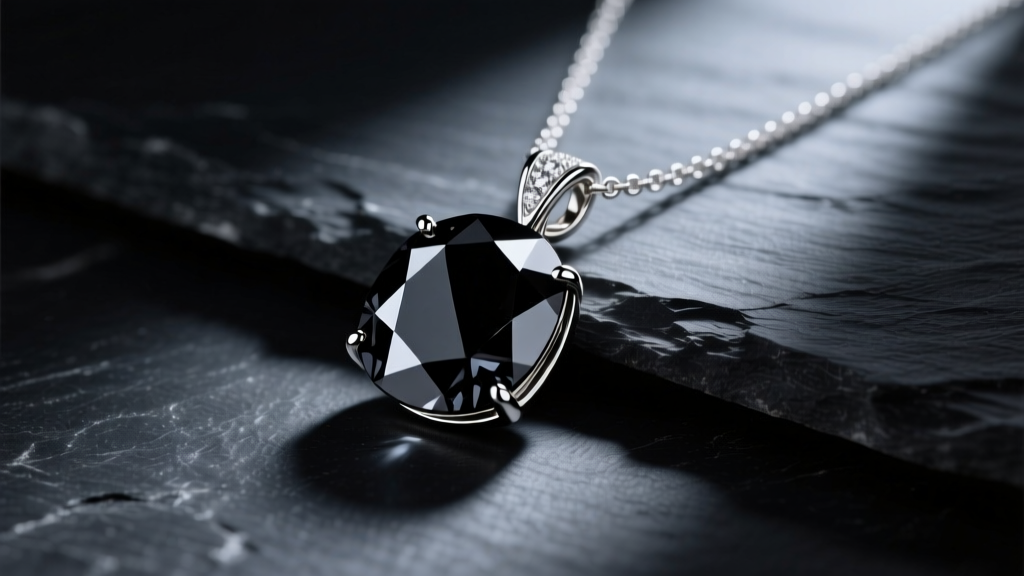
As we navigate the jewelry landscape of 2026, the demand for moody, alternative aesthetics has firmly pushed the black gemstone necklace into the spotlight. No longer reserved solely for mourning jewelry or gothic subcultures, black gemstones are now celebrated for their architectural versatility and understated luxury. Whether you are drawn to the mirror-like shine of black spinel, the indestructible nature of black diamonds, or the velvety depth of black onyx, purchasing a dark gemstone requires a nuanced understanding of mineralogy and craftsmanship. This comprehensive buying guide will equip you with the exact specifications, material grades, and structural red flags you need to make an informed investment.
Decoding Black Gemstones: Hardness, Toughness, and Pricing
Not all black stones are created equal. The Mohs scale of mineral hardness dictates how well a gemstone will resist scratching, while 'toughness' refers to its resistance to chipping and breaking. When selecting a black gemstone necklace for daily wear, these two metrics are your most critical data points.
| Gemstone | Mohs Hardness | Toughness | Avg. Price (Per Carat) | Best Use Case |
|---|---|---|---|---|
| Black Diamond (Treated) | 10 | Excellent | $300 - $800 | Everyday wear, prong settings |
| Black Spinel | 8 | Very Good | $200 - $500 | Faceted pendants, high brilliance |
| Black Onyx (Dyed Agate) | 7 | Good | $10 - $50 | Cabochons, bezel settings, statement pieces |
| Black Tourmaline (Schorl) | 7 - 7.5 | Poor to Fair | $20 - $100 | Protective amulets, raw stone pendants |
| Obsidian | 5 - 5.5 | Very Poor | $5 - $20 | Occasional wear, carved cameos |
According to the Gemological Institute of America (GIA), black spinel is often the unsung hero of the dark gemstone world. Unlike onyx, which is opaque, high-quality black spinel can be faceted to capture and reflect light, offering a metallic, gunmetal brilliance that pairs exceptionally well with white gold and platinum.
Evaluating Cut, Clarity, and Color Intensity
When inspecting a black gemstone necklace, the evaluation criteria differ vastly from traditional transparent stones like sapphires or emeralds. Color saturation and cut precision take precedence over traditional clarity grades.
The Cabochon vs. Faceted Dilemma
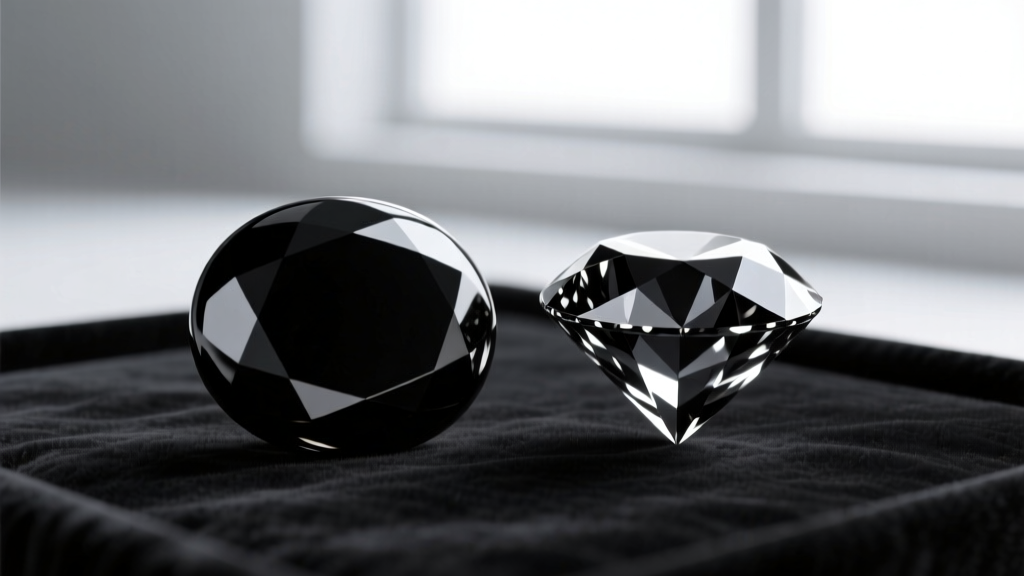
The cut of your black gemstone dictates its entire visual character. Opaque stones like black onyx, obsidian, and black tourmaline are almost exclusively cut en cabochon (smooth and domed). A high-quality cabochon should feature a perfectly symmetrical dome with a mirror-like polish. Any visible pitting, scratches, or dull patches indicate poor lapidary work.
Conversely, black diamonds and black spinels are precision-faceted. Because these stones absorb light rather than refracting it like a white diamond, the cutter's goal is to maximize surface sparkle. Look for 'rose cuts' or 'briolette' shapes in black diamonds, as these wide, flat facet patterns create a mesmerizing, shattered-glass effect that highlights the stone's dark luster.
Color Undertones and Dye Detection
True black gemstones should exhibit a pure, inky void of color. However, many lower-tier stones on the market harbor visible brown, gray, or green undertones when held under direct LED lighting. Furthermore, buyers must be wary of treated stones. The GIA notes that nearly all black onyx on the market is actually gray agate that has been treated with a sugar solution and heated in sulfuric acid to achieve its black color. While this treatment is permanent and universally accepted in the jewelry trade, you should never pay premium 'natural black stone' prices for dyed agate.
Metal Pairings and Setting Architecture
The metal you choose for your black gemstone necklace acts as the frame for a dark masterpiece. The contrast between the metal and the stone will define the piece's overall aesthetic.
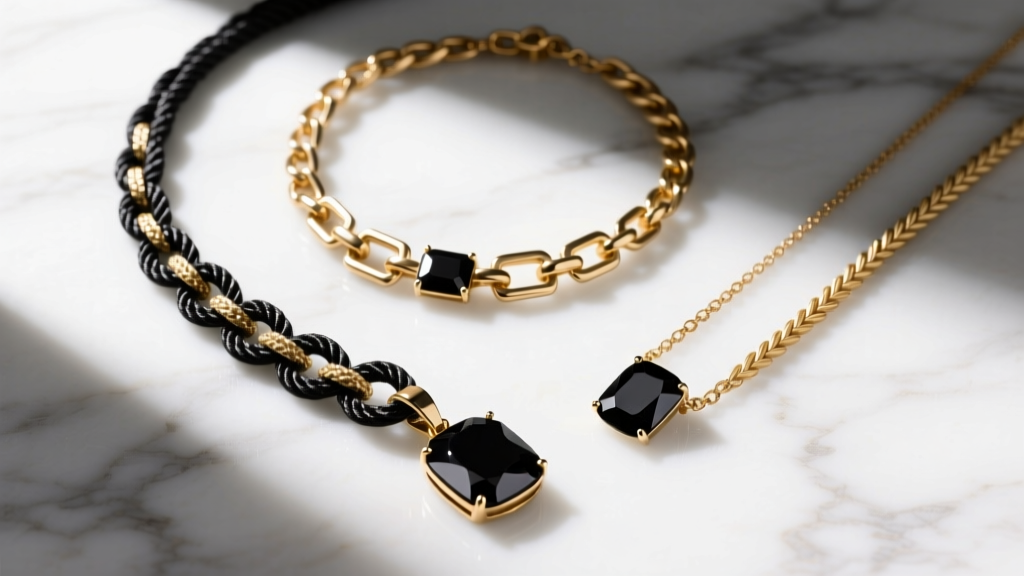
- 18k Yellow Gold: Creates a striking, high-contrast vintage look. The warmth of the gold offsets the coldness of the black stone, a popular combination in Victorian and modern Art Deco revival pieces.
- Platinum & 18k White Gold: Offers a sleek, monochromatic, and futuristic vibe. White metals are highly recommended for black spinel and black diamonds to maximize the 'icy' reflection of the facets.
- Black Rhodium Plating: A trending technique in 2026 where white gold is plated with black rhodium to create an entirely blacked-out, stealth-wealth necklace. Be aware that this plating will wear off friction points within 12 to 18 months and requires professional re-plating.
For fragile stones like obsidian or heavily included black tourmaline, always insist on a bezel setting. Prong settings leave the girdle (the widest edge of the stone) exposed, and a single knock against a marble countertop will chip an obsidian pendant instantly.
Chain Styles and Gauge Specifications
A heavy black gemstone pendant requires a structurally sound chain. Delicate cable chains will snap under the weight of a dense stone like black spinel or a solid black diamond cluster. When buying a black gemstone necklace, pay strict attention to the chain gauge and style.
Recommended Chain Profiles
1. The Box Chain (1.0mm - 1.5mm): Composed of square links that interlock at 90-degree angles. Box chains are incredibly resistant to kinking and can easily support pendants weighing up to 15 grams. They offer a modern, geometric look that complements faceted black diamonds.
2. The Wheat Chain (1.2mm - 2.0mm): Featuring braided, teardrop-shaped links, wheat chains provide exceptional tensile strength and a rich, woven texture. This is the ideal pairing for raw, unpolished black tourmaline pendants, enhancing their earthy, organic feel.
3. The Rope Chain (1.5mm - 2.5mm): The strongest chain style available. The twisting links reflect light beautifully, adding an extra layer of brilliance to opaque cabochon stones like black onyx.
Red Flags: How to Spot Fakes and Overpriced Pieces
The market is saturated with glass imitations and misrepresented minerals. If you are evaluating a black gemstone necklace, keep these troubleshooting insights in mind:
The Temperature Test: Genuine black onyx and black obsidian feel distinctly cold to the touch and take several seconds to warm up against your skin. Black glass or plastic resin imitations will feel room-temperature or warm almost instantly.
Additionally, be highly skeptical of 'Natural Black Diamonds' sold at suspiciously low price points. As detailed in the GIA's black diamond overview, naturally occurring black diamonds (carbonado) are incredibly rare, heavily included, and difficult to polish. Most commercial black diamonds are actually low-quality, heavily fractured white diamonds that have been subjected to high-temperature, low-pressure irradiation to turn them black. This treatment is stable and accepted, but the stone should be priced as a treated diamond, not a rare natural fancy black.
Final Verdict: Building Your Collection
Investing in a black gemstone necklace is an exercise in balancing visual drama with material science. For an indestructible, everyday piece that catches the light, allocate your budget toward a faceted black diamond or black spinel set in platinum with a 1.2mm box chain. For bold, seasonal fashion statements or carved cameos, a bezel-set black onyx cabochon in 18k yellow gold remains an unbeatable, cost-effective choice. By prioritizing Mohs hardness, demanding precision cuts, and selecting the correct chain gauge, your dark gemstone jewelry will remain a staple of your wardrobe for decades to come.


