Beginner's Guide to Buying a White Gold Station Necklace
Discover everything you need to know about buying a white gold station necklace, from karat choices and chain styles to pricing and layering tips.

What Exactly Is a White Gold Station Necklace?
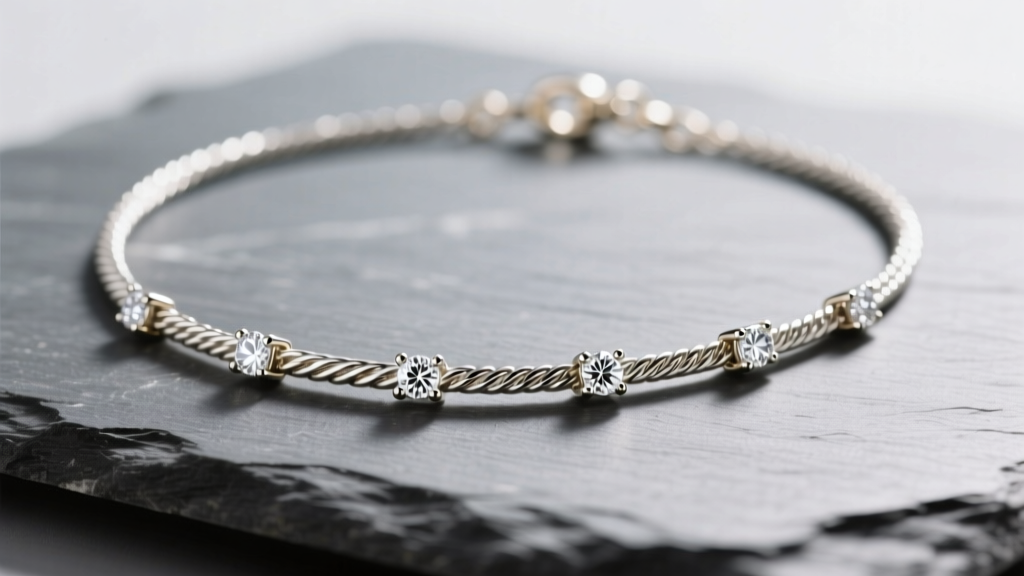
A white gold station necklace is a versatile jewelry staple characterized by a delicate metal chain punctuated by evenly spaced "stations." These stations can feature diamonds, colored gemstones, pearls, or even simple polished metal motifs. Unlike a traditional pendant necklace that draws the eye to a single central focal point, a station necklace distributes sparkle and visual interest across the entire neckline. For beginners entering the world of fine jewelry, this style offers an elegant, lightweight, and highly layerable option that transitions effortlessly from daytime office wear to evening events.
Decoding the Metal: 14K vs. 18K White Gold
Before purchasing, it is crucial to understand that pure white gold does not exist in nature. According to the Gemological Institute of America (GIA), white gold is an alloy created by mixing pure yellow gold with white metals like nickel, palladium, or silver. To achieve the brilliant, mirror-like chrome finish we associate with white gold, the metal is plated with a microscopic layer of rhodium, a rare platinum-group metal.
When shopping, you will primarily encounter two purity grades:
- 14K White Gold (58.5% Gold): The most popular choice for everyday station necklaces. The higher alloy content makes the chain more rigid and resistant to stretching or snapping under the weight of gemstone stations. It is also more budget-friendly, typically ranging from $200 to $800 depending on the diamonds used.
- 18K White Gold (75% Gold): Offers a slightly richer undertone and higher intrinsic value, but the metal is softer. An 18K chain requires a thicker gauge (at least 1.0mm) to safely hold heavy stations without warping. Expect prices to start around $600 and climb well past $2,000 for high-clarity diamonds.
Pro Tip for Sensitive Skin: If you have a nickel allergy, specifically seek out white gold alloyed with palladium rather than nickel. Palladium-alloyed white gold is hypoallergenic and maintains a naturally whiter base color, meaning it requires less frequent rhodium replating.
Chain Profiles and Station Spacing
The structural integrity and visual rhythm of your necklace depend heavily on the chain profile and the distance between stations. A standard station necklace utilizes a chain gauge between 0.8mm and 1.2mm. Anything thinner risks tangling and breaking; anything thicker loses the delicate aesthetic unique to this style.
| Chain Type | Visual Profile | Durability | Best Station Spacing |
|---|---|---|---|
| Cable Chain | Classic, uniform oval links | Moderate | 2 to 3 inches (Traditional) |
| Box Chain | Square, geometric links | High | 3 to 4 inches (Modern/Minimalist) |
| Rolo Chain | Thick, round interlocking links | Very High | 2 inches (Vintage/Chunky) |
Spacing dramatically alters the vibe of the piece. Stations placed every 2 inches create a continuous "halo" of sparkle, perfect for V-necklines. Stations spaced 4 to 5 inches apart offer a modern, minimalist look that pairs beautifully with high-neck blouses or as a base layer in a complex chain stack.
Choosing Your Stations: Diamonds vs. Gemstones
The gemstones anchoring your chain dictate both the price and the care requirements. When evaluating diamond station necklaces, jewelers use the term TCW (Total Carat Weight). For example, a necklace with five 0.10-carat diamonds will be listed as 0.50 TCW. Always ask for the individual stone weight and clarity grade (SI1 or VS2 are excellent sweet spots for station necklaces, as inclusions are invisible to the naked eye at this size).
"The setting style is just as important as the stone. Bezel settings, where a thin rim of white gold completely encircles the diamond's girdle, are highly recommended for station necklaces. They prevent the stones from catching on knitwear and protect the delicate edges of the gems." — Jewelers of America
If you prefer colored gemstones like sapphires or emeralds, ensure the chain features protective bezel or halo settings. Emeralds, in particular, are brittle and can chip if they flip over and strike a hard surface while suspended on a flimsy prong setting.
Sizing, Layering, and Neckline Pairing
Getting the length right is critical for a station necklace, as the spacing of the gems is mathematically calibrated to the chain's total length. If you buy an 18-inch necklace and have a jeweler shorten it to 16 inches, you may end up with a station resting awkwardly right on the clasp or the center of your collarbone.

- 16-Inch (Choker/Collarbone): Ideal for boat necks, off-the-shoulder tops, and open blazers. Keeps the stations high and visible.
- 18-Inch (Princess): The industry standard. Rests just below the collarbone, perfectly framing the face and complementing V-necks and scoop necks.
- 24-Inch (Matinee): Best worn doubled over as a lariat or layered over turtlenecks and winter sweaters.
When layering, adhere to the "Two-Inch Rule." Always pair your white gold station necklace with chains that are at least two inches shorter or longer to prevent the metal links and gemstone settings from grinding against each other, which accelerates rhodium wear and can scratch your diamonds.
Maintenance: Keeping the Rhodium Shine
Because white gold relies on rhodium plating for its bright white color, maintenance is a factor. Over time, the friction from your skin and clothing will wear the plating down, revealing the faintly yellowish-white alloy beneath. In 2026, professional rhodium replating typically costs between $35 and $60. To extend the life of your plating, remove the necklace before swimming in chlorinated pools or applying lotions and perfumes, as harsh chemicals accelerate the stripping of the rhodium layer. Clean your necklace weekly using a soft-bristled baby toothbrush and a mild solution of warm water and dish soap, avoiding ultrasonic cleaners if your stations feature fracture-filled gems or pearls.
Quick Buyer's Checklist
Use this rapid checklist before finalizing your purchase to ensure you are getting a high-quality piece:
- Verify the karat stamp (14K or 18K) and the maker's mark on the clasp.
- Check the chain gauge (ensure it is at least 0.8mm for durability).
- Confirm whether the white gold is palladium-alloyed if you have nickel sensitivities.
- Inspect the station settings; ensure bezels are flush and prongs are not catching on fabric.
- Ask the jeweler for the exact TCW and the individual carat weight of the stations.
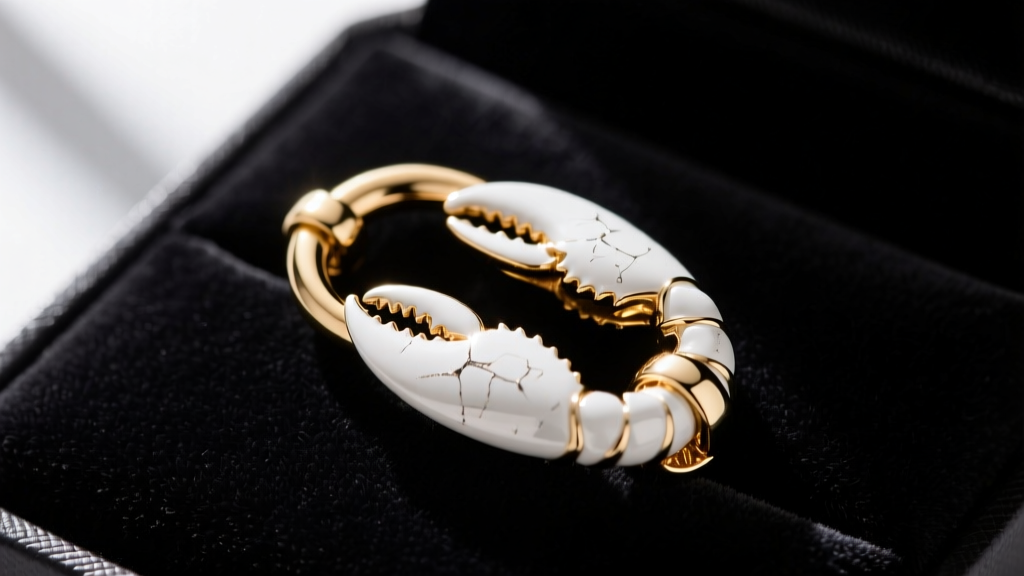
- Ensure the clasp is a secure lobster claw with a sturdy, soldered jump ring.


