How to Wear a Frida Kahlo Hummingbird and Thorn Necklace
Learn how to source, style, and comfortably wear a Frida Kahlo hummingbird and thorn necklace with our expert step-by-step jewelry guide.

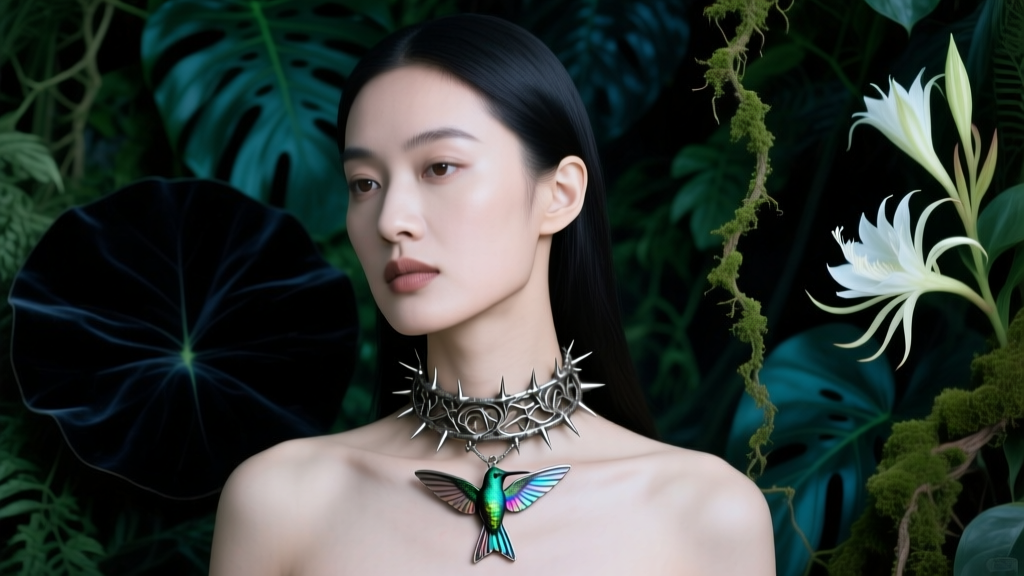
The Legacy and Anatomy of the Iconic Thorn Choker
Frida Kahlo’s 1940 masterpiece, Self-Portrait with Thorn Necklace and Hummingbird, remains one of the most analyzed works in surrealist and feminist art history. The painting depicts the artist wearing a tightly wound necklace of sharp thorns that draw blood, from which hangs a lifeless hummingbird. Today, the Frida Kahlo hummingbird and thorn necklace has transcended its canvas origins to become a powerful, avant-garde jewelry statement. Modern interpretations capture the duality of pain and resilience, transforming a symbol of martyrdom into a wearable piece of sculptural art.
Before you purchase or commission this striking piece, it is crucial to understand its structural anatomy. Authentic, high-quality reproductions do not use flat, stamped metal. Instead, the thorn links are typically hand-forged or cast from 12-gauge (2.05mm) or 14-gauge (1.63mm) wire to provide the necessary rigidity and three-dimensional texture. The hummingbird pendant is usually created using the lost-wax casting method, allowing jewelers to capture microscopic details in the bird’s feathers and delicate beak. Understanding these construction details is the first step in acquiring a piece that honors the original artwork while remaining comfortable for modern wear.
Step 1: Sourcing and Material Selection
When shopping for a Frida Kahlo hummingbird and thorn necklace, the base metal dictates not only the aesthetic but also the longevity and skin compatibility of the choker. Because thorn chokers sit flush against the sensitive skin of the neck, choosing hypoallergenic materials is non-negotiable. Below is a comparison of the most common materials used in contemporary reproductions.
| Material | Composition | Price Range | Best For |
|---|---|---|---|
| Oxidized Sterling Silver | 92.5% Silver, 7.5% Copper | $120 - $350 | Authentic patina, daily wear, sensitive skin |
| Solid Brass | Copper & Zinc Alloy | $45 - $90 | Budget-friendly buyers, vintage aesthetics |
| Gold Vermeil | Sterling Silver base, 2.5µm Gold | $200 - $500 | Warm skin tones, luxury feel, formal events |
| Surgical Stainless Steel | 316L Steel Alloy | $30 - $75 | High durability, water resistance, low budget |
For the most historically resonant and visually striking option, oxidized sterling silver is the superior choice. The intentional oxidation (darkening) of the silver highlights the deep crevices of the thorn links and the hummingbird’s feathers, creating a dramatic contrast that polished metals simply cannot achieve. According to the Frida Kahlo Museum, her personal jewelry collection heavily favored silver and indigenous Mexican crafts, making sterling silver the most culturally and historically appropriate metal for this specific design.

Step 2: Achieving the Perfect Choker Fit
Unlike standard cable or box chains that drape and flex, a thorn necklace is inherently semi-rigid. The interlocking thorn links restrict movement, meaning that an improperly sized choker will either dig painfully into your collarbone or gap awkwardly at the back of your neck. Follow these precise measuring steps to ensure a flawless fit:
- Measure Your Neck: Use a soft tailor’s measuring tape. Wrap it snugly around your neck exactly where you want the choker to sit—typically just above the collarbone (around 14 to 15 inches for most women).
- Add the Comfort Allowance: Because thorn links do not bend easily, add exactly 0.5 to 1 inch to your base measurement. This prevents the rigid spikes from pressing into your skin when you turn your head.
- Insist on an Extender Chain: Never buy a fixed-length thorn choker. Always ensure the piece includes a 2-inch extender chain. This allows you to adjust the drop length depending on the thickness of your clothing or slight fluctuations in neck swelling throughout the day.
- Upgrade the Clasp: Standard lobster clasps can easily snag on the intricate thorn links or your hair. Look for a jeweler who uses a custom hook-and-eye clasp or a discreet, high-strength magnetic clasp for seamless fastening.
Step 3: Styling and Neckline Pairings
The Frida Kahlo hummingbird and thorn necklace is a heavy, visually dominant statement piece. Styling it requires a careful balance to ensure the necklace remains the focal point without veering into costume territory. The rigidity of the choker means it interacts directly with your neckline, making fabric choice critical.
Optimal Necklines
- Deep V-Necks: A V-neck creates a natural visual frame that draws the eye down to the hummingbird pendant. The negative space prevents the jewelry from feeling cluttered.
- Off-the-Shoulder / Bateau: Exposing the collarbone and shoulders provides a wide, unbroken canvas of skin, allowing the dark, oxidized silver to pop dramatically.
- Scoop Necks: A moderate scoop neck offers a soft, curved contrast to the sharp, aggressive angles of the thorn links.
Necklines to Avoid
Avoid high collars, turtlenecks, and ruffled blouses. The rigid thorns will catch on thick fabrics, potentially damaging both the garment and the delicate bail holding the hummingbird. Furthermore, busy patterns and heavy embroidery will compete with the intricate lost-wax details of the pendant, diluting its visual impact.

Step 4: Advanced Layering Techniques
While the thorn choker is powerful on its own, modern jewelry styling often embraces layering. If you wish to layer the Frida Kahlo hummingbird and thorn necklace with other pieces, you must adhere to strict spatial rules to avoid tangling and metal abrasion.
Because the thorn links have sharp, protruding edges, they will scratch softer metals or delicate gemstones if they rub together. Therefore, your secondary necklace must be significantly longer. Pair the 15-inch thorn choker with a 22-inch or 24-inch matte gold or silver lariat chain. The secondary chain should be minimalist—such as a simple 1.5mm rope chain or a sleek snake chain—featuring a single, small geometric pendant. This creates a cascading effect that honors the surrealist aesthetic while keeping the metals safely separated. Never layer a thorn choker with pearl strands or soft gemstone beads like turquoise or opal, as the silver thorns will inevitably chip and scratch the softer Mohs-scale materials.
Step 5: Caring for Intricate Pendant Details
Maintaining the dramatic contrast of an oxidized silver thorn necklace requires specialized care. Standard liquid silver dips and ultrasonic cleaners are strictly prohibited; they will strip the intentional black patina from the crevices, leaving you with a flat, overly bright piece that loses its gothic, historical charm.
According to the Gemological Institute of America (GIA), oxidized silver should only be cleaned using a dry, untreated microfiber polishing cloth. Gently rub only the high points and polished tips of the thorns. For the hummingbird pendant, use a clean, soft-bristled makeup brush (like an eyeshadow blending brush) to dust out the intricate feather engravings without disturbing the darkened recesses.
When storing the necklace, never toss it into a communal jewelry box where the thorns can scratch other pieces or become bent. Lay it flat in a dedicated, fabric-lined tray. Include a sulfur-free anti-tarnish strip in the drawer to prevent the polished high-points from developing unintended yellow or brown oxidation over time. By following these meticulous care instructions, your necklace will retain its striking, museum-quality contrast for decades.
Final Thoughts on Wearing Art History
Choosing to wear a Frida Kahlo hummingbird and thorn necklace is an intentional act of sartorial storytelling. It is not merely an accessory; it is a conversation piece that bridges 20th-century surrealist art with contemporary fashion. By prioritizing structural integrity, selecting hypoallergenic oxidized metals, and styling with deliberate minimalism, you can comfortably and elegantly carry a piece of art history wherever you go. For further exploration into the historical context of the original 1940 painting, the Harry Ransom Center at the University of Texas at Austin houses the original masterpiece and offers extensive archives on Kahlo’s life and symbolism.


