Dean's Necklace Replica: Troubleshooting Tarnish & Chain Breaks
Fix common issues with your Dean's necklace replica. Learn how to stop skin tarnish, repair broken chains, and restore the antiqued finish.

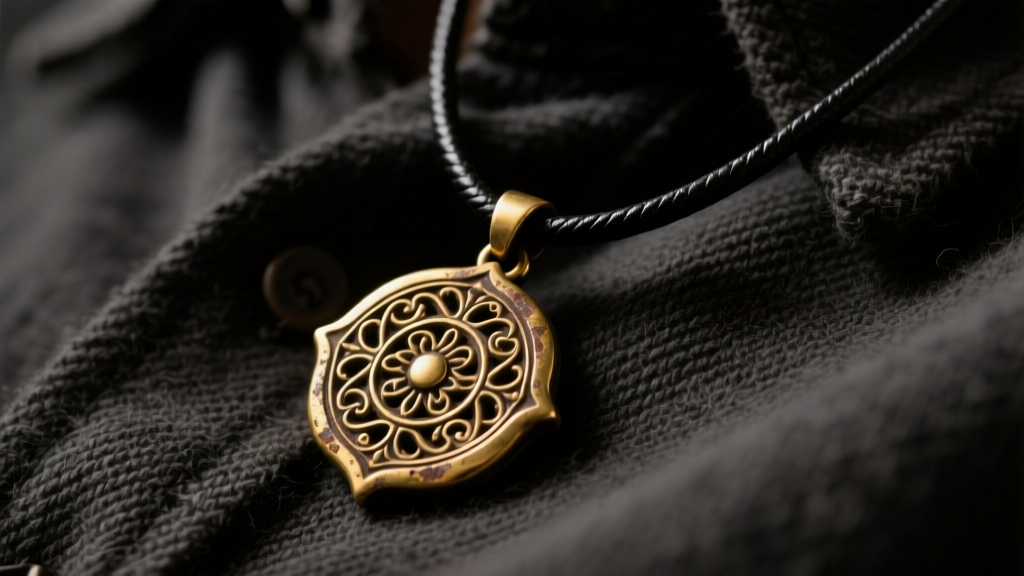
The Anatomy of a Screen-Accurate Dean's Necklace
For fans of iconic pop-culture jewelry, few pieces carry the emotional weight and recognizable silhouette of Dean's necklace. Originally introduced as a simple prop, this amulet has become a holy grail for collectors and fans alike. However, the massive demand for replicas has flooded the market with cheaply manufactured knockoffs that fail to capture the essence of the original piece while introducing a host of wearable problems. If you have purchased a replica only to find it turning your skin green, snapping at the clasp, or losing its dark, antiqued finish, you are not alone. As of 2026, the secondary market for screen-accurate props has matured, but budget replicas still dominate search results. This guide will walk you through the exact metallurgical and structural troubleshooting steps required to salvage, upgrade, and maintain your amulet.
Troubleshooting Common Chain and Bail Failures
The most frequent point of failure on any budget replica is the chain and the bail (the loop connecting the pendant to the chain). The stock chains included with most mass-produced replicas are typically 1.2mm to 1.5mm base-metal curb chains featuring a microscopically thin layer of electroplated black nickel. These chains have a tensile strength of less than 3 pounds, meaning a sudden tug will easily warp the jump rings or snap the chain links entirely.
Upgrading the Hardware
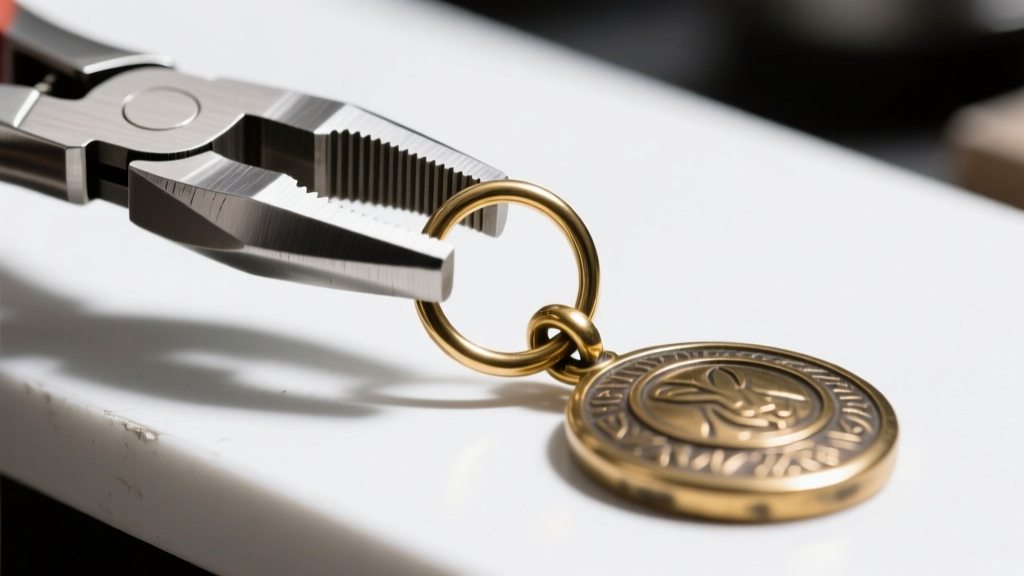
To permanently solve chain breakage, you must upgrade the hardware. We recommend replacing the chain with a 2.2mm 316L surgical stainless steel rope chain or a .925 sterling silver oxidized chain. Stainless steel offers superior tensile strength and will not tarnish, while sterling silver offers a more authentic, heavy drape that matches the screen-used props from later seasons. When attaching the new chain, discard the stock split rings. Instead, use 6mm 20-gauge stainless steel jump rings, closing them with two pairs of flat-nose jewelry pliers to ensure a flush, gapless seam that will not catch on clothing.
Solving the Green Skin and Contact Dermatitis Problem
Mass-produced replicas are predominantly cast from Zamak, a zinc-based alloy favored by overseas manufacturers because it has a low melting point (around 385°C) and flows easily into intricate molds, capturing complex engravings. However, Zamak is highly porous and often contains trace amounts of nickel, copper, and lead. When exposed to the acidic pH of human sweat, the copper and zinc ions leach out, creating a chelate compound that stains the skin a vibrant, stubborn green and can trigger severe contact dermatitis.
The ProtectaClear Solution
If you cannot afford a solid brass or sterling silver cast replica, you must seal the Zamak pendant. The most effective troubleshooting method is applying a jeweler's lacquer like ProtectaClear. Follow these steps:
- Clean the pendant thoroughly with isopropyl alcohol to remove skin oils and factory residues.
- Apply a single, thin coat of ProtectaClear using a soft foam brush, ensuring you cover the bail and the back plate.
- Allow it to cure for 24 hours in a dust-free environment.
- Apply a second coat for heavy-wear durability.
Expert Warning: Do not use standard clear nail polish as a long-term solution. Nail polish contains plasticizers and solvents that will yellow, peel, and trap moisture against the zinc alloy, accelerating a destructive oxidation process known as 'zinc pest' which causes the metal to crumble.
Restoring the Antiqued Brass Finish
The screen-used amulets were not uniformly shiny; they featured a heavy, grimy antiqued finish that highlighted the deep crevices of the casting while leaving the high-polish areas slightly muted. When a replica's factory paint or oxidized layer inevitably rubs off against your shirt, you can restore it using a chemical patina.
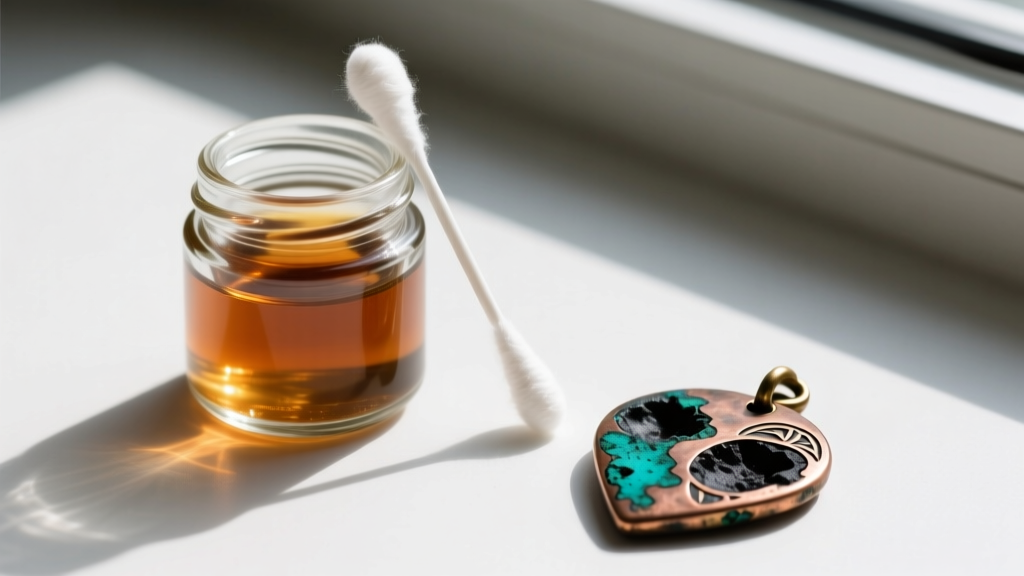
According to jewelry fabrication experts at Rio Grande, Liver of Sulfur is the industry standard for darkening silver and copper-rich brass. If your replica is solid brass or copper, mix a small amount of the oxidizer with warm water, dip the pendant for 30 to 60 seconds, and rinse. The chemical reaction will turn the metal a deep, iridescent black. Once dry, use 0000-grade super fine steel wool to gently buff the raised surfaces, leaving the dark patina only in the engraved grooves. Seal the piece with a microcrystalline wax to prevent further oxidation. For comprehensive care guidelines on patinated metals, the Gemological Institute of America (GIA) strongly recommends avoiding ultrasonic cleaners and harsh chemical dips, which can strip chemical patinas entirely and ruin the antiqued effect.
Sizing and Length Adjustments for Layering
Authentic props were typically worn on a 22-inch to 24-inch black leather cord or blackened chain, allowing the amulet to rest just below the collarbone. Many budget replicas ship on rigid 18-inch chains that sit uncomfortably high and ruin the visual proportion of the pendant. To troubleshoot sizing issues without replacing the entire chain, install a 4-inch sterling silver or stainless steel extender chain at the clasp. This not only allows you to achieve the correct 22-inch drop but also enables you to layer the amulet over heavier flannel shirts or jackets during the winter months without the chain pulling taut against your neck.
Quick Reference: Replica Material Comparison
Understanding what your specific replica is made of is the first step in troubleshooting its unique failure modes. Use the table below to identify your material and its corresponding maintenance needs.
| Material Grade | Common Failure Modes | Troubleshooting & Maintenance | Estimated Upgrade Cost |
|---|---|---|---|
| Zamak (Zinc Alloy) | Green skin, zinc pest, brittle bail | Seal with ProtectaClear; avoid moisture | $15 - $30 (Base) |
| Solid Brass | Loss of antiquing, surface tarnish | Re-oxidize with Liver of Sulfur; wax seal | $45 - $85 |
| .925 Sterling Silver | Softness, scratch accumulation | Polish with rouge cloth; store in anti-tarnish bag | $120 - $250+ |
| 316L Stainless Steel | Stuck jump rings, heavy weight | Lubricate clasps; use heavy-duty pliers | $60 - $110 |
By diagnosing the exact metallurgical composition of your piece and upgrading the structural weak points, you can transform a fragile, mass-produced knockoff into a durable, screen-accurate staple of your daily wardrobe. Proper maintenance ensures that your jewelry remains a meaningful artifact rather than a disposable accessory.


