How to Authenticate and Style a Caravaca Cross Necklace
Learn how to authenticate, choose metals, and style a Caravaca cross necklace. Our step-by-step guide covers sizing, chains, and cultural respect.

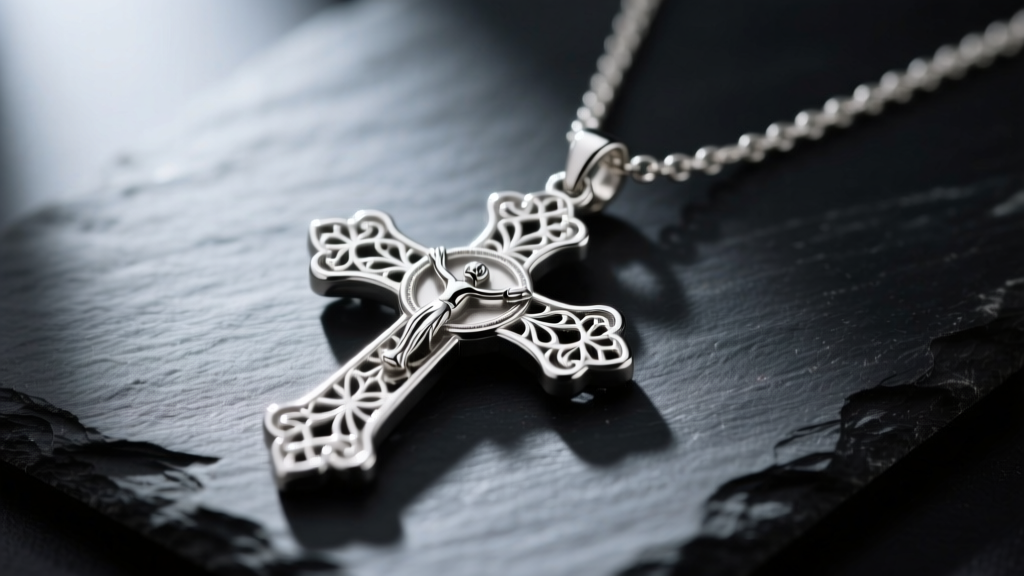
The Caravaca cross necklace is far more than a striking piece of jewelry; it is a profound sacramental artifact rooted in 13th-century Spanish history. Originating from the town of Caravaca de la Cruz in Murcia, Spain, this distinct double-armed cross is traditionally believed to house a relic of the True Cross (Lignum Crucis). Today, it is worn globally as a symbol of divine protection, faith, and cultural heritage. However, as its popularity has surged in mainstream fashion, the market has become saturated with historically inaccurate replicas and poorly constructed pendants.
Whether you are purchasing a Caravaca cross for its spiritual significance or its unique patriarchal silhouette, knowing how to identify an authentic piece and pair it with the correct hardware is essential. This step-by-step guide will walk you through the nuances of iconography, metallurgical grading, chain mechanics, and respectful styling to ensure your necklace is both historically accurate and built to last.
Step 1: Decoding the Iconography and Authenticity
The most common mistake buyers make is confusing a standard Patriarchal cross or a Russian Orthodox cross with a true Caravaca cross. While all feature two horizontal crossbars, the authentic Cruz de Caravaca possesses specific iconographic hallmarks that date back to the miraculous apparition of 1231.
According to the Real Basílica Santuario de la Vera Cruz, the definitive hallmark of a traditional Caravaca cross is the presence of two angels flanking the upper shaft or resting on the horizontal bars. These angels represent the divine messengers who, according to tradition, delivered the relic to the altar during a Moorish siege. When examining a pendant, look for the following structural details:
- The Angels: Genuine designs feature San Miguel and San Gabriel, either cast in high relief or intricately engraved on the sides of the upper vertical shaft.
- The Crossbar Ratio: The top horizontal bar (representing the titulus or INRI plaque) should be proportionally shorter than the main crossbar, typically measuring about one-third the width of the lower bar.
- The Finials: Traditional Spanish casts often feature trefoil or fleur-de-lis finials at the ends of the crossbars, distinguishing them from the stark, flat ends of modern minimalist interpretations.
"The Caravaca cross is not merely a shape; it is a specific historical relic encased in a patriarchal form. The angelic figures are what elevate it from a generic double-cross to a true Cruz de Caravaca."
Step 2: Evaluating Metal Grades and Pricing
When investing in a Caravaca cross necklace, the metallurgical integrity of the piece dictates both its longevity and its value. In 2026, the jewelry market remains flooded with hollow-cast pendants and flash-plated brass that degrade within months, causing skin discoloration and allergic reactions. To ensure your sacramental jewelry endures, you must understand metal grades and their corresponding market values.
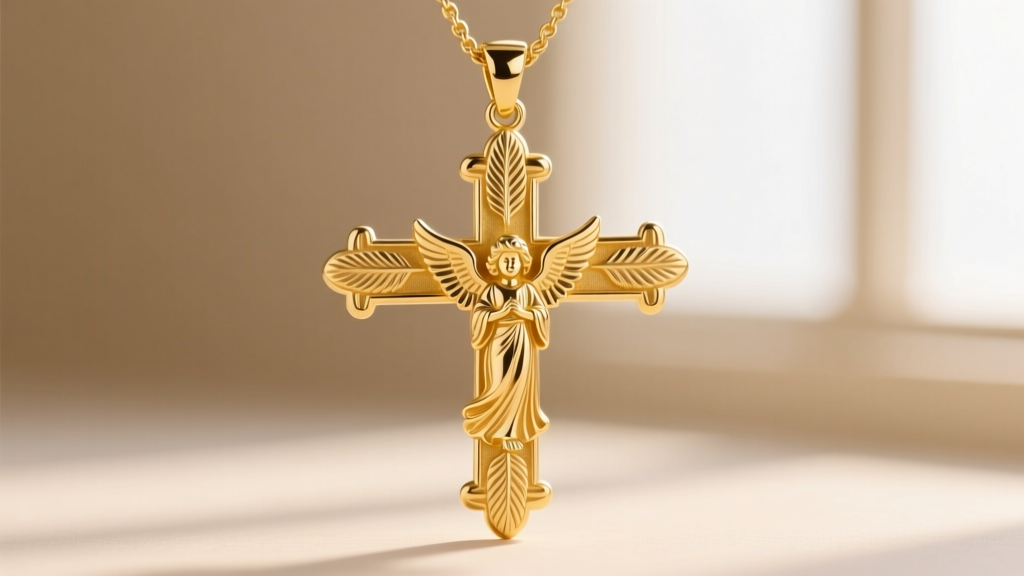
Solid metals are non-negotiable for a piece intended for daily wear. Below is a comparative breakdown of the most reliable materials used for authentic Caravaca pendants, including current pricing estimates for standard 1.5-inch to 2-inch pendants.
| Metal Grade | Composition & Properties | Estimated Price Range | Best For |
|---|---|---|---|
| 925 Sterling Silver | 92.5% pure silver, 7.5% copper. Prone to tarnish but easily polished. Excellent detail retention for angel engravings. | $65 - $180 | Everyday wear, high-detail filigree designs. |
| 14k Solid Gold | 58.3% pure gold. Highly durable, resistant to tarnish, and strong enough to hold intricate prong-set gemstones if applicable. | $350 - $650 | Lifelong heirloom pieces, active lifestyles. |
| 18k Solid Gold | 75% pure gold. Richer yellow hue but slightly softer than 14k. Requires a thicker cast to prevent bending. | $500 - $950 | Luxury collectors, traditional Spanish casting. |
| Gold Vermeil | Thick 14k/18k gold plating (min 2.5 microns) over a 925 silver base. Far superior to standard gold-plated brass. | $90 - $220 | Budget-conscious buyers wanting a gold aesthetic. |
Pro Tip: Avoid any listing that simply says "gold plated" without specifying the base metal. If the base is brass or copper, the pendant will eventually turn your skin green as the plating wears off from friction against your clothing.
Step 3: Matching the Chain Gauge and Length
A critical, often overlooked failure mode with heavy religious pendants is chain breakage caused by bail friction. The bail (the loop connecting the cross to the chain) acts as a microscopic saw if the chain links are too soft or too thin. A solid 925 silver Caravaca cross weighing between 4 and 8 grams requires a chain with sufficient structural integrity to support it without warping.
Recommended Chain Styles and Gauges
- Box Chains (1.5mm - 2.0mm): The interlocking square links provide exceptional tensile strength and a smooth surface that prevents the bail from catching. This is the top recommendation for heavier solid gold crosses.
- Cable Chains (1.2mm - 1.8mm): A classic choice that complements the traditional aesthetic of the Caravaca cross. Ensure the links are soldered (closed) rather than open, as open links will easily pull apart under the pendant's weight.
- Figaro Chains (2.0mm+): Ideal for a bolder, masculine presentation. The alternating link pattern adds visual weight that balances larger, 2.5-inch Caravaca pendants.
For length, an 18-inch chain places the cross at the collarbone, ideal for layered looks or wearing over a crew neck. A 20-inch to 22-inch chain allows the cross to rest on the sternum, which is the traditional placement for sacramental protection and works best with V-necks or unbuttoned collars.
Step 4: Layering with Cultural and Aesthetic Respect
Layering necklaces is a dominant trend, but when styling a Caravaca cross necklace, it is vital to balance modern aesthetics with cultural and religious respect. Because the cross is a revered sacramental in the Catholic tradition, it should remain the focal point of your arrangement rather than getting tangled in a chaotic cluster of secular charms.
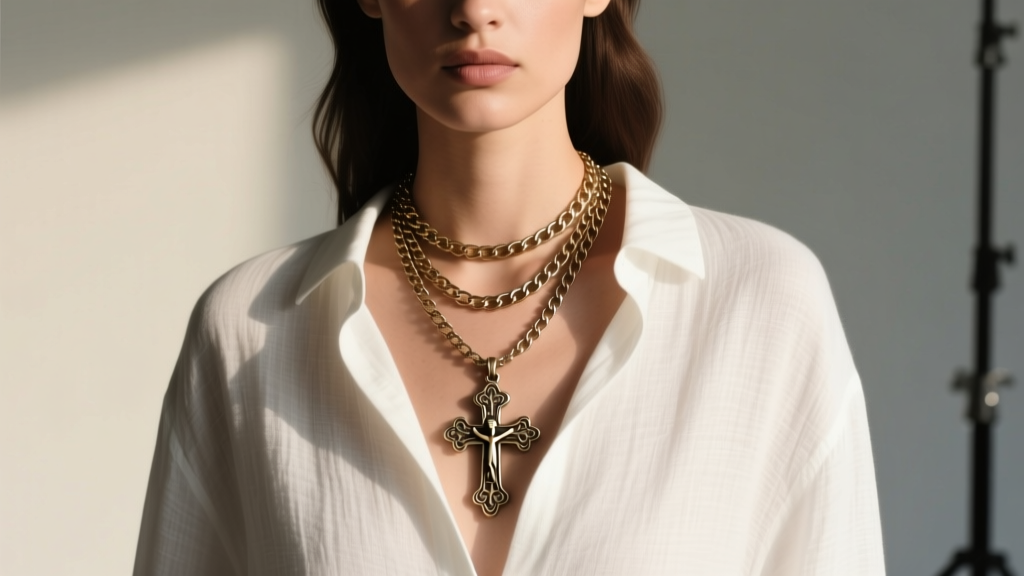
To achieve a sophisticated, respectful layering technique, follow the "Rule of Ascending Weight":
- The Base Layer (16-18 inches): Start with a minimalist, lightweight chain, such as a 1.0mm rope chain or a simple pearl strand. This frames the face without competing for attention.
- The Focal Layer (20-22 inches): Place your Caravaca cross here. The longer length ensures the intricate details of the angels and the double crossbars are fully visible and rest flat against the chest.
- The Texture Layer (Optional, 24+ inches): If you wish to add a third layer, use a textured metal like a matte black onyx beaded necklace or a dark oxidized silver chain. This provides a grounding contrast that makes the gold or bright silver of the Caravaca cross pop.
Avoid layering the Caravaca cross with zodiac signs, secular initials, or novelty pendants, as this can dilute the spiritual significance of the relic and create visual clutter that obscures the cross's unique patriarchal silhouette.
Step 5: Maintenance and Sacramental Care
Proper maintenance ensures that the intricate filigree and angelic engravings of your Caravaca cross remain sharp and legible for generations. The cleaning method you choose must be tailored to the specific metal grade of your pendant.
For 925 Sterling Silver, avoid harsh chemical dips that can strip the oxidized detailing from the crevices of the angel wings. Instead, use a mild dish soap and warm water solution, gently agitating the pendant with a soft-bristled baby toothbrush. Dry thoroughly with a microfiber cloth to prevent water spots. For Solid Gold, a simple wipe-down with a jewelry polishing cloth is usually sufficient to restore its luster.
Beyond physical maintenance, many wearers choose to have their Caravaca cross blessed by a priest, particularly if it was purchased from a secular jeweler rather than a religious goods store. As noted in historical texts regarding the veneration of the True Cross, the spiritual efficacy of the sacramental is deeply tied to the faith and reverence of the wearer. Store your necklace in an anti-tarnish pouch or a lined jewelry box when not in use, keeping it separate from harder gemstones that could scratch the soft precious metals.
By carefully authenticating the iconography, selecting the appropriate solid metal, and pairing it with a structurally sound chain, your Caravaca cross necklace will serve as both a beautiful sartorial anchor and a lasting emblem of faith and protection.


